
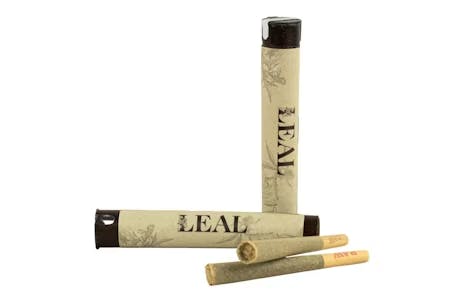
Indica-Hybrid
All strains TC Dream
1 live products in stock
Quick answer · What is the TC Dream cannabis strain?
TC Dream arrives as an indica-leaning hybrid that balances a quietly euphoric mental lift with a deep, unhurried physical ease. Its terpene profile leans toward the earthy and sweet, with a faint citrus undercurrent that keeps each session from feeling heavy. Whether encountered at the end of a demanding week or on a slow Sunday afternoon, TC Dream earns its name through a texture that feels less like sedation and more like genuine rest.
Shop TC Dream · 1 of 1 live products
About TC Dream
Everything to know about TC Dream.
Lineage & origin
TC Dream's precise lineage has not been fully disclosed by its breeder, and detailed public documentation on its origins remains limited across major cannabis databases including Leafly and Allbud. Based on available community reporting and retail sourcing, the strain is generally understood to be a cross drawing on Dream-family genetics — most likely Blue Dream or one of its close phenotypic relatives — blended with a heavier indica influence, potentially from an OG or Kush-adjacent parent. This pairing would account for its characteristic balance: the cerebral brightness associated with Dream-line hybrids tempered by the slower, body-forward character that indica genetics typically introduce. The Dream lineage itself has a well-established California heritage. Blue Dream, one of the most influential hybrids of the 2000s, is widely credited as a cross of Blueberry and Haze, with Santa Cruz regional scenes often cited as its point of origin. The introduction of a heavier indica parent into that framework is a common breeding strategy, aimed at moderating the occasionally racy qualities of Haze-descended cultivars. Until the originating breeder publicly names the full parentage of TC Dream, the genetic picture should be treated as informed inference rather than verified fact. Shoppers who appreciate transparency in lineage documentation are encouraged to ask their budtender for any updated sourcing information available at point of sale.
Effects
The onset of TC Dream is generally reported as gradual rather than abrupt — most consumers note an initial mental brightening within five to fifteen minutes of inhalation, characterized by a mild elevation in mood and a softening of cognitive static. This cerebral layer does not tend toward intensity; instead, it offers a sense of calm clarity that makes conversation or light creative engagement feel accessible without demanding it. As the session progresses into its peak, the indica influence becomes more perceptible. A gentle warmth tends to settle through the shoulders and limbs, and any residual tension accumulated through the day seems to lose its grip. This body component is rarely immobilizing at moderate consumption — it reads more as a release than a shutdown, which is a meaningful distinction for those who prefer to remain functional while still feeling at ease. The duration of effects is consistent with most indica-leaning hybrids: the peak experience typically spans sixty to ninety minutes, with a gradual comedown that settles into restful calm rather than sudden drop-off. The terpene profile, which appears to favor myrcene and caryophyllene, likely contributes to both the body ease and the smooth transition into the session's later stages. As with any cannabis experience, individual response varies — new consumers are advised to start with a small amount and allow adequate time before considering additional consumption.
Aroma, flavor & terpenes
On the nose, TC Dream presents a grounded, earthy opening note that is characteristic of myrcene-dominant cultivars. Myrcene — the most abundant terpene in cannabis broadly — contributes a warm, slightly musky sweetness that forms the aromatic backbone here, lending the strain an approachable, almost herbal quality. Behind that primary note, a subtle fruitiness emerges, likely shaped by secondary terpene contributions that echo the berry and grape suggestions associated with Blue Dream's Blueberry parentage. Caryophyllene adds a faint spice to both the aroma and the palate — a dry, peppery quality that prevents the profile from reading as purely sweet. This terpene, unique in that it is also classified as a dietary cannabinoid due to its interaction with CB2 receptors, contributes depth and a gentle complexity to the overall experience. Some consumers also detect a light pine or herbal note that may suggest a modest pinene presence, though this secondary layer is more evident on exhale than on the initial draw. On the palate, TC Dream smokes smoothly in flower form, with a vapor character that emphasizes the earthy-sweet core. The mid-palate carries a soft, creamy texture before the exhale reveals that light spice and a faint coolness. The finish is clean and relatively brief, without the harshness sometimes associated with high-terpene cultivars. Vaporization at lower temperatures tends to amplify the fruit and floral nuances while preserving the more delicate terpene expressions.
Appearance
TC Dream's buds present with the dense, compact formation typical of indica-dominant hybrids — each calyx clusters tightly, producing a structure that holds its shape well and speaks to careful cultivation and a properly managed cure. The color palette is a deep, saturated green, ranging from hunter to forest tones, with occasional hints of muted olive where indica genetics have expressed themselves most fully. Pistils run a warm amber to rust-orange, distributed generously across the surface and providing a visual contrast against the deep green backdrop. Trichome coverage is substantial: a fine, silvery frost extends across both the calyxes and the surrounding sugar leaves, giving the flower a subdued luminosity when caught in good light. While not the most visually dramatic cultivar in a well-curated menu, TC Dream's appearance communicates density and quality with a quiet confidence that suits its broader character.
Growing notes
TC Dream is understood to perform well in both indoor and outdoor cultivation environments, with indoor growing generally preferred for the level of environmental control it affords. Under controlled indoor conditions, the strain is expected to follow a flowering timeline consistent with indica-leaning hybrids — typically in the range of eight to nine weeks. Yields are reported as moderate to generous for the category, rewarding cultivators who invest in proper canopy management and nutrient balance. The plant's indica structure tends toward a bushy, compact growth habit, which may require regular defoliation to ensure adequate airflow through the lower canopy and reduce the risk of humidity-related issues. For cultivators in New York's outdoor season, late-season planting windows can accommodate this strain, though close attention to autumn moisture levels is advisable. Difficulty is generally considered moderate — accessible to cultivators with some prior experience, though not ideally suited as a first-time grow for those unfamiliar with managing denser, indica-type plants. Home cultivation of cannabis in New York is permitted for adults 21 and over under current state regulations.
When it's best enjoyed
TC Dream is most at home in the quiet hours between activity and sleep — the transitional space of a weekday evening when the pace of the day has slowed but the night is still open. It suits a solo session as readily as it does a small, relaxed gathering: the mild cerebral lift creates just enough openness for unhurried conversation without producing the social anxiety that higher-energy sativas can occasionally provoke in sensitive consumers. Given the earthy, slightly sweet terpene character, TC Dream pairs naturally with food experiences that share that same warm, grounded quality. A charcuterie arrangement featuring aged cheeses and cured meats, or a simple pasta with brown butter and sage, makes a complementary accompaniment. On the musical side, low-tempo soul or ambient jazz — the kind of record that rewards full attention without demanding it — aligns well with the strain's unhurried arc. For those inclined toward creative work, TC Dream's early-session clarity can open a productive window for writing, drawing, or any practice that benefits from a quieter mind before the body ease of the later stages takes over.
If you like TC Dream, also explore
Blue Dream
As a likely ancestral relative, Blue Dream offers the same Dream-family cerebral lift, though with a more pronounced sativa energy that fans of TC Dream's gentler arc may appreciate as a lighter daytime alternative.
OG Kush
Consumers drawn to TC Dream's body ease and earthy, spiced terpene profile will find familiar ground in OG Kush's deeply relaxing character and its caryophyllene-forward aromatic complexity.
Granddaddy Purple
For those who particularly enjoy TC Dream's indica-side warmth and the subtle fruit notes in its aroma, Granddaddy Purple delivers a similar physical ease alongside a richer berry expression.
Girl Scout Cookies
GSC shares the balanced hybrid quality of TC Dream — a cerebral opening followed by steady body relaxation — and appeals to the same consumer seeking a well-rounded, evening-appropriate experience.
Northern Lights
A classic indica that mirrors TC Dream's smooth, unhurried body effect and earthy terpene foundation, Northern Lights suits any fan of TC Dream who wants to lean further into physical ease with less cerebral activity.
Common questions
Is TC Dream indica or sativa?+
TC Dream is classified as an indica-leaning hybrid. This means it carries qualities from both sides of the spectrum — a modest cerebral lift inherited from its likely Dream-family lineage, and a more dominant body ease drawn from its indica genetics. The overall experience tends to favor physical relaxation over mental stimulation, making it a natural fit for evening or late-afternoon consumption.
What does TC Dream taste like?+
TC Dream offers an earthy, slightly sweet palate with a faint spice note on the exhale — a profile shaped largely by myrcene and caryophyllene. Some consumers detect a subtle berry or fruit undercurrent, possibly a nod to Blue Dream lineage, alongside a mild herbal quality. The smoke is generally smooth, with a clean finish that does not linger heavily. Vaporization tends to bring out more of the fruit and floral nuances.
What are the typical effects of TC Dream?+
Consumers most commonly describe a gradual onset that begins with a mild mood lift and mental clarity before settling into a relaxed, comfortable body ease. The experience is rarely intense or immobilizing at moderate consumption — it reads more as a quiet release of tension than a heavy sedation. The peak typically lasts sixty to ninety minutes, with a smooth, restful comedown. Individual response varies, and starting with a small amount is always recommended.
What strains are similar to TC Dream?+
Consumers who enjoy TC Dream often also appreciate Blue Dream for its shared cerebral brightness, OG Kush for its complementary earthy, body-forward effects, and Granddaddy Purple for a similar physical ease paired with richer fruit notes. Girl Scout Cookies and Northern Lights are also frequently cited by consumers seeking the same balanced, evening-appropriate character that defines TC Dream.
Is TC Dream good for beginners?+
TC Dream's moderate potency and gradual onset make it more approachable than many high-intensity cultivars, though its indica-leaning nature means its body effects can still be meaningful for those with low tolerance. New consumers are advised to follow a start-low, go-slow approach — taking a small amount and waiting a full session's duration before reconsidering. When consumed thoughtfully, TC Dream is generally considered a gentle introduction to indica-hybrid territory.
What are the dominant terpenes in TC Dream?+
Based on its reported aroma and effect profile, TC Dream appears to be led by myrcene, which contributes its characteristic earthy sweetness and supports physical ease, alongside caryophyllene, which adds a dry spice note and is notable for its interaction with the body's CB2 receptors. A modest pinene presence may also be present, suggested by subtle herbal and cool notes on the exhale. Full terpene lab data should be reviewed on the specific batch's certificate of analysis.
When is the best time of day to consume TC Dream?+
TC Dream is best suited to the evening or late afternoon — the window between the day's demands and the night's rest. Its indica-dominant character makes it less ideal for early-morning or high-focus daytime use, though its early-session cerebral lift does provide enough openness for creative or social engagement. Those sensitive to sleep disruption may want to allow adequate time between consumption and bedtime to let the experience run its natural course.
What is the lineage of TC Dream?+
TC Dream's full lineage has not been publicly documented by its breeder, and available cannabis databases do not list a verified parentage. Based on community reporting and its name, the strain is broadly understood to involve Dream-family genetics — most likely Blue Dream or a close relative — paired with a heavier indica parent, possibly from an OG or Kush lineage. Until the breeder releases official documentation, this lineage should be regarded as informed inference rather than confirmed fact.
Related strains