Brand · 17 products live
LEAL
Leal was established with the goal of delivering organic, high-quality cannabis to the people. With the name itself meaning “loyalty and honesty,” their team consistently works to provide just that — an honest product that is always of the best quality from start to finish. Rather than simply stating that their cannabis is organic, Leal took the steps to ensure their farm is Certified Kind to prove their growing methods are of the highest caliber and their products are as advertised. Leal is proud to provide premium, organically grown cannabis products to the people of Michigan. Leal is the flagship brand under the Sapphire Farms family of brands. Their 60-acre organic cannabis farm cultivates cannabis for both Leal and Sapphire Farms. Sapphire Farms is a Certified Kind farm, meaning that all of the cannabis grown here is certified organic. Rather than using fertilizer, harmful pesticides, non-organic growing methods, etc. — the cannabis plants at Sapphire Farms are grown in pots filled with living soil and are maintained with organic cultivation practices.
Quick answer · What is the LEAL cannabis brand?
Leal is a Michigan-rooted cannabis cultivator whose name — derived from a Spanish and Portuguese word meaning loyalty and honesty — shapes every decision from soil to shelf. Built around Certified Kind organic farming practices, the brand positions itself as a grower for consumers who read ingredient labels, prize clean inputs, and believe that what is left out of a cultivation process matters as much as what goes in. In New York, Leal is available exclusively in the flower category.
Leal is a Michigan-rooted cannabis cultivator whose name — derived from a Spanish and Portuguese word meaning loyalty and honesty — shapes every decision from soil to shelf. Built around Certified Kind organic farming practices, the brand positions itself as a grower for consumers who read ingredient labels, prize clean inputs, and believe that what is left out of a cultivation process matters as much as what goes in. In New York, Leal is available exclusively in the flower category.
The story
Leal was founded in Michigan, a state whose adult-use market — launched in late 2019 — quickly became one of the most competitive and price-diverse in the country. The founders have not publicly disclosed a precise founding year or detailed personal biographies in major trade press, but the brand's core thesis has been consistent from its earliest public presence: that organic certification should be a verifiable standard, not a marketing claim. In a market saturated with brands invoking the word 'organic' loosely, Leal pursued Certified Kind status — a third-party, IPM-based certification program that audits pesticide use, growing inputs, and environmental stewardship — to give that claim a paper trail consumers and dispensary buyers could scrutinize. The inflection point for Leal's public identity was this certification, which differentiates it from the majority of Michigan cultivators who operate under conventional or loosely defined 'all-natural' frameworks. Michigan's mature wholesale market, with hundreds of licensed cultivators competing for shelf space, forced early differentiation, and Leal chose transparency and agronomic integrity as its lane. The brand's expansion into New York, where its flower SKUs now appear on licensed adult-use menus including ZenZest, represents a meaningful step for a Michigan-origin craft grower navigating the logistics of multi-state wholesale distribution.
Aesthetic & shopper persona
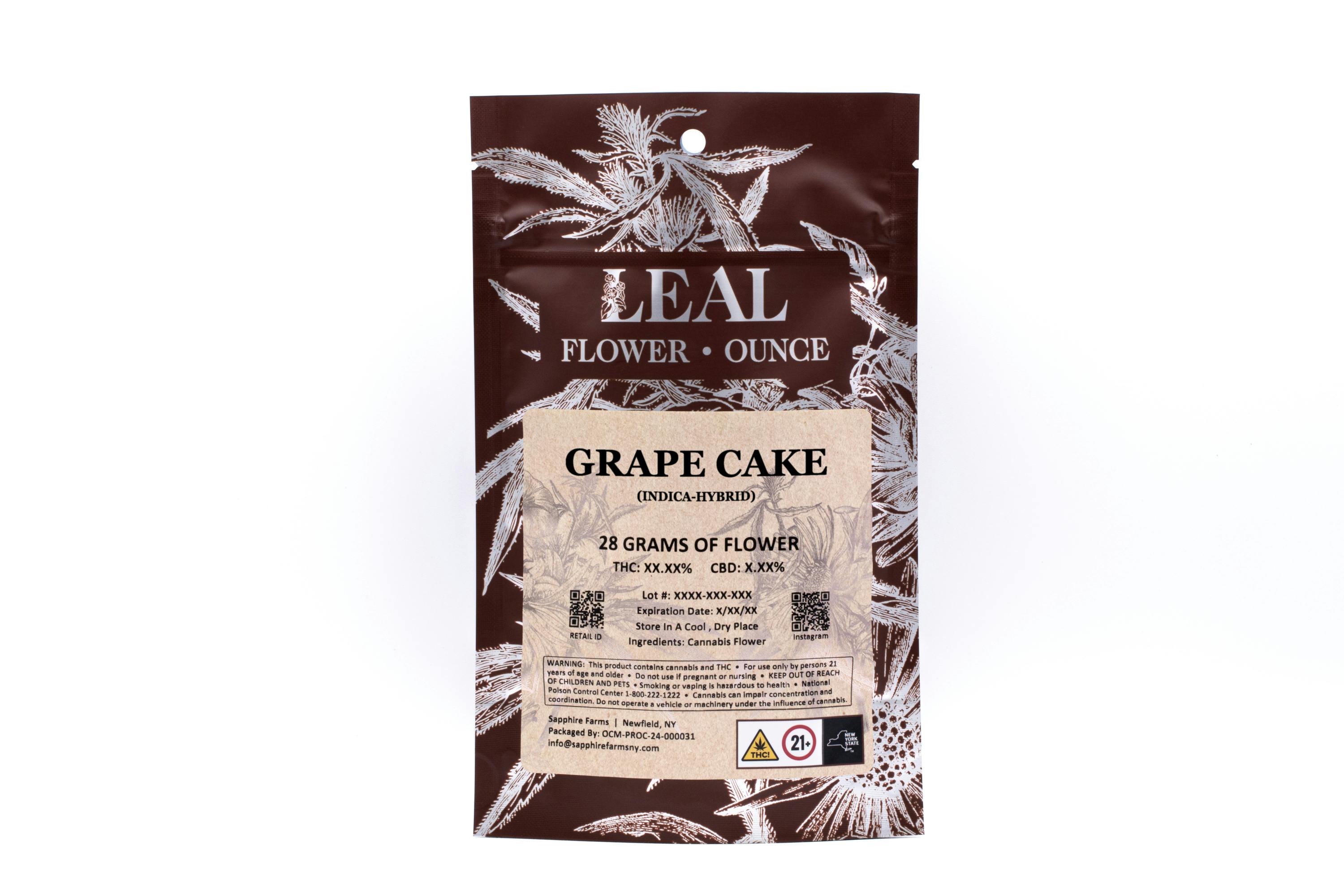
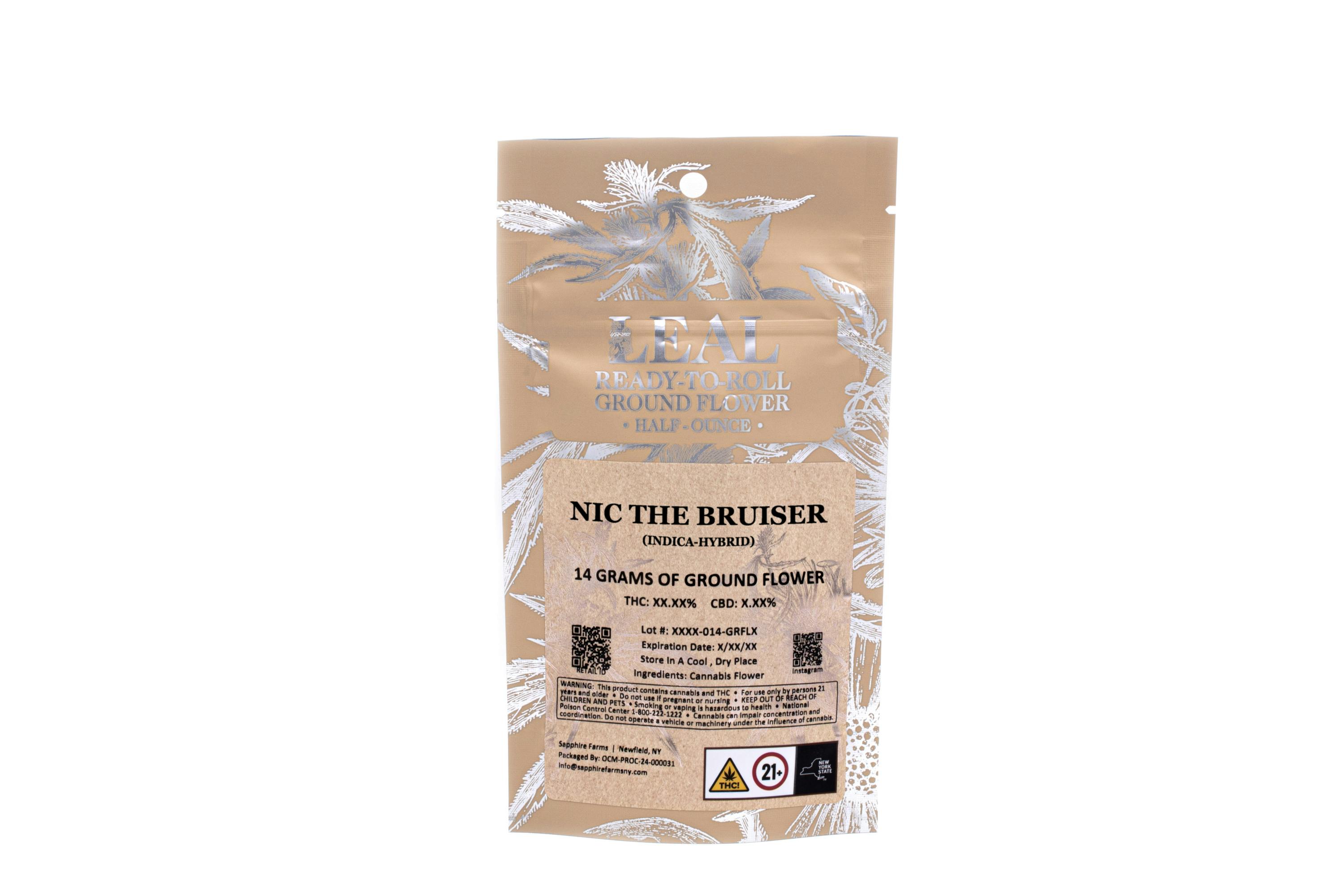
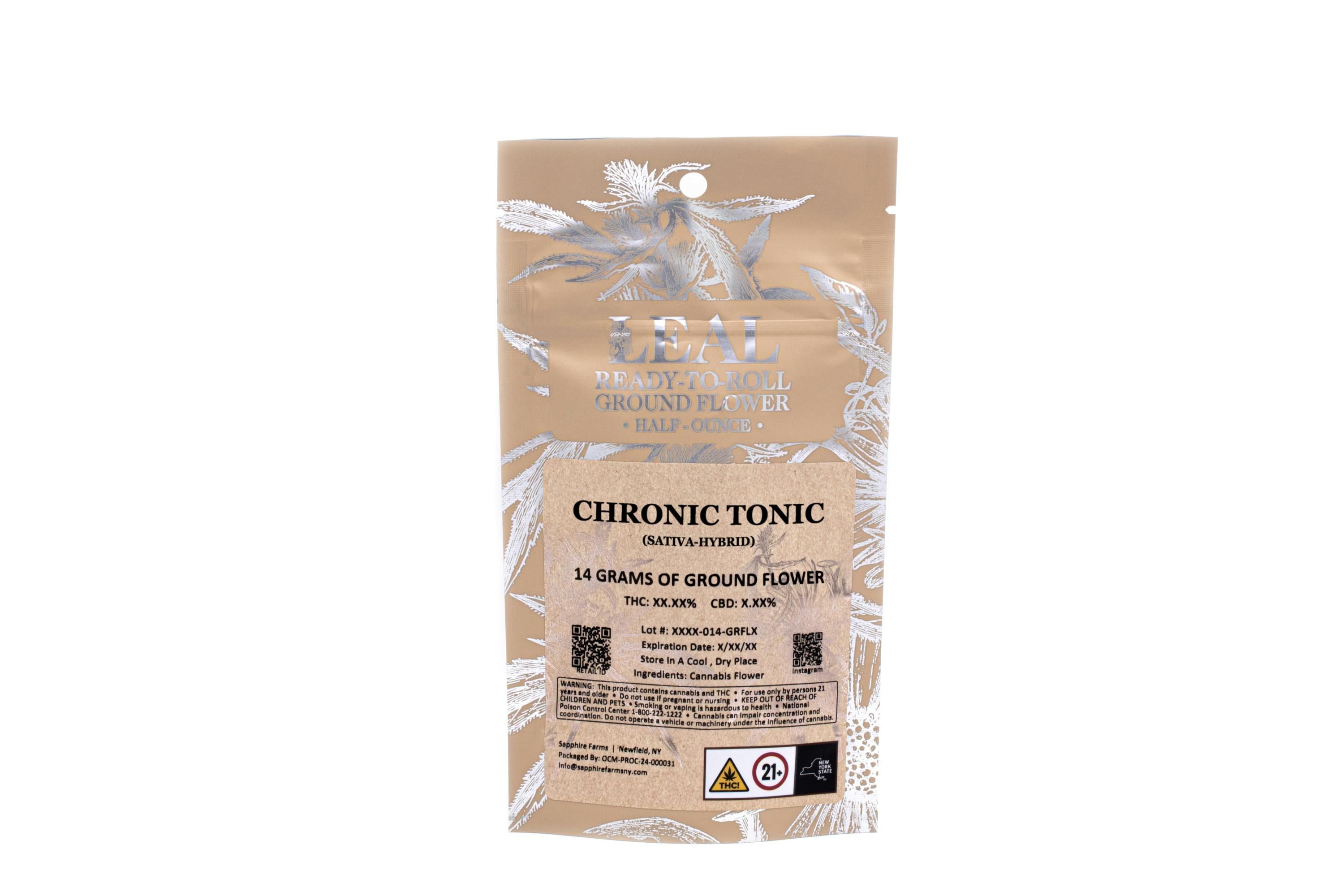
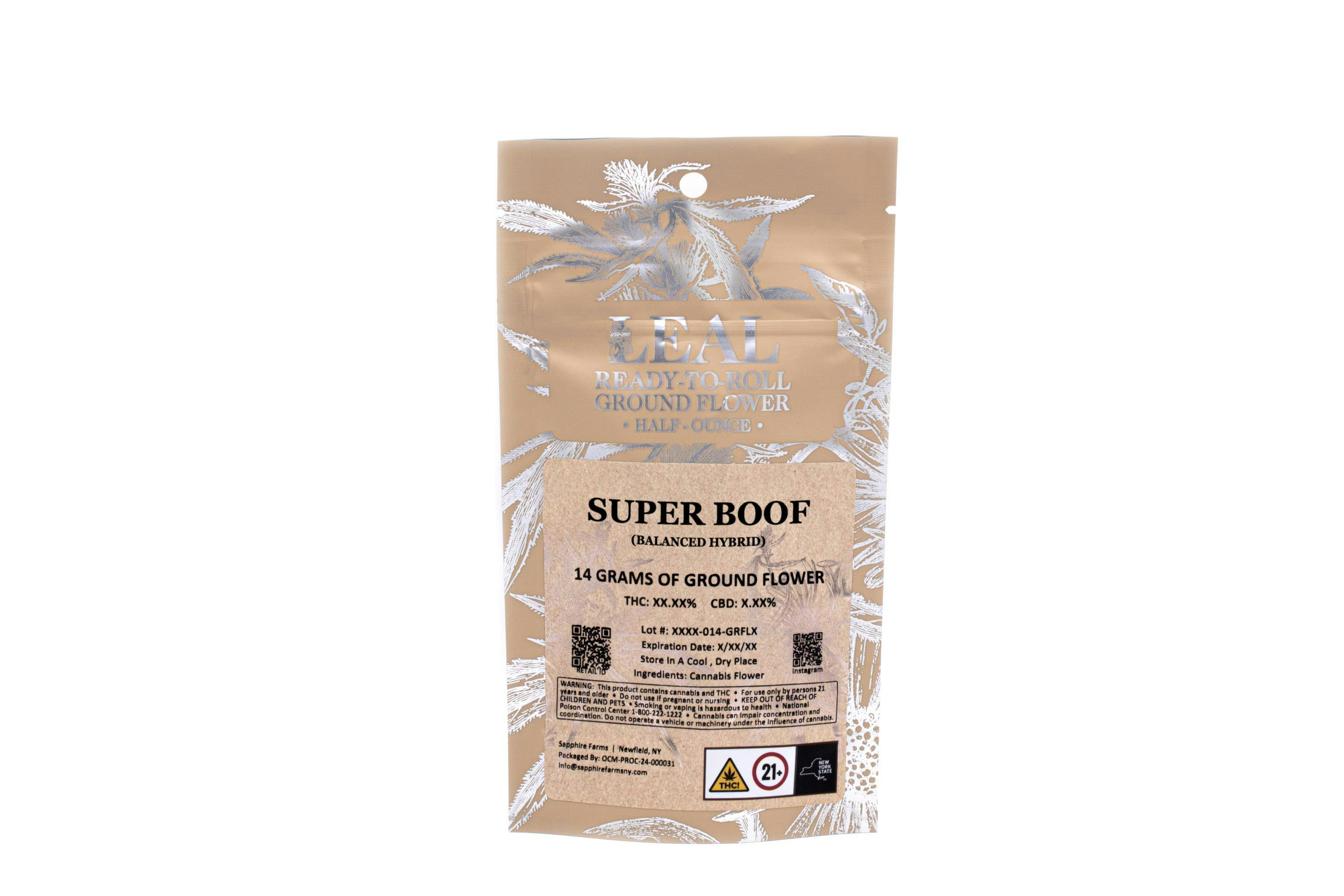
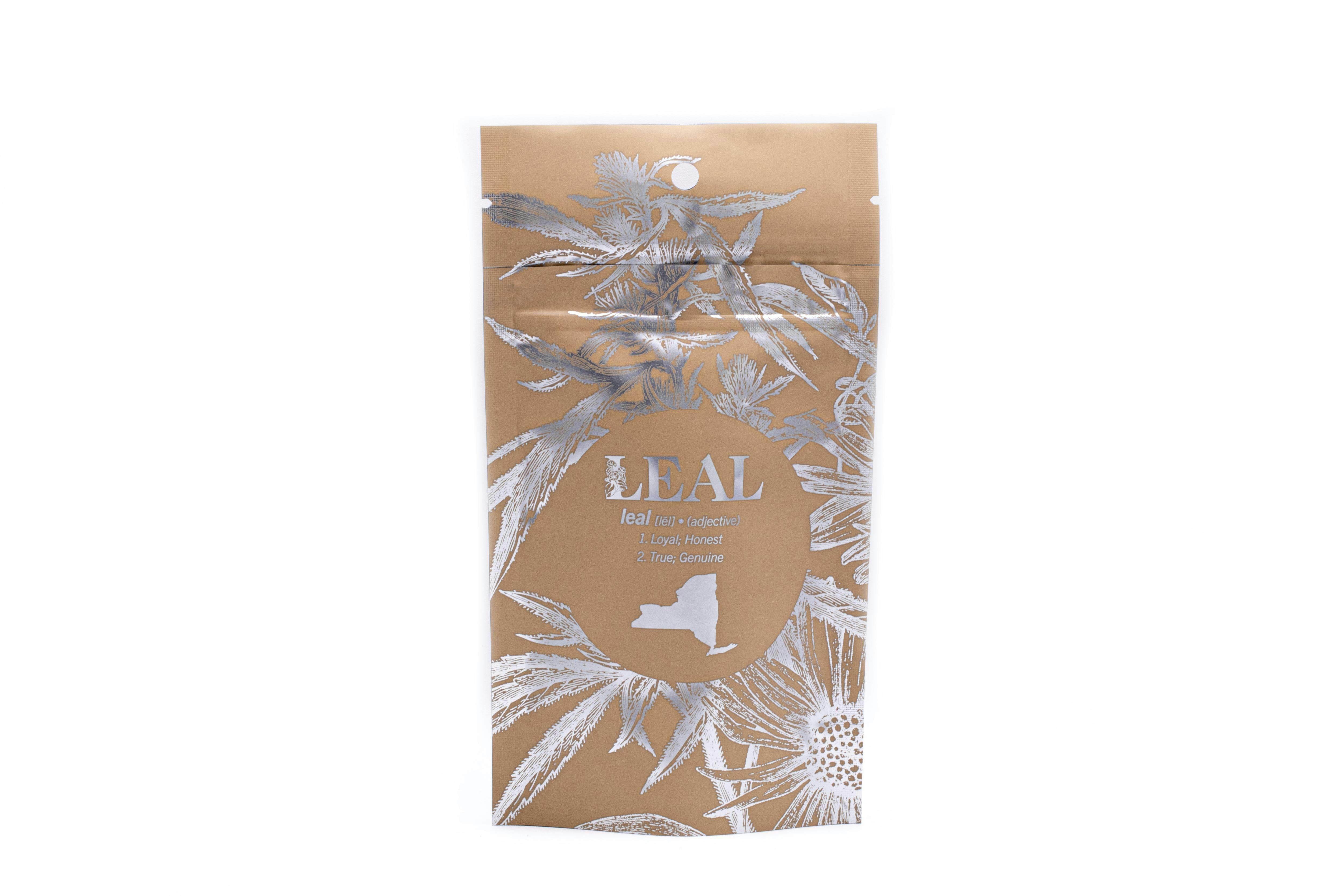
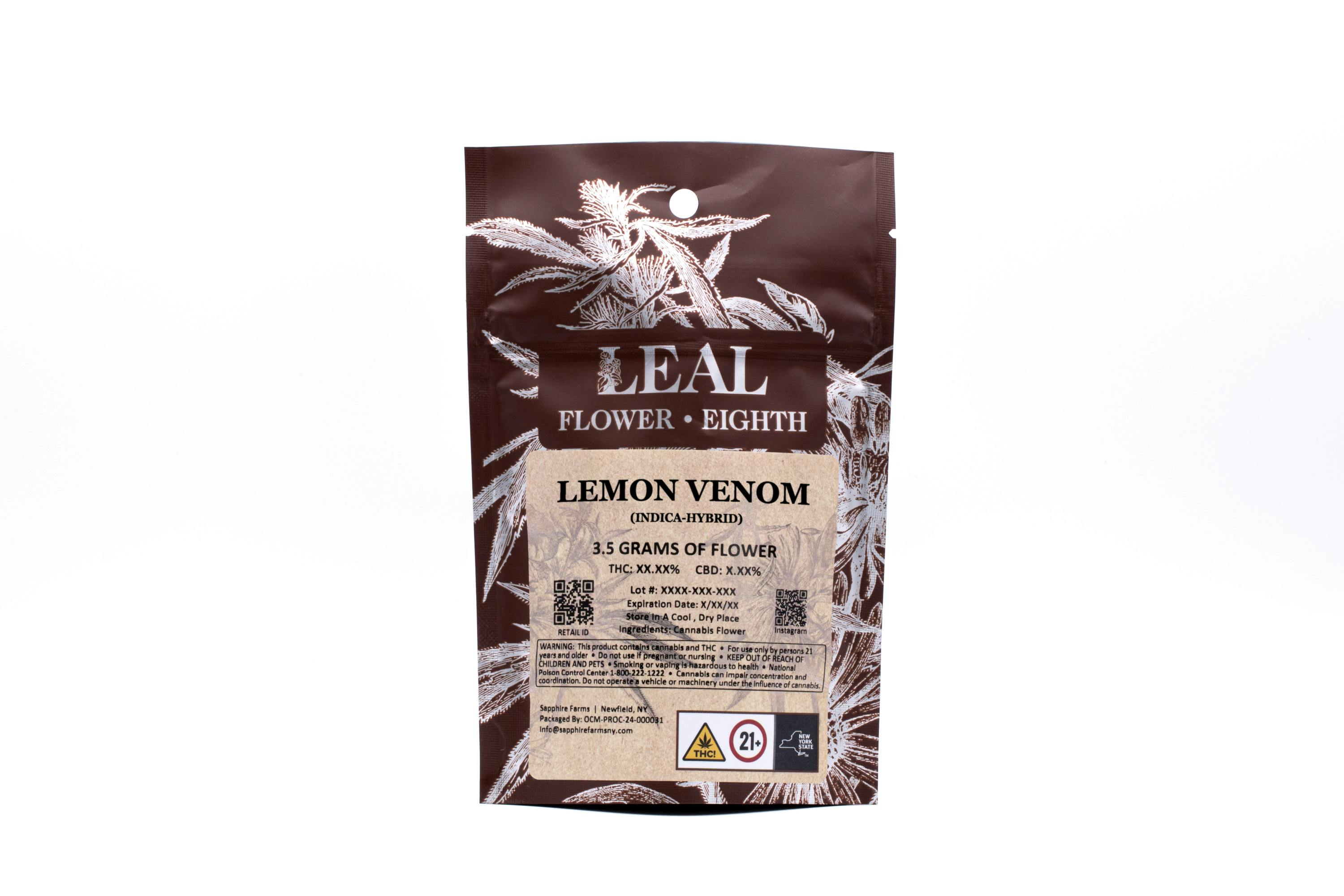
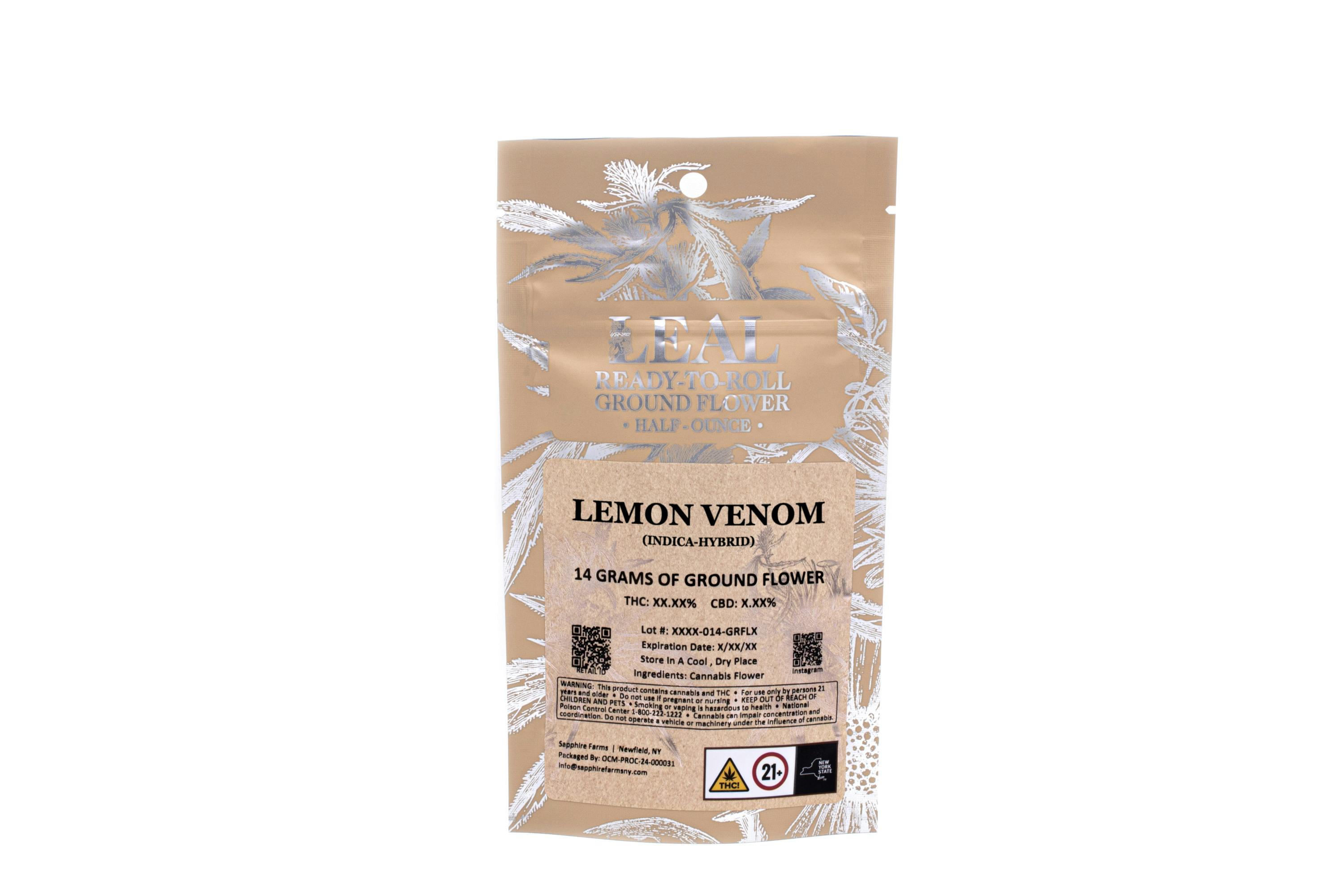
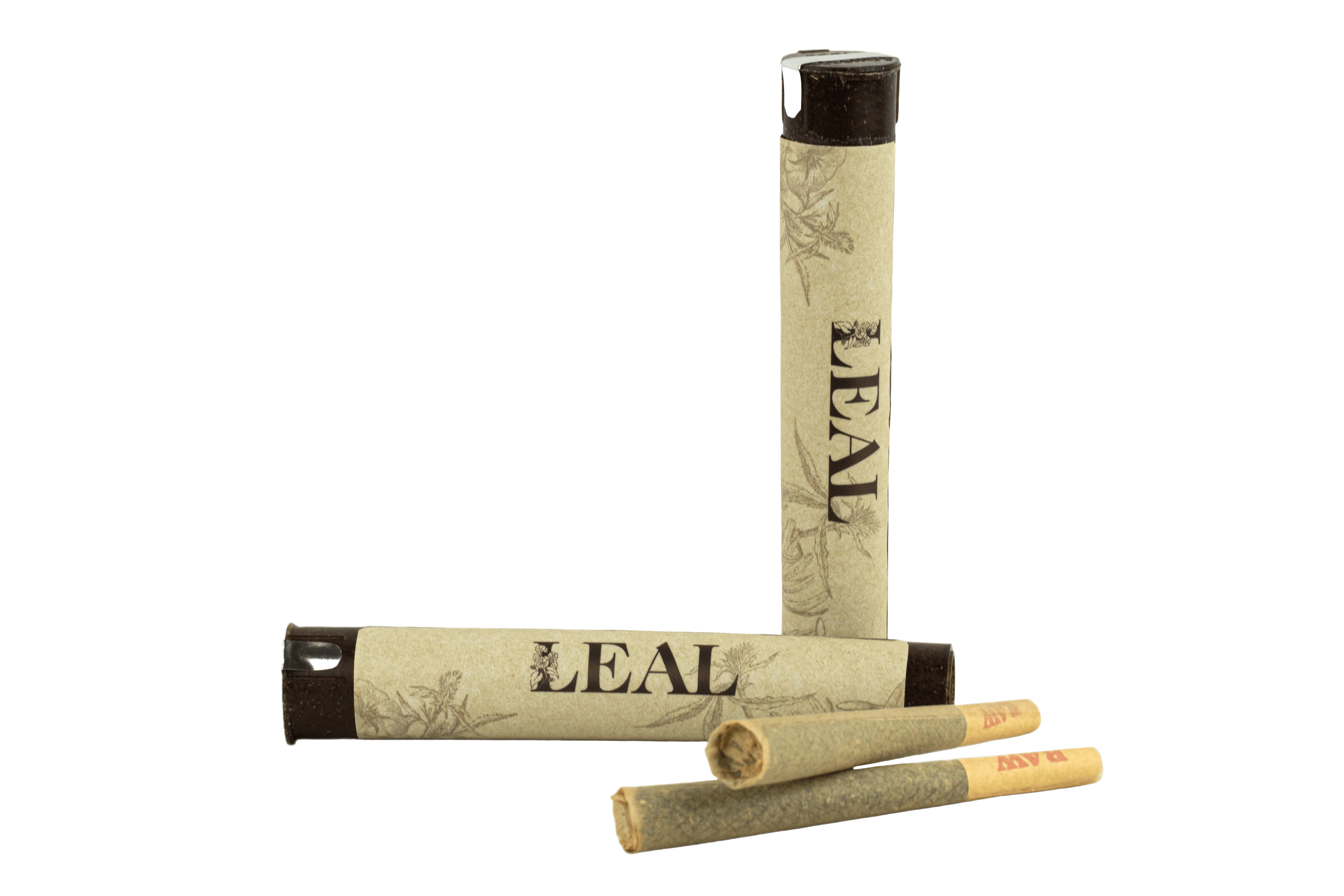
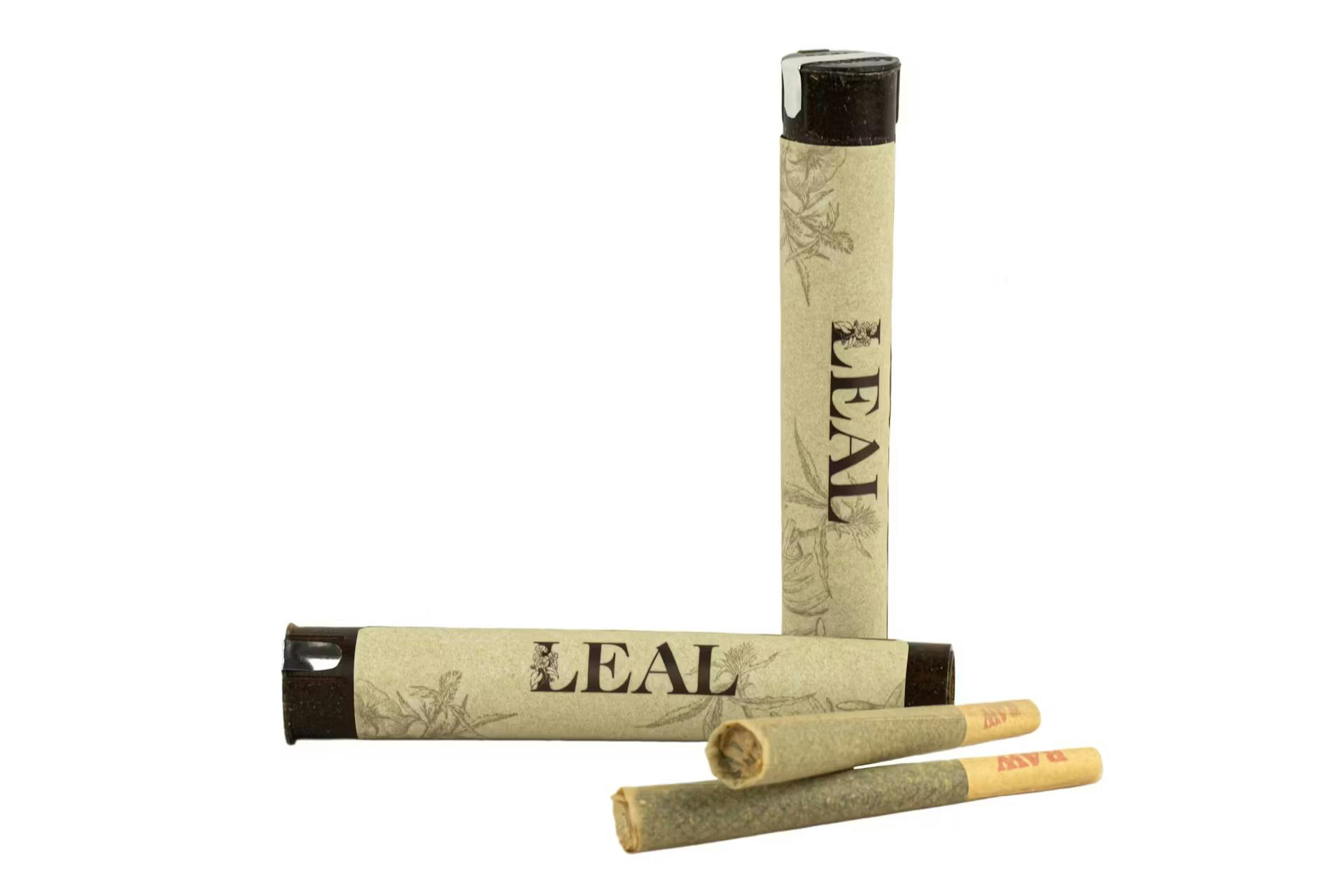
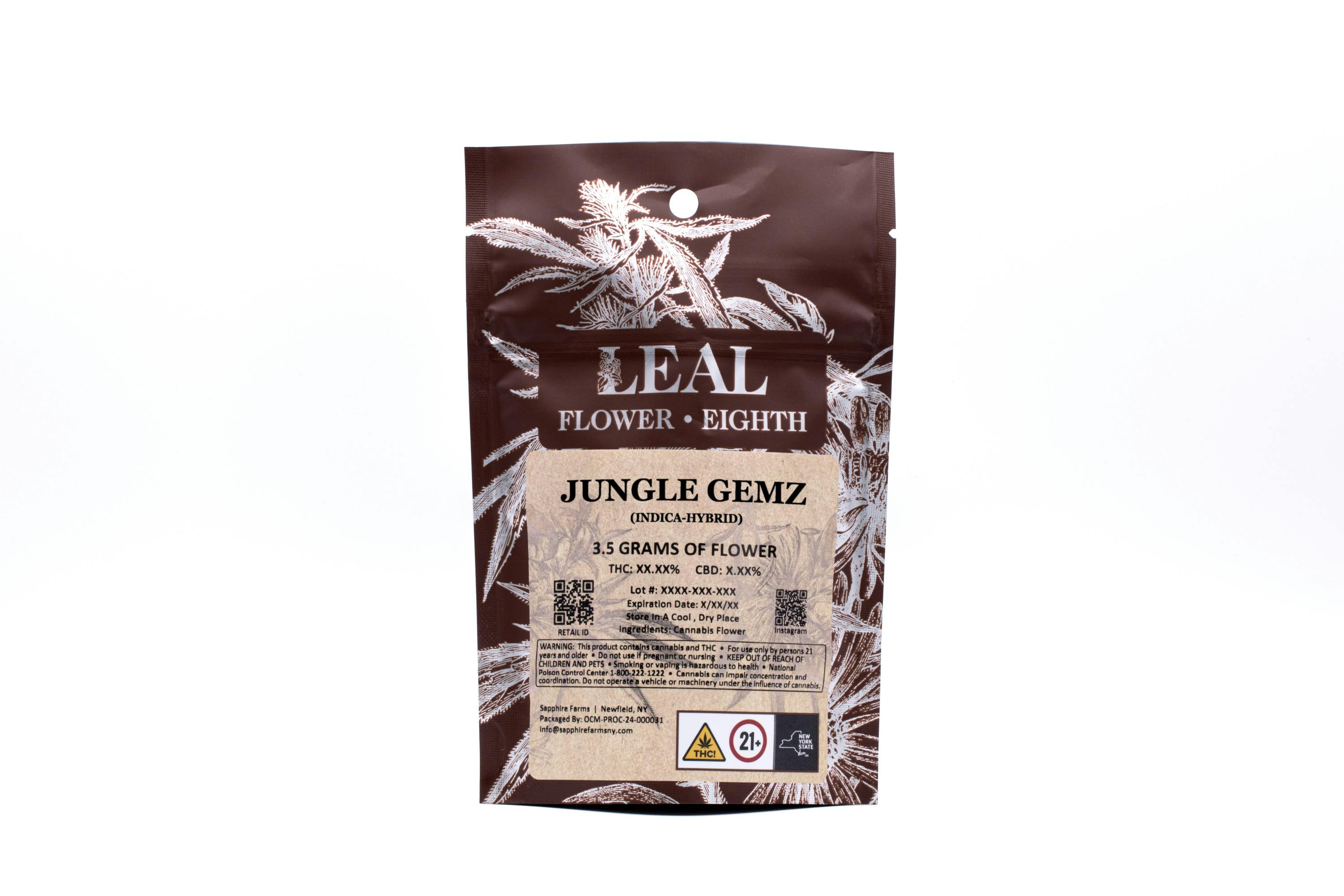
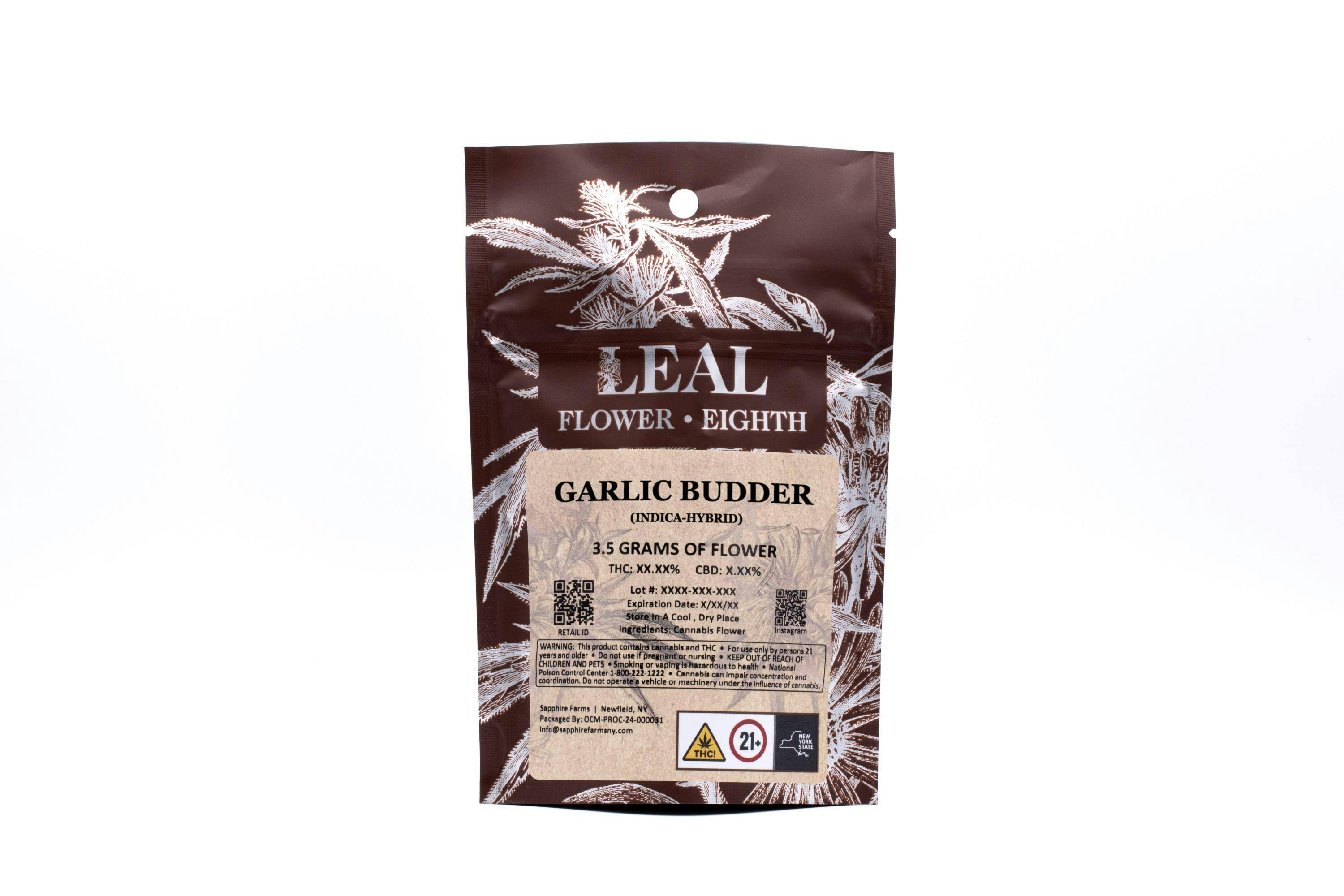
Leal's visual language is understated and purposeful — consistent with a brand that prefers certification documentation to bold graphic claims. Packaging tends toward clean, restrained typography with earthy or neutral palettes that signal a farm-forward sensibility rather than the streetwear-adjacent graphics that dominate much of the recreational flower market. There are no mascots, no loud colorways, and no ironic retro references; the design vocabulary is closer to a small-batch natural foods brand than a cannabis hype label. The shopper persona Leal speaks to is a considered consumer: someone who may have spent years in the natural grocery aisle checking for USDA Organic seals, who approaches cannabis with the same diligence, and who finds the Certified Kind stamp more persuasive than a celebrity co-sign. In the broader market topology, Leal occupies a prosumer mid-tier to craft position — not the cheapest eighth on the menu, but priced in a range that reflects genuine production costs associated with organic inputs and lower-yield, quality-focused cultivation. It shares shelf-neighbor territory with other values-driven craft growers rather than with volume-oriented house brands.
Cultivation & craft
Leal cultivates cannabis under a philosophy that prioritizes clean inputs and documented growing practices over maximum yield optimization. The brand has obtained Certified Kind certification, a program administered by a third-party auditor that evaluates Integrated Pest Management compliance, prohibits certain synthetic pesticides, and requires growers to demonstrate transparency about what goes onto and into their plants. This is a meaningful distinction in a regulated market: Michigan's state testing protocols catch residual pesticides at threshold levels, but they do not affirmatively certify what was used — Certified Kind fills that gap by auditing inputs proactively. The cultivation environment specifics — whether Leal operates exclusively in greenhouse, hybrid light-deprivation, or full indoor conditions — have not been exhaustively detailed in publicly available trade press as of this writing, and the brand should be consulted directly for current facility specifications. What is documented is the farm's commitment to organic soil amendments and an avoidance of synthetic fertilizers, which influences both the terpene expression of finished flower and the residual ash and smoke character that attentive consumers notice. Curing and drying practices at craft-oriented Michigan farms of this type typically involve hang-drying in climate-controlled rooms for two to four weeks, though Leal's specific cadence has not been published in verifiable detail.
What to try first
Leal's entire commercial footprint in the New York market, at the time of this writing, sits within the flower category — meaning the cultivated, cured whole or ground cannabis bud is both the brand's calling card and its primary vehicle for communicating quality. The flower lineup is where the Certified Kind credential does its most visible work: the promise is that what arrives in the jar is the direct, unmediated product of organic growing practice, without the processing intermediary of extraction or infusion that can mask or compensate for input quality. Within flower, Leal is understood in the Michigan market to rotate seasonal or batch-specific offerings that reflect genetic variety rather than locking into a single signature strain-based identity. This approach — prioritizing agronomic quality across a rotating genetic library rather than building consumer recognition around one or two proprietary cultivars — is characteristic of farm-forward growers who let harvest conditions and terroir-equivalent variables guide selection. For New York consumers encountering Leal for the first time, the floor-level promise is flower grown without synthetic pesticides, third-party audited, and positioned for the shopper who considers provenance a primary purchase criterion rather than an afterthought.
When this brand shines
Leal is a brand a shopper reaches for when the occasion calls for confidence in what they are consuming rather than novelty or social signaling. The Certified Kind certification makes it a natural fit for the health-aware cannabis consumer — someone who may have recently transitioned from a legacy-market relationship with an organic-focused grower and wants a licensed-market equivalent that doesn't ask them to accept lower standards in exchange for legality and lab testing. Practically, Leal flower suits a weekend ritual that is deliberate and unhurried: an evening at home, a quiet afternoon, a setting where the act of preparing and consuming flower is itself part of the experience rather than a means to an end. It also presents well as a considered gift for a cannabis-curious friend who would be put off by more overtly commercial packaging but reassured by visible third-party credentials. For the dispensary shopper who lingers at the counter and asks where something was grown and how, Leal provides an answer that holds up to follow-up questions — which, in a crowded flower market, is its own form of luxury.
Provenance
Leal originates from Michigan, where it operates as a licensed cannabis cultivator in one of the United States' largest and most established adult-use markets. Michigan's regulatory framework, administered by the Michigan Cannabis Regulatory Agency, requires grower licensing separate from processor and retailer licensure; Leal holds a cultivation license in that state. The brand's specific licensing registration date in Michigan has not been prominently published in trade press. In New York, Leal is not listed as a New York OCM-licensed cultivator or processor; its flower products are made available to New York adult-use dispensaries through the state's legal wholesale import pathway, which permits out-of-state licensed producers to supply New York licensed retailers under applicable OCM rules. Social-equity ownership status, women-owned designation, or BIPOC-owned certification for Leal have not been publicly disclosed in available trade or cannabis press sources, and the brand has not prominently featured such designations in its public-facing materials as of this writing.
LEAL — frequently asked
Where is Leal cannabis made?+
Leal is a Michigan-based cannabis cultivator. Its flower is grown at its licensed Michigan farm, where it operates under Certified Kind organic certification standards. Products available in New York are cultivated in Michigan and distributed to New York licensed adult-use dispensaries through the applicable interstate wholesale framework permitted under New York OCM regulations.
Is Leal a NY OCM-licensed cannabis brand?+
Leal is not listed as a New York State OCM-licensed cultivator or processor. The brand holds its cultivation license in Michigan. Its flower products reach New York adult-use retailers, including ZenZest, through New York's legal out-of-state wholesale supply pathway. Shoppers can purchase Leal flower at licensed New York dispensaries without issue — the product is fully compliant with state law.
What is Leal best known for?+
Leal is best known for organically cultivated flower and for holding Certified Kind certification — a third-party audited designation that verifies the brand's use of Integrated Pest Management practices and the absence of prohibited synthetic pesticides. In Michigan's competitive market, this certification has been the brand's primary differentiator, attracting consumers who want documented, verifiable organic growing standards rather than unsubstantiated label claims.
What product format should I try first from Leal?+
Leal's current New York menu presence is in the flower category, making whole or ground flower the natural starting point. For a first experience, consider asking a ZenZest associate which batch or variety is currently available, as Leal tends to rotate its genetic offerings by season and harvest. The flower is best appreciated with a clean glass piece or a carefully rolled preparation that allows the terpene profile to express without interference.
What does Certified Kind mean for Leal's cannabis?+
Certified Kind is an independent third-party certification program focused on Integrated Pest Management and organic growing inputs in cannabis cultivation. For Leal, it means an external auditor has reviewed and approved the farm's practices — including what pesticides and fertilizers are used — rather than Leal simply self-declaring organic status. This adds a layer of accountability that standard state lab testing, which checks for residual contaminants after the fact, does not provide on its own.
Is Leal considered a luxury cannabis brand?+
Leal occupies a craft to prosumer mid-tier market position rather than ultra-luxury. Its premium positioning is grounded in agronomic transparency and third-party certification rather than in designer packaging or celebrity association. For consumers who define quality by what goes into the product rather than what surrounds it, Leal reads as a serious, values-driven choice — which in the current New York market carries its own form of quiet prestige.
Who owns Leal cannabis?+
The ownership and founding team behind Leal have not been extensively profiled in major cannabis trade publications such as MJBizDaily, Green Market Report, or Cannabis Wire as of this writing. The brand has characterized itself publicly as a team committed to loyalty and honesty — values embedded in the name itself — but detailed founder biographies or corporate ownership disclosures are not prominently featured in the brand's available public-facing materials.
If you like LEAL, also explore
Sleeping Bear Farms
Another Michigan-origin craft cultivator with a strong regional identity and an emphasis on small-batch, sun-grown or outdoor flower that appeals to the same provenance-conscious consumer.
Canna Provisions
A Massachusetts-based operator known for organic-leaning cultivation practices and clean-label positioning that resonates with the same values-driven flower buyer Leal attracts.
Jesce Horton / LOWD
Shares Leal's commitment to transparency in cultivation sourcing and appeals to consumers who prioritize knowing the grower's philosophy before the strain name.
Florist Farms
A New York-licensed craft cultivator whose sun-grown, small-batch flower and clean-input philosophy mirrors the agronomic integrity that defines Leal's positioning.
Purely Sensi
A brand known for organic and pesticide-conscious cultivation that draws the same label-reading, clean-cannabis consumer who gravitates toward Leal's Certified Kind credential.