
Indica-Hybrid
All strains Tahoe OG
5 live products in stock
Quick answer · What is the Tahoe OG cannabis strain?
Tahoe OG carries the quiet authority of the Sierra Nevada range it was named for — deep, resinous, and unhurried. A storied phenotype of the OG Kush lineage, it delivers a grounded, enveloping warmth that settles into the body with deliberate ease. Its earthy, lemon-pine aroma unfolds like a walk through a rain-soaked conifer forest, and its effects reward patience and intention. For the discerning adult-use consumer seeking stillness, Tahoe OG occupies a singular position in the OG canon.
Shop Tahoe OG · 5 of 5 live products
THC 81.17%·CBD 1.35%Indica-Hybrid
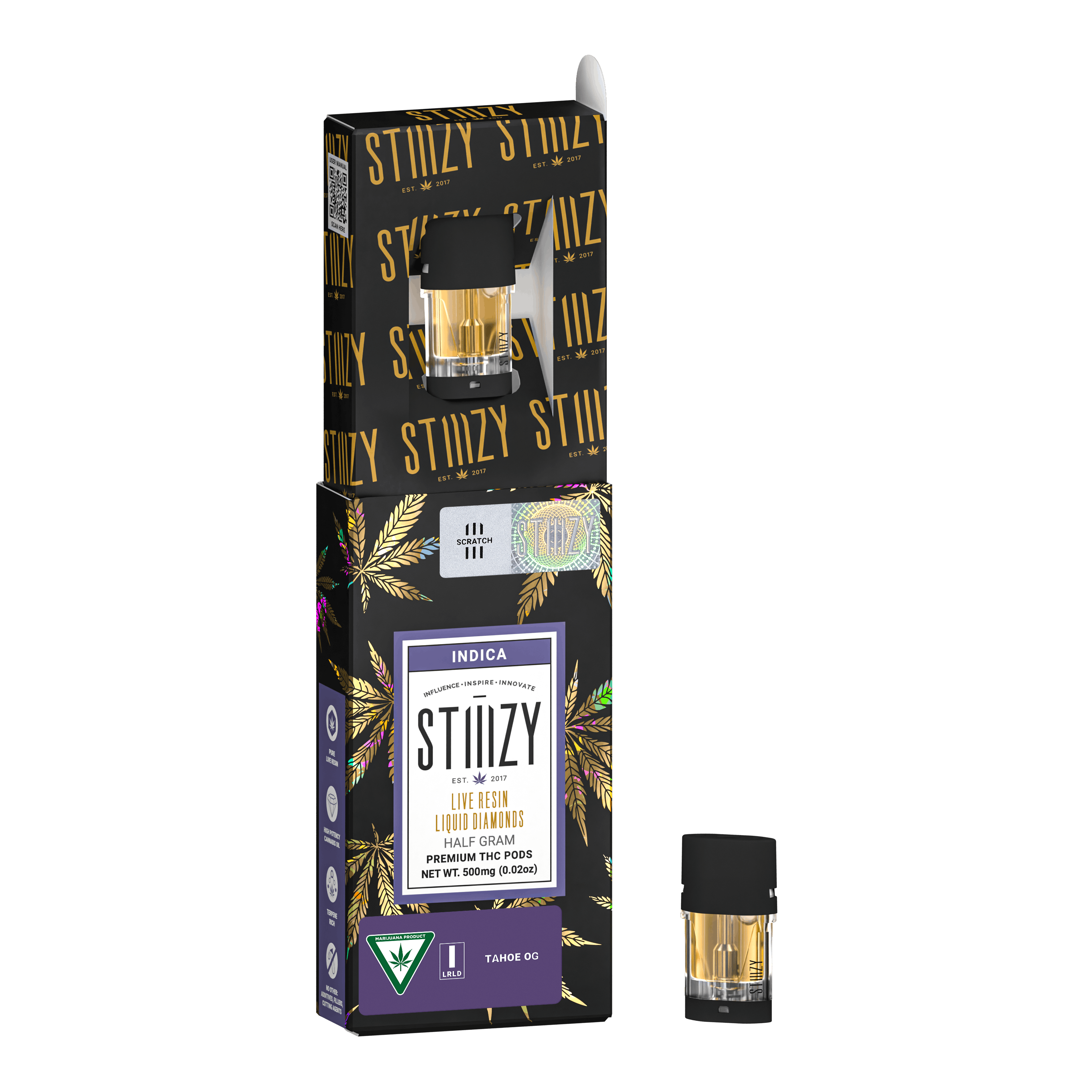
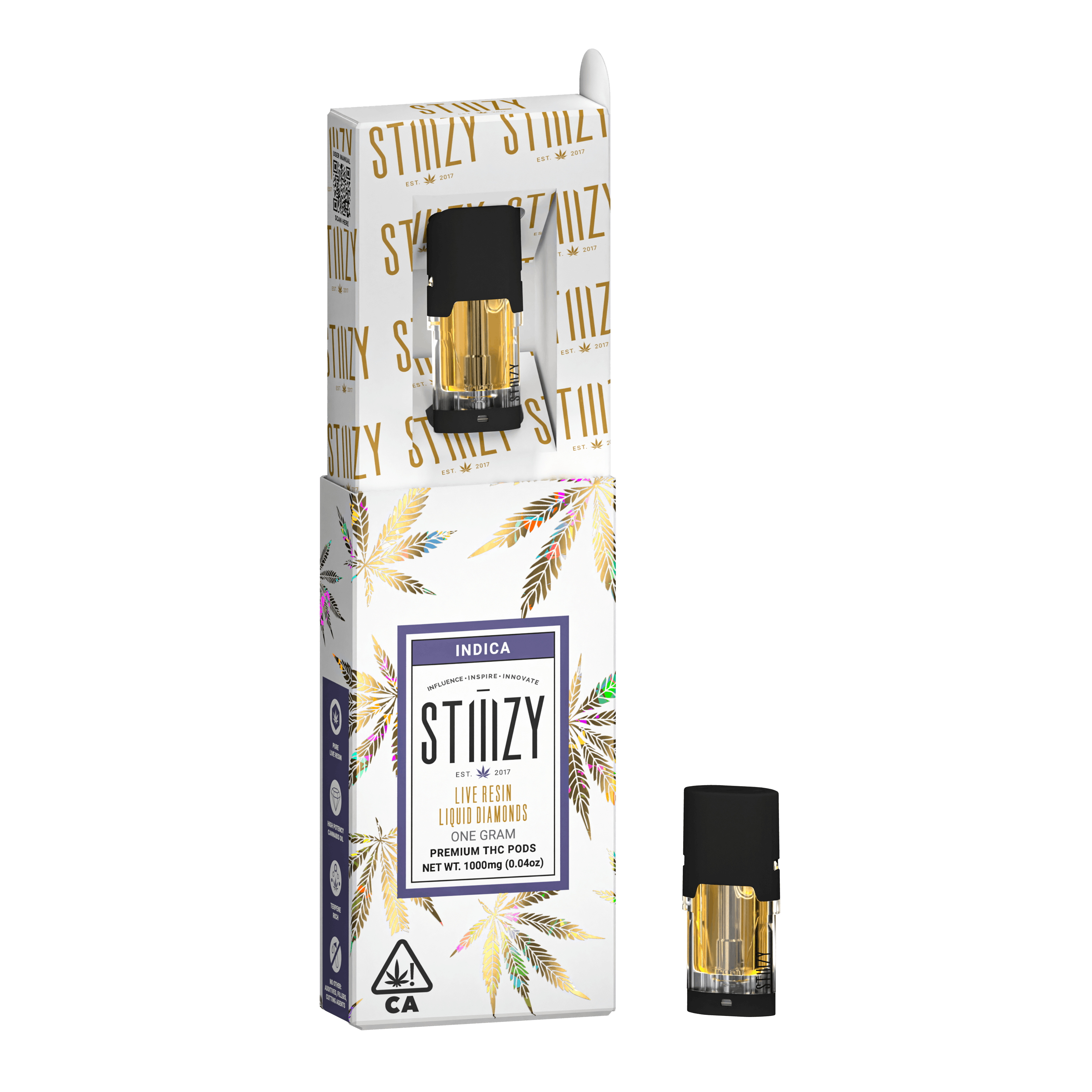
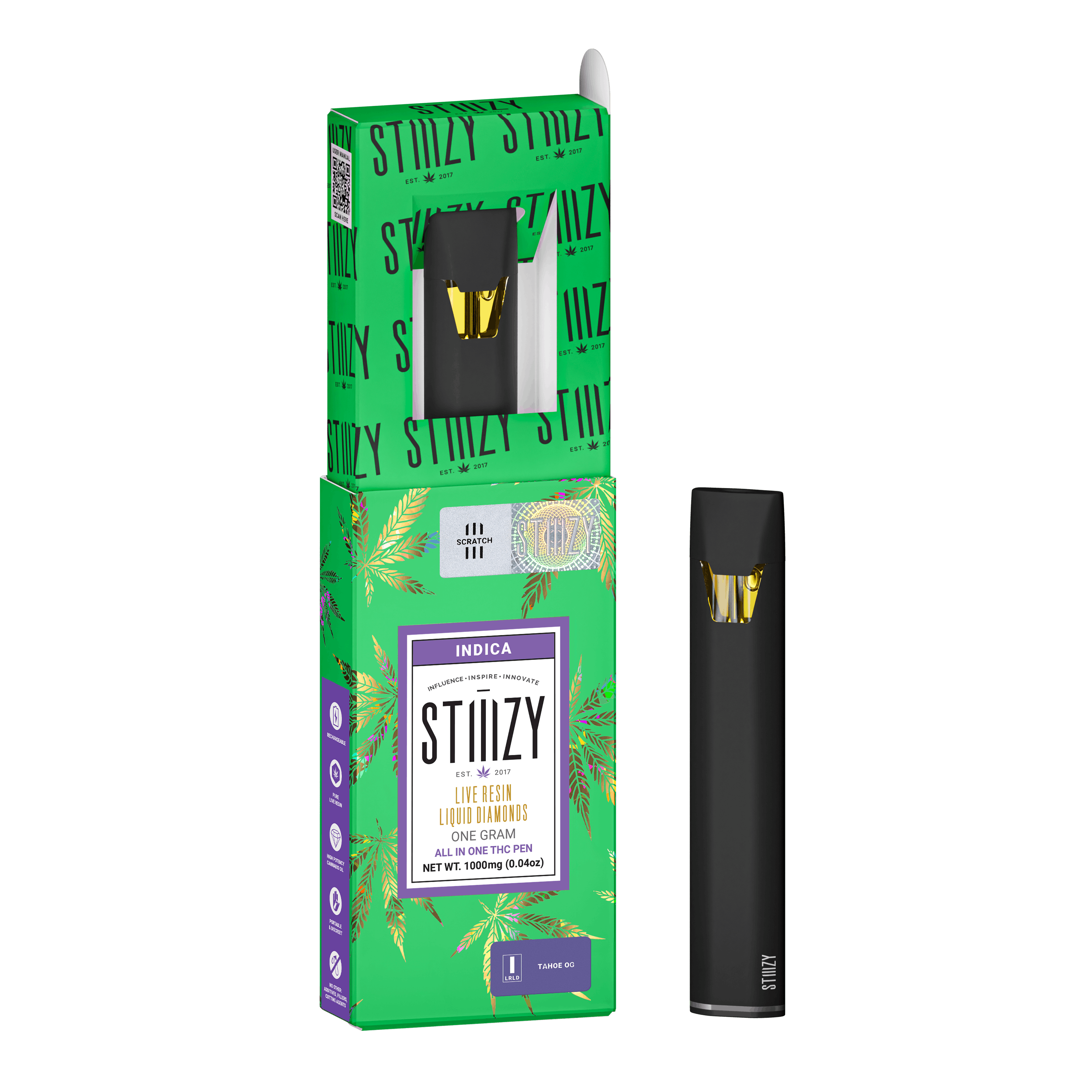
STIIIZYTahoe OG Live Resin Liquid Diamonds All-In-One | 1g · 1g
$47.79
$54after tax
On sale· 20% OFF
THC 43.21%·CBD 0.04%Indica
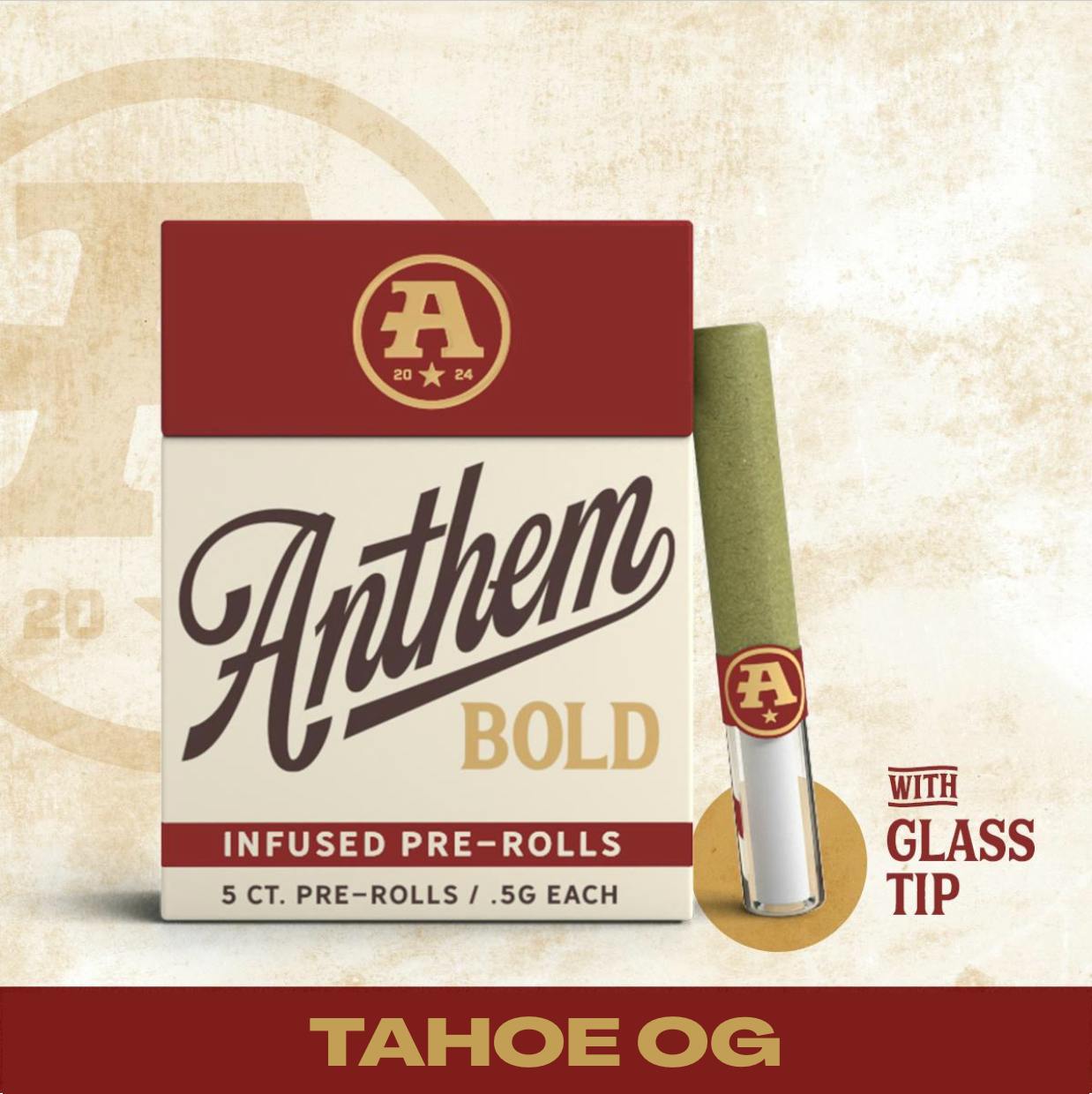
AnthemBold Glass Tip Infused Tahoe OG Pre-Roll pack (o.5g ea | 5-pack) · 0.5g/5pk
$31.86$39.82
$37after tax

About Tahoe OG
Everything to know about Tahoe OG.
Lineage & origin
Tahoe OG is widely credited as a distinct phenotype — and by some accounts a direct descendant — of OG Kush, one of the most consequential strains in modern American cannabis history. OG Kush itself carries debated origins: the most commonly cited account traces it to a cross of Chemdawg with a Hindu Kush and Lemon Thai hybrid, developed in Florida in the early 1990s before being brought to Southern California, where it became foundational to the West Coast market. Tahoe OG's specific regional story places its development in the Lake Tahoe area of Northern California, where it was cultivated and refined during the late 1990s and early 2000s — a period when California's medical market was beginning to formalize. The breeder most consistently associated with Tahoe OG is the California collective known as Ganja Guru, though independent phenotype hunters and regional cultivators have made competing claims over the years. Wherever it was stabilized, the strain distinguished itself from other OG expressions through a notably heavier body character and a more pronounced sedative arc, which made it a regional favorite before it traveled to dispensaries nationwide. Among its well-documented genetic neighbors in the OG Kush family are SFV OG, Fire OG, and Ghost OG — each expressing different facets of the lineage. Fire OG leans into spice and intensity, SFV OG tilts cerebral, while Tahoe OG is most consistently described as the heaviest and most physically anchoring of the three. Seed Banks including Exotic Genetix have carried Tahoe OG cuts that have helped document and distribute the strain more broadly.
Effects
Tahoe OG tends to announce itself within five to fifteen minutes of inhalation — a relatively swift onset for an indica-dominant experience. The first notes are cerebral: a gentle lift in mood and a softening of mental noise that many consumers describe as a clearing of the mental palette rather than a stimulating elevation. This early phase is mild and does not typically carry the anxious edge that some higher-THC sativas can produce. The peak character of Tahoe OG is unmistakably body-forward. As the cerebral layer settles, a weighted physical relaxation spreads through the shoulders, limbs, and lower back, accumulating over the course of thirty to sixty minutes. Myrcene, the dominant terpene in most Tahoe OG expressions, is understood to contribute meaningfully to this sedative, muscle-softening quality. The experience during this phase is one of heavy comfort — couch-lock is frequently reported by consumers who underestimate the cumulative effect. Duration runs on the longer side relative to many indica expressions, with the full arc often spanning two to three hours. The comedown is gradual and rarely disorienting: most consumers report a slow drift toward drowsiness rather than an abrupt descent. Given the strain's potency and physical weight, the widely recommended approach of starting low and moving slowly is particularly apt here — this is not a strain that rewards impatience.
Aroma, flavor & terpenes
The terpene profile of Tahoe OG is anchored by myrcene, caryophyllene, and limonene, with secondary notes of pinene appearing in well-grown specimens. Myrcene, the most abundant terpene in many cannabis cultivars and one of the most studied, brings an earthy, musky, and faintly tropical quality to the aroma — the olfactory foundation that gives Tahoe OG its forest-floor depth. It is also associated with sedative and muscle-relaxing properties in the broader terpene science literature, aligning with the strain's body-dominant effect profile. Caryophyllene — the only terpene known to interact directly with the body's CB2 receptors — contributes a warm, peppery spice that surfaces most clearly on the exhale. This adds complexity and a faint herbal bite to what might otherwise be a purely earthy bouquet. Limonene brightens the profile considerably, threading a citrus note — closer to fresh lemon peel than sweet citrus — through the earthiness in a way that keeps the aroma from feeling dense or one-dimensional. On the palate, Tahoe OG smoke or vapor opens with the citrus-pine sharpness of limonene and pinene, then deepens quickly into the damp earth and pepper character of myrcene and caryophyllene. The finish is long, resinous, and gently spiced, with a faint woodsy sweetness that lingers. Vapor tends to soften the pepper edge and allow the lemon-pine pairing to read more clearly, making a lower-temperature vaporizer session a rewarding way to appreciate the full aromatic range.
Appearance
Tahoe OG presents as a classically structured indica-dominant bud: dense, compact calyxes that pack tightly into medium-to-large formations. The overall architecture is heavy for its size, reflecting the robust resin production that defines the OG Kush lineage. Trichome coverage is generous and visually striking — a thick, silvery-white frost that coats sugar leaves and buds alike, giving well-cured specimens a frosted, almost luminous quality under direct light. The color palette runs from deep forest green to a slightly muted olive, with occasional phenotypes expressing subtle purple undertones in the deeper leaf tissue, particularly in plants finished at cooler temperatures. Pistils tend toward burnt amber and rust, providing vivid contrast against the pale trichome layer. The overall visual impression is one of density and restraint — not the elongated, open structure of many sativas, but the tight, purposeful architecture of a strain bred for resin and effect over showmanship.
Growing notes
Tahoe OG is generally regarded as a moderately challenging cultivar, suited more to intermediate and experienced growers than to first-time cultivators. It performs well both indoors and in outdoor Mediterranean or temperate climates — the Lake Tahoe region's cool mountain air is considered part of what shaped the phenotype's preferences, and it tolerates mild nighttime temperature drops better than many OG expressions. Indoors, Tahoe OG has a typical flowering window of eight to nine weeks. Yields are considered moderate rather than prolific, a common characteristic across the OG Kush lineage where quality of resin production takes precedence over raw weight. The dense bud structure that makes Tahoe OG so visually appealing also makes airflow management important — humidity control during late flowering is essential to prevent moisture from accumulating in the compact canopy. Outdoor plants can reach harvest readiness in early to mid-October in Northern California's climate zone. The plants tend toward a medium height with strong lateral branching, responding well to low-stress training techniques. For the cultivator-curious consumer, it is worth knowing that the quality of cure has a pronounced effect on the final aroma and effect experience of Tahoe OG — slow, careful drying and curing is widely cited by cultivators as essential to the strain reaching its full potential.
When it's best enjoyed
Tahoe OG is most at home in the later hours of the day, when the obligations of work and social performance have receded and a slower pace feels not just permissible but welcome. It is fundamentally a solitary or intimate strain — one that rewards quiet environments over loud, stimulating ones. The combination of its sedative body effect and its gentle mood elevation makes it well suited to unwinding after physically demanding days, or to long, thoughtful evenings spent reading, listening to music, or simply doing less. For food pairings, Tahoe OG's earthy, lemon-pine terpene profile aligns naturally with dishes that carry similar elemental quality: roasted root vegetables, aged cheeses with a mineral character, or a simple pasta with brown butter and sage. In music, the strain pairs intuitively with unhurried, textured listening — late Miles Davis, classical chamber music, or the slower end of ambient and jazz. The experience it offers is less about inspiration and more about presence — a deliberate settling into the immediate moment that the best evenings are made of.
If you like Tahoe OG, also explore
SFV OG
A fellow OG Kush phenotype from California, SFV OG shares the lemon-earth terpene backbone and OG lineage but leans slightly more cerebral, making it a natural companion for consumers who appreciate Tahoe OG's aroma and want a modestly lighter body effect.
Fire OG
Another prominent OG Kush descendant, Fire OG delivers a similarly intense and long-lasting experience with a spicier, more aggressive terpene character — a logical next step for Tahoe OG enthusiasts seeking greater complexity and edge.
Ghost OG
Ghost OG shares the dense resin production, pine-citrus aroma, and deeply relaxing body effect of Tahoe OG, while typically expressing a slightly cleaner, more citrus-forward finish that appeals to fans of the OG family's aromatic range.
Bubba Kush
For consumers drawn to Tahoe OG's heavy, enveloping body sedation and earthy depth, Bubba Kush offers a similarly grounding experience with a richer coffee-and-chocolate aromatic profile layered over the expected hash earthiness.
Skywalker OG
A cross of Skywalker and OG Kush, Skywalker OG mirrors Tahoe OG's indica-dominant weight and resinous quality while adding a subtly sweeter, more herbal dimension that broadens the palate without sacrificing the sedative body arc.
Common questions
Is Tahoe OG indica or sativa?+
Tahoe OG is classified as an indica-dominant strain, descending from the OG Kush lineage. Its effects are consistent with that classification — the experience tends toward physical relaxation, a gradual body heaviness, and a calming rather than energizing character. Most consumers and databases, including Leafly, categorize it firmly on the indica end of the spectrum, though all cannabis experiences are shaped by individual biology and consumption approach.
What does Tahoe OG taste like?+
Tahoe OG carries a complex, layered palate defined by its dominant terpenes: myrcene, caryophyllene, and limonene. On the inhale, the flavor reads as earthy and lemon-pine — similar to a walk through a damp conifer forest. On the exhale, a warm peppery spice from caryophyllene surfaces alongside a resinous, woody sweetness. The overall taste profile is grounded and savory rather than sweet, with a long, lightly spiced finish that is characteristic of the OG Kush family.
What are the typical effects of Tahoe OG?+
The experience typically begins with a gentle mood lift and mental quieting within five to fifteen minutes, followed by a progressive, weighted body relaxation that becomes the dominant quality. Tahoe OG is widely noted for producing couch-lock in moderate-to-heavy doses and for its longer-than-average duration of two to three hours. The comedown is gradual and often leads to drowsiness. It is considered one of the heavier OG expressions and is best approached with intention and in a low-stimulus environment.
What strains are similar to Tahoe OG?+
Consumers who appreciate Tahoe OG's earthy, lemon-pine aroma and heavy indica body effect often also enjoy SFV OG, Ghost OG, and Fire OG — all members of the broader OG Kush family that share similar terpene profiles with varying degrees of body weight and cerebral character. For those drawn more specifically to the sedative depth, Bubba Kush and Skywalker OG are frequently cited as comparable experiences with their own distinctive aromatic identities.
Is Tahoe OG good for beginners?+
Tahoe OG is generally considered a strain that rewards a cautious approach, particularly for those newer to cannabis. Its body effects accumulate gradually, which can make it easy to underestimate, and couch-lock or pronounced drowsiness at higher doses can be disorienting for inexperienced consumers. The widely recommended principle of starting with a small amount and allowing sufficient time before considering more is especially relevant here. In a relaxed, familiar setting, however, it can be a welcoming introduction to the indica experience.
What are the dominant terpenes in Tahoe OG?+
The terpene profile of Tahoe OG is most consistently led by myrcene, which contributes its characteristic earthy, musky depth and is associated with sedative qualities. Caryophyllene follows, adding a peppery, warm spice — notably, it is the only common cannabis terpene known to interact directly with CB2 receptors. Limonene provides a brightening citrus counterpoint, while pinene appears as a secondary contributor in well-grown specimens, adding the faint clean sharpness of pine to the overall aromatic picture.
When is the best time of day to enjoy Tahoe OG?+
Given its sedative body character and tendency toward extended duration, Tahoe OG is most naturally suited to evening and nighttime use. Most consumers find it poorly matched to daytime responsibilities requiring alertness, focus, or physical coordination. It fits particularly well into slow, deliberate evenings — a quiet dinner at home, a long listening session, or the hours before sleep when the priority is decompression rather than engagement. The strain rewards setting and intention more than most.
Who is credited with creating Tahoe OG?+
The California collective commonly known as Ganja Guru is most frequently credited with the development and refinement of Tahoe OG as a distinct phenotype, with its roots placed in the Lake Tahoe region of Northern California during the late 1990s and early 2000s. However, as with many storied California strains from that era, competing claims and informal phenotype hunting make a fully definitive attribution difficult. The strain's OG Kush lineage is well-established; the precise stabilization story remains somewhat regional in character.
Related strains