
Hybrid
All strains OG Kush
11 live products in stock
Quick answer · What is the OG Kush cannabis strain?
OG Kush occupies a singular position in the modern cannabis canon — a strain whose name has become cultural shorthand for a particular kind of deliberate, grounding elevation. Originating from the sun-soaked gardens of Southern California in the early 1990s, it carries a complex, resinous character that rewards the attentive consumer. Dense, frost-covered buds and a fuel-laced citrus aroma make it immediately recognizable; its layered, long-lasting effect profile keeps it perpetually relevant on the shelves of any serious dispensary.
Shop OG Kush · 11 of 11 live products
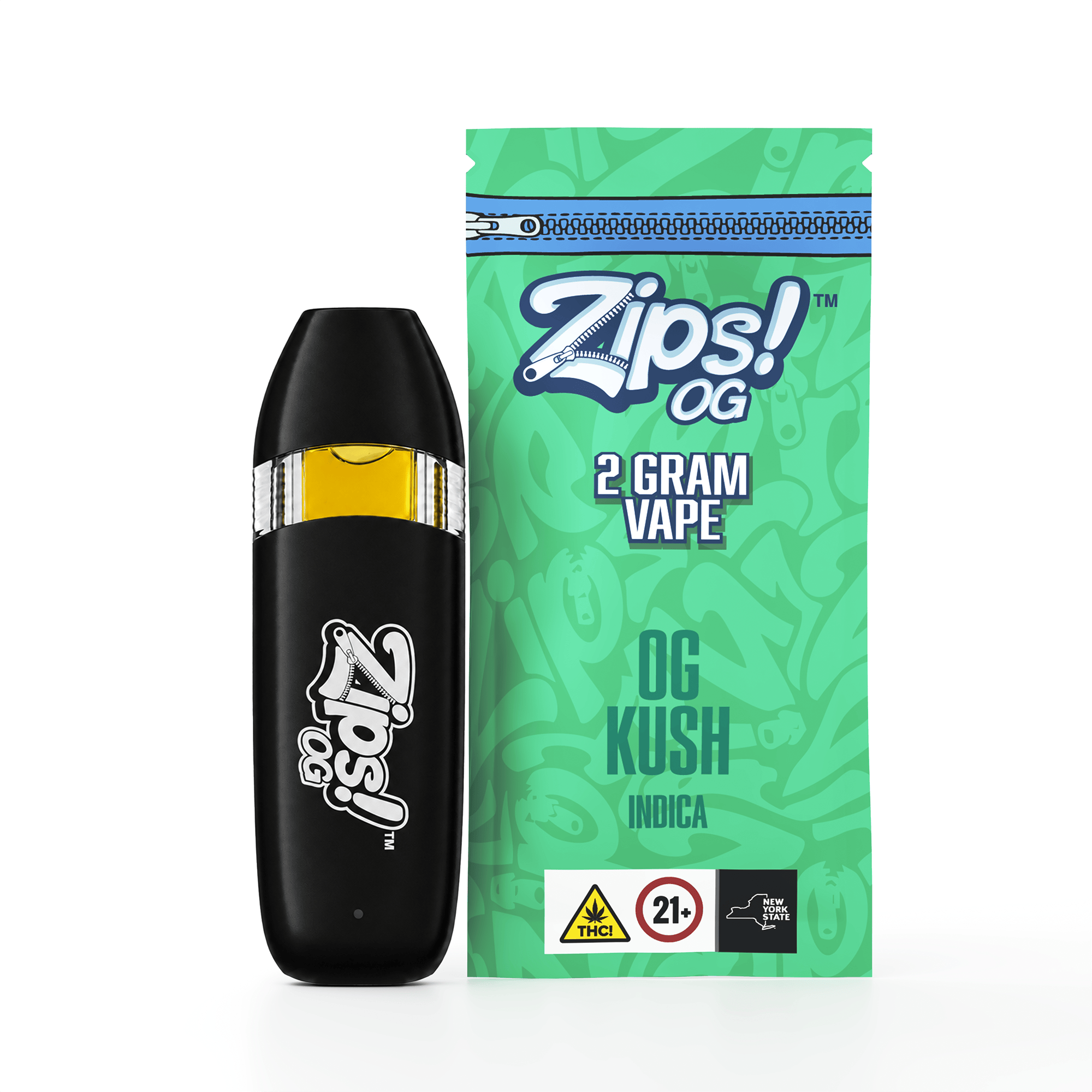
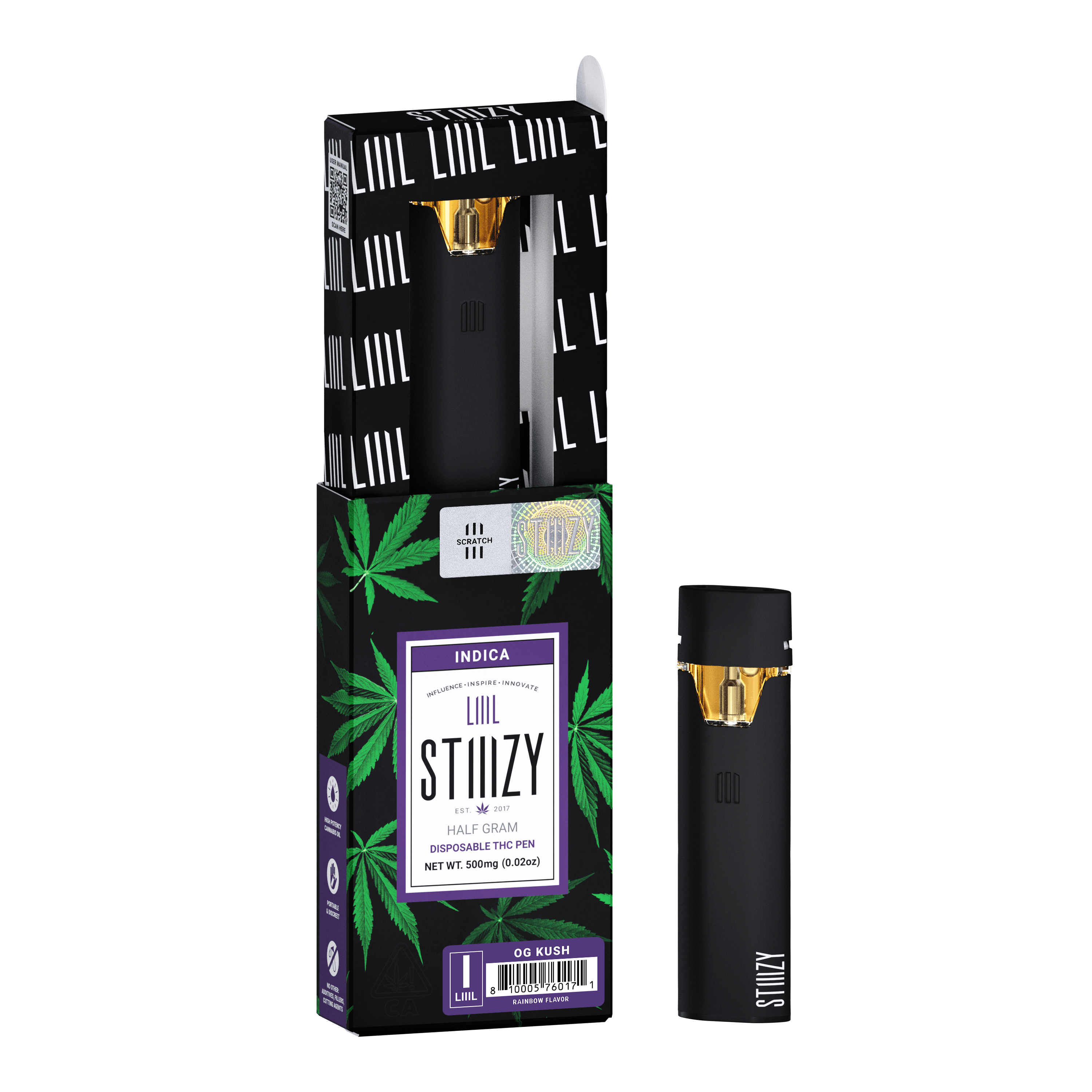
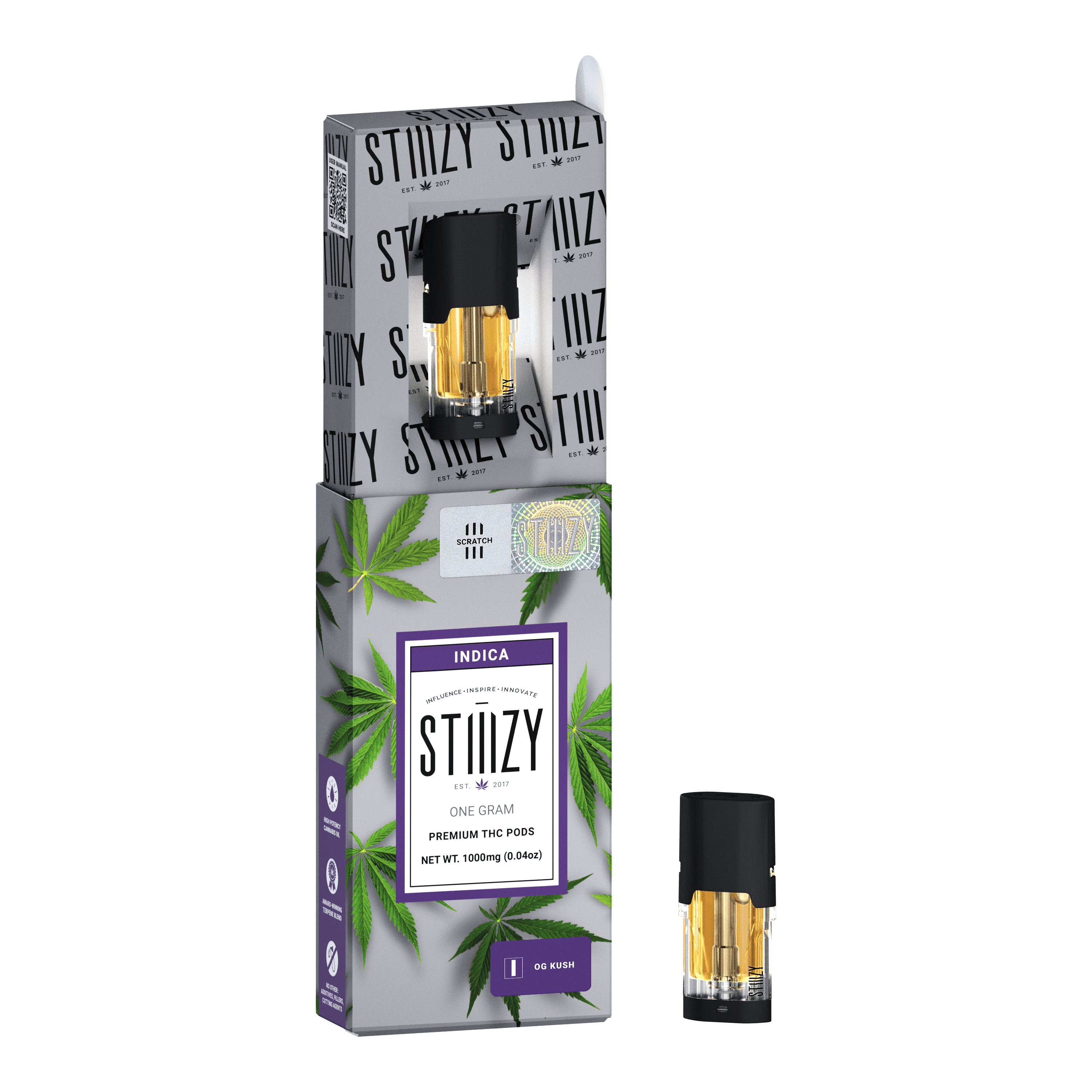
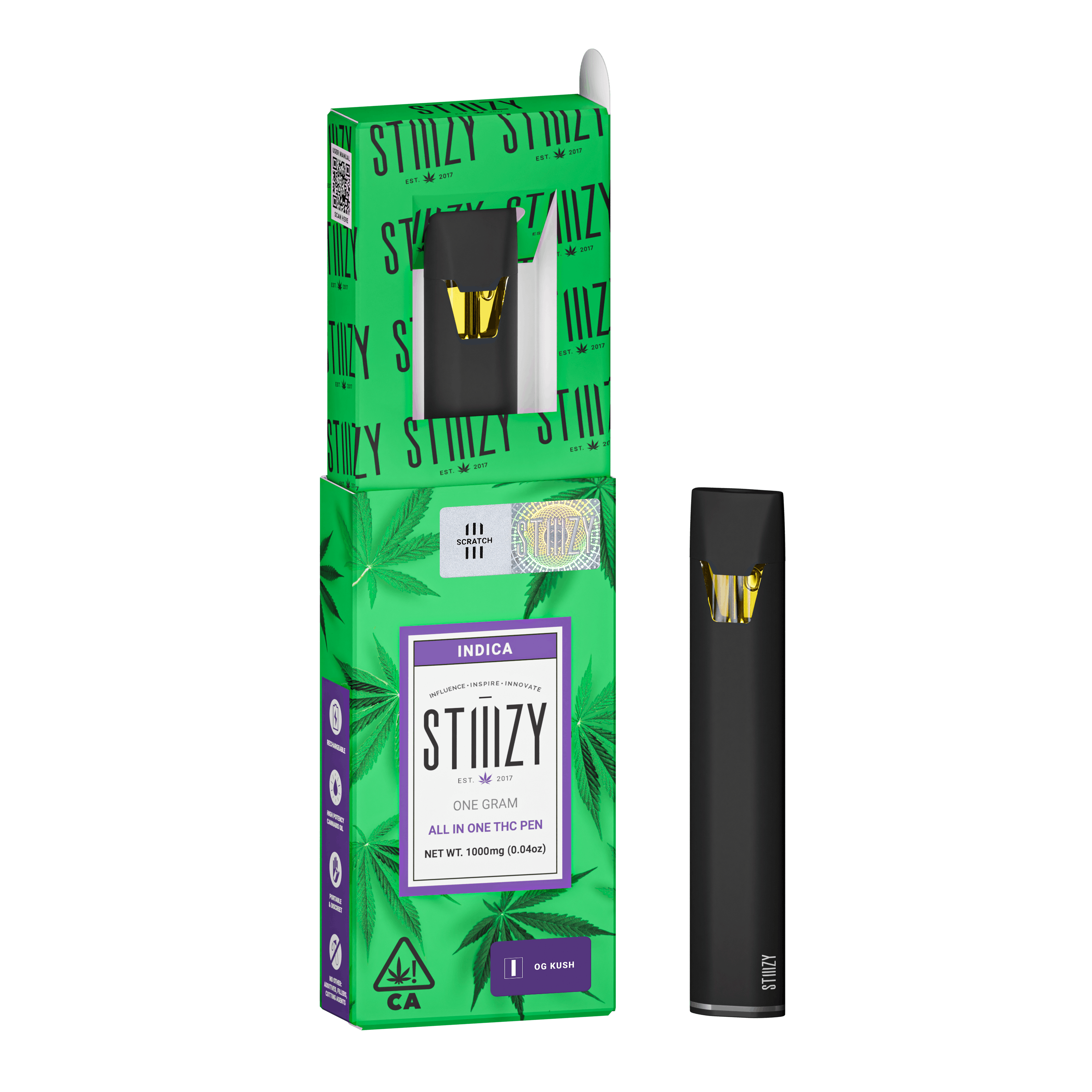
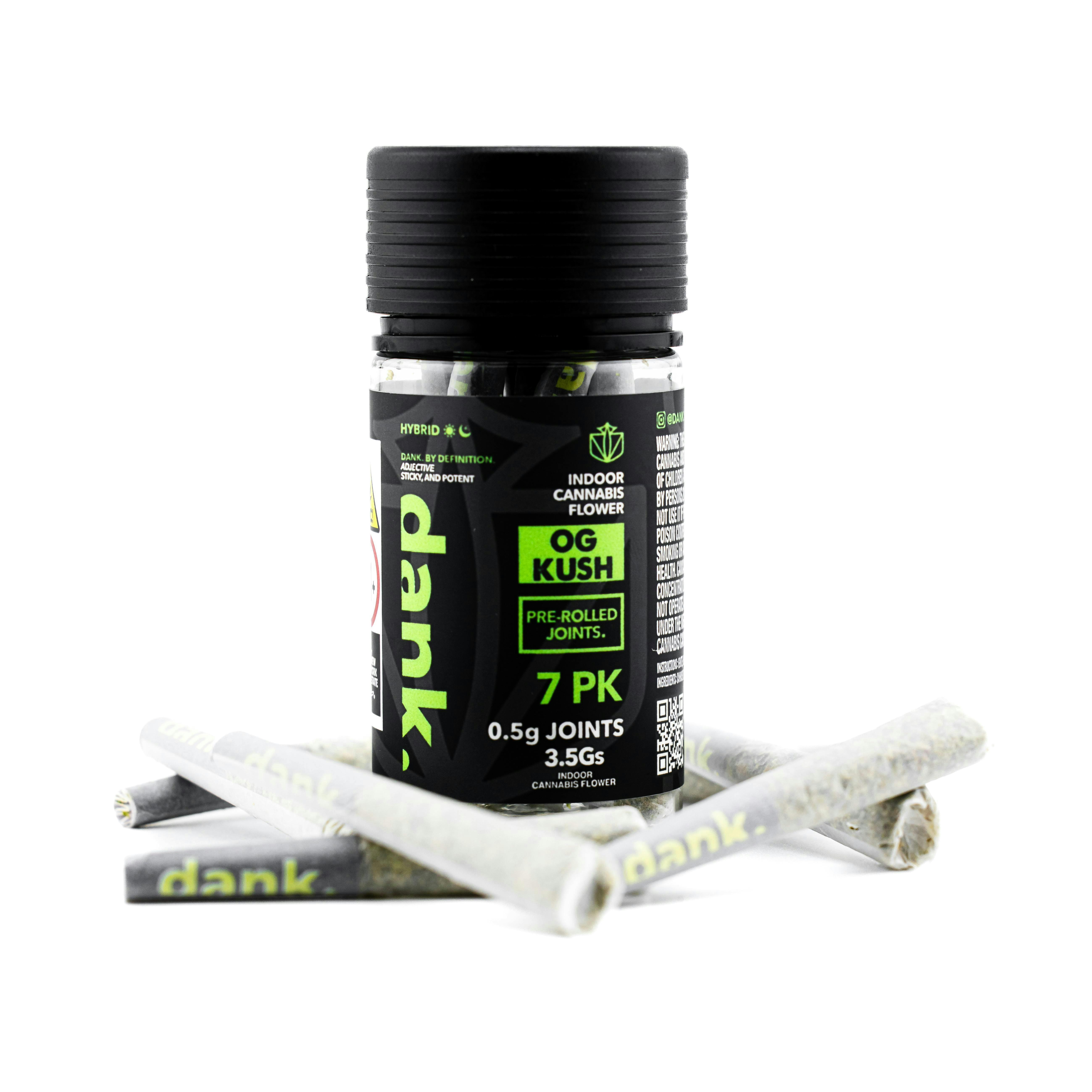
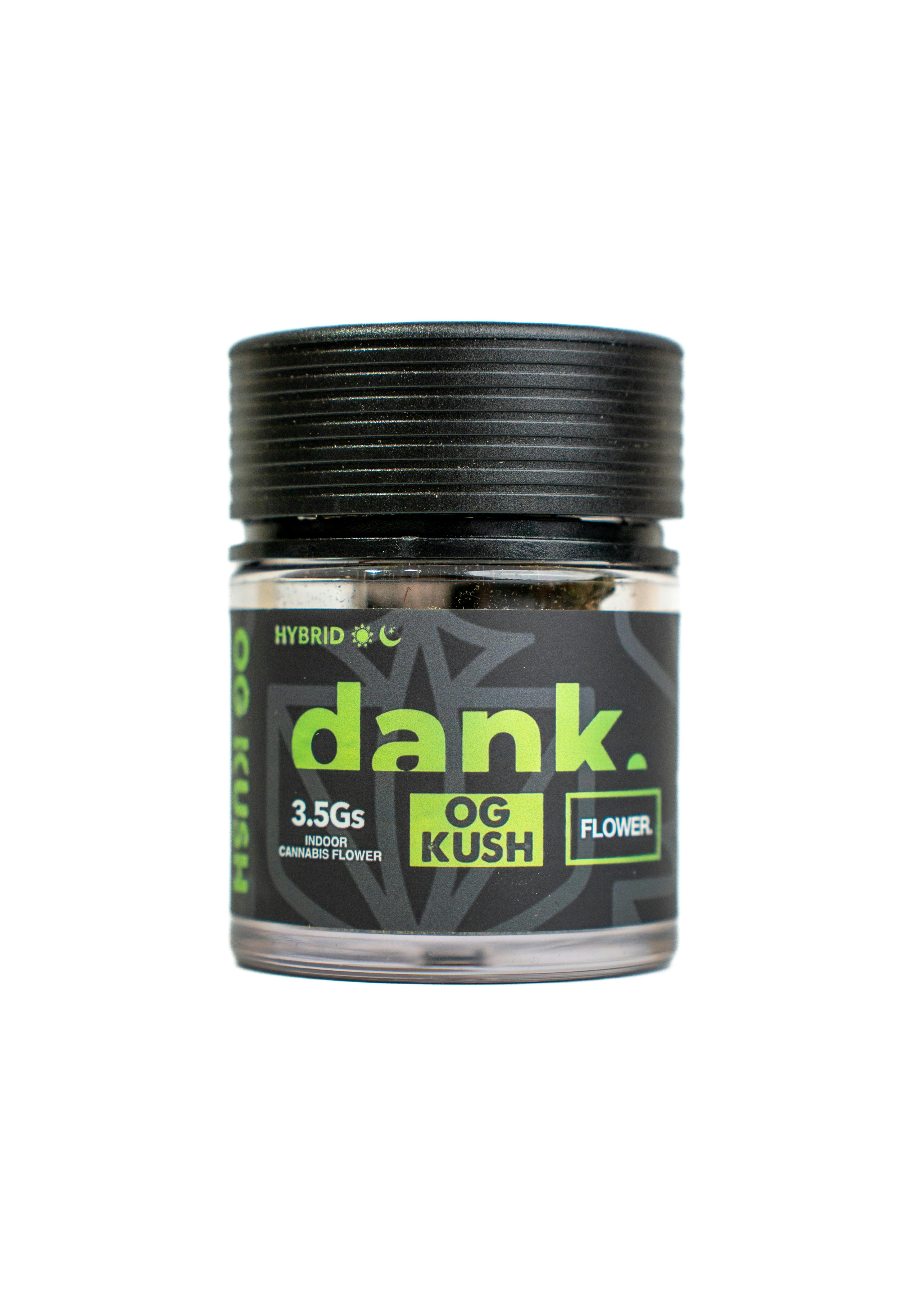
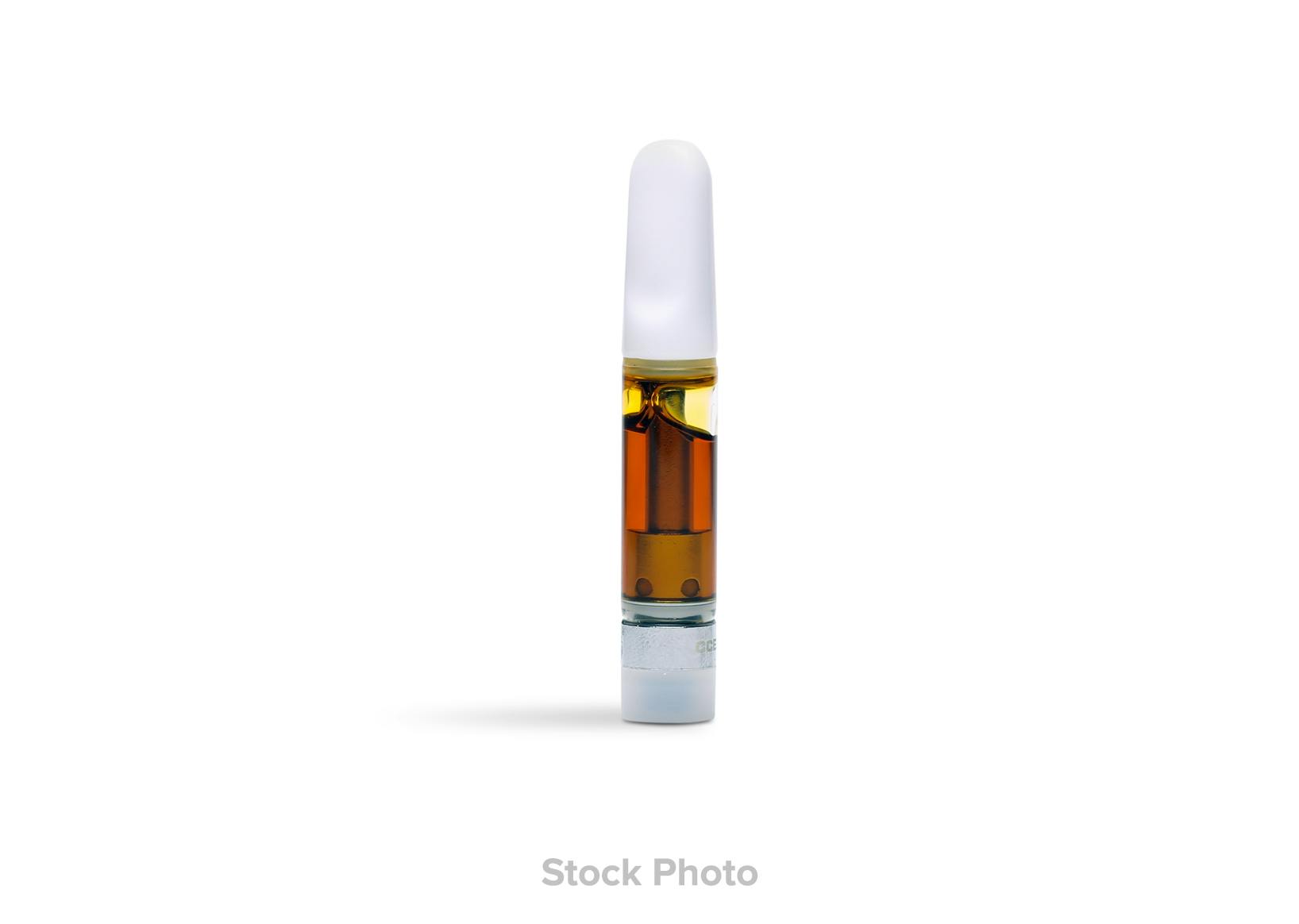
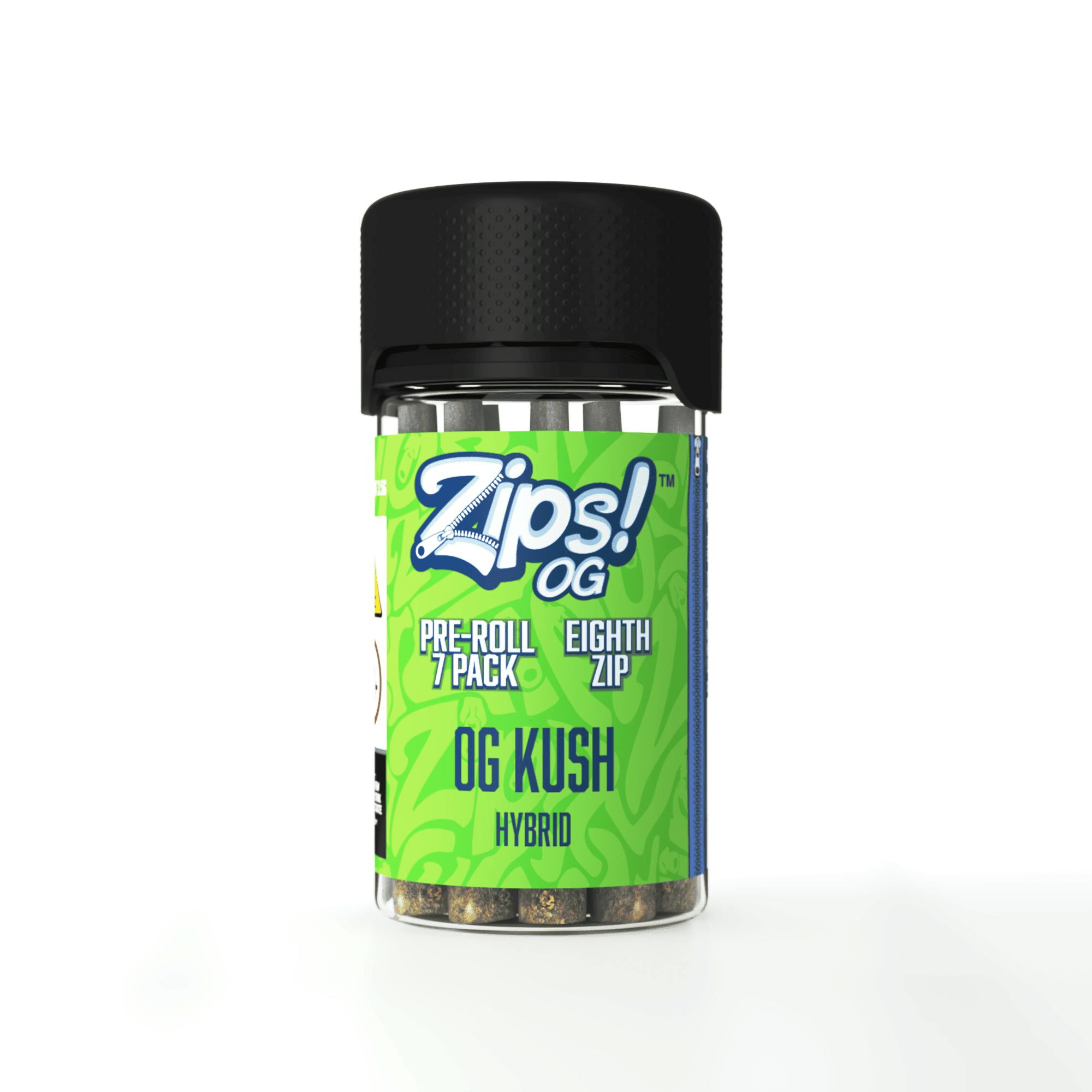
THC 89.04%·CBD 1.71%Hybrid
NERD BARNerd Bar 6ML Dual AIO Live Resin Vape - MAC x OG Kush · 6g
$120.35
$136after tax
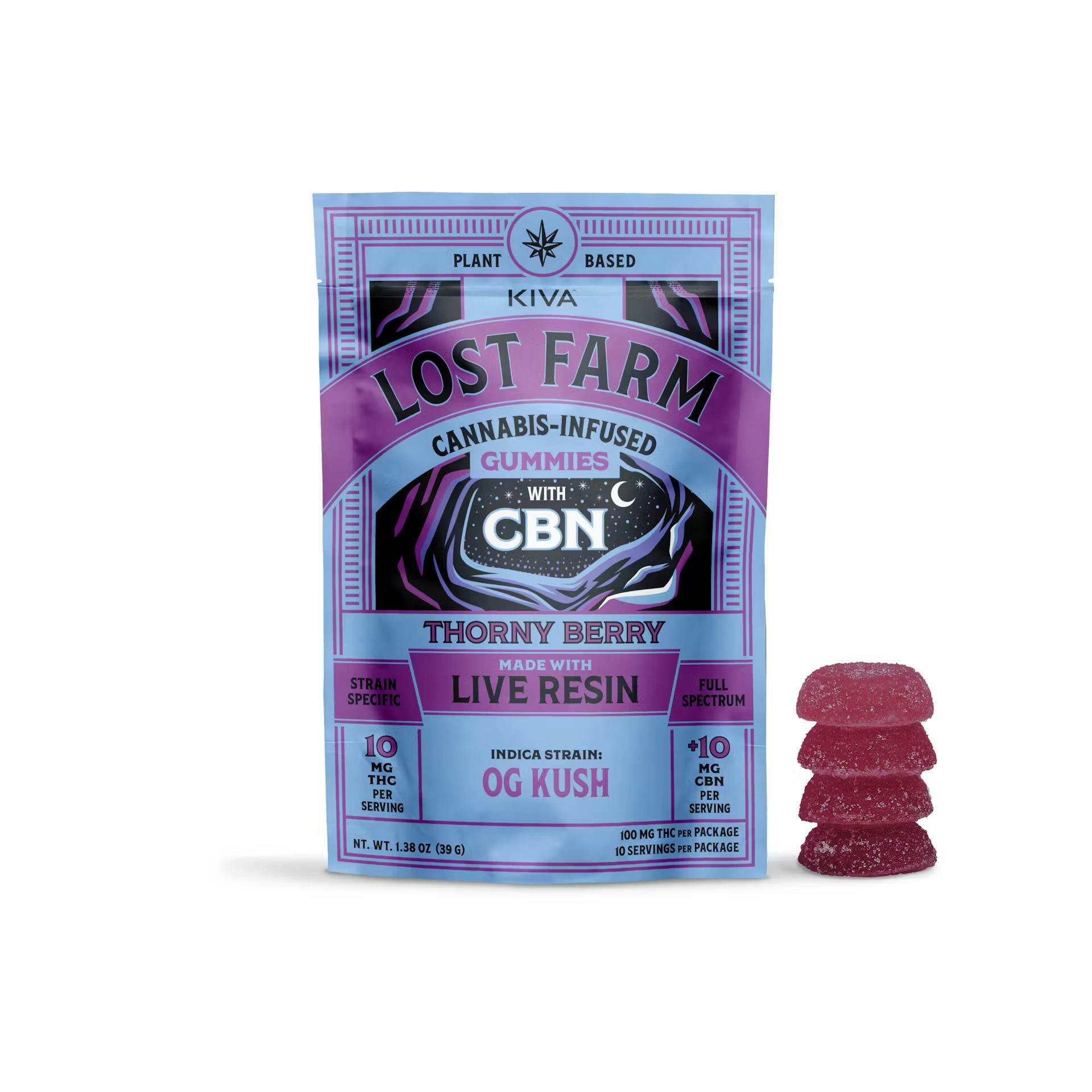
About OG Kush
Everything to know about OG Kush.
Lineage & origin
The precise genetic origins of OG Kush remain one of the cannabis world's most debated and romanticized stories. The most widely accepted account holds that the strain was developed in Florida in the early 1990s by a cultivator known as Matt "Bubba" Berger, who then brought it to Los Angeles, where it was further refined and popularized by Josh D — a name now synonymous with the strain's West Coast legacy. The initials "OG" are themselves contested: some attribute the abbreviation to "Ocean Grown," a reference to the Pacific coastal climate in which it thrived; others insist it stands for "Original Gangster," a nod to its foundational status in West Coast cannabis culture. The parentage is similarly complex. Chemdawg is widely credited as one parent, contributing the strain's sharp, diesel-forward bite and its notably resinous structure. An undisclosed Hindu Kush landrace — a pure indica from the mountain ranges spanning Afghanistan and Pakistan — is generally accepted as the other parent, lending the physical density, earthy musk, and body-forward effects that temper Chemdawg's cerebral energy. A third possible contributor, Lemon Thai, has been proposed on several reputable cannabis platforms, though this remains less definitively established. From OG Kush's genetic blueprint emerged much of what defines contemporary West Coast cannabis. GSC (formerly Girl Scout Cookies), Skywalker OG, Headband, and Bubba Kush are among the dozens of influential varieties that trace a direct lineage through OG Kush, cementing its status as a true cornerstone cultivar.
Effects
OG Kush is classified as a hybrid, and its effect profile reflects that balance with unusual coherence — neither purely cerebral nor entirely sedating, but rather a sustained, full-spectrum experience that tends to satisfy across a wide range of contexts. Onset is typically prompt, arriving within minutes of inhalation: a warm, enveloping pressure behind the eyes and across the temples often signals the beginning of the experience, accompanied by an immediate lift in mood and a loosening of mental tension. As the experience develops into its peak phase — generally fifteen to forty-five minutes in — the character becomes notably dual-natured. A euphoric, gently focused mental state coexists with a measurable physical heaviness that settles across the shoulders and limbs without fully immobilizing. This is the signature quality that has made OG Kush the reference point for what many consumers describe as a "classic" cannabis experience. The dominant terpene myrcene is understood to contribute to this body-mellowing quality, while limonene supports the uplifted mood and mental clarity that prevent the experience from tipping into lethargy. Duration tends toward the moderate-to-long end of the spectrum, with the full arc often running two to three hours. The comedown is characteristically gentle — a gradual softening rather than an abrupt drop — that frequently transitions into a relaxed, pleasantly drowsy state. Those new to cannabis or to higher-potency flower are well-advised to approach OG Kush with intention: start low, go slow, and allow adequate time between sessions.
Aroma, flavor & terpenes
The aromatic profile of OG Kush is among the most instantly recognizable in the cannabis world, and it owes that distinctiveness to a terpene ensemble that is at once pungent, complex, and deeply resinous. Myrcene sits at the foundation, delivering the strain's characteristic earthy musk — a damp, almost petrichor-like quality that grounds the entire bouquet and is understood to modulate the overall effect character of the experience. Limonene provides the contrasting top note: a bright, sharp citrus lift, closer to lemon rind than to juice, that cuts through the heavier base with precision. Caryophyllene, the sole terpene known to interact with the endocannabinoid system's CB2 receptors, contributes a peppery, slightly woody spice that deepens on the exhale and adds structural complexity to the aroma. Pinene — specifically alpha-pinene — threads through with a faint but discernible evergreen quality, recalling fresh pine resin and contributing to a subtle brightness in the overall profile. Linalool, present in smaller but meaningful quantities, softens the sharper edges with a barely-there floral note. On the palate, OG Kush is dense and expansive — a thick, fuel-forward smoke that carries the citrus and spice on a long, lingering finish. Vapor preserves more of the terpene nuance, allowing the pine and lemon notes to emerge with greater clarity. The aftertaste is notably persistent: a combination of earth and fuel that most OG Kush devotees find as satisfying as the initial inhale.
Appearance
OG Kush produces buds that are immediately striking in their structural density and their trichome load. The calyxes are tightly packed and rounded, forming compact, chunky formations that feel substantial and well-cured in hand. The color palette skews toward a rich, medium forest green, occasionally streaked with deeper olive or subtle gold tones depending on the phenotype and the conditions of the final weeks of cultivation. Pistils are plentiful and characteristically rust-orange to amber in color, weaving through the dense calyx structure and providing strong visual contrast against the green. The trichome coverage is among the most generous of any widely cultivated hybrid: a thick, luminous layer of milky to amber glandular heads gives mature OG Kush an almost frosted quality under any direct light source. This resin density is not merely aesthetic — it signals the robust terpene and cannabinoid content that defines the strain's reputation.
Growing notes
OG Kush is widely regarded as a moderately challenging cultivar — rewarding for experienced home growers but likely to frustrate those in the early stages of their cultivation practice. The plant is notably sensitive to environmental fluctuations, particularly humidity. Its dense bud structure, while visually impressive, creates conditions favorable to powdery mildew and botrytis (bud rot) if airflow and relative humidity are not carefully managed, making adequate ventilation a non-negotiable priority in indoor environments. Indoors, OG Kush flowers in approximately eight to nine weeks and yields moderately — generous enough to justify the effort, though not among the highest-producing cultivars available. Outdoor cultivation is most successful in warm, dry Mediterranean-type climates, with harvest typically falling in mid-to-late October in the Northern Hemisphere. The plant tends toward a medium height and responds well to low-stress training (LST) and screen-of-green (SCROG) techniques, which can improve light penetration and increase yield. For the cultivator-curious shopper, OG Kush represents an accessible but instructive challenge — one whose genetic stability and consistent phenotypic expression make it a reliable, if demanding, garden project.
When it's best enjoyed
OG Kush belongs to the category of strains that feel equally at home in solitude and in company — though the particular character of the experience tends to shape the ideal context in specific ways. Its dual-natured effect profile, which pairs mental ease and mild euphoria with notable physical relaxation, makes it a particularly thoughtful companion for the late afternoon or early evening transition: the liminal hours when the demands of the day have lifted and the night has not yet fully arrived. For the solo consumer, it pairs naturally with activities that benefit from a quieted internal monologue — reading, listening to a well-curated vinyl record, or moving through a slow, intentional creative practice. The caryophyllene and myrcene backbone lends itself to a musical pairing somewhere in the register of classic soul or late-period jazz: rich, unhurried, layered. At the table, OG Kush's fuel-and-citrus terpene profile finds a natural counterpart in dishes with umami depth and brightness — think a well-made cacio e pepe, or citrus-forward ceviche. For those who prefer the social dimension, a small, familiar gathering — conversation rather than performance — is where this strain's balanced character truly earns its reputation.
If you like OG Kush, also explore
GSC (Girl Scout Cookies)
A direct OG Kush descendant, GSC shares the same earthy-sweet resin character and balanced hybrid arc, while introducing a sweeter, bakery-inflected top note that distinguishes it from its parent.
Chemdawg
As one of OG Kush's most widely cited parent strains, Chemdawg offers a similarly fuel-forward and powerfully resinous experience, appealing to consumers drawn to the diesel-dominant end of OG Kush's aromatic spectrum.
Headband
A cross of OG Kush and Sour Diesel, Headband inherits the characteristic ocular pressure and long-lasting hybrid balance of OG Kush while adding a sharper, more sour top note.
Skywalker OG
Blending OG Kush with Skywalker, this cultivar amplifies the body-heavy, physically relaxing dimension of OG Kush's profile, making it a natural next step for consumers who favor the strain's indica-leaning moments.
Tahoe OG
A well-regarded phenotype of OG Kush discovered in the Lake Tahoe region, Tahoe OG delivers a notably potent and fast-acting version of the classic OG experience, suited to those already comfortable with OG Kush's character.
Common questions
Is OG Kush indica or sativa?+
OG Kush is classified as a hybrid, with a genetic makeup that most sources describe as roughly indica-dominant. Its Chemdawg parentage contributes a more cerebral, uplifting dimension, while the Hindu Kush landrace lineage grounds the experience with notable physical weight. The result is a layered, balanced profile that tends to satisfy consumers seeking both mental ease and body relaxation within a single session.
What does OG Kush taste like?+
OG Kush is characterized by a complex, fuel-forward flavor anchored in earthiness and sharp lemon rind. On the inhale, consumers typically detect a pungent, diesel-like quality layered with pine and a faint spice; on the exhale, citrus and pepper notes emerge with greater clarity. The finish is long and resinous, leaving a persistent earthy-fuel aftertaste that is considered a hallmark of the strain's terpene profile.
What are the typical effects of OG Kush?+
The OG Kush experience typically begins with a prompt onset of warmth and mood elevation, often described as a gentle pressure behind the eyes. As the peak develops, a euphoric mental state coexists with meaningful physical relaxation across the body. The overall arc runs two to three hours, with a gradual, unhurried comedown. First-time or lower-tolerance consumers are encouraged to start low and go slow with this cultivar.
What strains are similar to OG Kush?+
Consumers who appreciate OG Kush often find common ground with GSC (Girl Scout Cookies), Chemdawg, Headband, Skywalker OG, and Tahoe OG. Each of these shares either a direct genetic relationship with OG Kush or a comparable terpene and effect profile — resinous, earthy, fuel-forward, and balanced in its hybrid character. GSC and Skywalker OG, both direct descendants, are particularly strong starting points for OG Kush devotees.
Is OG Kush good for beginners?+
OG Kush can be approachable for beginners who are mindful of their session. Its effect profile is balanced and well-documented, which makes the experience relatively predictable — an asset for newer consumers. That said, the strain's potency and its notably full-body effect arc warrant caution. Following a "start low, go slow" approach, particularly with inhalation methods, is always advisable for those newer to cannabis or to this cultivar specifically.
What are the dominant terpenes in OG Kush?+
OG Kush's terpene profile is anchored by myrcene, which contributes earthy musk and is understood to support physical relaxation. Limonene provides the strain's signature citrus brightness and mood-elevating quality. Caryophyllene adds a peppery, woody spice on the exhale and is the only terpene known to interact with CB2 receptors in the endocannabinoid system. Alpha-pinene and linalool round out the profile with faint evergreen and floral notes respectively.
Where does OG Kush come from?+
OG Kush originated in the early 1990s, with roots tracing to Florida before the strain was brought to Los Angeles and refined into the cultivar recognized today. Josh D is most frequently credited with its West Coast development and popularization. Its parent strains are most commonly cited as Chemdawg and a Hindu Kush landrace, though some sources also propose a Lemon Thai contribution. The meaning of the "OG" designation remains a subject of genuine debate within cannabis culture.
How long do the effects of OG Kush last?+
For most consumers, the effects of OG Kush run a full two to three hours from onset to resolution. The experience typically peaks within the first thirty to forty-five minutes before transitioning gradually into a more relaxed, and sometimes drowsy, state. Individual factors — including tolerance, consumption method, and the amount consumed — will influence duration meaningfully. As always, allowing adequate time between sessions is a practical consideration with any potent hybrid cultivar.
Related strains