
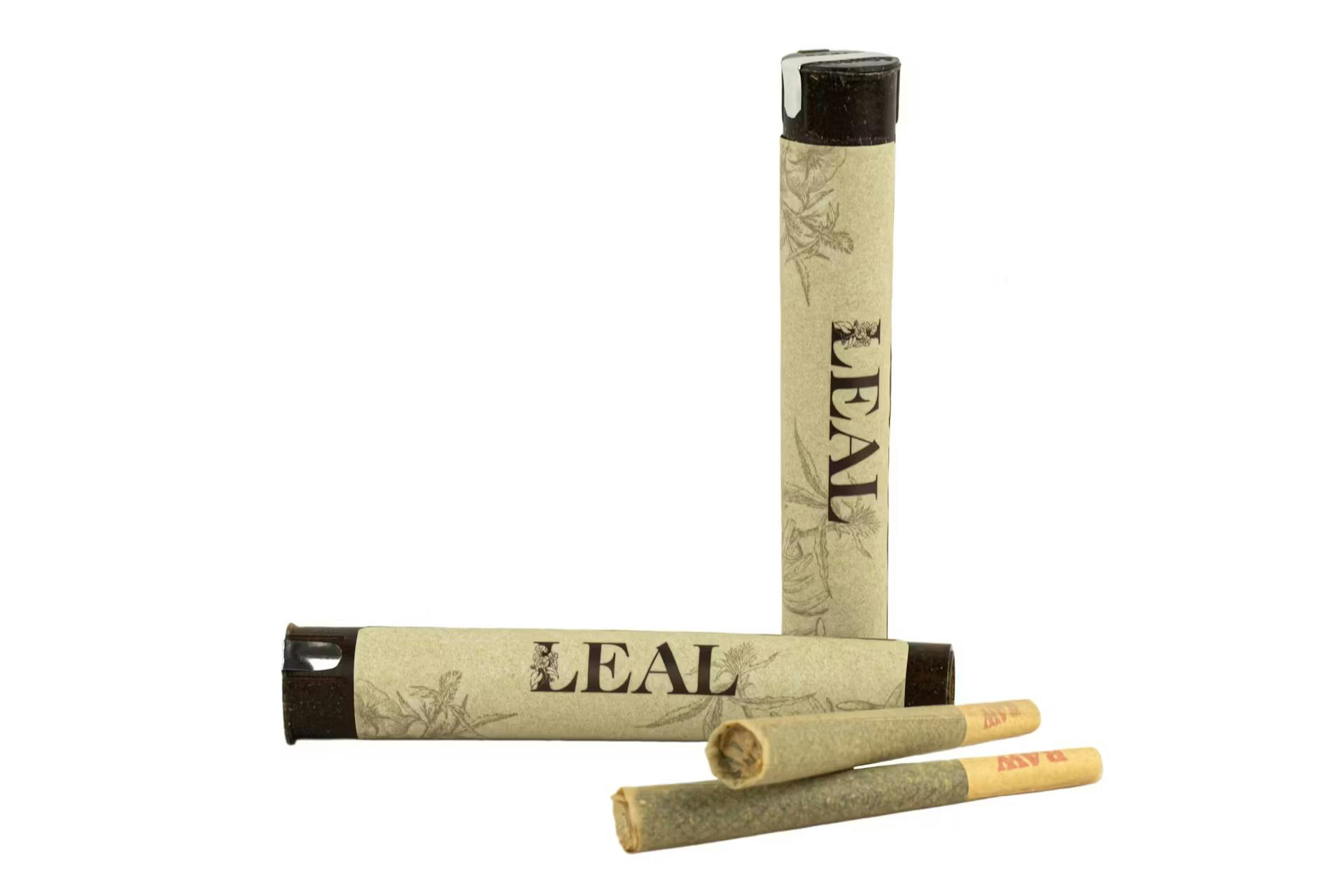
Sativa-Hybrid
All strains Snow-G
1 live products in stock
Quick answer · What is the Snow-G cannabis strain?
Snow-G arrives as a quietly compelling sativa-leaning hybrid — crystalline in appearance, bright and focused in character. Named for its frosted trichome coat and the effortless cool its experience tends to evoke, this strain occupies a precise niche between daytime clarity and sociable warmth. It is the kind of cultivar that rewards a slow Saturday morning or a sun-lit creative session, offering lift without turbulence and a flavour profile that lingers with citrus and pine.
Shop Snow-G · 1 of 1 live products
About Snow-G
Everything to know about Snow-G.
Lineage & origin
Snow-G is generally attributed to a cross of G13 and Snow White, two strains with distinct and well-documented histories. G13 carries near-mythological status in cannabis culture — widely circulated lore holds that it originated as a government-research clone from the University of Mississippi breeding program in the 1960s and 1970s, though no verifiable documentation has ever been made public to confirm this. What is better established is that G13 emerged prominently in the underground California and Pacific Northwest scenes of the 1980s and 1990s, prized for its potent, resin-heavy indica character. Snow White, meanwhile, is a Dutch classic associated with Nirvana Seeds, itself a descendant of White Widow genetics — a hybrid that transformed the Amsterdam coffee-shop scene in the mid-1990s with its exceptional trichome production and balanced effects. By combining G13's resin density and indica backbone with Snow White's uplifting White Widow heritage, Snow-G inherits a sativa-forward lean that tempers the heavier tendencies of both parents. The result is a cultivar that skews toward energetic clarity rather than sedation, despite its lineage including strains known for substantial body weight. The exact breeder behind Snow-G has not been broadly publicized, and formal documentation of its first release date remains limited in major databases. It has, however, built a consistent following among cultivators and consumers who seek functional daytime hybrids with strong trichome expression. No widely recognized phenotype variants have been catalogued at this time.
Effects
Snow-G typically announces itself within five to ten minutes of inhalation — a relatively swift onset that begins as a gentle pressure behind the eyes before broadening into a clean, clarifying cerebral lift. The opening phase is predominantly mental: thoughts become more fluid, peripheral distractions recede, and there is a mild but noticeable elevation in mood that does not tip into anxious overactivation. This quality makes the early experience well-suited to tasks that require sustained but relaxed attention. As the session progresses into its peak — generally between twenty and forty-five minutes in — the effects deepen without dramatically shifting character. A light body ease filters through the shoulders and limbs, grounding the cerebral brightness without inducing heaviness. This balance is consistent with the terpene and cannabinoid profile typical of sativa-leaning hybrids: myrcene contributing mild muscle ease while limonene sustains the uplifted, sociable quality. The experience tends to have a measured duration, with most consumers reporting two to three hours of active effect followed by a gentle comedown that rarely produces sharp fatigue. The comedown itself is a distinguishing quality — gradual and soft, returning the consumer to baseline without the abrupt drop associated with some higher-THC cultivars. Those newer to cannabis are encouraged to follow a start-low, go-slow approach, as the sativa influence can amplify sensitivity in some individuals. Overall, Snow-G presents a profile suited to daytime and early-evening use rather than late-night consumption.
Aroma, flavor & terpenes
The aromatic profile of Snow-G leans toward the bright and resinous end of the spectrum, with a foundation that reads as clean pine and fresh citrus on first encounter. Pinene — both alpha and beta forms — is among the dominant terpenes, contributing the characteristic forest-air sharpness that distinguishes Snow-G from sweeter or earthier cultivars. Limonene adds a layer of lemon zest and orange peel, lending the nose a quality that feels simultaneously invigorating and approachable. Beneath those top notes, myrcene introduces a subtle herbal musk — a soft earthiness that prevents the profile from feeling one-dimensional. Caryophyllene is present as a secondary contributor, adding faint warmth and a mild spice that becomes more apparent on the exhale, particularly when consumed via dry-herb vaporizer. Some consumers also report a faint floral undercurrent, potentially indicating a modest linalool presence, though this is the lightest element of the profile and not universally noted across phenotypes. On the palate, Snow-G delivers what its nose promises: the inhale is clean and resinous, with pine and citrus leading clearly. The smoke, when combusted, is smooth for a sativa-leaning variety — not harsh or expansive in the chest. Vapor, drawn at moderate temperatures between 170 and 185 degrees Celsius, opens the citrus and floral notes more expressively while softening the spice. The finish is dry and faintly sweet, reminiscent of a zested lemon rind over a pine branch, and it dissipates cleanly without a heavy residual taste.
Appearance
Snow-G earns the first half of its name visually. The buds are densely structured — compact, rounded calyxes that stack tightly in a formation more reminiscent of indica architecture than the elongated, airy clusters typical of pure sativa genetics. This density, inherited from the G13 side of its lineage, makes for well-formed, hand-filling flowers that hold their shape through proper cure. The colour palette runs from medium sage green to deeper forest tones, occasionally presenting with faint blue-grey undertones in phenotypes that have been exposed to cooler late-flower temperatures. Pistils are rust-orange to amber, weaving prominently through the canopy of the bud and offering visual contrast against the pale trichome frost. That frost is the cultivar's most immediately striking trait: a dense, even carpet of milky to amber trichomes — stalked and head-heavy — that gives each flower a luminous, almost silver appearance under direct light. Well-grown, properly dried specimens have a tactile quality that is notably sticky and aromatic the moment the seal is broken.
Growing notes
Snow-G is considered a moderately approachable cultivar for home and commercial growers with at least an intermediate level of experience. Its indica-influenced structure translates to compact, manageable plant height — typically remaining between 90 and 130 centimetres indoors without aggressive training — which suits grow spaces with standard ceiling clearance. The dense bud formation that makes finished flowers so visually striking also requires diligent attention to airflow and humidity management during the final weeks of flower, as the tight calyx structure can be susceptible to moisture retention and mold if conditions are not controlled. Indoors, Snow-G generally reaches flowering maturity in approximately eight to nine weeks, yielding moderate-to-above-average results when grown under high-output lighting in well-amended media. Outdoor cultivation favours a temperate, Mediterranean-adjacent climate with warm days and mild nights; growers in the northeastern United States would typically target late September to mid-October harvest windows. The strain's trichome production is notably generous, which rewards cultivators interested in craft solventless extraction as well as premium flower. Difficulty is assessed as intermediate — manageable for attentive growers, but not entirely forgiving of humidity neglect or nutrient imbalance.
When it's best enjoyed
Snow-G occupies a specific temporal niche: it is at its most fitting during the hours when the day is fully awake but the afternoon has not yet softened into evening. A late morning after a slow breakfast, a clear Sunday afternoon before plans have formed, or the first hour of a creative project — these are the contexts where its clarifying, sociable lift reads most naturally. The pine and citrus terpene character amplifies well against outdoor settings, making it a considered companion for a walk through Riverside Park or a session sketching or writing at a window overlooking the city. For food pairing, the citrus-forward terpene profile finds a natural complement in Mediterranean cuisine — bright olive-oil-dressed dishes, preserved lemon, fresh herbs — or in something as simple as cold sparkling water with lemon and a bowl of pistachios. Musically, Snow-G's alert but grounded quality pairs well with mid-tempo instrumental music — early Tortoise records, Floating Points, or the cleaner end of jazz-adjacent electronica — genres that reward attentive listening without demanding it. It also functions gracefully in small social settings where conversation is the primary activity, lending ease without disorientation.
If you like Snow-G, also explore
White Widow
As a direct ancestor through Snow White, White Widow shares the same resinous trichome density and balanced cerebral-body arc, making it an intuitive next step for any Snow-G admirer.
G13 Haze
Blending G13's potent resin character with the sativa reach of Haze, this sibling-adjacent cultivar offers a comparable onset clarity with slightly more expansive, long-duration cerebral effects.
Jack Herer
Jack Herer's pine-and-citrus terpene architecture and its clean, focused sativa lift mirror Snow-G's daytime functionality, appealing to consumers who value precision over sedation.
Blue Dream
Blue Dream shares Snow-G's sativa-leaning hybrid balance and gentle body ease, and both cultivars reward the same mid-day, creative-use window without tipping into heaviness.
Durban Poison
For consumers drawn to Snow-G's energized clarity and resinous trichome production, Durban Poison offers a comparably bright, alert experience with an earthier, anise-tinged terpene profile.
Common questions
Is Snow-G indica or sativa?+
Snow-G is classified as a sativa-leaning hybrid. It draws from both G13, which carries a substantial indica background, and Snow White, a hybrid descended from White Widow. The resulting balance skews toward cerebral clarity and mild energetic lift rather than heavy sedation, though a grounding body ease is present — particularly as the experience deepens past the initial onset phase.
What does Snow-G taste like?+
Snow-G presents a clean, resinous flavour profile dominated by pine and citrus — specifically lemon zest and a faint orange-peel brightness. A secondary warmth from caryophyllene becomes more apparent on the exhale, adding mild spice without sharpness. The finish is dry and faintly sweet, dissipating cleanly. Vapor tends to open the citrus and any subtle floral notes more expressively than combustion.
What are the typical effects of Snow-G?+
Snow-G typically delivers a swift, clarifying cerebral lift followed by a mild body ease that grounds without sedating. Onset is generally within five to ten minutes. The peak experience tends toward focused, sociable warmth lasting two to three hours, with a gradual, soft comedown. Its sativa-forward character makes it better suited to daytime or early-evening use rather than late-night sessions.
What strains are similar to Snow-G?+
Consumers who enjoy Snow-G often find a comfortable fit with White Widow, which shares its resinous trichome profile and balanced hybrid character. Jack Herer offers a comparable pine-citrus terpene profile with a similarly focused daytime quality. Blue Dream mirrors the sativa-leaning hybrid arc, while G13 Haze extends the G13 lineage into a more expansive cerebral experience for those who want more reach.
Is Snow-G good for beginners?+
Snow-G can be approachable for newer cannabis consumers, but its sativa influence warrants some caution. The clarifying cerebral onset can amplify sensitivity in those unaccustomed to THC, occasionally manifesting as heightened awareness or mild overstimulation. A start-low, go-slow approach is strongly recommended — begin with a single measured inhalation and allow ten to fifteen minutes before assessing before considering more.
What are the dominant terpenes in Snow-G?+
Snow-G's dominant terpenes are typically pinene (alpha and beta), limonene, and myrcene. Pinene contributes the sharp, forest-air aroma and is associated with alertness. Limonene adds citrus brightness and an uplifted quality. Myrcene introduces a softer herbal earthiness. Caryophyllene is a notable secondary terpene, adding warm spice on the exhale. A modest linalool presence — faint floral notes — has been reported but is not consistent across all phenotypes.
When is the best time of day to consume Snow-G?+
Snow-G is best suited to morning, midday, or early-afternoon consumption. Its sativa-forward effects — cerebral clarity, mild sociability, focused energy — align naturally with hours when active engagement is desired. Its moderate duration and soft comedown make it practical for days with plans. Late-night use is less common, as the mental lift can interfere with the transition toward rest for some consumers.
How is Snow-G typically grown, and where does it come from?+
Snow-G is grown both indoors and outdoors, with indoor cultivation allowing the tightest control over humidity — important given its dense, moisture-retentive bud structure. Flowering runs approximately eight to nine weeks indoors. Its lineage traces to G13 and Snow White (a Nirvana Seeds cultivar descended from White Widow). The specific originating breeder of Snow-G has not been broadly documented in major cannabis databases, and its first formal release date remains unclear.
Related strains