THC 74.3%Sativa
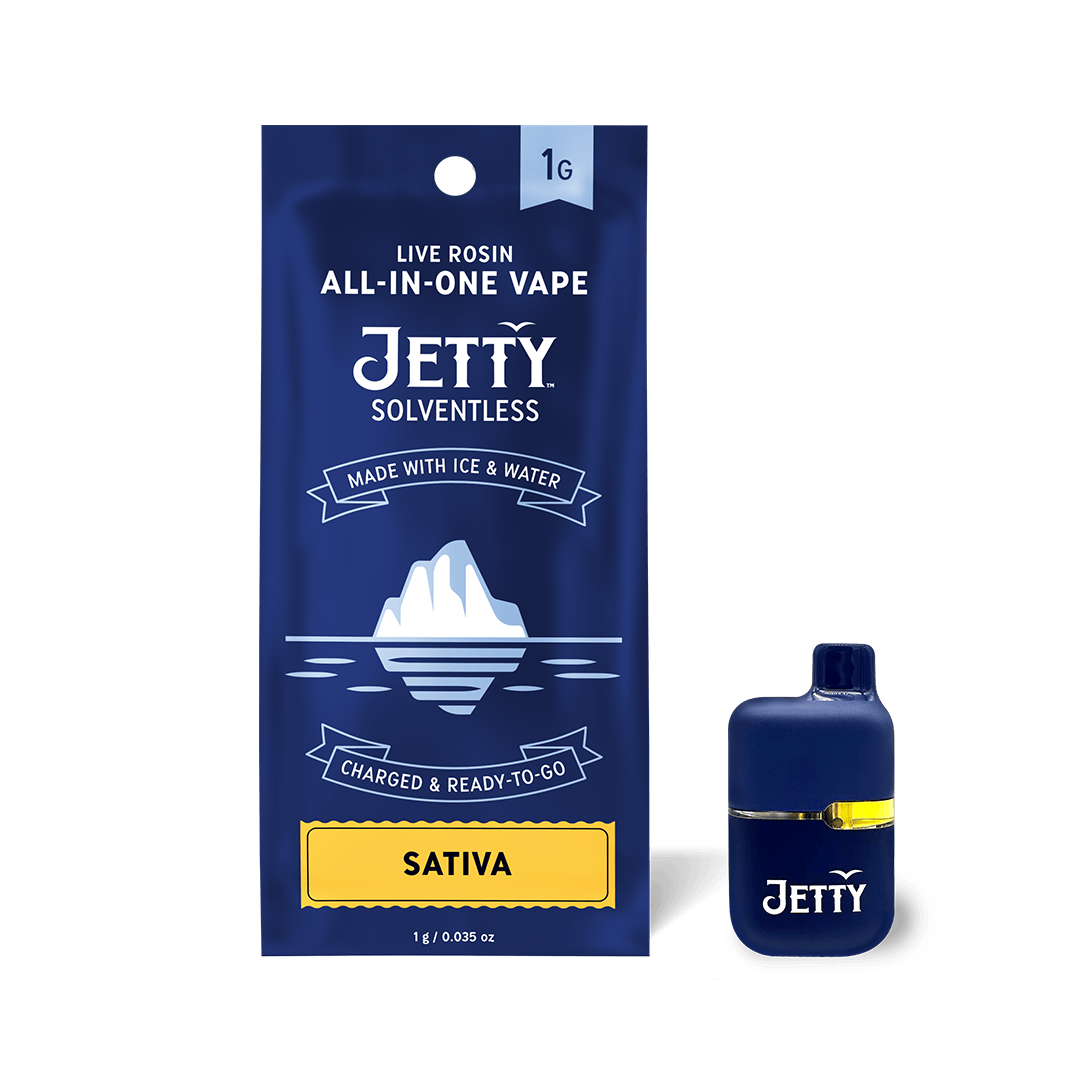
Jetty ExtractsJetty Extracts Vape Mini Tank AIO Solventless Agent Orange - Sativa · 1g
$70.80
$80after tax

weeddispensarynearme.com
You must be 21 years or older to enter. By entering, you confirm you’re of legal age in your state to purchase cannabis.
For use only by adults 21+ • Keep out of reach of children
1 live products in stock
Quick answer · What is the Agent Orange cannabis strain?
Agent Orange arrives with the quiet confidence of a well-ripened citrus grove in late summer — its zest bright, its warmth unhurried. A sativa-leaning hybrid of considered lineage, it offers a lifted, sociable energy that feels purposeful rather than frenetic. The terpene profile reads like a squeeze of blood orange over warm earth, and the experience it delivers is as layered as the scent suggests — making it a perennial conversation piece at any thoughtful dispensary counter.
$80after tax
About Agent Orange
Agent Orange is the work of TGA Subcool Seeds, the Oregon-based collective founded by the late breeder Subcool, who documented the strain's development extensively on cannabis forums and in his own published writings throughout the mid-2000s. The cross brings together two well-regarded parents: Orange Velvet, a Pacific Northwest cultivar celebrated for its vivid citrus expression, and Jack the Ripper, TGA's own terpinolene-forward, fast-finishing hybrid that itself descends from Jack's Cleaner and Space Queen. The combination was deliberate — Orange Velvet supplied the sweetness and warmth of ripe mandarin, while Jack the Ripper introduced cerebral acceleration and a resinous, pungent edge. Released to wider cultivation circles around 2007 to 2009, Agent Orange quickly attracted attention on the competition circuit, earning recognition at multiple High Times Cannabis Cup events and establishing TGA Subcool Seeds as a serious creative force in American breeding. The strain's influence extended downstream: its Orange Velvet genetics have appeared in subsequent TGA releases, and its reputation for reliable cheerfulness helped cement 'orange' terpene profiles as a distinct and commercially appealing category in the modern market. Several phenotypes exist in circulation. Some express more of Jack the Ripper's sharp, almost chemical citrus bite, while others lean into the softer, jam-like sweetness of Orange Velvet. Both phenotypes retain the characteristic sativa-leaning structure and the uplifting character that defined the strain's original reputation.
The onset of Agent Orange tends to arrive within five to fifteen minutes of consumption, particularly when vaporized at moderate temperatures. The initial impression is characteristically cerebral — a gentle brightening of mood and an increase in conversational energy that stops well short of anxious overstimulation. For many experienced consumers, this opening phase feels focused and sociable, making it easier to engage with a task, a conversation, or a creative problem without the scattered quality that some sativa-dominant cultivars can introduce. At peak effect, the experience is best described as warm and buoyant. The dominant terpene terpinolene, inherited from Jack the Ripper, is associated in the research literature with uplifting, mildly sedative qualities at certain concentrations — a paradox that may help explain Agent Orange's signature balance: animated but not restless, alert but not wired. Myrcene, present in moderate amounts, adds a subtle body softness that rounds out the edges without pulling the consumer toward lethargy. Duration is typically two to three hours for most experienced adult consumers, with the peak energy tapering into a calm, grounded state that is unlikely to feel abrupt. The comedown is gentle by most accounts — a gradual return to baseline rather than a sudden drop. As with any cannabis product, individual responses vary considerably, and those newer to the cultivar are well served by the standard approach: start low, go slow, and allow adequate time between sessions.
The aromatic profile of Agent Orange is its most immediately recognizable feature, and it earns its name without ambiguity. The dominant terpene, terpinolene, delivers a bright, floral-citrus top note reminiscent of fresh orange peel and tangerine zest — a clean, almost effervescent quality that distinguishes it from heavier, earthier cultivars. This is supported by myrcene, which contributes a faintly herbal, slightly musky warmth underneath the citrus lift, grounding the aroma and giving it dimension. Ocimene, when present — as it often is in orange-profiled cultivars descended from Pacific Northwest genetics — adds a sweet, almost tropical herbaceous quality, not unlike fresh basil or tarragon alongside ripe stone fruit. Caryophyllene, the sole terpene known to interact directly with CB2 receptors, is detectable in the mid-register as a quiet spice note, preventing the profile from reading as purely candy-sweet and adding a sophisticated edge that rewards closer attention. On the palate, whether smoked in a well-crafted flower or vaporized at lower temperatures, Agent Orange tends to deliver a smooth, citrus-forward inhale with a faint floral sweetness mid-tongue. The exhale carries a gentle, almost creamy orange marmalade quality, occasionally with a pine finish — a nod to any trace pinene in the phenotype — before resolving cleanly without the harsh or acrid residue associated with less thoughtfully cultivated material. It is, in sum, a strain that rewards those who pay attention to how cannabis smells and tastes.
Agent Orange produces buds that reflect its sativa-leaning heritage: elongated, somewhat airy calyxes that cluster into moderately dense formations rather than the compact, rock-hard nuggets associated with indica-dominant varieties. The structure is tapered and elegant, with visible layering between the sugar leaves — a structural characteristic that allows for good airflow during cultivation and makes the trichome coverage immediately apparent to the eye. The color palette trends toward medium to light green, with occasional golden or pale yellow accents that emerge under proper curing conditions. Pistils, or the fine hairs that wind through the bud structure, are typically a warm amber to burnt orange — a fitting visual echo of the strain's namesake citrus character. Trichome density is notable: under magnification, the resin glands present as a consistent, frost-like layer across both the calyxes and the trim leaves, giving even fresh-cut specimens a luminous, slightly iridescent quality in good light. Well-cured examples are visually striking in an understated way — the kind of flower that communicates quality before it is opened.
Agent Orange is considered an intermediate-level cultivar — accessible enough that experienced home growers find it forgiving, but with enough nuance in its feeding and environmental preferences to humble those who approach it casually. TGA Subcool Seeds designed it with indoor cultivation in mind, and it performs best in a controlled environment where temperature and humidity can be managed through its relatively brief flowering window of approximately eight to nine weeks. Indoor yields are moderate, rewarding growers who invest in training techniques such as low-stress training or a screen-of-green setup to manage the strain's tendency toward vigorous vertical growth — a trait inherited from its sativa parentage. Outdoor cultivation is viable in temperate climates with a long, warm autumn, as the plants benefit from additional light exposure and can produce generously when given adequate root space. The strain is not notably mold-resistant, so humidity management remains important throughout the late flowering phase. For the cultivator-curious shopper, it is worth noting that the citrus terpene expression is most vivid when the plant is harvested at peak trichome maturity and subjected to a slow, careful cure — the aroma this strain is known for is, in part, a product of patience.
Agent Orange is a strain that finds its natural context in the earlier and more active portions of the day. Its lifted, sociable energy makes it a thoughtful companion for a weekend morning spent in a well-lit studio, a long walk through a neighborhood market, or an afternoon of collaborative creative work where conversation and open-mindedness are assets. It is not a strain that asks the consumer to stop what they are doing — rather, it tends to animate the activity already in motion. For those who enjoy pairing cannabis with food, the bright citrus and spice terpenes in Agent Orange harmonize naturally with dishes that share similar flavor architecture: a blood orange salad dressed with a sharp vinaigrette, a plate of oysters with citrus mignonette, or a well-made Thai green curry where lemongrass and fresh herbs dominate. On the music side, the strain's warm, alert character suits mid-tempo jazz — the Art Blakey tradition, or something in the vein of contemporary artists like Ambrose Akinmusire — where improvisation and attentiveness coexist. It is, above all, a strain for people who find value in being present.
Tangie
Fans of Agent Orange's dominant terpinolene-driven citrus aroma and uplifting, sociable character will find Tangie equally expressive, with a slightly more pronounced mandarin sweetness and a comparably energetic sativa arc.
Jack Herer
Sharing a genetic family connection through Jack's Cleaner ancestry, Jack Herer delivers a similar cerebral clarity and creative lift, with an earthier, more pine-forward terpene profile that appeals to those who appreciate the focused quality of Agent Orange.
Clementine
Clementine carries a closely related citrus terpene signature — bright, clean, and zest-forward — making it a natural recommendation for consumers who return to Agent Orange specifically for its aromatic character and mood-elevating onset.
Orange Creamsicle
For those drawn to Agent Orange's creamy orange exhale and its gentle, warm peak, Orange Creamsicle offers a slightly more relaxed hybrid experience while preserving much of the same citrus-sweet terpene identity.
Space Queen
A grandparent strain within the Agent Orange lineage through Jack the Ripper, Space Queen shares the sweet, tropical-citrus profile and uplifting hybrid character that defines Agent Orange's best phenotypes.
Agent Orange is a sativa-leaning hybrid, bred by TGA Subcool Seeds through a cross of Orange Velvet and Jack the Ripper. Its effects skew toward the cerebral and uplifting end of the spectrum — sociable, focused, and warm — rather than the body-heavy relaxation more commonly associated with indica-dominant cultivars. That said, moderate myrcene content lends a subtle physical softness that keeps the experience from feeling purely electric or ungrounded.
Agent Orange tastes primarily of fresh citrus — ripe orange peel, tangerine, and a faint floral sweetness — with a mid-palate warmth contributed by caryophyllene's mild spice note. The exhale often carries a creamy, marmalade-like quality that lingers pleasantly. Terpinolene is the primary driver of this citrus expression, supplemented by ocimene's sweet herbal undertone. The overall flavor impression is bright, smooth, and distinctive — one that experienced consumers often recognize immediately.
Typical effects include an elevated mood, increased sociability, and a sense of gentle mental clarity that many consumers describe as focused without being rigid. Onset is relatively quick — often within ten to fifteen minutes — and the peak experience is warm and buoyant rather than anxiously stimulating. A soft physical ease accompanies the cerebral lift. Duration runs approximately two to three hours for most adult consumers, with a gradual, unhurried comedown that tends not to feel disorienting.
Consumers who appreciate Agent Orange tend to respond well to Tangie, which shares its terpinolene-forward citrus profile and sativa-leaning energy. Jack Herer appeals to those drawn to the focused, clear-headed quality of the experience. Clementine mirrors Agent Orange's aromatic brightness closely. Orange Creamsicle offers a slightly mellower variation on the same citrus-sweet theme, and Space Queen — a grandparent strain in the lineage — provides a useful genetic reference point for the curious.
Agent Orange can be an approachable entry point for new adult consumers, particularly those who want an uplifting, citrus-forward experience without the heaviness of an indica-dominant cultivar. However, its sativa character means that in larger quantities it may feel more stimulating than expected for those unaccustomed to cannabis. The standard guidance applies: start with a small amount, allow sufficient time to assess the effect, and adjust from there. Individual sensitivity varies considerably.
The dominant terpene in Agent Orange is terpinolene, which is responsible for the strain's signature bright, floral-citrus aroma and its characteristically uplifting, lively effect profile. Myrcene appears as a secondary terpene, contributing an herbal warmth and mild physical ease. Caryophyllene adds a subtle spice note that gives the profile depth, and ocimene — common in Pacific Northwest citrus cultivars — contributes a sweet, slightly tropical herbaceous quality. Together these terpenes create one of the more distinctive aromatic identities in the modern market.
Agent Orange is best suited to daytime or early evening consumption. Its sativa-leaning, energizing character makes it a poor candidate for those seeking rest or a wind-down experience late at night — the cerebral lift and mood elevation it delivers are better assets when the consumer has space to engage with creative work, social interaction, or an outdoor activity. Most experienced consumers who reach for Agent Orange do so before noon or in the early afternoon, when its energy can be put to purposeful use.
Agent Orange was developed by TGA Subcool Seeds, the Oregon-based collective led by the breeder known as Subcool, who was a prominent and prolific figure in American cannabis cultivation until his passing in 2020. The strain emerged from the cross of Orange Velvet and Jack the Ripper and entered wider circulation among cultivators and consumers between approximately 2007 and 2009. It earned recognition at High Times Cannabis Cup events during that period and helped establish TGA's reputation for terpene-forward, well-documented breeding work.
Related strains
Pick your store
We'll show pricing, deals, and delivery zones for the store you pick. You can switch any time from the header.