On sale· 30% OFF
THC 77.01%·CBD 0.15%Indica
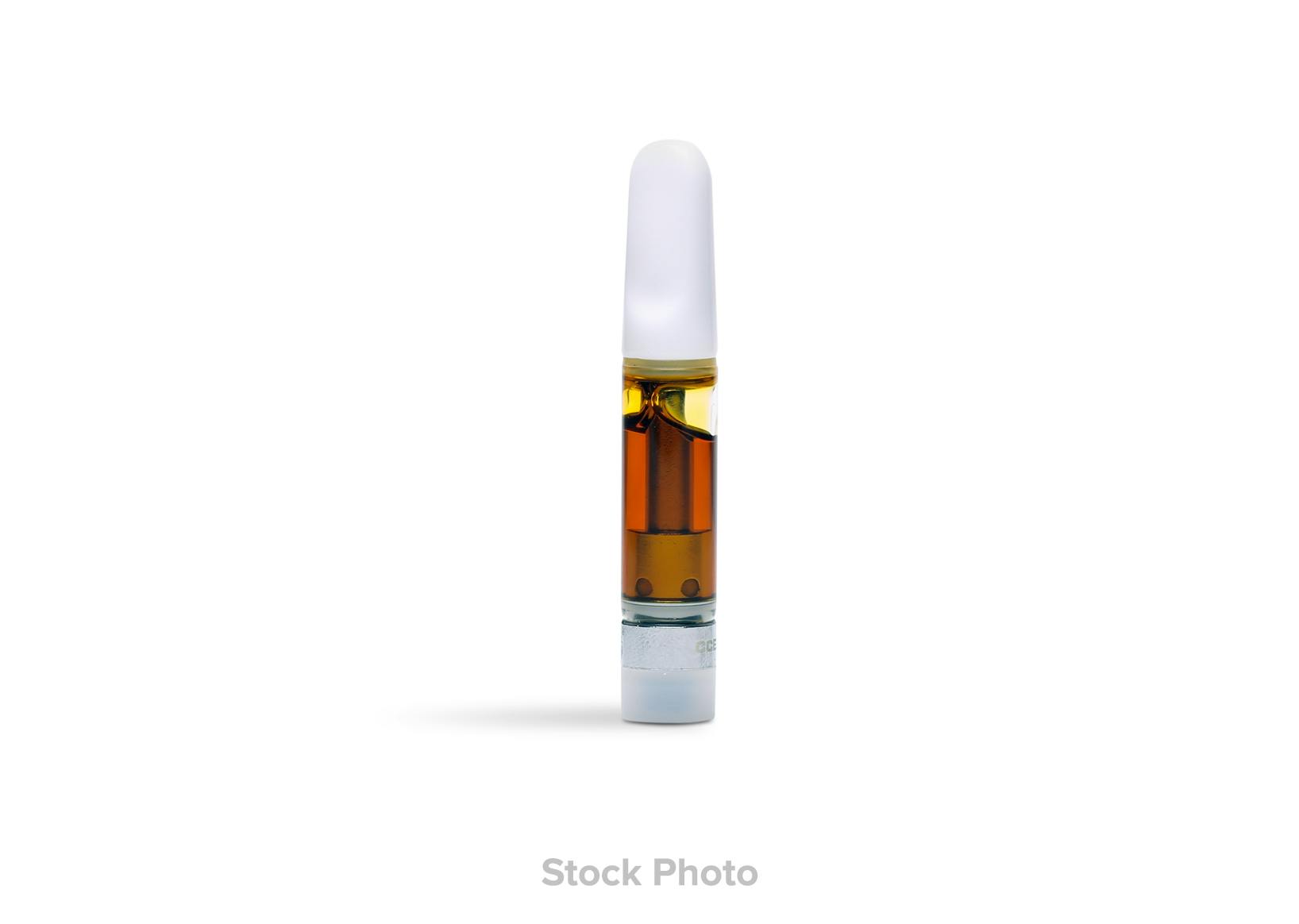
RoveRove | Premier Solventless Ice Hash Live Rosin Minibar | Orangutang - Indica · .5g
$34.69$49.56
$41after tax

weeddispensarynearme.com
You must be 21 years or older to enter. By entering, you confirm you’re of legal age in your state to purchase cannabis.
For use only by adults 21+ • Keep out of reach of children
1 live products in stock
Quick answer · What is the Orangutang cannabis strain?
Orangutang is a resinous indica-leaning cultivar that arrives with the warm, citrus-drenched character its name implies — lush orange zest layered over earthy, tropical depth. Dense buds carry a generous coat of trichomes and a languid, full-bodied effect profile suited to quiet evenings and unhurried afternoons. For the discerning New York consumer seeking something grounded yet aromatic, Orangutang offers a deliberate, unhurried descent into calm.
$41after tax
About Orangutang
Orangutang's precise lineage is not uniformly documented across public cannabis databases, and the breeder of record has not been definitively established in widely cited sources. What is generally agreed upon in community-sourced records is that Orangutang carries strong Orange genetics — most likely tracing back to strains in the Orange family such as Agent Orange or a closely related Orange-forward cultivar — crossed with an indica-dominant base that contributes its characteristic body weight and resin production. Some phenotype discussions on AllBud and cultivar forums suggest a possible connection to Tangie or an early-generation Orange Skunk cross, though this has not been confirmed by a named breeder. The strain appears to have circulated primarily through the West Coast market before finding its way into the broader American dispensary landscape, a pattern typical of many boutique indica cultivars that built reputations through word-of-mouth before formal documentation caught up. Its influence lies less in a traceable breeding lineage and more in the consistency of its aromatic output — the vivid orange-citrus profile has made it a reference point for consumers seeking fruit-forward indicas that do not sacrifice depth for sweetness. No widely documented genetic siblings have been formally attributed to the same breeding program, though cultivars sharing the Orange parentage — such as Orange Cookies or Orange Push Pop — occupy adjacent aromatic territory and are sometimes compared by consumers familiar with the broader Orange cultivar family.
Orangutang tends to announce itself with a measured, warm onset that most consumers report feeling within five to fifteen minutes of inhalation. The initial impression is gently euphoric — a softening of mental tension rather than a sharp cerebral lift — which aligns with the myrcene-forward terpene profile typically associated with indica-leaning cultivars. Myrcene is understood in pharmacological literature to interact with the endocannabinoid system in ways that may amplify sedative and relaxing qualities, lending the opening phase of the experience a pleasant, unhurried quality. As the session moves into its peak, the body component becomes more pronounced. A gentle physical heaviness often settles across the shoulders and limbs, and many consumers describe a sense of ease that encourages stillness over activity. The cerebral dimension remains present but subordinate — mood tends to lift without becoming stimulating, making the experience feel balanced rather than purely sedative. This quality makes Orangutang a cultivar that rewards patience; rushing through it shortens the nuance. Duration for most consumers falls in the two-to-three-hour range under typical conditions, with a gradual and smooth comedown rather than an abrupt drop. The tail end of the experience is often characterized by gentle drowsiness, making it better suited to evening use than to hours when sharp focus is required. As always, those new to cannabis or to this cultivar specifically are encouraged to start with a conservative amount and allow sufficient time before reassessing.
The aromatic profile of Orangutang is among its most immediately distinguishing qualities. Dominant terpenes typically identified in this cultivar include myrcene, limonene, and caryophyllene, with secondary contributions from ocimene and humulene noted in some phenotype discussions. Myrcene provides the foundation: a warm, faintly musky earthiness that sits beneath everything else and gives the nose something substantial to anchor the brighter notes above it. It is the terpene most associated with the classic indica aromatic signature. Limonene rises above that base with clarity — bright, fresh orange peel rather than sweet citrus candy, carrying the kind of sharp, natural zest one associates with cutting into a Valencia orange at room temperature. This is the terpene most responsible for the cultivar's naming logic, and it delivers its character both on the nose and, more pointedly, on the exhale. Caryophyllene introduces a subtle spice — not pepper-forward, but a gentle warmth that adds dimension and prevents the profile from reading as purely fruity. On the palate, whether smoked or vaporized at a measured temperature, Orangutang opens with that same citrus brightness before transitioning through a tropical, faintly herbal mid-note. The finish is smooth and slightly earthy, with the caryophyllene warmth lingering on the back of the throat. Vaporization at lower temperatures tends to preserve the limonene brightness most faithfully, while combustion brings the myrcene earthiness forward more prominently.
Orangutang produces compact, densely structured buds consistent with its indica-dominant character. The calyx formation is tight and layered, resulting in flowers that feel substantial and well-consolidated rather than airy or loosely constructed. Trichome coverage is notably generous — a thick, milky-to-amber resin coat gives mature flowers a frosted appearance that signals the cultivar's resinous output even before the jar is opened. The color palette ranges from deep forest green to olive, punctuated by vivid orange pistils that wind through the bud in a pattern that neatly echoes the cultivar's citrus aromatic identity. In some phenotypes, faint purple undertones emerge in the deeper leaf tissue, particularly in specimens that have experienced a cool late-flowering period. The overall visual impression is of a well-finished, carefully cultivated flower — dense, resinous, and aromatic in a way that is apparent on sight before the first terpene molecule reaches the nose.
Orangutang is generally considered a moderately demanding cultivar for home growers, requiring attentive environmental management to express its best aromatic and resin qualities. It performs well in both indoor and outdoor settings, though controlled indoor environments — where temperature, humidity, and light cycles can be carefully regulated — tend to produce the most consistent terpene expression and trichome density. Flowering time falls in the range of approximately eight to nine weeks under standard indoor photoperiod conditions, which is typical for indica-dominant cultivars of this character. Outdoor cultivation in temperate climates suits the strain well, with harvest typically falling in mid-to-late October in the Northern Hemisphere. Yield potential is moderate to generous indoors with proper training techniques such as low-stress training or screen-of-green methods, which encourage lateral canopy development and improve light penetration into the dense bud sites. Humidity management during the late flowering period is particularly important given the tight bud structure — adequate airflow helps protect against moisture-related concerns. Overall, Orangutang rewards cultivators who bring patience and environmental attention, and the resinous output at harvest reflects that investment faithfully.
Orangutang is most at home in the slower, more deliberate hours of the day — the window after work has concluded but before sleep becomes the priority, when the appetite for stimulation has quieted and the appeal of something warm and grounding becomes clear. It pairs naturally with solo creative work that does not demand rapid ideation: sketching, reading long-form writing, or moving through a film at a comfortable pace. The limonene brightness keeps the experience from becoming entirely inward-facing, leaving enough ambient uplift for light social engagement. For food pairings, the cultivar's orange-citrus terpene signature finds a natural complement in dishes that echo those notes — a well-seasoned duck with citrus glaze, or a simple cheese plate anchored by an aged gouda alongside a few slices of fresh orange. On the musical side, the unhurried body quality and warm aromatic character suit recordings with texture and space: jazz with room in it, or ambient works that reward close listening without demanding it. Orangutang is a strain for those evenings that deserve to be taken seriously.
Tangie
Consumers drawn to Orangutang's vivid orange-citrus terpene profile will find Tangie occupies adjacent aromatic territory, though with a more sativa-leaning effect arc.
Agent Orange
A likely genetic relative, Agent Orange shares the sweet citrus-forward nose and hybrid effect balance that defines the broader Orange cultivar family.
Orange Cookies
Orange Cookies delivers a similarly fruit-forward aromatic experience with a body-weighted indica finish that appeals to consumers who enjoy Orangutang's calming depth.
Mimosa
For consumers who enjoy the citrus brightness of Orangutang but occasionally want a lighter, more functional daytime character, Mimosa offers a parallel aromatic register with a more energetic effect profile.
Sunset Sherbet
Sunset Sherbet shares the dense resin coat, fruit-inflected aroma, and relaxed indica body quality that define the Orangutang experience, making it a natural recommendation for fans of either cultivar.
Orangutang is classified as an indica-dominant cultivar. Its effect profile — a warm, body-weighted calm with a gently euphoric mental quality — aligns with what consumers generally expect from indica-leaning strains. The physical heaviness and smooth comedown that characterize the experience are consistent with that classification, though as with all cannabis, individual responses vary based on tolerance, set, and setting.
Orangutang tastes primarily of fresh orange peel — a natural, slightly sharp citrus quality driven by its limonene content — underscored by an earthy warmth from myrcene and a gentle spice from caryophyllene. On the exhale, a faint tropical and herbal note emerges before resolving into a smooth, slightly woody finish. Vaporization at lower temperatures tends to preserve the bright citrus character most clearly.
Consumers typically describe a gradual onset of warmth and ease, with initial euphoria giving way to a pronounced body calm. The experience is relaxed rather than sedating at moderate amounts, with a pleasant mood lift that remains gentle throughout. The peak is body-forward, and the comedown is smooth, often concluding with mild drowsiness. Orangutang is generally better suited to evening or low-demand afternoon use than to active or task-intensive hours.
Consumers who enjoy Orangutang often find similar satisfaction in Tangie, Agent Orange, Orange Cookies, Sunset Sherbet, and Mimosa. Each of these cultivars shares at least one defining quality with Orangutang — whether the orange-citrus aromatic signature, the indica body quality, the resinous density, or some combination. Tangie and Agent Orange are the closest aromatic parallels, while Sunset Sherbet and Orange Cookies replicate the relaxed, fruit-forward indica experience most faithfully.
Orangutang can be approachable for newer cannabis consumers, but its indica-dominant character and notable resin production mean that potency deserves respect. The standard guidance applies: start with a small amount, allow adequate time to assess the full effect before adding more, and choose a comfortable, familiar setting. The smooth, gradual onset makes it somewhat forgiving relative to more abrupt cultivars, but patience remains the most practical approach for anyone new to this strain.
The dominant terpenes typically associated with Orangutang are myrcene, limonene, and caryophyllene. Myrcene contributes the earthy, musky base and is associated with the strain's relaxing body quality. Limonene provides the vivid orange-citrus aroma and is linked to mood elevation. Caryophyllene adds gentle spice and warmth. Secondary terpenes including ocimene and humulene have been noted in some phenotype discussions, contributing subtle floral and herbal dimensions to the overall profile.
Orangutang is best suited to evening or late-afternoon use, when the demands of the day have eased and there is space for a slower, more grounded experience. Its body-weighted indica character and tendency toward mild late-session drowsiness make it less practical during hours when focus or mobility are required. Consumers who enjoy unwinding with music, light reading, or a deliberate meal will find its aromatic and effect profile particularly well-matched to those activities.
Where some orange-forward cultivars lean toward a candied or artificially sweet citrus character, Orangutang's limonene expression tends toward the natural and zesty — closer to fresh peel than juice. This gives it a more grounded, complex aromatic profile relative to sweeter cultivars like Orange Creamsicle or certain Runtz phenotypes. The myrcene foundation adds an earthiness that anchors the citrus rather than letting it read as purely confectionery, which many consumers find more sophisticated over an extended session.
Related strains
Pick your store
We'll show pricing, deals, and delivery zones for the store you pick. You can switch any time from the header.