
Sativa
All strains Tangie
16 live products in stock
Quick answer · What is the Tangie cannabis strain?
Tangie is a sun-drenched sativa whose name announces its character before the first inhale — a vivid citrus perfume that recalls a freshly peeled mandarin orange left in warm California air. Descended from classic Amsterdam lineage, it delivers an uplifting, clear-headed lift that has made it a perennial favorite among creative professionals and daytime enthusiasts alike. Tangie is a strain that rewards attention to detail, rewarding the curious palate with layers of tropical and citrus complexity.
Shop Tangie · 16 of 16 live products
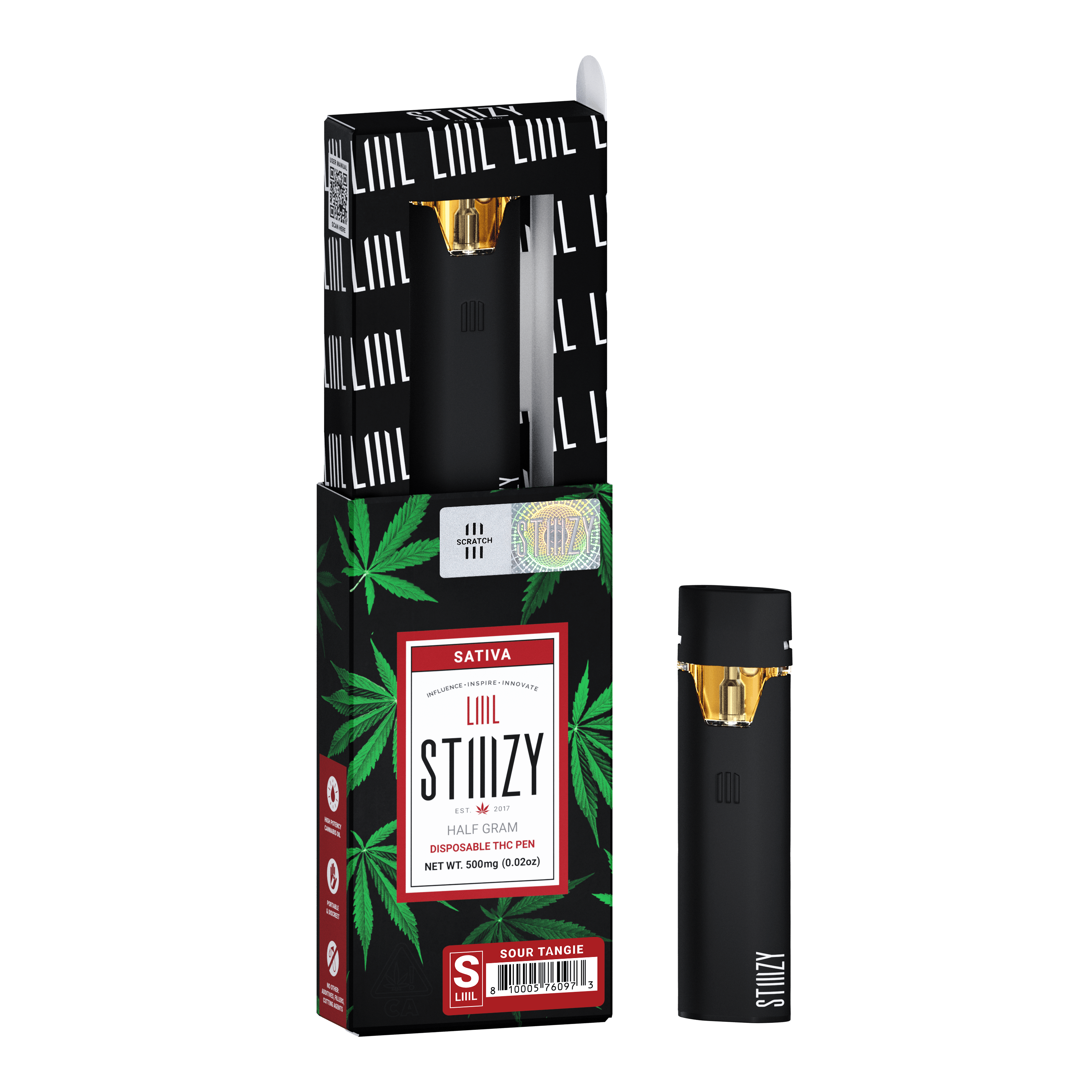
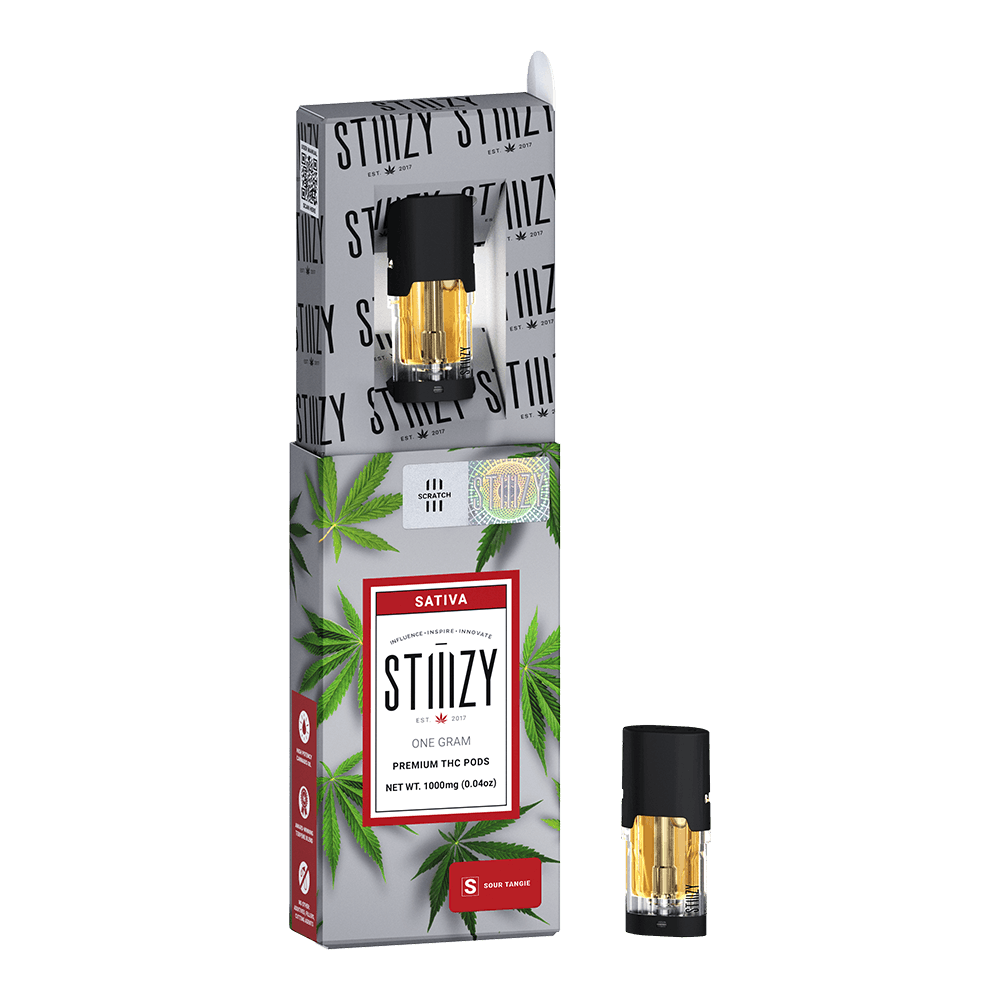
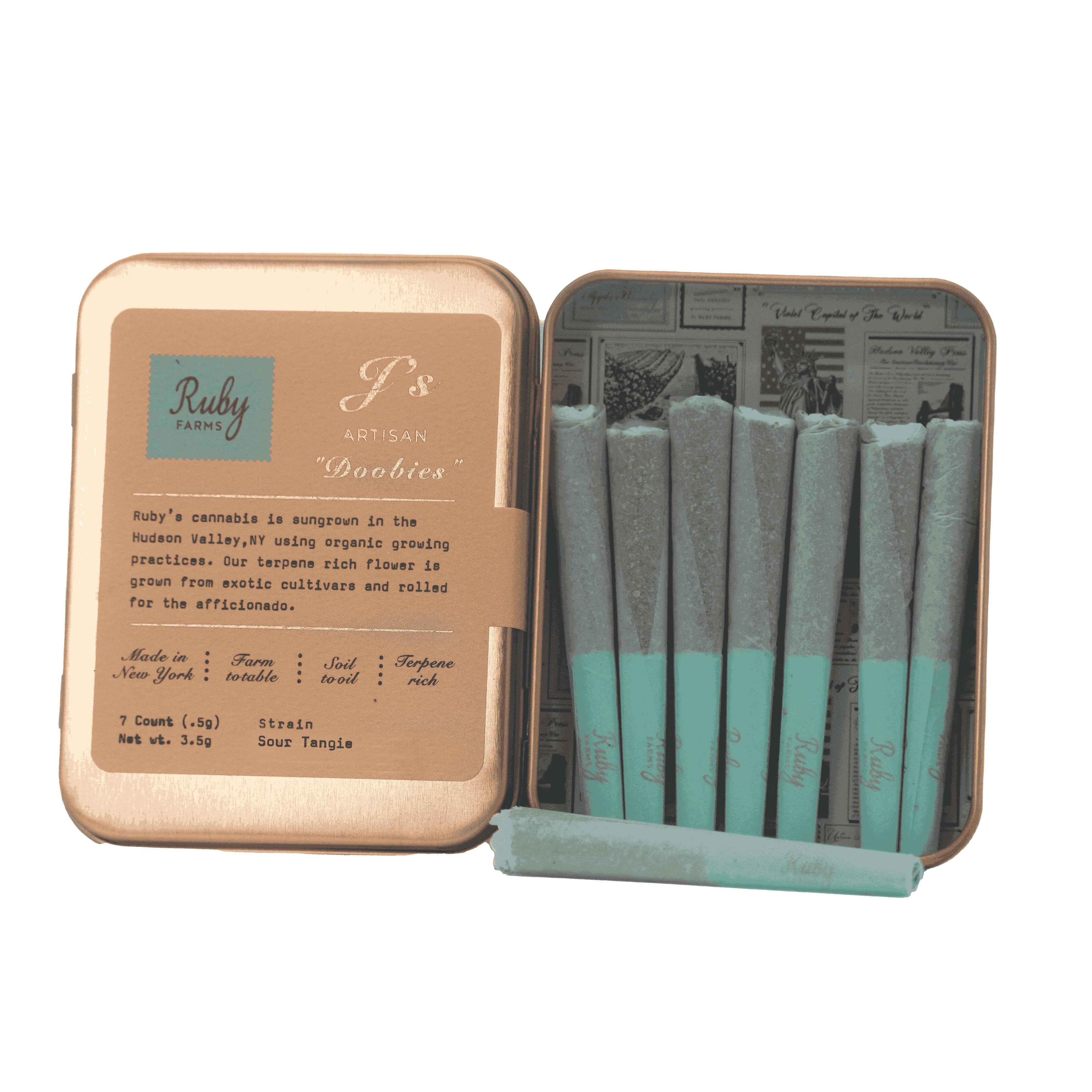
THC 30.08%·CBD 0.05%Sativa-Hybrid
Ruby FarmsSour Tangie | 7 Count Doobies | .5G/3.5G · 0.5g/7pk
$38.05
$43after tax
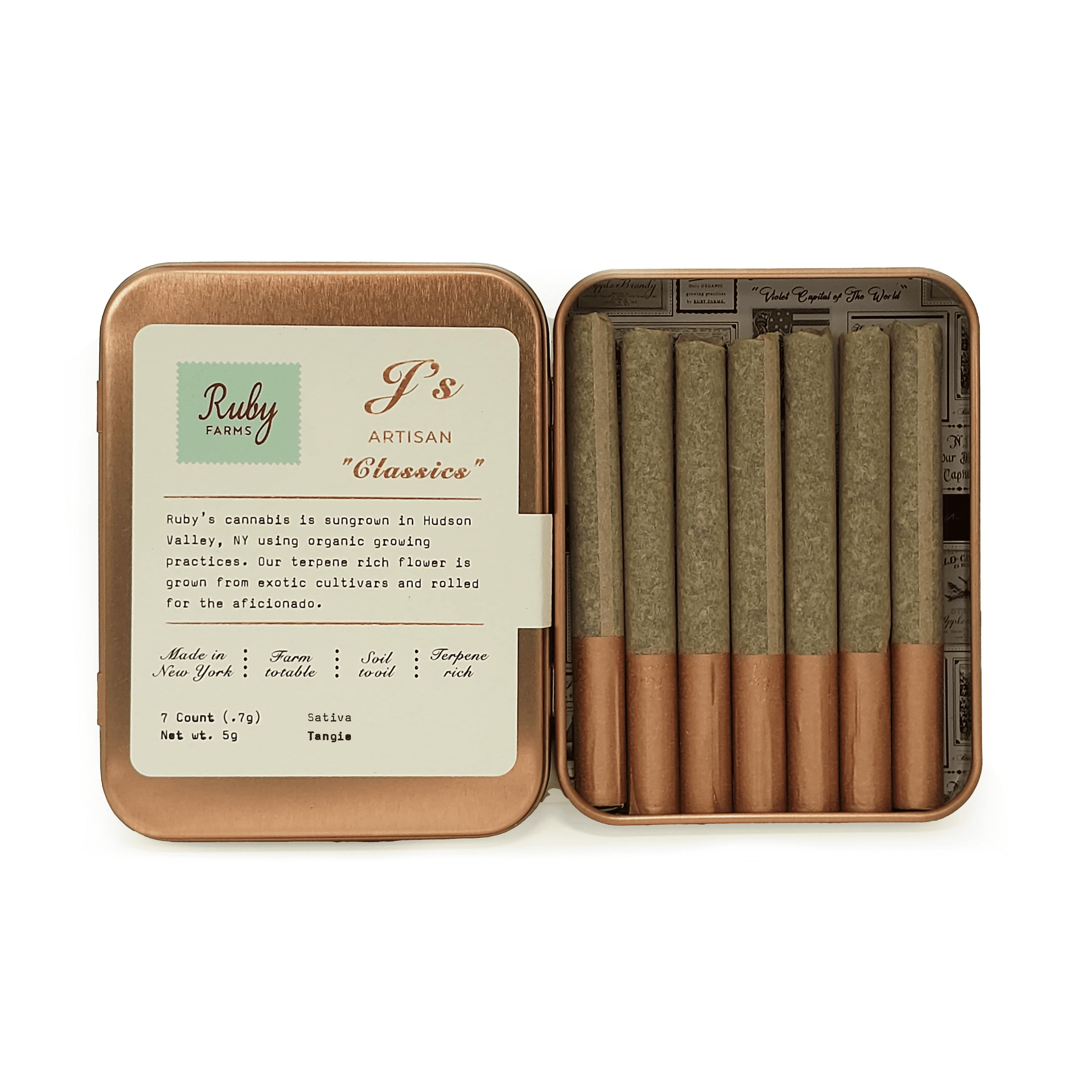
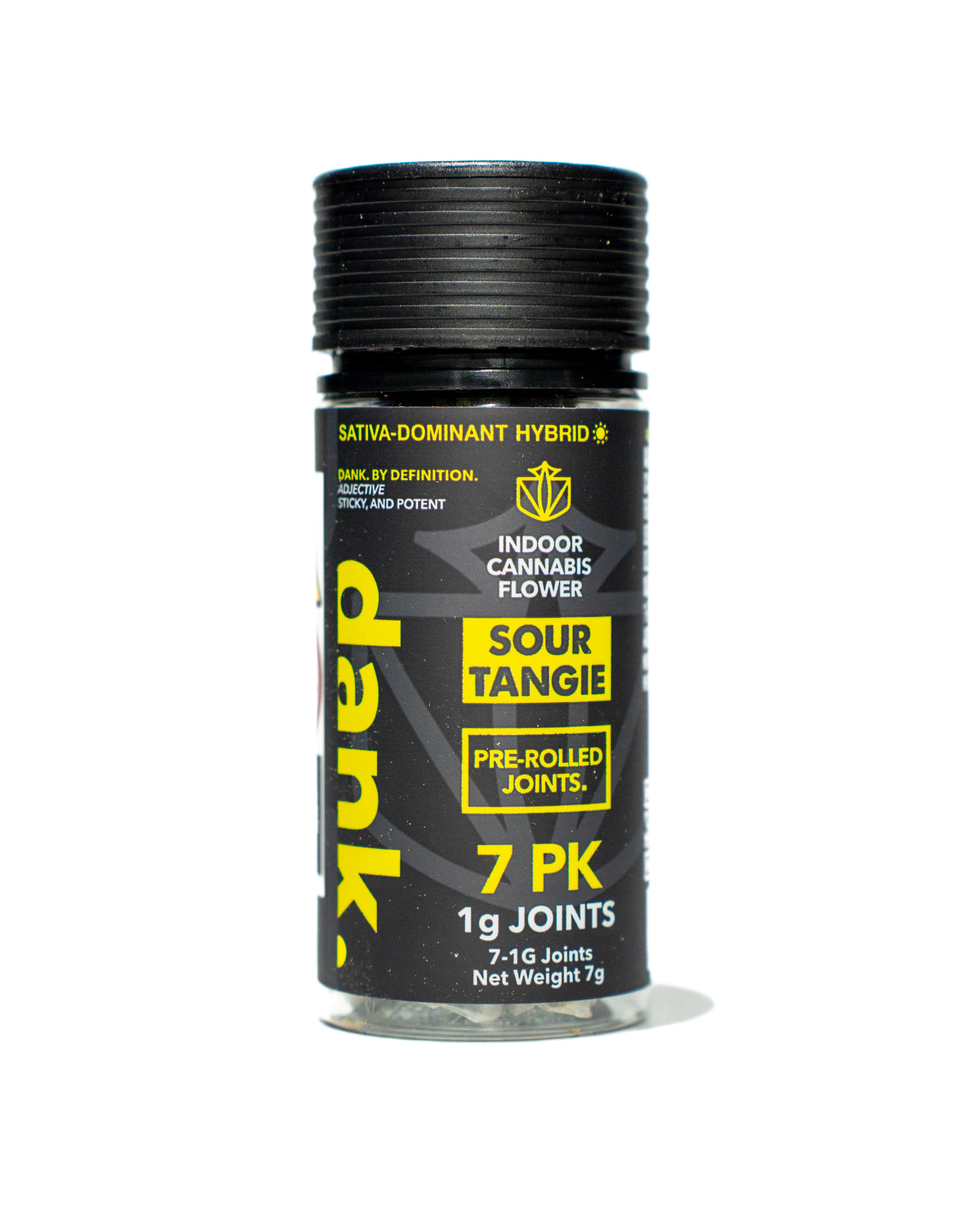
THC 26.16%Sativa-Hybrid
Dank By Definition.Dank | Sour Tangie | Preroll Pack | 7pk 7g · 7g
$70.00
$79after tax
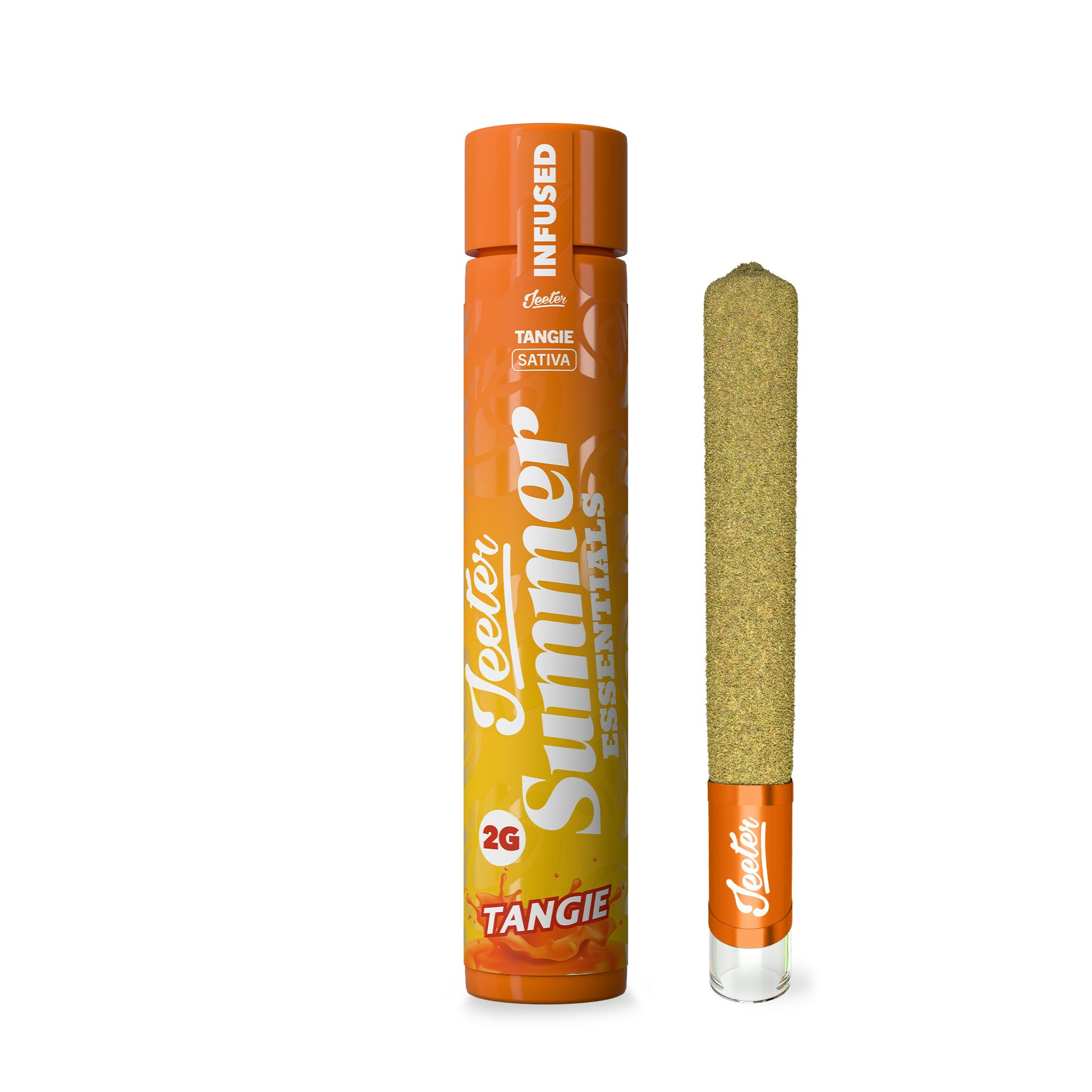
THC 32.32%Sativa
JeeterJeeter Tangie Infused W/ Liquid Diamonds, Rosin, Dusted In Kief Glass Tip Joint - Sativa · 2g
$39.82
$45after tax
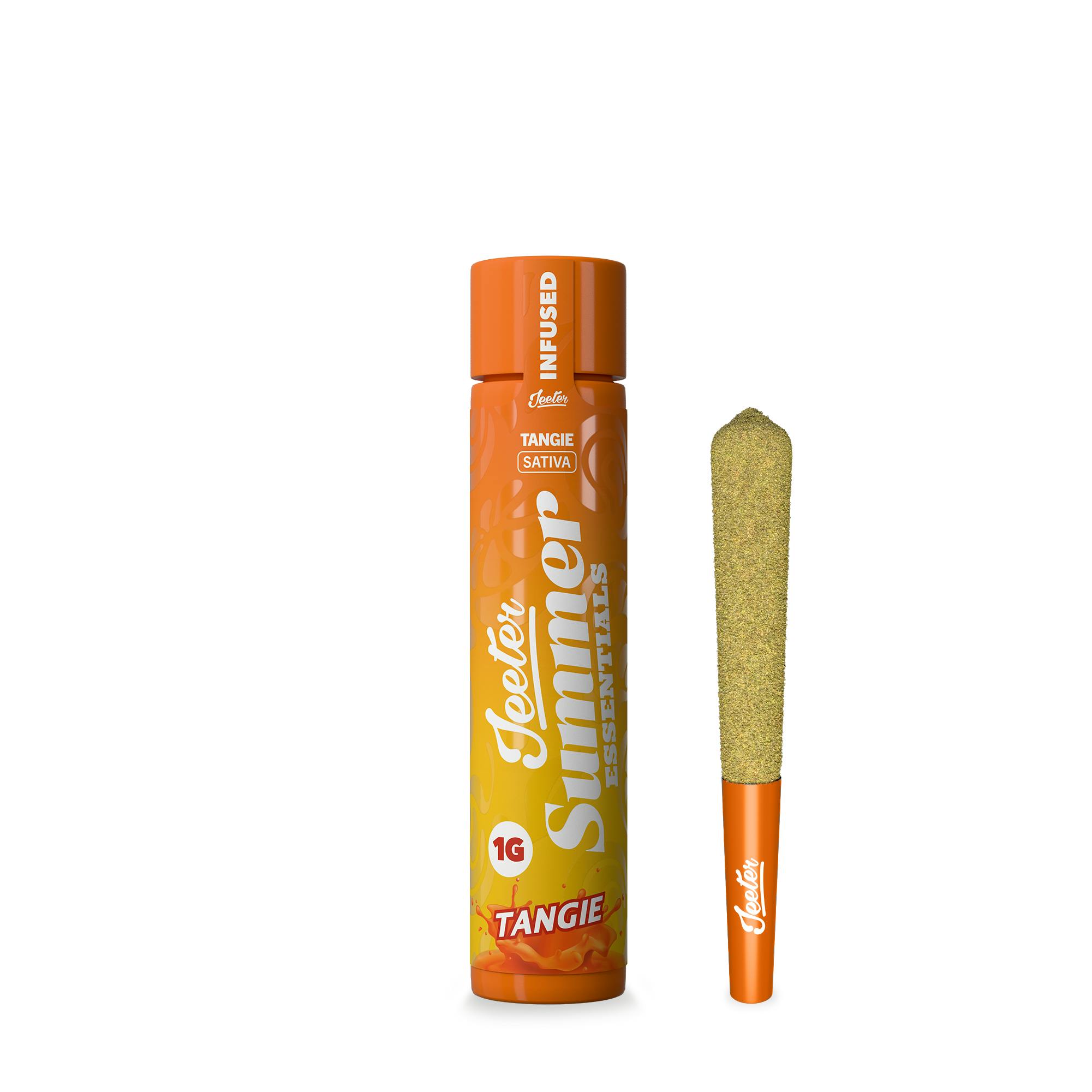
THC 34.83%Sativa
JeeterJeeter Tangie Infused W/ Liquid Diamonds, Rosin, Dusted In Kief Preroll - Sativa · 1g
$20.35
$23after tax
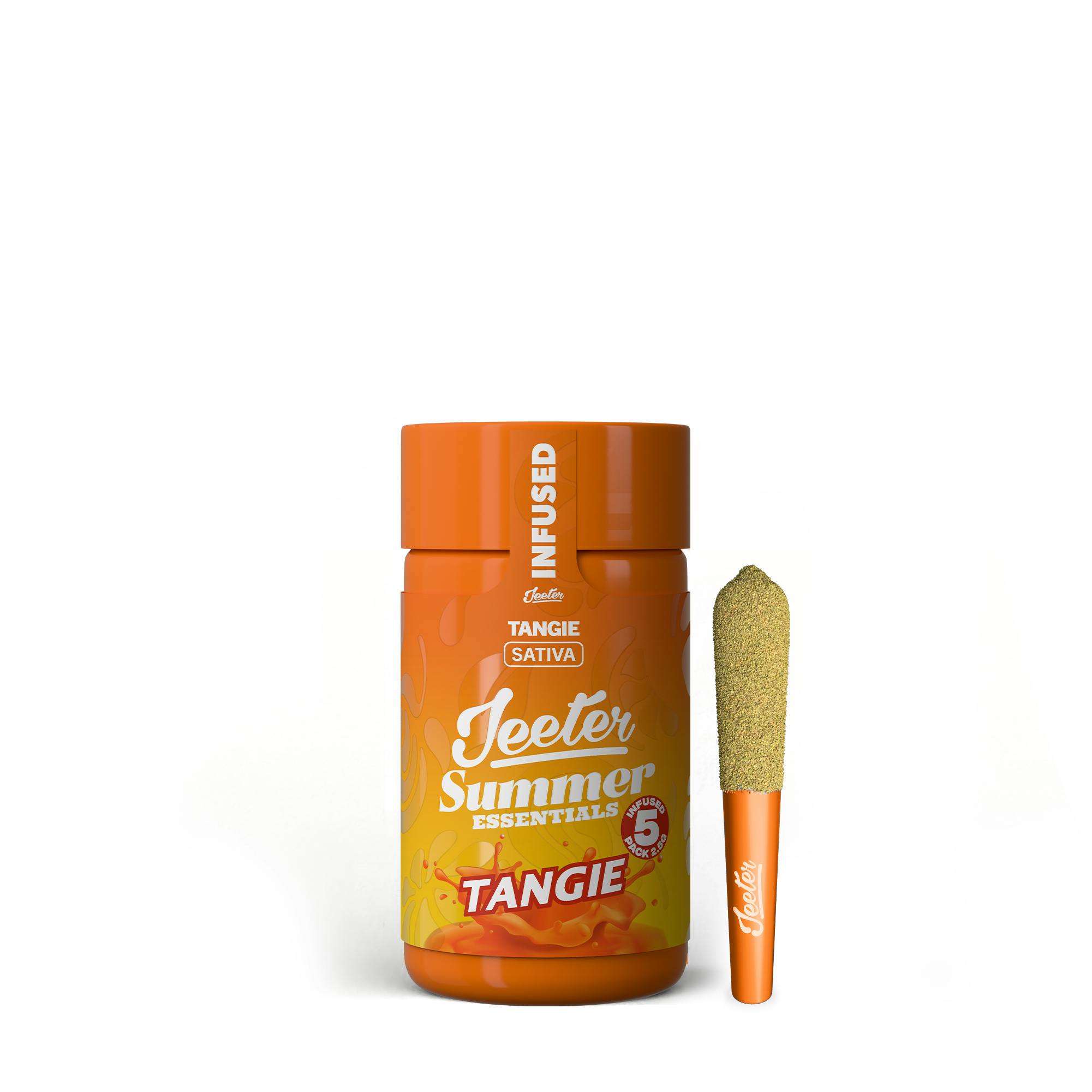
THC 35.64%Sativa
JeeterJeeter Tangie Infused W/ Liquid Diamonds, Rosin, Dusted In Kief Baby Preroll 5pk - Sativa · 0.5g/5pk
$43.36
$49after tax

On sale· 20% OFF
THC 47.31%Hybrid
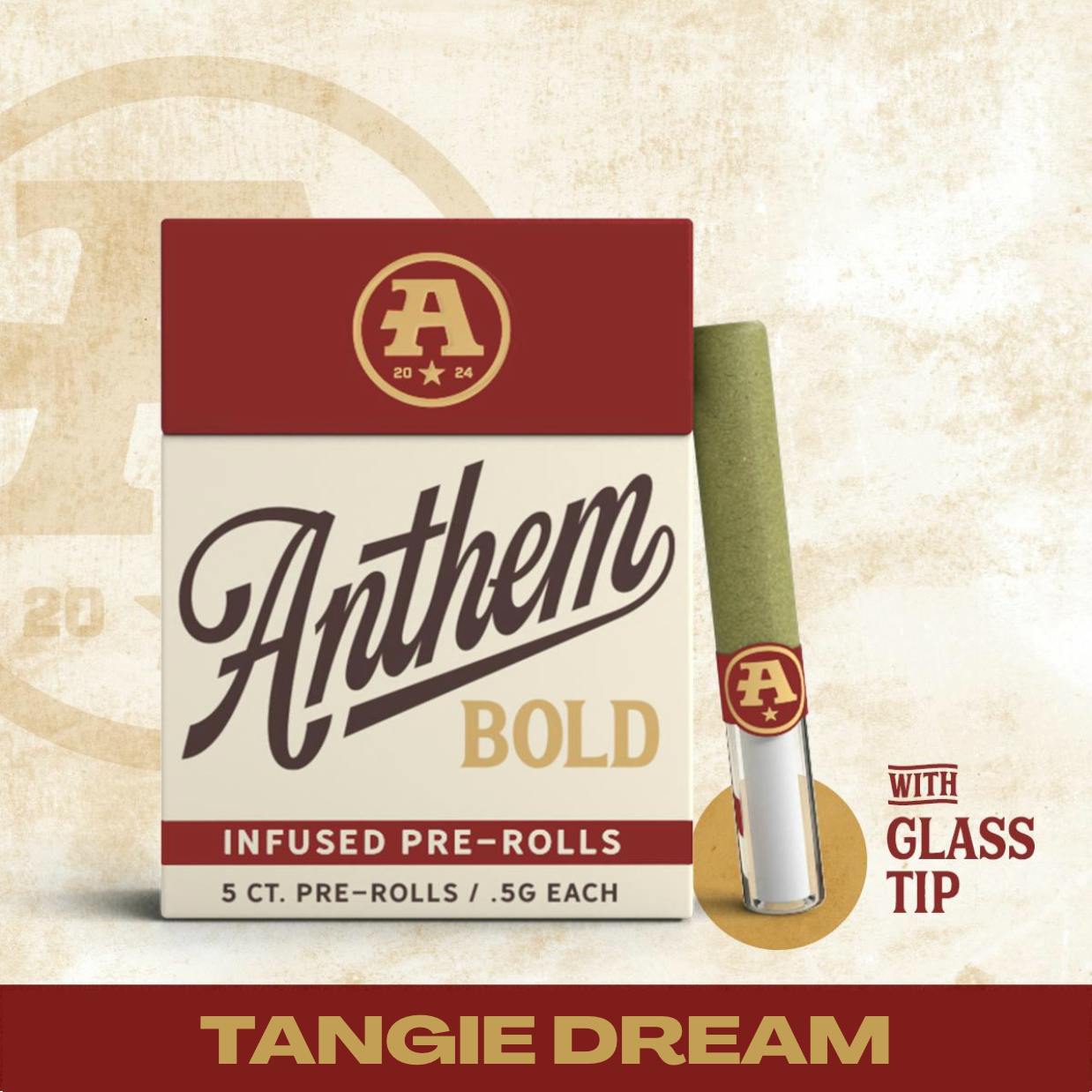
AnthemBold Glass Tip Infused Tangie Dream Pre-Roll 1g · 1g
$16.28$20.35
$19after tax
On sale· 20% OFF
THC 48.56%Hybrid
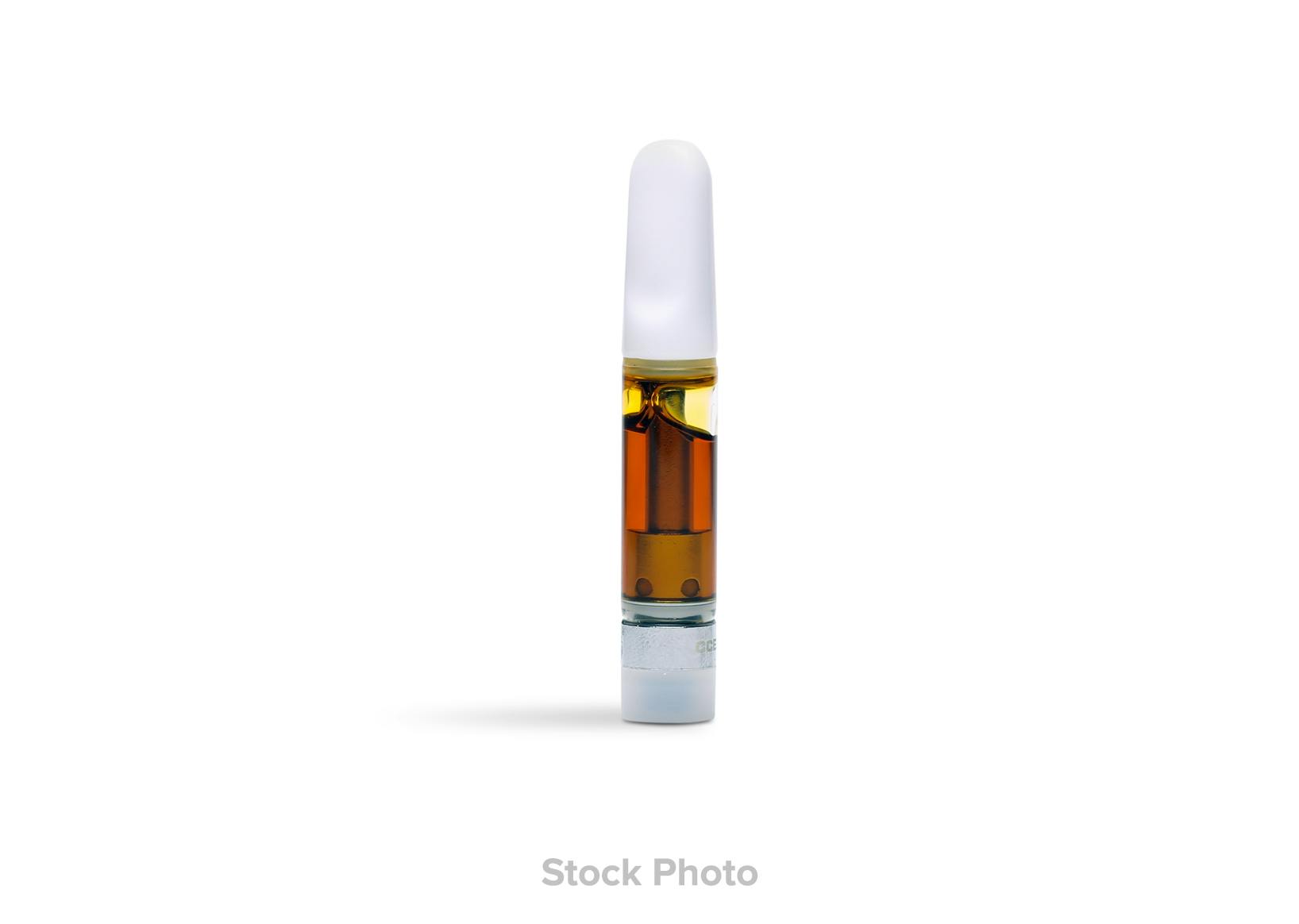
AnthemBold Glass Tip Infused Tangie Dream Pre-Roll pack (o.5g ea | 5-pack) · 0.5g/5pk
$31.86$39.82
$37after tax
THC 85.28%·CBD 0.63%Sativa
SelectSelect Legacy Series Briq2 - Sativa : Sour Tangie · 2g
$75.22
$85after tax
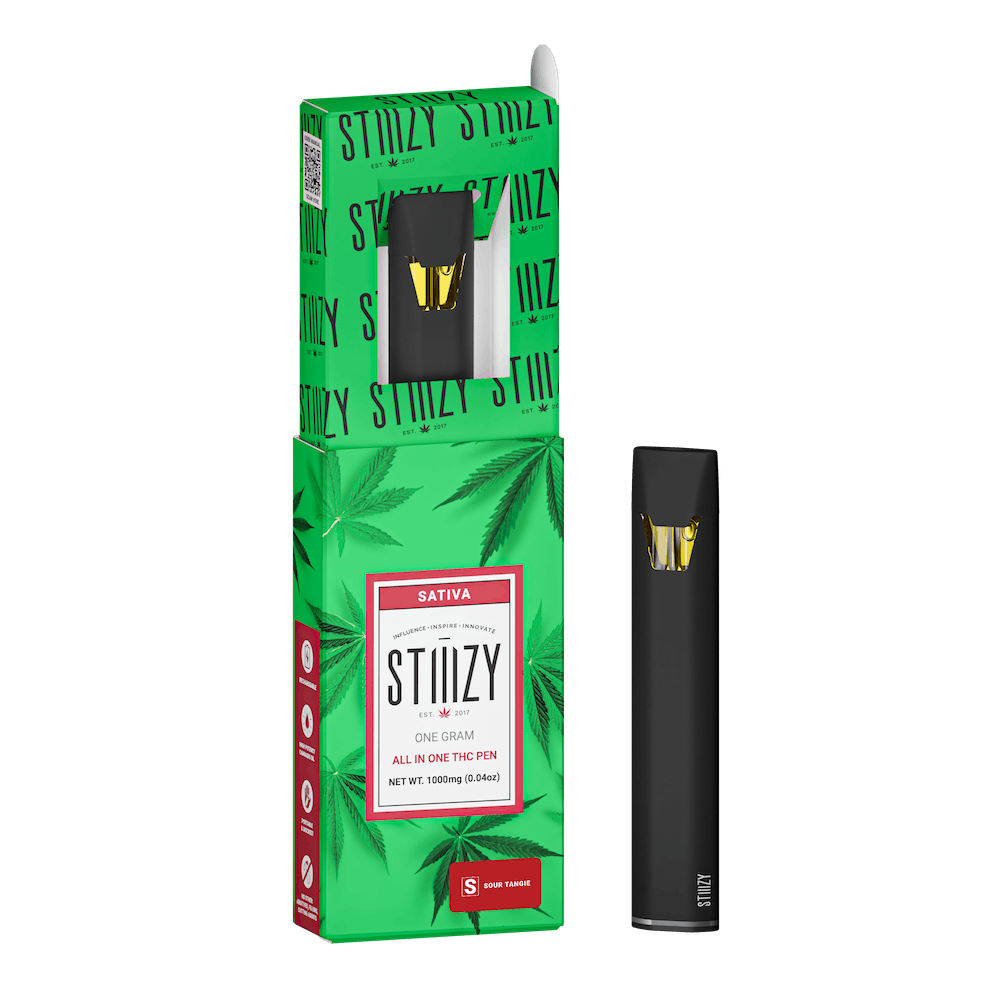
THC 85.15%Sativa-Hybrid
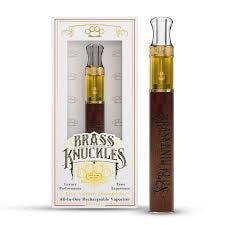
Brass KnucklesBrass Knuckles Sour Tangie Live Liquid Diamonds AIO Vape · 1g
$80.00
$90after tax
About Tangie
Everything to know about Tangie.
Lineage & origin
Tangie was developed by DNA Genetics, the Amsterdam-founded, California-rooted seed company known for bringing classic Dutch genetics into the modern era. Released around 2009 and gaining widespread recognition through the early 2010s, it was bred as a spiritual successor to the legendary Tangerine Dream — the iconic citrus sativa that dominated Amsterdam coffeeshop menus in the 1990s. DNA Genetics achieved this by crossing California Orange, a cultivar known for its clean, sweet citrus expression, with a Skunk hybrid that provided structural vigor and resin production. The result drew immediate comparisons to the original Tangerine Dream while standing on its own merits as a distinctly modern expression of citrus-forward cannabis. Its influence on the broader gene pool has been substantial: Clementine (a cross with Lemon Skunk) and Agent Orange both share close genetic territory, and Tangie itself has been used extensively as a parent in subsequent breeding projects. Karma Genetics' Biker Kush crosses and several Archive Seed Bank selections also trace partial lineage through Tangie-adjacent genetics. By 2015, Tangie had become one of the most decorated strains on the US competition circuit, earning recognition at the Cannabis Cup. Its rise coincided with a broader industry pivot toward terpene-forward evaluation, and in many respects Tangie served as an early proof of concept that aroma complexity could drive cultivar identity as powerfully as potency.
Effects
The onset of Tangie is characteristically brisk for a sativa-dominant cultivar. Most consumers report the first signals of cerebral activity within five to ten minutes when smoked or vaped — a brightening of mental focus, a gentle increase in associative thinking, and a mild elevation of mood that feels energetic rather than anxious. The experience does not typically carry the racing-heart quality that some high-THC sativas can produce, making the onset feel measured and inviting. At peak, Tangie leans decisively cerebral. The dominant effect profile centers on mental clarity and conversational energy, with a body component that remains present but subtle — a light warmth rather than sedation. This is largely consistent with the strain's terpene architecture, where limonene and terpinolene both contribute to an uplifting, slightly euphoric character. The intellectual sharpness that defines the peak makes Tangie well-suited to tasks requiring lateral thinking or sustained attention. Duration tends to run in the two-to-three hour range for moderate consumption, with a gradual and relatively clean comedown. There is rarely the abrupt energy drop associated with some high-terpinolene cultivars. Newcomers to sativa-dominant cannabis should observe the standard guidance: begin with a conservative amount, allow time to assess, and increase only as comfort permits. Dry mouth and occasional dry eyes are the most commonly reported side effects, while those sensitive to THC may notice mild anxiety at higher intake levels.
Aroma, flavor & terpenes
Tangie's terpene profile is among the most immediately recognizable in modern cannabis — its dominant note is an emphatic, almost candied mandarin orange that reads as natural fruit rather than artificial flavoring. This signature is anchored by an exceptionally high concentration of terpinolene, a monoterpene that contributes floral, slightly herbal, and citrus-adjacent complexity. Terpinolene is less common as a dominant terpene than myrcene or caryophyllene, which gives Tangie a distinctly unique olfactory fingerprint relative to most commercial cultivars. Secondary terpenes include limonene, which amplifies and sharpens the citrus character with a crisper, more zest-forward quality — think the white pith and outer rind rather than the juice. Myrcene appears in a supporting role, adding a faint earthy musk that keeps the profile grounded and prevents it from reading as one-dimensional. Ocimene contributes a subtle tropical sweetness — hints of mango and green papaya — that emerges more clearly when the flower is gently warmed before consumption or when vaped at moderate temperatures. On the palate, fresh Tangie flower is exceptionally expressive. The inhale delivers a smooth, sweet citrus and floral note, while the exhale reveals a slight herbal, almost sage-like undertone courtesy of the Skunk heritage. Vapor tends to amplify the fruit-forward qualities, while combustion brings a richer, slightly more savory finish. The smoke is generally smooth and not harsh, and the aftertaste lingers pleasantly with a clean orange-peel impression.
Appearance
Tangie produces medium to large buds with a somewhat elongated, conical structure typical of sativa-leaning genetics — less densely packed than an indica-dominant cultivar but by no means airy or loose. The calyxes stack in a way that gives each bud a slightly tapered silhouette, a trait inherited from the California Orange side of its parentage. The color palette tends toward lighter, sage-influenced greens with occasional yellow-gold hues as the flower matures and cures. Vivid orange pistils wind throughout the bud, echoing the strain's citrus identity in a visually cohesive way. Trichome coverage is generous and gives well-grown specimens a frosted, almost crystalline sheen under direct light — not as uniformly white as some OG-derived cultivars, but present enough to indicate substantial resin development. The overall impression is of a lively, expressive flower that communicates freshness through both its color and its aroma.
Growing notes
Tangie is considered moderately challenging to cultivate, rewarding growers who have some experience managing sativa-dominant stretching during the early flowering phase. Indoors, it typically finishes in nine to ten weeks of flower, a timeline consistent with its sativa character. Yields are moderate to generous when trained properly — techniques such as low-stress training or a screen of green setup help manage the plant's vertical ambition and improve light penetration to lower canopy sites. Outdoors, Tangie thrives in warm, Mediterranean-style climates with abundant direct sun and low humidity during the late flowering window — conditions that encourage full terpene expression and reduce the risk of mold in the denser portions of the canopy. In the Northern Hemisphere, outdoor harvest typically falls in mid-to-late October. The plant responds well to consistent feeding but can be sensitive to nutrient excess; a measured approach to nitrogen in late veg and a clean flush before harvest helps preserve the delicate citrus terpene profile. For the cultivator-curious shopper, Tangie is a rewarding study in how environmental conditions and harvest timing directly shape the aromatic character of the final flower.
When it's best enjoyed
Tangie is, by temperament, a morning and midday companion. Its clear-headed, energizing character makes it a natural fit for the hours when creative output, focused work, or engaged socializing is on the agenda. A solo writing session — the kind where ideas need to flow freely rather than be forced — aligns well with what Tangie brings to the experience. Similarly, it suits the pre-activity ritual: something to consider before a gallery visit, a long walk through a city neighborhood, or an afternoon spent at a farmers' market. In a social context, Tangie functions well at small, conversational gatherings where the goal is engaged discussion rather than relaxation. Its terpene profile, heavy in terpinolene and limonene, pairs naturally with bright, acid-forward food and drink: a citrus-dressed ceviche, a glass of dry Riesling, or a sparkling water with lime. Musically, the strain's energy maps well to rhythmically complex but melodically warm recordings — Brazilian jazz, certain corners of soul and funk, or the more introspective end of electronic music. It is generally not the strain to reach for when deep rest or a slow evening wind-down is the intention.
If you like Tangie, also explore
Clementine
A direct genetic relative — Tangie crossed with Lemon Skunk — that shares the citrus-forward terpene architecture and uplifting sativa character while offering a slightly sharper, lemon-zest-dominant aroma.
Agent Orange
Another citrus-expressive sativa hybrid with overlapping terpene territory; fans of Tangie's mood-lifting, fruit-forward profile will find familiar ground in Agent Orange's sweet orange and candy-like character.
Tangerine Dream
The spiritual predecessor that Tangie was designed to honor, sharing the mandarin-citrus identity while offering a slightly more balanced sativa-hybrid feel with European genetic roots.
Super Lemon Haze
A fellow Skunk-influenced, citrus-dominant sativa with a similarly energetic and creative effect profile; those drawn to Tangie's terpinolene-limonene combination often appreciate Super Lemon Haze's lemon-candy expression.
California Orange
One of Tangie's parent strains, California Orange offers a softer, slightly more balanced version of the citrus-cannabis experience for those who enjoy Tangie but prefer a more tempered intensity.
Common questions
Is Tangie indica or sativa?+
Tangie is classified as a sativa-dominant hybrid. Its parentage — California Orange crossed with a Skunk hybrid — skews the genetic expression strongly toward sativa characteristics: an uplifting, cerebral effect profile, a longer flowering time, and elongated bud structure. The body component is present but light, meaning Tangie reads and behaves as a functional daytime strain rather than a relaxing or sedating one.
What does Tangie taste like?+
The flavor profile centers on a vivid, sweet mandarin orange — candied and natural at once, with a citrus-peel brightness on the exhale. Secondary notes include a faint floral quality and a subtle herbal, slightly savory undertone that emerges at the finish, a nod to its Skunk lineage. Vapor tends to express the fruit-forward qualities most cleanly, while combustion brings a richer, slightly earthier finish.
What are the typical effects of Tangie?+
Tangie typically produces a clear-headed, uplifting cerebral experience with a light, warm body component. Onset is relatively quick — most consumers notice a brightening of mental focus and a gentle mood elevation within the first ten minutes. The peak is energetic and social rather than sedating, and the experience tends to run two to three hours before a gradual, clean comedown. It is generally considered a daytime-appropriate strain.
What strains are similar to Tangie?+
Consumers who enjoy Tangie often find similar satisfaction in Clementine, a direct genetic descendant with a sharper lemon-citrus profile; Agent Orange, which shares the sweet citrus character; Super Lemon Haze, another terpinolene-rich sativa with an energizing disposition; and Tangerine Dream, the classic Amsterdam cultivar that Tangie was bred to evoke. California Orange, one of Tangie's parents, offers a softer version of the same citrus experience.
Is Tangie good for beginners?+
Tangie can be approachable for newer consumers, but its sativa-dominant character warrants some caution. High-THC sativas can occasionally produce mild anxiety or overstimulation in those with low tolerance or sensitivity to THC. The standard guidance applies: begin with a conservative amount, allow ten to fifteen minutes to assess the experience, and avoid the instinct to re-dose quickly. Starting with a low-temperature vape setting can help calibrate the experience more precisely.
What are the dominant terpenes in Tangie?+
Tangie's terpene profile is anchored by terpinolene — a relatively uncommon dominant terpene that contributes its distinctive floral, herbal, and citrus-orange character. Limonene plays a strong supporting role, sharpening the citrus expression with a zest-forward quality. Myrcene appears in a minor capacity, adding a grounding earthy note, while ocimene contributes subtle tropical sweetness. This specific combination, led by terpinolene, is what gives Tangie its singular and highly recognizable aromatic identity.
Who bred Tangie and when was it released?+
Tangie was developed by DNA Genetics, a seed company originally founded in Amsterdam with deep roots in both Dutch and Californian cannabis culture. The strain was released around 2009 and gained significant recognition by the early-to-mid 2010s, winning Cannabis Cup recognition by 2015. It was conceived as a modern interpretation of the classic Tangerine Dream that had defined Amsterdam's citrus-sativa tradition in the 1990s.
When is the best time of day to consume Tangie?+
Tangie is best suited to morning and midday consumption, given its energizing and cerebral effect profile. Its terpene composition — led by terpinolene and limonene — supports alertness and creative engagement rather than relaxation. Most experienced consumers would not choose it as an evening or pre-sleep option. It pairs well with active, social, or creative pursuits and is generally considered one of the more purposeful daytime cultivars available.
Related strains