
THC 40.64%Indica
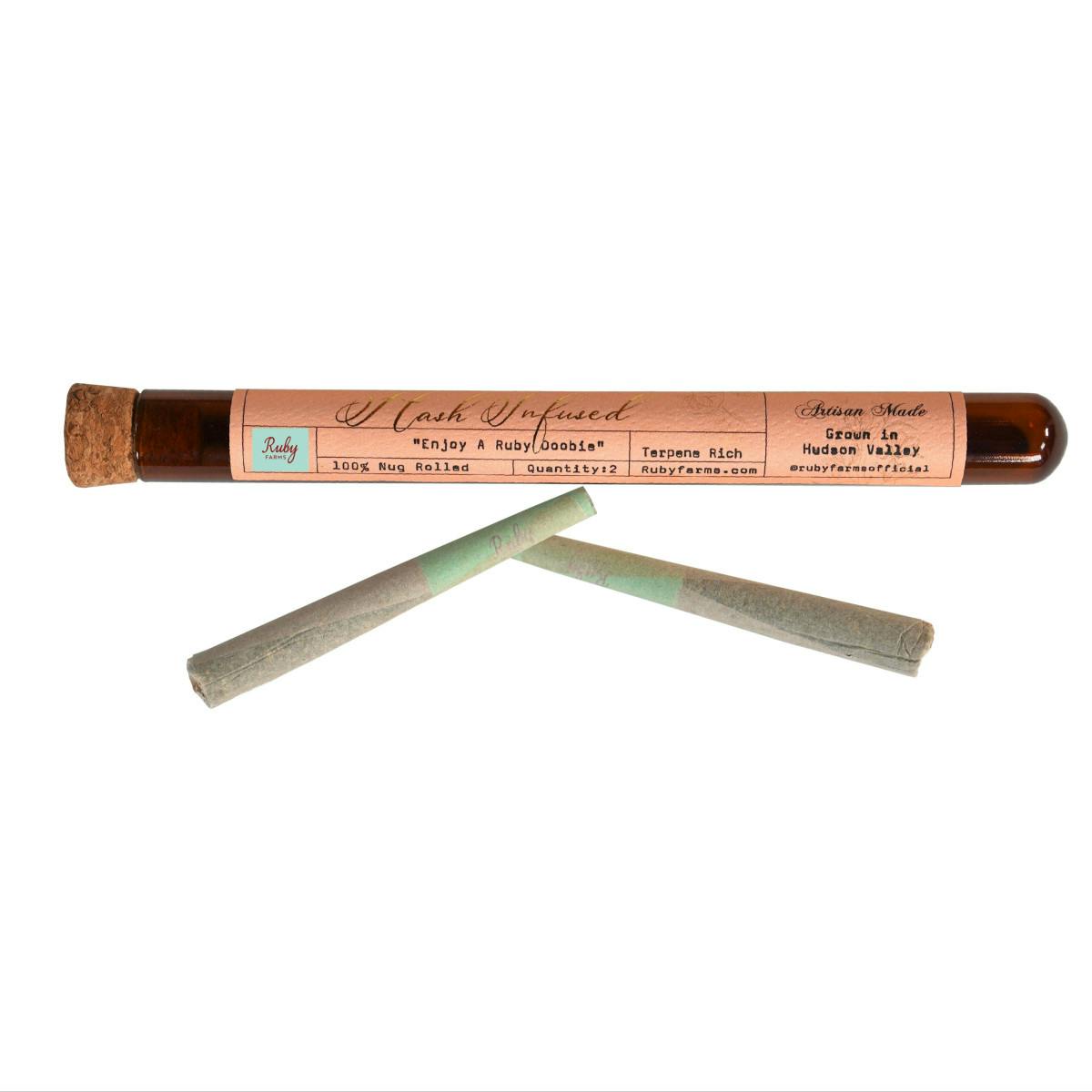
Ruby FarmsRuby Farms Blueberry DJ Cut Hash Infused Doobies 10pk · 0.5g/10pk
$58.41
$66after tax

weeddispensarynearme.com
You must be 21 years or older to enter. By entering, you confirm you’re of legal age in your state to purchase cannabis.
For use only by adults 21+ • Keep out of reach of children
30 live products in stock
Quick answer · What is the Blueberry cannabis strain?
Blueberry is a foundational American indica whose reputation has endured for more than four decades. Born from a careful blending of diverse landrace genetics, it delivers a gentle, enveloping warmth alongside an aroma so faithfully reminiscent of ripe fruit that it has become a benchmark for evaluating berry-forward cannabis. Unhurried and deeply relaxing, Blueberry rewards those who approach it with patience and intention.
$66after tax
$24after tax
$37after tax
$56after tax
$25after tax
$56after tax
$35after tax
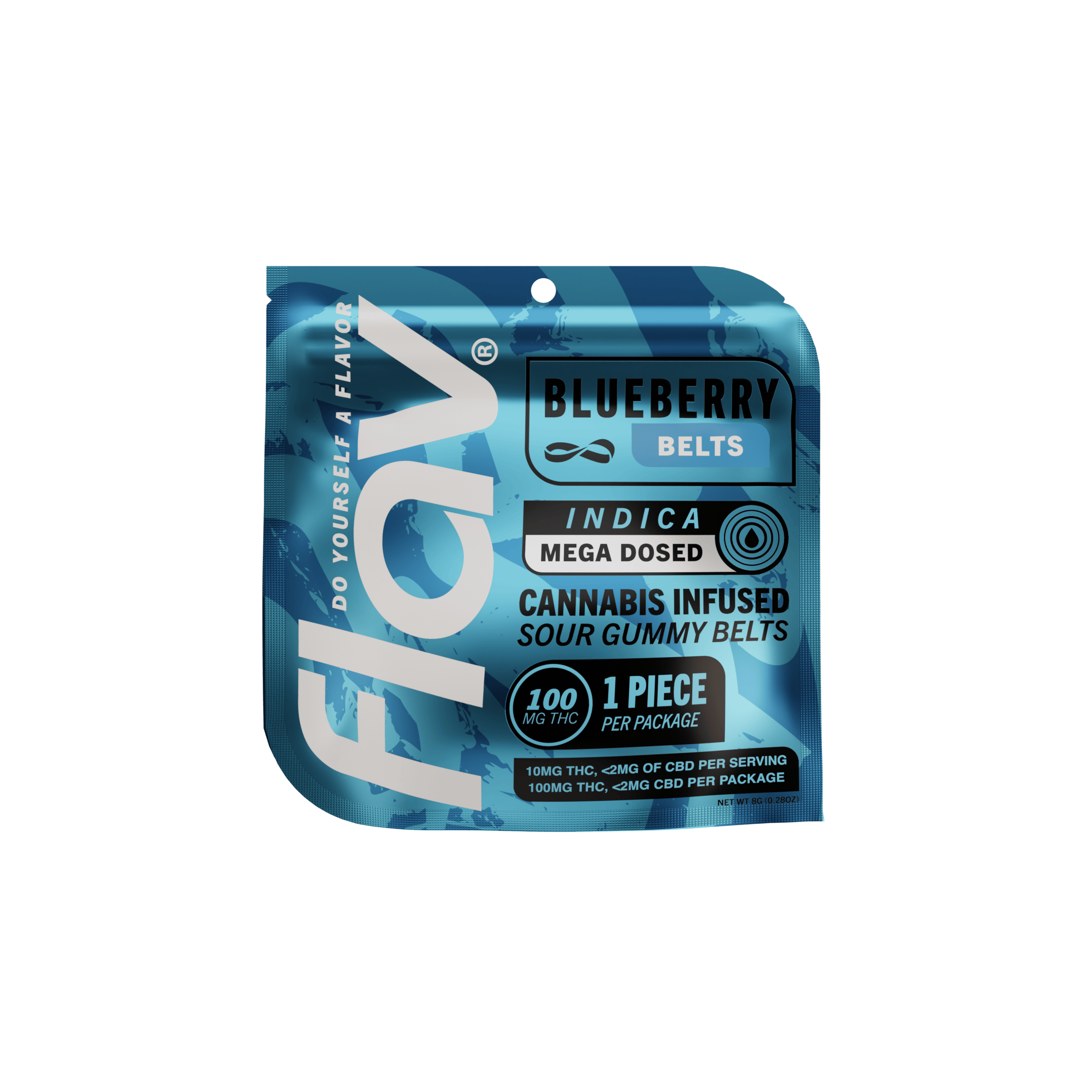
$11after tax
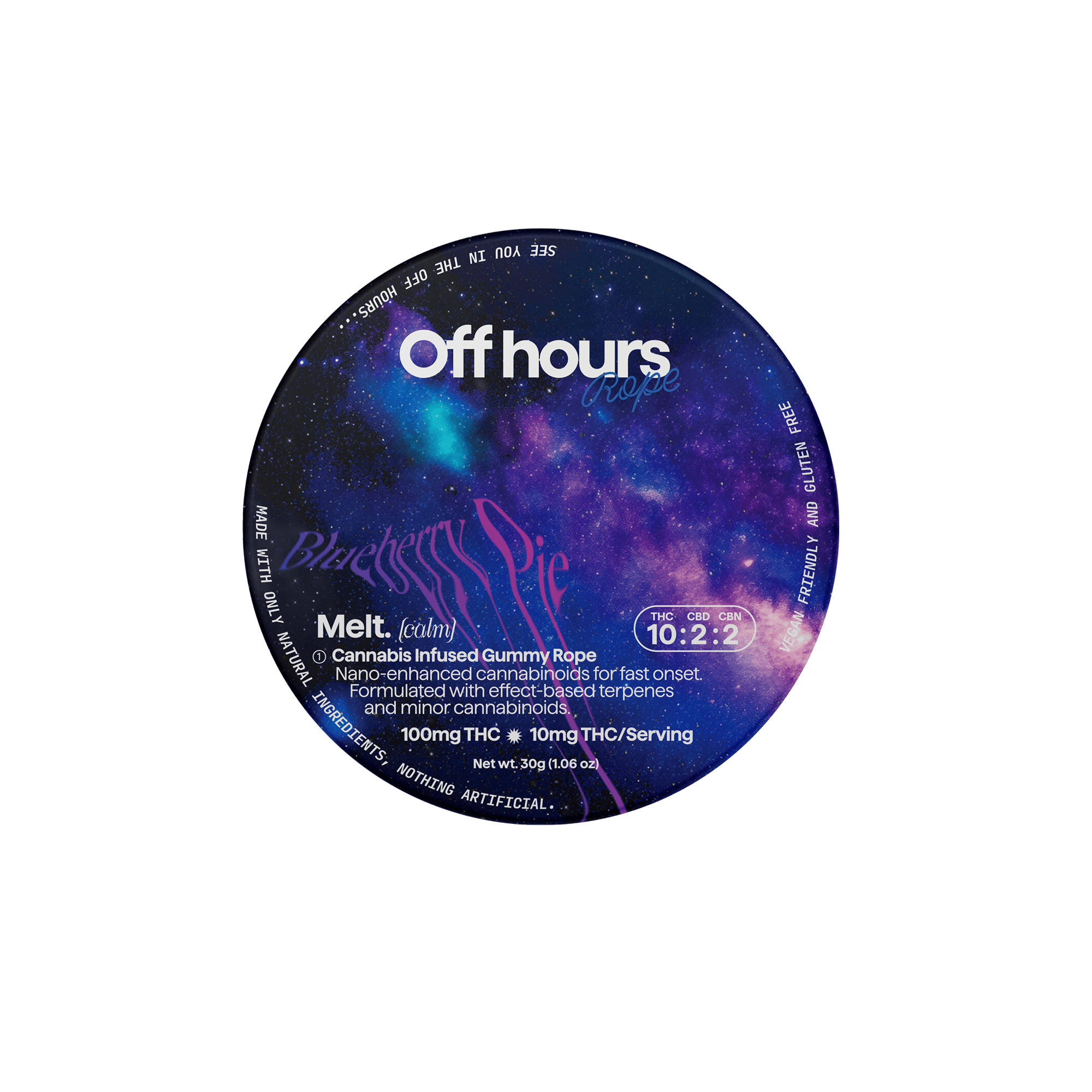
$30after tax
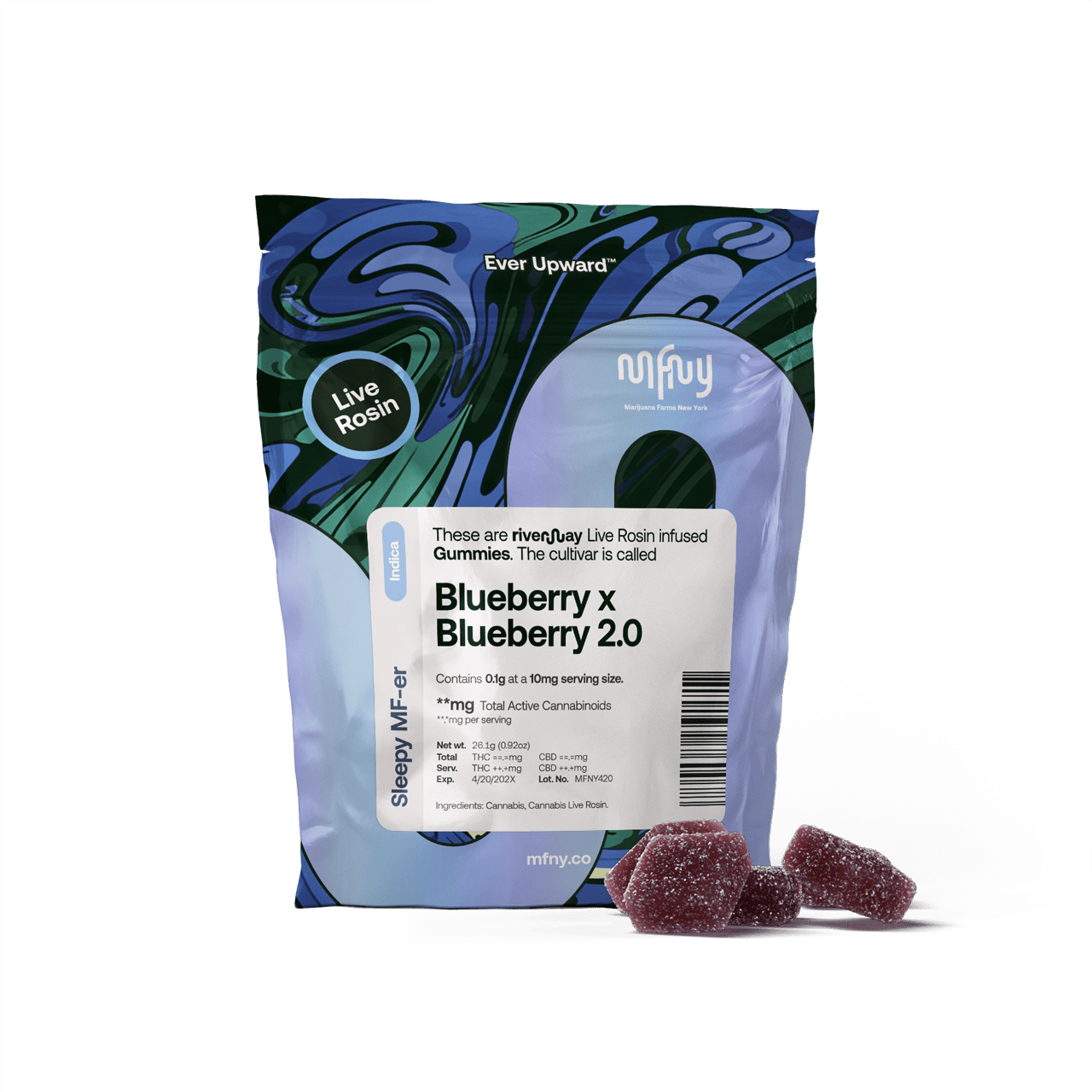


$25after tax
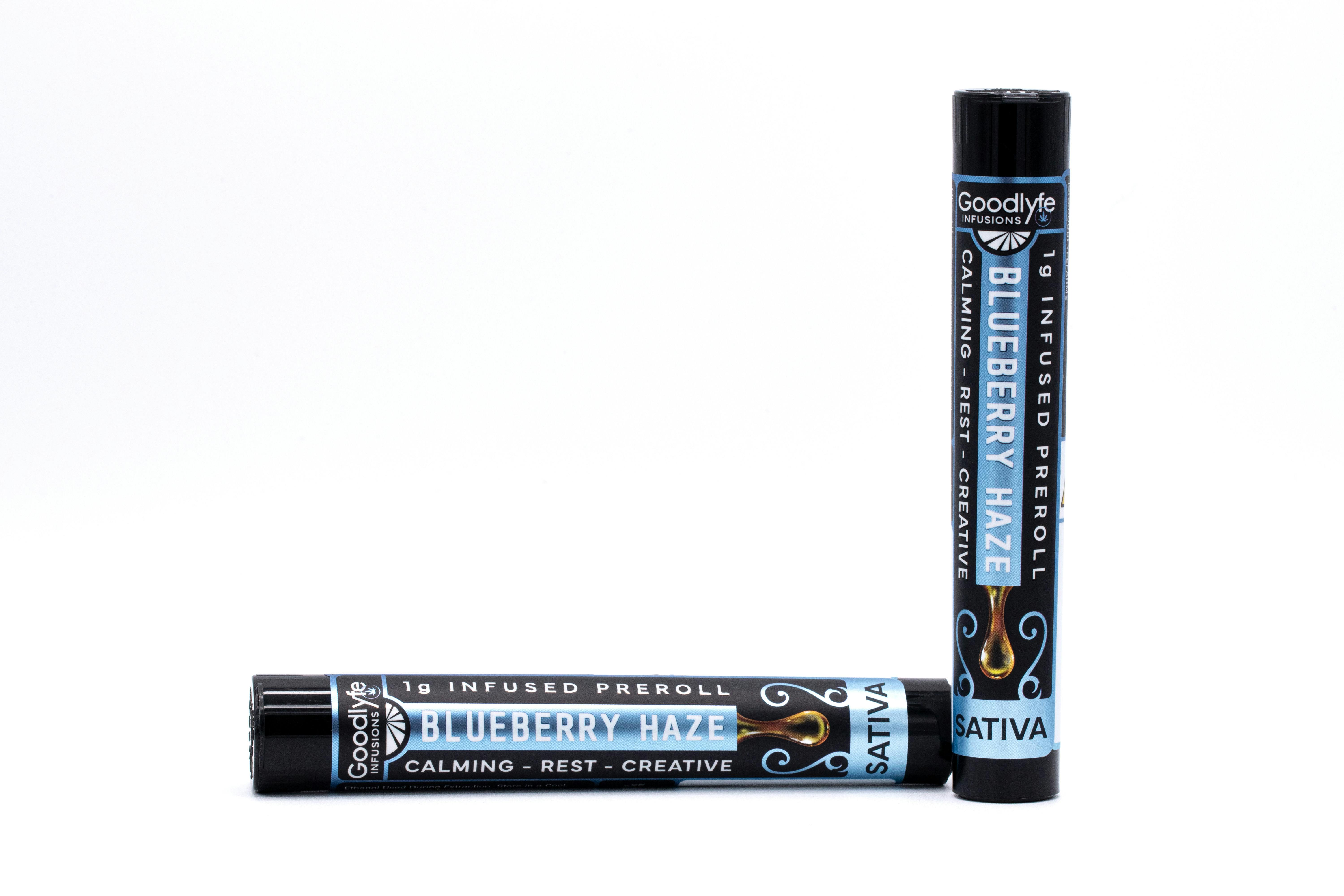
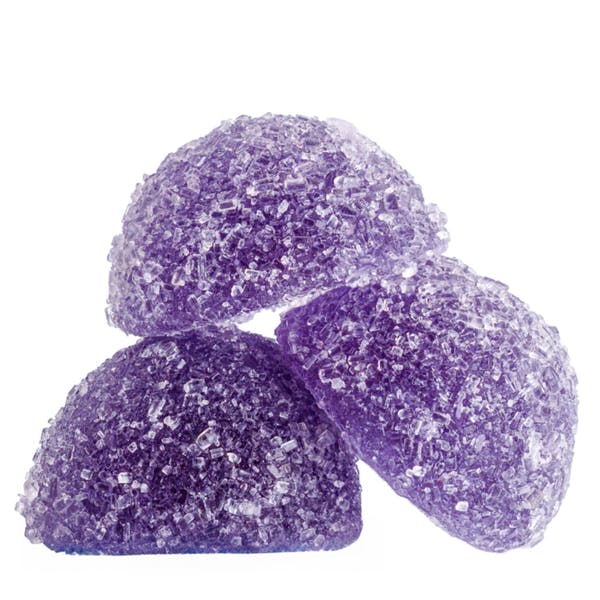
![Camino Midnight Blueberry 5:1 'Sleep' Gummies [20pk]](https://images.dutchie.com/de3d22d223353a8ac2fff508ff538643)




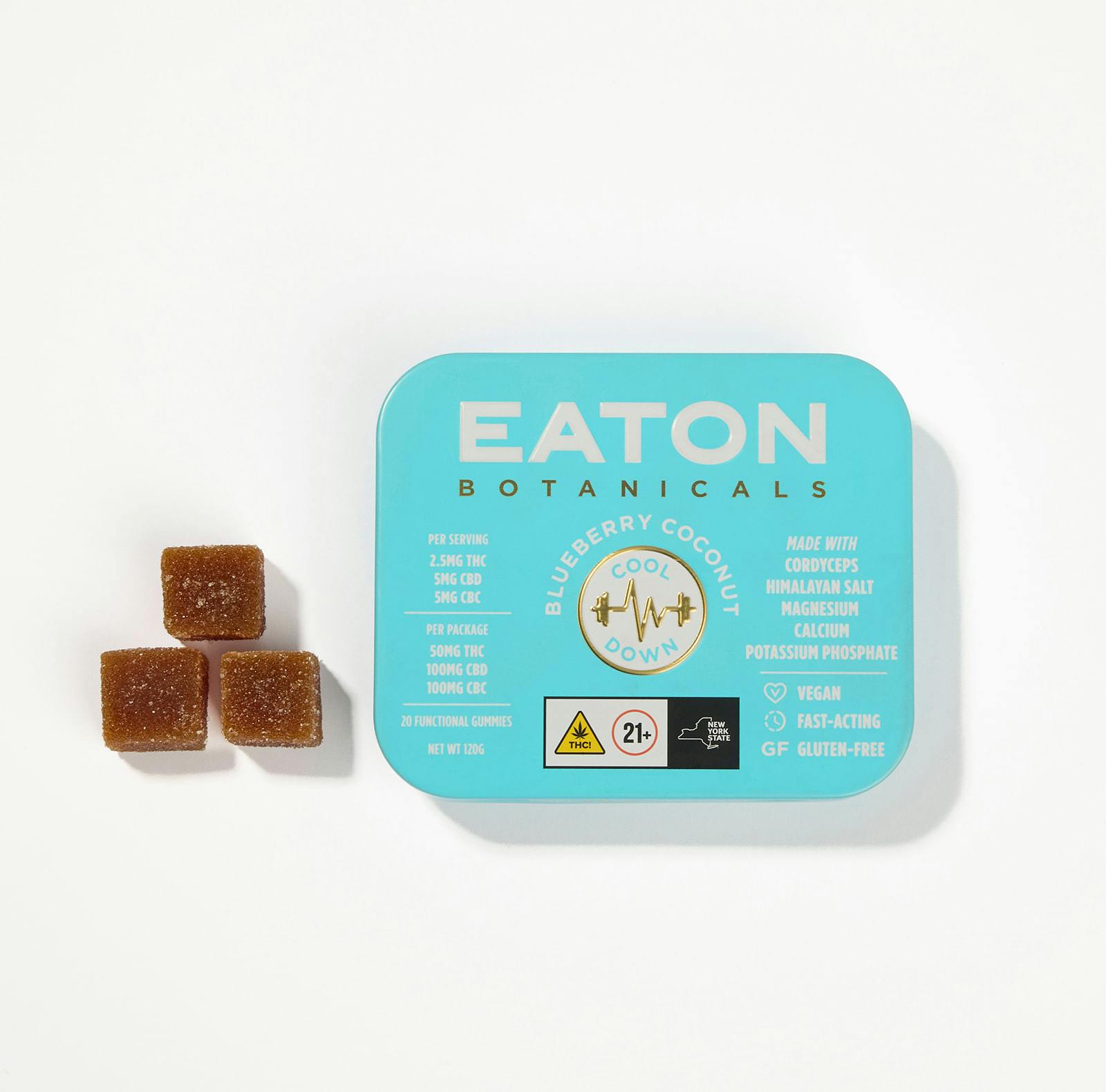
$36after tax
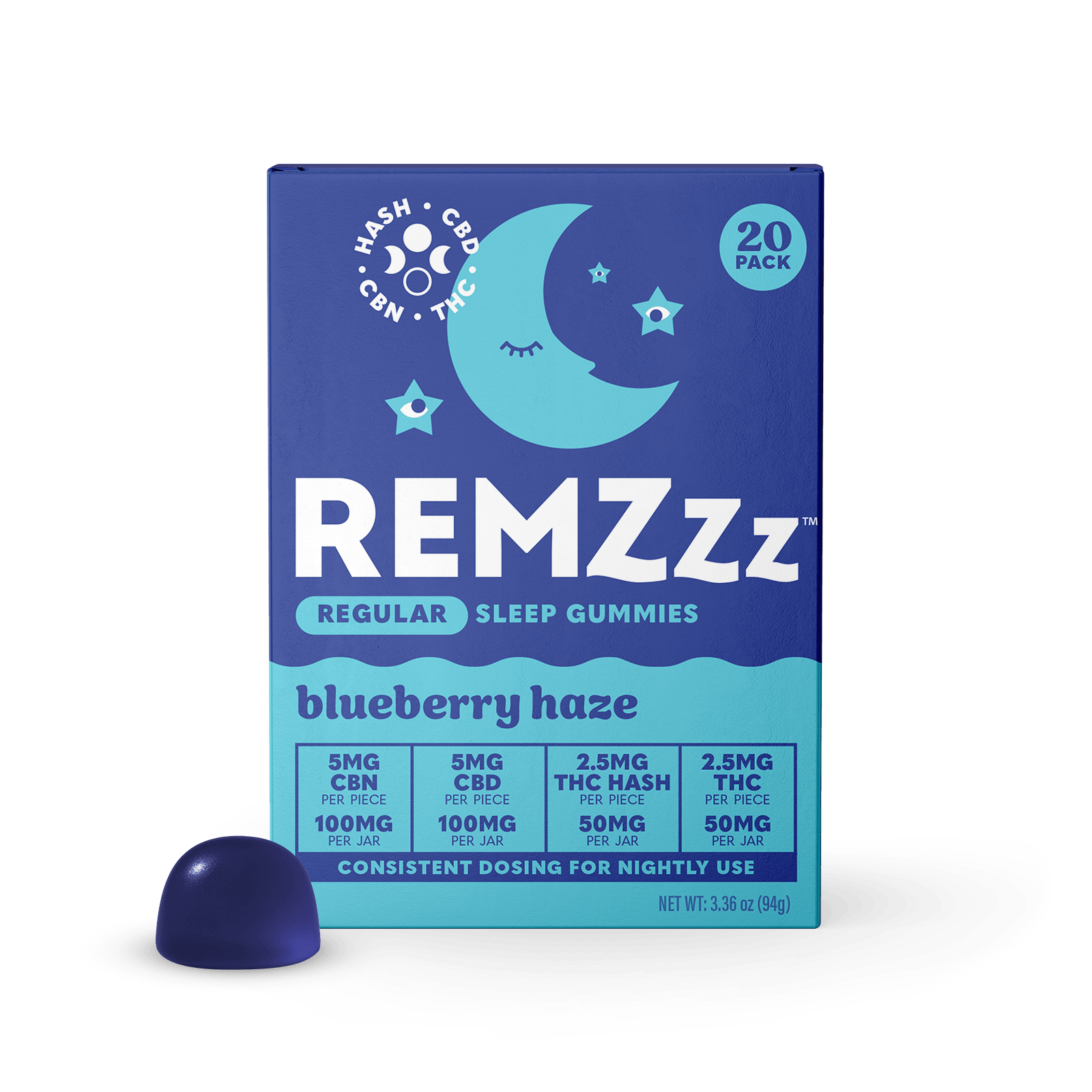
$32after tax
About Blueberry
Blueberry was developed by Oregon-based breeder DJ Short, who began working with the genetics in the 1970s and formally introduced the strain to the wider cannabis community in the 1980s. The lineage draws from three landrace contributors: a Purple Thai (sometimes listed as Highland Thai or Chocolate Thai), an Oaxacan Gold sativa from Mexico, and an Afghani indica. DJ Short spent years selecting for the distinctive blue and purple hues, the characteristic berry aroma, and the calm, body-forward effect profile that have since defined the cultivar. The strain achieved landmark recognition when it won the High Times Cannabis Cup for Best Indica in 2000, a result that solidified its reputation globally and prompted a wave of Blueberry-derived breeding projects. DJ Short's work is widely documented in his own published writings and in cannabis literature from that era, making Blueberry one of the few classic strains with a reasonably well-attributed genetic history. Among its most influential descendants are Blue Dream, a cross with Haze that became one of the most commercially successful strains in the United States, and Blue Cheese, a UK-origin cross with UK Cheese. Blue Moonshine, another DJ Short creation, shares the same Blueberry base. Several phenotypes of Blueberry itself circulate in the market — some leaning more toward the Afghani body, others expressing more of the Thai aromatic complexity — making phenotype selection a meaningful consideration for connoisseurs.
The onset of Blueberry's effects is characteristically gradual, typically arriving within five to ten minutes when smoked or vaped and building gently over the following quarter hour. The initial impression is often a mild, warm uplift in mood — a quiet brightening that does not escalate into racing thoughts or heightened alertness. The Afghani indica heritage exerts itself steadily, and within twenty to thirty minutes most consumers report a deepening physical ease that settles across the shoulders, lower back, and limbs. At its peak, Blueberry presents as a predominantly body-centered experience. The cerebral component is present but restrained — a soft, unhurried mental ease rather than the active, idea-generating quality associated with sativa-dominant cultivars. Myrcene, Blueberry's most abundant terpene, is associated in the scientific literature with sedating and muscle-relaxant qualities, and the overall character of the experience is consistent with that contribution. The peak typically sustains for sixty to ninety minutes before transitioning gradually into a calm, drowsy comedown. The duration of the full experience, from onset through comedown, commonly spans two to three hours. Consumers new to indica-dominant cultivars or to cannabis generally are well served by the standard guidance: start low and go slow. The comedown is rarely abrupt; instead, the relaxation deepens progressively, making Blueberry a strain many choose as an evening companion. There is a noted tendency toward dry mouth and, in some consumers, dry eyes, both of which are worth anticipating.
Blueberry's aromatic identity is one of the most immediately recognizable in the cannabis canon. The dominant terpene, myrcene, provides an earthy, faintly musky foundation — the same compound responsible for the ripe, tropical-fruit undertone found in ripe mangoes. Layered above that base is a bright, sweet berry note that many describe as uncannily similar to fresh blueberries or blueberry preserves, a quality that appears to arise from a complex interaction between myrcene and secondary aromatic compounds rather than from any single terpene acting alone. Caryophyllene, the secondary terpene, contributes a subtle spice and a faint woody depth that prevents the overall profile from reading as purely sweet. It provides a structural backbone that keeps the berry notes grounded and lends a very slight peppery finish on the exhale. Pinene appears in smaller concentrations and offers a clean, faintly resinous brightness that lifts the profile and adds a green, almost herbal dimension on close inspection. On the palate, Blueberry flower smoked in a clean pipe or vaporized at moderate temperatures delivers a smooth, rounded vapor that genuinely echoes the nose. The berry sweetness is most prominent on the inhale, with the caryophyllene spice emerging more distinctly mid-palate and on the exhale. The smoke is notably gentle and not particularly harsh, a quality that has contributed to its longstanding popularity. Residual sweetness tends to linger briefly after exhale, a characteristic that distinguishes high-quality Blueberry from lesser interpretations of the cultivar.
Blueberry's visual presentation is among its most celebrated attributes. Well-grown specimens display a compact, dense bud structure consistent with its strong Afghani indica heritage — calyxes stack tightly, producing a rounded, chunky formation that holds its shape when handled. Trichome coverage is generous across the surface and sugar leaves alike, giving cured buds a frosted, slightly silvery sheen that signals resin production. The colour palette is where Blueberry earns its name most visibly. Under cooler late-flowering temperatures, the anthocyanin pigments in its Thai and Afghani lineage express vibrantly, shifting portions of the bud from deep forest green to shades of indigo, violet, and muted plum. Not every phenotype expresses this colouration equally, and some examples remain predominantly green with only hints of purple. Pistils are typically a warm russet or burnt orange, providing a pleasing contrast against the darker foliage. The overall impression, particularly in a well-cured, well-grown example, is of a jewel-like density and a quiet, considered beauty.
Blueberry is considered a moderately challenging cultivar for home growers, owing primarily to its sensitivity to environmental swings and its demand for attentive nutrient management during the flowering phase. The genetics respond well to both indoor and outdoor cultivation, though indoor growing under controlled conditions typically yields the most pronounced terpene development and the most reliable expression of the characteristic purple colouration. Flowering time indoors runs approximately eight to nine weeks, placing it in the mid-range for indica cultivars. Outdoor harvests in climates with warm summers and cool autumn nights — conditions broadly similar to those of its Pacific Northwest breeding origins — typically conclude in late September to mid-October. Indoor yields are described in most cultivation records as moderate rather than prolific, a characteristic growers accept as a trade-off for the cultivar's aromatic complexity. Temperatures dropped slightly during the final weeks of flowering are widely credited with coaxing out the anthocyanin colour expression. DJ Short's own writing on the subject emphasises patience and environmental stability as the key variables in realising the strain's full potential.
Blueberry occupies a particular and well-defined niche in the experience calendar: it is an evening strain, most at home in the hours between dinner and sleep. Its gradual, enveloping warmth suits moments of deliberate deceleration — a long bath, an unhurried reading session, or simply the process of allowing a demanding day to release its hold. The body-forward effect profile makes it a natural companion for stillness rather than activity, and it pairs beautifully with the kind of contemplative solitude that allows the aroma itself to become part of the experience. For food pairings, the berry-and-spice terpene profile finds an intuitive match in desserts built around stone fruit or dark berries — a blueberry galette, a cherry compote over vanilla ice cream, or a dark chocolate with dried fruit. On the music side, the unhurried, textured quality of Blueberry's effect arc resonates with slower tempos and warm production: classic soul records, late-period jazz, or ambient music with organic instrumentation. It is not a strain that calls for socialising or stimulation; it is better understood as a cultivar for those evenings when the intention is simply to be present, unhurried, and at ease.
Blue Dream
A direct Blueberry cross with Haze, Blue Dream shares the same berry aromatic foundation while adding a more sativa-driven cerebral uplift, making it an ideal next step for those curious about Blueberry's genetic offspring.
Granddaddy Purple
Another iconic indica with deep purple colouration and a sweet, berry-adjacent aroma, Granddaddy Purple delivers a similarly body-centered relaxation and appeals to the same evening-use sensibility.
Blue Cheese
Sharing the Blueberry parent strain, Blue Cheese retains the sweet-fruit base while adding a pungent, savory complexity from its UK Cheese lineage, offering a more layered aromatic experience for those who enjoy Blueberry's depth.
Purple Punch
A cross of Larry OG and Granddaddy Purple, Purple Punch mirrors Blueberry's dessert-sweet, grape-and-berry terpene profile and its deeply relaxing, late-evening character.
Master Kush
For consumers drawn to Blueberry's Afghani indica heritage and its calm, full-body effect profile, Master Kush offers a similarly grounding experience with a more earthy, hash-forward aroma.
Blueberry is classified as an indica-dominant strain. Its lineage combines Afghani indica genetics with Highland Thai and Oaxacan Gold sativa landraces, but the Afghani influence predominates in both structure and effect. The result is a cultivar that presents primarily as a relaxing, body-centered indica, with only subtle cerebral qualities inherited from its sativa contributors.
Blueberry delivers a smooth, sweet flavor profile with a prominent fresh-berry quality on the inhale — genuinely reminiscent of ripe blueberries or blueberry preserves. A subtle spice note from caryophyllene emerges mid-palate and carries into the exhale, while a faint resinous brightness from pinene adds complexity. The overall palate impression is rounded and gentle, with lingering sweetness after exhale.
Blueberry typically produces a gradual onset of warm, full-body relaxation that deepens steadily over the first thirty minutes. The experience is predominantly physical — a settling ease across the muscles and limbs — accompanied by a quiet, unhurried mental calm rather than active cerebral stimulation. The full experience generally spans two to three hours, with a drowsy, comfortable comedown toward the end.
Consumers who enjoy Blueberry often explore Blue Dream for its shared berry terpene profile with added sativa energy, Granddaddy Purple for its comparable body relaxation and purple aesthetics, Blue Cheese for its Blueberry parentage, Purple Punch for its similarly dessert-sweet character, and Master Kush for those drawn specifically to Blueberry's deep Afghani indica foundation.
Blueberry can be a reasonable choice for adults new to indica-dominant cannabis, provided the standard guidance is followed: start with a small amount and allow sufficient time — at least thirty minutes — before considering additional consumption. Its gradual onset and gentle, body-forward character are less likely to produce disorientation than more potent or sativa-leaning cultivars, though individual responses to cannabis always vary.
Myrcene is the dominant terpene in Blueberry, contributing the earthy, ripe-fruit aromatic base and associated relaxing qualities. Caryophyllene is the principal secondary terpene, adding spice, depth, and a faint peppery finish. Pinene appears in smaller concentrations, providing a clean, resinous brightness. Together these three terpenes account for the strain's characteristic aroma, flavor, and effect character.
Blueberry was created by Oregon-based breeder DJ Short, who developed the genetics through selective breeding in the 1970s and introduced the strain more broadly in the 1980s. It gained international recognition when it won the High Times Cannabis Cup for Best Indica in 2000. DJ Short's role in the strain's creation is among the most thoroughly documented in classic American cannabis breeding history.
Blueberry is widely regarded as an evening or late-night cultivar. Its indica-dominant, body-centered relaxation and the sedating character of its myrcene-rich terpene profile make it better suited to moments of deliberate rest and decompression than to daytime activity. Most consumers find it most rewarding in the hours after dinner, when slowing down is the intention rather than the obstacle.
Related strains
Pick your store
We'll show pricing, deals, and delivery zones for the store you pick. You can switch any time from the header.