
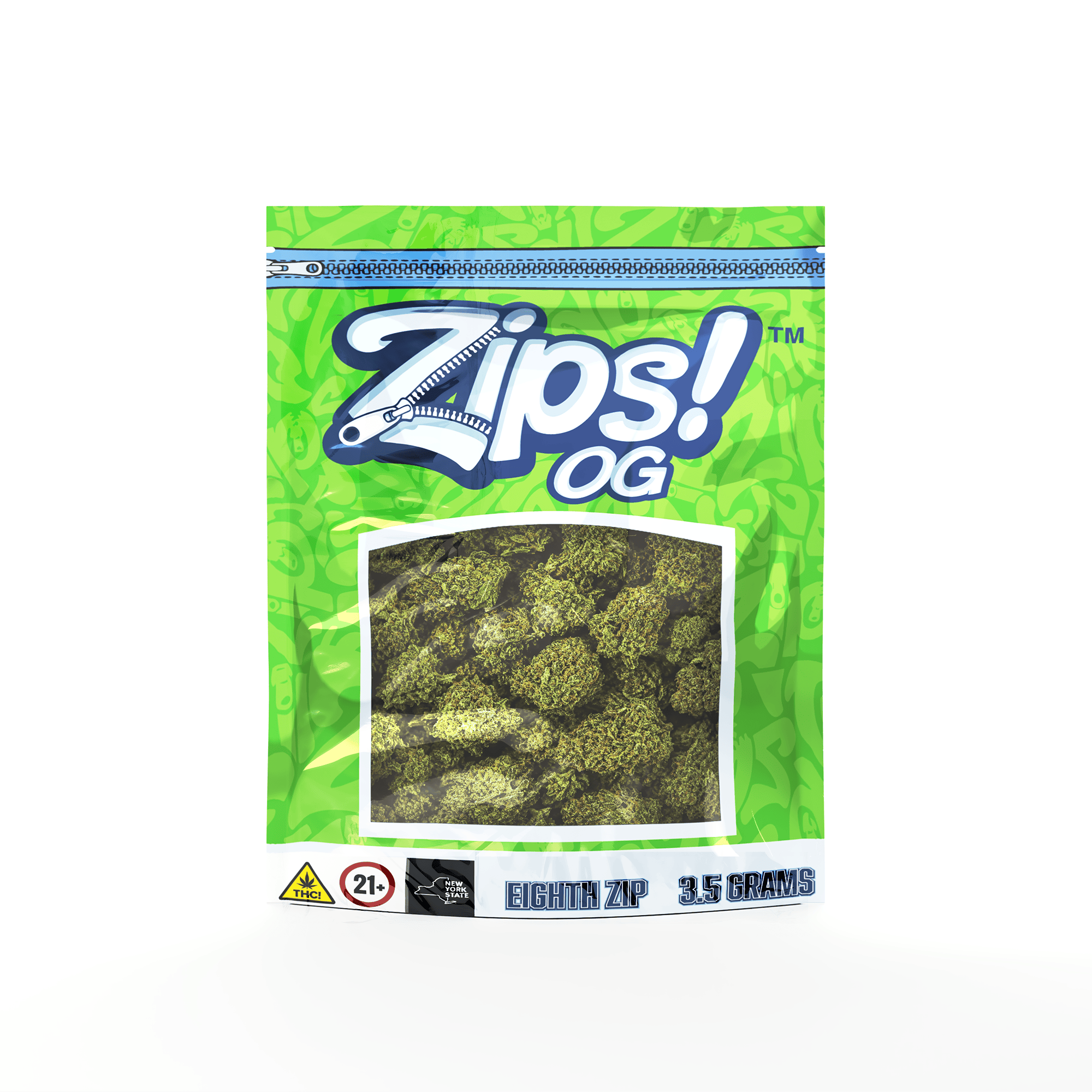
Sativa
All strains Mimosa
6 live products in stock
Quick answer · What is the Mimosa cannabis strain?
Mimosa arrives like the first light of a Sunday morning — bright, citrus-laced, and quietly invigorating. A cross of two storied California genetics, this sativa-leaning hybrid has earned a devoted following for its crisp tangerine aroma, its clean-headed uplift, and the unhurried ease with which it carries a social afternoon from brunch to golden hour. For those who seek clarity without edge, Mimosa is a strain that rewards patience and deliberate enjoyment.
Shop Mimosa · 6 of 6 live products
On sale· 50% OFF
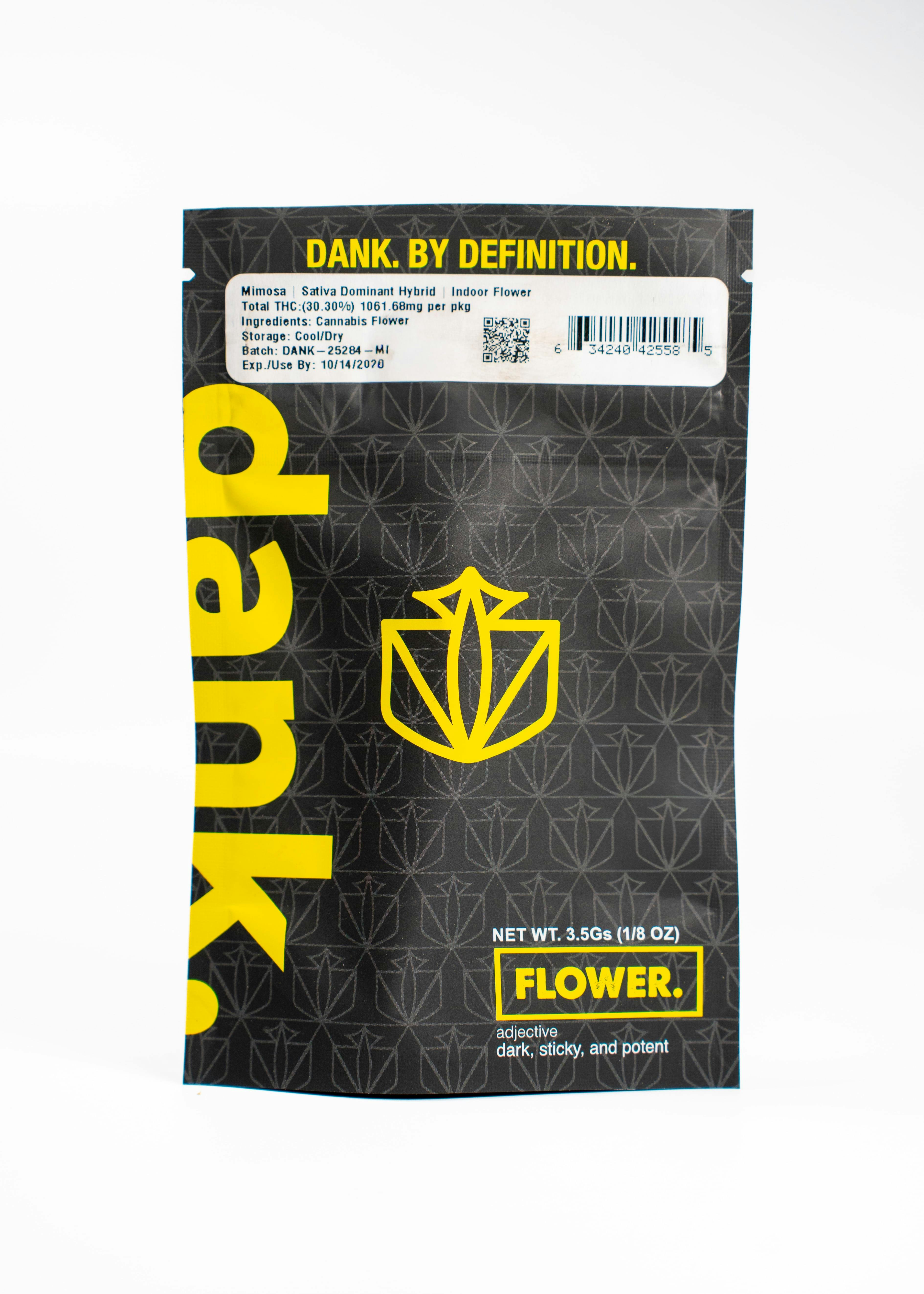
THC 30.3%Sativa
Dank By Definition.Dank | Flower | Mimosa · 3.5g
$22.13$44.25
$28after tax
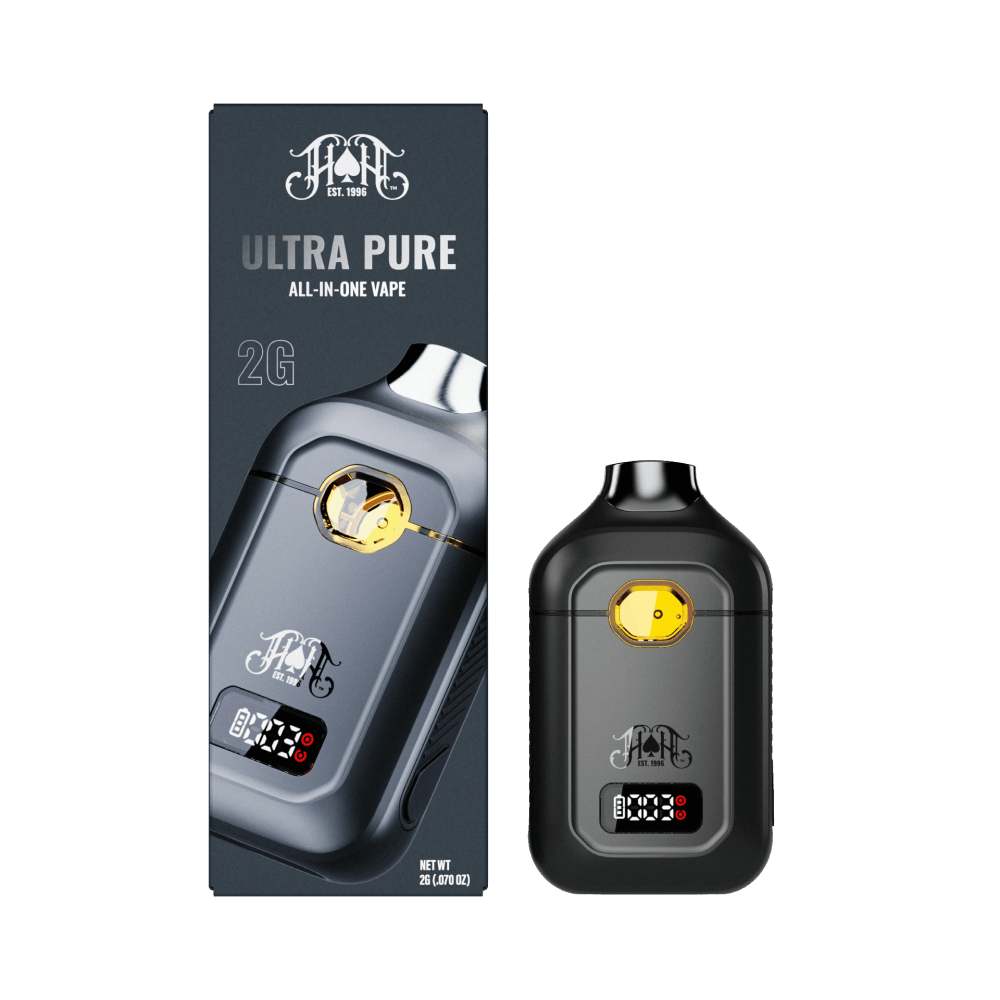
THC 86.11%·CBD 0.19%Hybrid
Heavy HittersMimosa | Hybrid - Ultra Extract High Potency Oil - 2g All-In-One Vape · 2g
$100.00
$113after tax
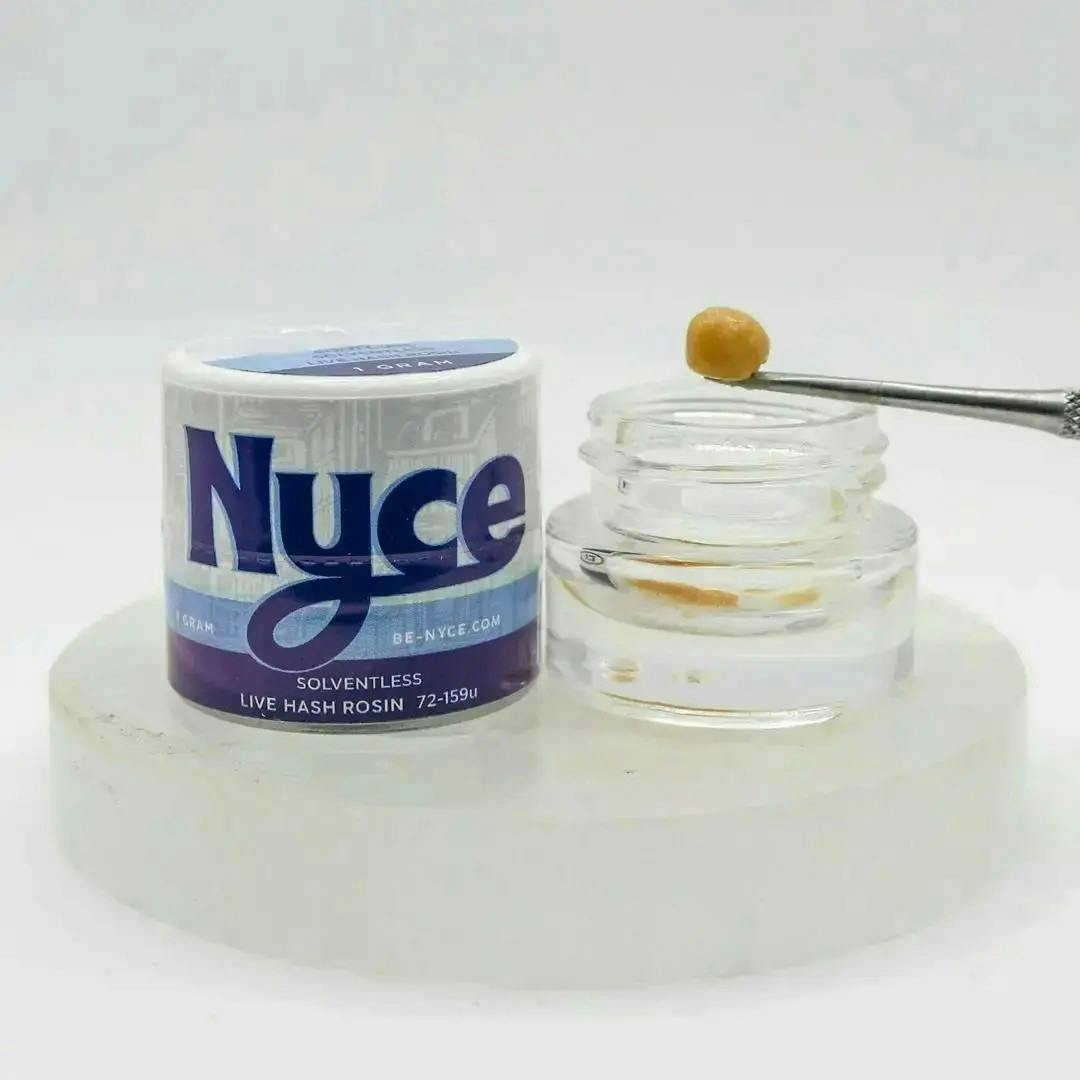
THC 70.63%Sativa-Hybrid
NYCENYCE | Live Hash Rosin Jar | Papaya Mimosa Weiss Farms · 1g
$60.18
$68after tax

THC 0.23%Sativa-Hybrid
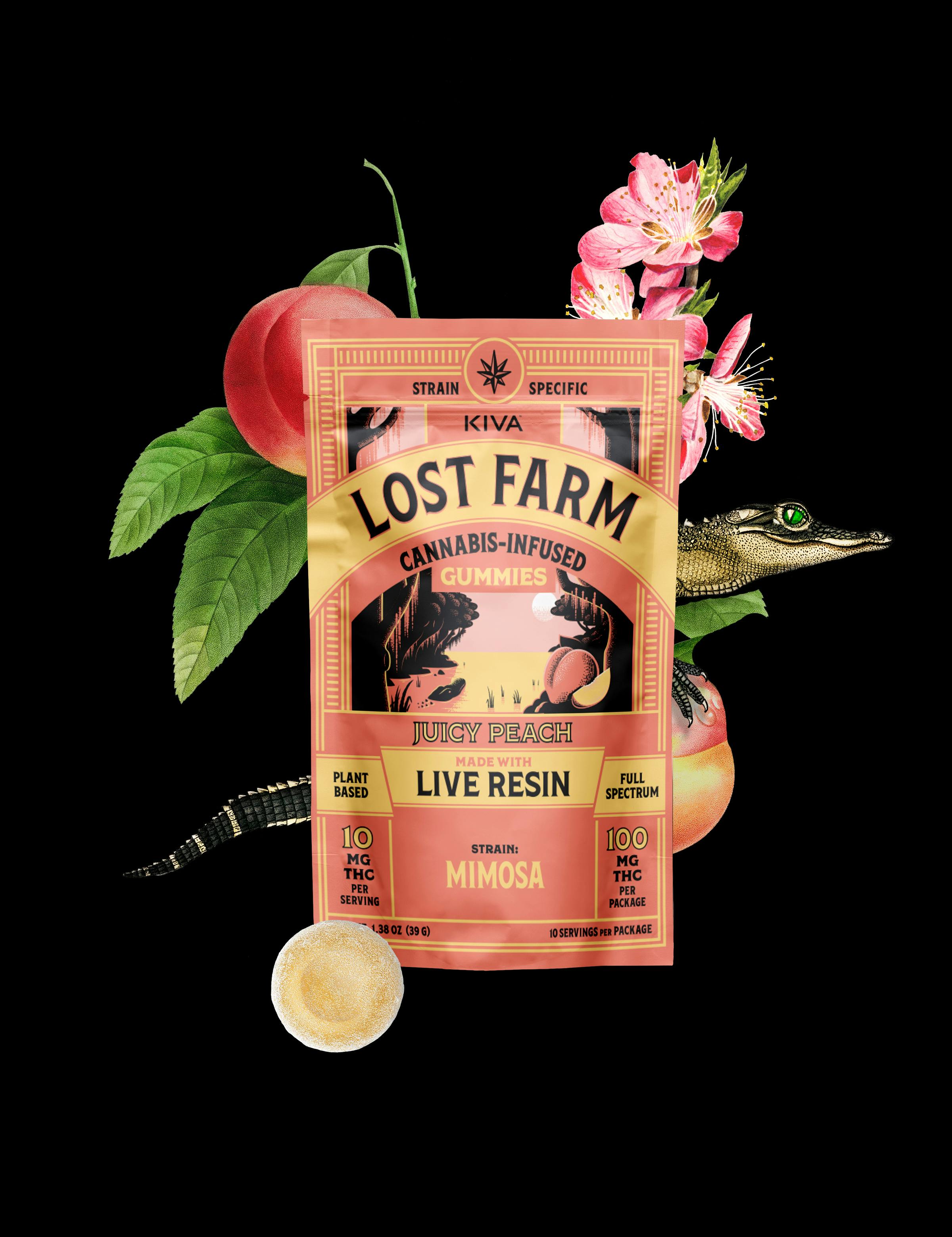
Lost FarmLost Farm Juicy Peach x Mimosa | Gummies | 100mg | 10pk · .1g
$30.00
$34after tax
About Mimosa
Everything to know about Mimosa.
Lineage & origin
Mimosa was bred by Symbiotic Genetics, a boutique California operation that has built its reputation on expressive, terpene-forward cultivars. The strain is a cross of Clementine and Purple Punch, two parents that could scarcely be more distinct in character. Clementine — itself a child of Tangie and Lemon Skunk — contributes the sharp, tangerine-forward citrus that defines Mimosa's aromatic identity, along with the alert, cerebral lift that sativa consumers tend to seek. Purple Punch, a sedating indica-leaning hybrid descending from Larry OG and Granddaddy Purple, provides the genetic counterweight: a softening body warmth and the deep berry-grape undertones that surface in the strain's later flavor notes. Symbiotic Genetics introduced Mimosa to the broader market around 2017, during a period when the California legal market was rewarding cultivars that offered photogenic bag appeal alongside genuine terpene complexity. The strain spread quickly through the competitive Cannabis Cup circuit, picking up recognition for both its aroma and its effect profile. Several phenotypes have been identified and circulated in the breeding community — some expressing more toward the Clementine's sativa brightness, others pulling heavier influence from Purple Punch's structure and color. The most widely available commercial expression leans sativa-dominant, though phenotype variation means individual batches can feel notably different. Mimosa has since become a parent strain in its own right, appearing in crosses that seek to inherit its citrus terpene signature.
Effects
Mimosa tends to announce itself within five to ten minutes of inhalation — sooner when vaporized, slightly longer when consumed as a flower in a pipe or joint. The onset is characteristically cerebral: a gentle pressure behind the eyes gives way to a brightening of mood and a sharpening of conversational focus. It does not typically produce the racing, anxious quality associated with high-terpinolene sativas; instead, the experience has a settled, sociable warmth that reflects its Purple Punch heritage holding the sativa energy in check. At its peak, Mimosa occupies a pleasantly functional middle ground. The mind feels engaged and present without the scattered quality that can accompany more purely sativa-dominant cultivars. Creative tasks feel approachable; conversation flows without the self-consciousness that heavier indicas can sometimes impose. The body remains comfortable — light, occasionally a touch of pleasant physical ease — but rarely sedated. The duration for most consumers runs between one and a half to two and a half hours, with a gradual, undramatic comedown that rarely produces heaviness or lethargy. The limonene-forward terpene profile is thought to contribute to the elevated, mood-brightening character, while myrcene — present in moderate amounts — is associated with the mild physical relaxation that tempers the edge. As with all cannabis, individual response varies meaningfully; those newer to sativa-leaning cultivars are well served by a measured, patient approach.
Aroma, flavor & terpenes
The terpene profile of Mimosa is anchored by limonene, the aromatic compound responsible for the strain's signature tangerine and fresh citrus peel character. On the nose, a properly cured Mimosa bud delivers an immediate burst of bright orange rind — clean, zesty, and faintly sweet — with none of the synthetic or cloying quality that lesser citrus-forward strains can produce. This is citrus as it exists in nature: vivid but composed. Myrcene, the most prevalent terpene in cannabis broadly, appears here in a supporting role, contributing a subtle earthiness and a faint tropical softness beneath the citrus brightness. Caryophyllene — the only terpene known to interact directly with the body's endocannabinoid receptors — adds a gentle spice, detectable as a faint peppery warmth in the exhale. Some phenotypes show a quiet floral thread, attributed to trace amounts of linalool, which adds complexity without shifting the overall character away from its citrus foundation. On the palate, smoked Mimosa is smooth and expressive. The inhale leads with tangerine and a light tropical sweetness; the exhale carries a rounder, slightly earthy finish with the grape-berry whisper inherited from Purple Punch emerging most clearly on the back of the throat. Vaporized at moderate temperatures, the citrus notes become even more precise and the floral nuance more apparent. The flavor resolves cleanly, without the lingering harshness that can accompany high-myrcene indicas, making it well-suited to slow, attentive sessions.
Appearance
Mimosa buds tend toward a medium-dense structure — not the tightly compressed, almost spherical calyx clusters of a heavy indica, nor the loose, airy formations of a pure sativa, but something composed and well-proportioned in between. The color palette is one of the cultivar's most recognizable visual signatures: a base of medium to deep green is reliably punctuated by threads of deep amber and orange pistils that curl and twist through the canopy of each flower. In cold-finished phenotypes or those grown with deliberate temperature differentials during late flower, faint purple and violet hues can emerge within the inner leaves, a visible inheritance from the Granddaddy Purple lineage running through Purple Punch. Trichome coverage is generous across well-grown specimens — a fine, milky frost that catches light uniformly and signals the resin production that carries Mimosa's terpene payload. The overall impression is of a strain that presents with quiet confidence rather than ostentation: appealing to look at closely, rather than from across the room.
Growing notes
Mimosa performs reliably in both indoor and outdoor cultivation environments, though it expresses its most refined terpene profile — and its most vivid coloration — when finished in cooler nighttime temperatures during the final weeks of flower. Indoors, it typically completes flowering in approximately sixty to seventy days, a timeline that aligns with its sativa-dominant but hybrid heritage. Indoor yields are generally considered moderate to above-average for the category, rewarding growers who invest in canopy management techniques such as low-stress training. Outdoors, Mimosa thrives in dry, Mediterranean-adjacent climates — the kind of environment its California breeding lineage was shaped by. It is moderately resistant to mold and mildew, which makes it somewhat forgiving relative to more humidity-sensitive sativa descendants, though attentive airflow remains important. The cultivar is rated as moderately challenging for home cultivators: approachable enough for those with a few grows behind them, but demanding enough in its environmental preferences to reward experience. For the cultivator-curious shopper, Mimosa is a strain whose quality is meaningfully shaped by the care taken in its final weeks of development.
When it's best enjoyed
Mimosa is a strain built for the hours between morning and midday — or for any moment that calls for a similar quality of light, unhurried attention. It suits the long Sunday that begins with good coffee and opens gradually into creative work, a walk through a neighborhood market, or a meal shared without agenda. The citrus-forward terpene profile, with its limonene brightness and gentle caryophyllene warmth, aligns naturally with environments and activities that benefit from elevated mood and focused ease rather than sedation. For food pairing, Mimosa finds its most natural counterpart in dishes with citrus brightness or tropical acidity — a ceviche, a well-dressed green salad with grapefruit, or a plate of seasonal fruit. The strain's name is not incidental; the flavor profile makes it a considered accompaniment to the kinds of light, fresh flavors associated with late-morning dining. For a musical pairing, mid-tempo jazz — something in the register of Chet Baker or early Norah Jones — complements the strain's sociable but unhurried energy. Mimosa is equally at home in solo reflection and in small, convivial company; it does not demand an occasion so much as it quietly elevates whatever one is already doing.
If you like Mimosa, also explore
Clementine
As one of Mimosa's parent strains, Clementine shares the same sharp tangerine terpene character and clear-headed sativa lift, making it the most direct comparison for those drawn to Mimosa's citrus-forward energy.
Tangie
Tangie sits one generation back in Mimosa's family tree and offers a similarly vibrant orange-citrus aroma with uplifting cerebral effects, appealing to the same consumer who appreciates Mimosa's bright, mood-elevating profile.
Strawberry Cough
Strawberry Cough offers a comparable social, sativa-leaning experience with a sweet, fruit-forward flavor — a natural recommendation for Mimosa fans who enjoy expressive aroma alongside functional daytime effects.
Papaya Punch
For those who enjoy Mimosa's tropical fruit dimension and the soft body ease contributed by its Purple Punch parentage, Papaya Punch offers a similar balance of fruity sweetness and gentle physical comfort.
Tropicana Cookies
Tropicana Cookies shares the limonene-driven citrus brightness and the clean, expressive finish that Mimosa fans tend to seek, while adding a GSC-derived depth that extends the flavor complexity.
Common questions
Is Mimosa indica or sativa?+
Mimosa is classified as a sativa-dominant hybrid. Bred by Symbiotic Genetics from a cross of Clementine and Purple Punch, it leans toward sativa in its effect character — offering cerebral uplift and social clarity — while the Purple Punch parentage provides a modest indica influence that keeps the experience grounded and prevents the anxious quality some consumers associate with strongly sativa cultivars. Phenotype variation means some batches may feel more balanced than others.
What does Mimosa taste like?+
Mimosa tastes primarily of fresh tangerine and citrus peel, a direct expression of its dominant limonene terpene content inherited from its Clementine parent. On the exhale, a softer note of berry and grape emerges — the fingerprint of its Purple Punch lineage — alongside a faint earthy warmth from myrcene and a gentle spice from caryophyllene. The overall flavor profile is clean, vivid, and resolves without significant harshness, particularly when vaporized at moderate temperatures.
What are the typical effects of Mimosa?+
Mimosa typically produces a bright, mood-elevating onset that settles into focused, sociable clarity without significant sedation. Consumers commonly report feeling present, conversational, and creatively engaged at the peak of the experience. The body remains comfortable and light rather than heavy. Effects generally last between one and a half to two and a half hours, with a gradual comedown. As always, individual response varies, and those newer to sativa-leaning cultivars are encouraged to start low and go slow.
What strains are similar to Mimosa?+
Consumers who enjoy Mimosa often appreciate Clementine and Tangie for their shared citrus terpene character and uplifting sativa energy. Strawberry Cough offers a comparable social, fruit-forward daytime experience. Tropicana Cookies delivers a similar limonene-driven brightness with added depth from its Cookie genetics. Those drawn to Mimosa's softer body element may find Papaya Punch a satisfying alternative, as it balances tropical fruit flavor with gentle physical ease.
Is Mimosa good for beginners?+
Mimosa can be a reasonable choice for those newer to sativa-leaning cultivars, given that its Purple Punch parentage tempers the cerebral intensity that can feel overwhelming in more purely sativa-dominant strains. That said, its effect profile is meaningfully uplifting, and newcomers sensitive to mental stimulation should exercise appropriate caution. The standard guidance applies: start with a small amount, allow adequate time to assess the effects before consuming more, and choose a comfortable, familiar setting.
What are the dominant terpenes in Mimosa?+
Mimosa's terpene profile is led by limonene, which accounts for its characteristic tangerine and citrus peel aroma and is associated with mood elevation. Myrcene appears in a supporting role, contributing earthiness and a mild relaxing quality. Caryophyllene adds a subtle peppery warmth on the exhale. Some phenotypes show trace linalool, introducing a faint floral thread. This combination produces a profile that is aromatic, expressive, and well-balanced between brightness and ease.
Where does Mimosa come from?+
Mimosa was developed by Symbiotic Genetics, a California-based boutique breeding operation, through a cross of Clementine and Purple Punch. It emerged onto the broader market around 2017 and gained recognition through the Cannabis Cup competition circuit. Its combination of vivid citrus aroma, expressive bag appeal, and functional daytime effect profile made it one of the more widely adopted cultivars of the late 2010s California legal market era, and it has since been used as a parent in numerous subsequent crosses.
How should I consume Mimosa to get the best flavor?+
To experience Mimosa's terpene profile at its most precise, vaporization at moderate temperatures — generally in the range that preserves volatile aromatic compounds without combusting them — is widely considered the most expressive delivery method. At these settings, the tangerine and citrus notes become sharper and more defined, and the subtle floral and berry undertones are more readily perceptible. Flower smoked in a clean, well-maintained piece also delivers the full aroma-to-palate character that makes this cultivar distinctive.
Related strains