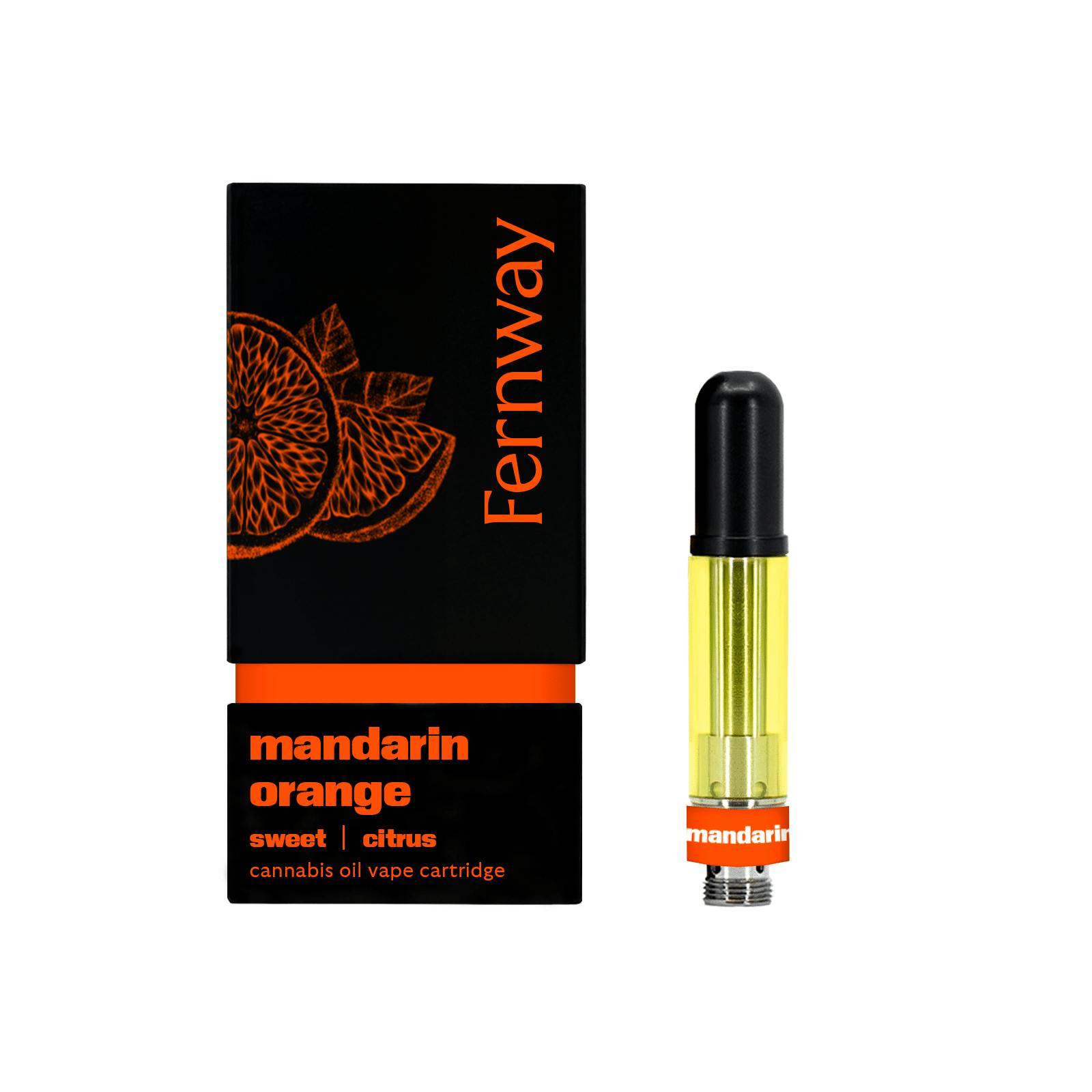
On sale· 25% OFF
THC 82.39%·CBD 0.79%Sativa
FernwayFernway | Mandarin Orange | Cartridge - Sativa · 1g
$35.84$47.79
$42after tax

weeddispensarynearme.com
You must be 21 years or older to enter. By entering, you confirm you’re of legal age in your state to purchase cannabis.
For use only by adults 21+ • Keep out of reach of children
3 live products in stock
Quick answer · What is the Mandarin Orange cannabis strain?
Mandarin Orange arrives like the first light through a kitchen window on a clear morning — citrus-bright, unhurried, and quietly uplifting. A sativa-leaning cultivar distinguished by its vivid tangerine aromatics and clean mental clarity, it rewards the attentive consumer with a layered sensory experience that moves from the nose to the mind with measured elegance. For those who prefer their cannabis energetic yet composed, Mandarin Orange occupies a rare, considered space on the shelf.
$42after tax
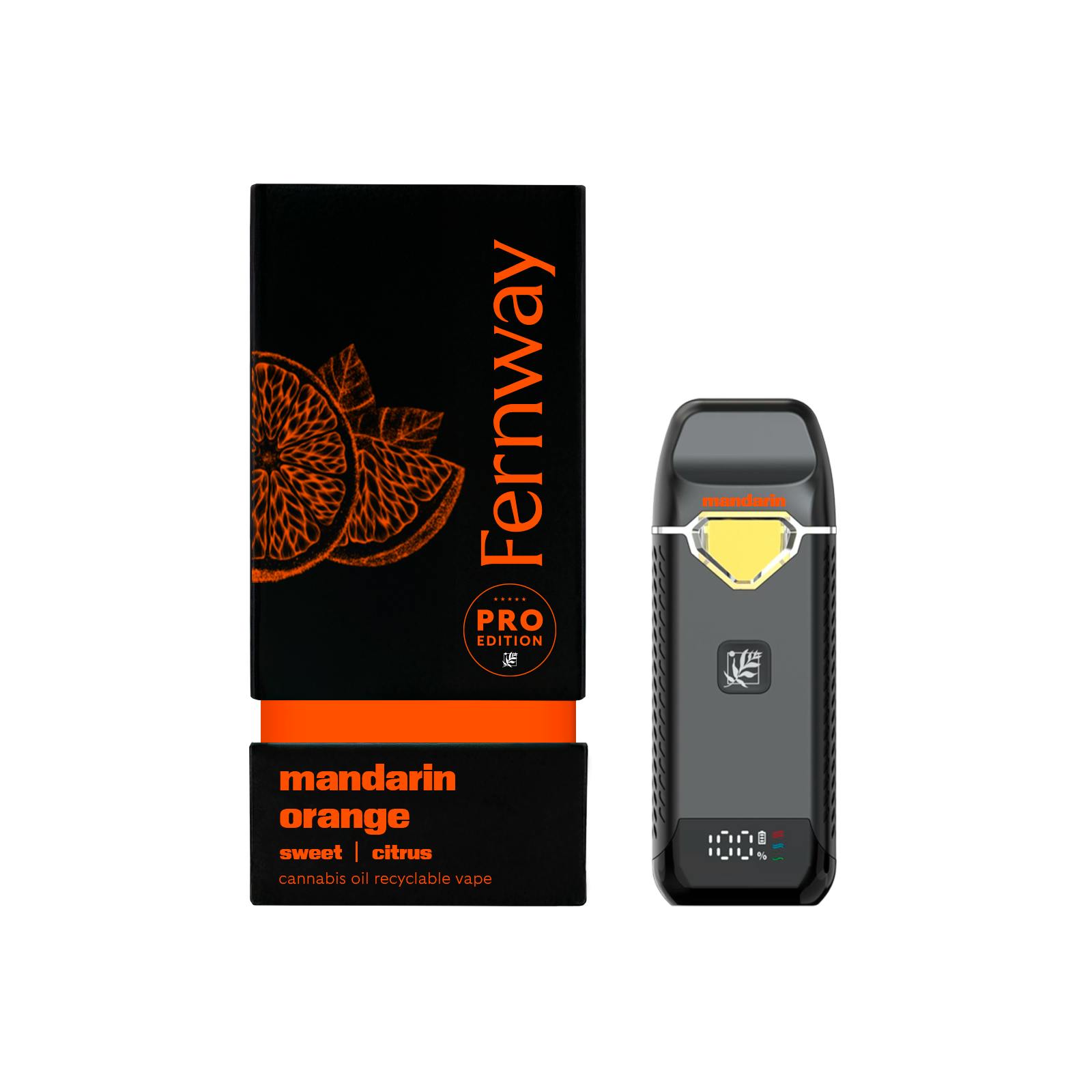
$73after tax
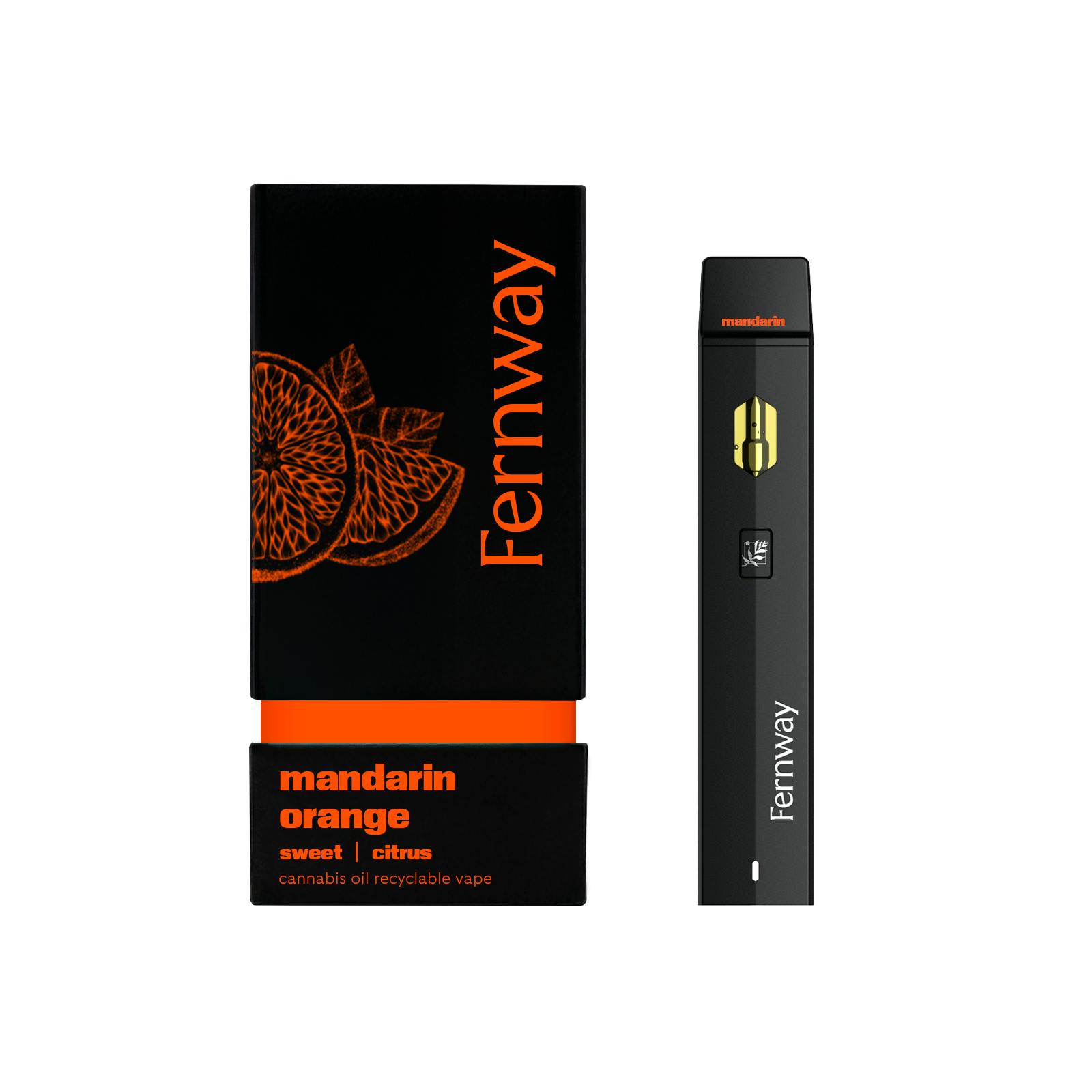
$44after tax
About Mandarin Orange
Mandarin Orange is generally understood to be a descendant of the broader Mandarin family of cultivars, which trace their roots to selections emphasizing citrus-forward terpene expressions — most notably those derived from Skunk and Citrus crosses that proliferated through European and American breeding programs during the early 2000s. Some accounts attribute foundational genetics to crosses involving Orange Skunk and a Citral-influenced parent, though the precise breeder lineage has not been publicly confirmed with full documentation across major databases. Leafly and Wikileaf both list the strain without a verified originating breeder, and the exact parentage remains somewhat debated within the community. What is better documented is the broader genetic tradition from which it emerges: the Orange family of strains — including Agent Orange, Tangie, and Orange Crush — all share a lineage philosophy rooted in amplifying the limonene and myrcene terpene axis to produce that characteristic mandarin-peel brightness. Mandarin Orange fits naturally within this lineage cluster, exhibiting the same aromatics-first breeding priority that defined the citrus sativa wave popularized on the West Coast between roughly 2008 and 2015. Among its closest phenotypic relatives, Tangie — itself a remake of the classic Tangerine Dream through a California Orange backcross — is most frequently cited as a genetic sibling or near-cousin, sharing the dominant citrus terpene architecture and the clean, cerebral character that defines this subgroup of modern sativas.
The onset of Mandarin Orange tends to arrive within the first five to ten minutes of inhalation — a gentle but purposeful shift in perception that begins behind the eyes and moves outward. The initial phase is characteristically cerebral: a brightening of focus, a mild elevation in mood, and a quiet dissolution of mental static. It does not announce itself aggressively; rather, it settles in the way a well-brewed pot of tea warms a room — gradually and without urgency. At its peak, Mandarin Orange leans firmly toward the head, carrying the hallmarks of a well-bred sativa: heightened sensory awareness, conversational fluency, and a gentle creative loosening that stops well short of anxious over-stimulation. The body remains largely unencumbered, with only a faint physical ease that complements rather than competes with the mental clarity. Limonene, which appears prominently in the terpene profile, is broadly associated in early research with mood elevation and stress reduction, lending the experience its characteristically sunny temperament. Duration tends to fall in the ninety-minute to two-hour range for most consumers, with a gradual, undramatic comedown that fades cleanly rather than dropping abruptly. New consumers should follow standard start-low, go-slow guidance, as the cerebral onset can feel more pronounced without prior tolerance.
The aroma of Mandarin Orange is its most immediately legible quality — a vivid expression of citrus that foregrounds fresh mandarin peel with an undercurrent of zested orange and a faint floral sweetness. This is largely the work of limonene, the dominant terpene in most phenotypes, which is responsible for that sharp, true-to-fruit brightness that distinguishes premium citrus cultivars from more generic orange-adjacent profiles. Myrcene appears as a secondary contributor, rounding the sharper citrus edges with an earthy, slightly herbal depth that prevents the profile from reading as one-dimensional. It is the myrcene influence that gives the dried flower its faint musky warmth beneath the citrus brightness — a quality that becomes more apparent as the bud is broken apart and the terpene volatiles are released. Some phenotypes also exhibit traces of terpinolene, which introduces a subtle floral-herbaceous complexity and a whisper of pine that sits at the back of the nose. On the palate — whether smoked in a glass pipe or drawn through a quality vaporizer — Mandarin Orange delivers a smooth, clean inhale with citrus-sweet top notes and a mild, slightly creamy finish. The exhale carries the fruit-forward character through without significant harshness, and the aftertaste lingers pleasantly with a faint tangerine sweetness. Vaporizing at lower temperature settings tends to preserve the terpene expression most faithfully.
Mandarin Orange presents with a structure consistent with well-bred sativa genetics: buds are moderately dense rather than airy, with an elongated, slightly tapered calyx formation that reflects its heritage. The coloration skews toward a range of medium to deep greens — occasionally showing soft olive undertones — with bright, rust-to-amber pistils coiled generously across the surface, contributing a warm visual contrast that mirrors the strain's citrus character. Trichome coverage is noteworthy for a sativa expression, with a generous dusting of milky-to-amber glandular trichomes that give well-cured buds a frosted, luminous quality under direct light. The calyxes are well-formed and distinctly defined, a positive indicator of careful cultivation and proper cure. In premium batches from attentive New York cultivators, the sugar leaves retain a resinous sheen that underscores the strain's terpene density and speaks well of post-harvest handling.
Mandarin Orange is generally regarded as a moderately approachable cultivar for home growers with some prior experience, though it rewards patient, attentive technique more than beginner-level benign neglect. As a sativa-dominant variety, it expresses the characteristic stretch of its genetic lineage — plants can reach considerable vertical height if left untrained, making low-stress training or topping advisable in confined indoor spaces. Indoors, flowering typically completes in the nine-to-ten-week range, with yields that are considered moderate to above-average when environmental conditions — consistent temperature, managed humidity, and adequate light intensity — are properly dialed in. Outdoor cultivation suits warm, Mediterranean-style climates with long, sunny growing seasons; plants benefit from being harvested before the first autumn cold. The strain's terpene expression — particularly its limonene content — is highly sensitive to temperature stress and improper cure, making post-harvest handling as important as the grow itself for preserving the aromatics that define the experience.
Mandarin Orange is most at home in the hours between late morning and early afternoon — that particular window when the day holds genuine possibility and the mind is both rested and ready. It suits the solo creative worker who needs the internal volume turned down without losing their thread: writing, sketching, or working through a complex problem all find natural rhythm within its cerebral, focused character. Socially, it carries well into casual, outdoor settings — a late weekend brunch with close friends, a walk through a city park, or a visit to a gallery where sensory engagement is the point. The limonene-forward terpene profile pairs intuitively with fresh, citrus-accented food — consider a light ceviche, a yuzu-dressed salad, or a sparkling water with mandarin garnish as complementary sensory companions. For a musical pairing, the strain's clean, bright energy aligns naturally with West African highlife, early Vampire Weekend, or the sun-drenched minimalism of a Brian Eno ambient record — music that shares its quality of unhurried luminosity.
Tangie
Tangie shares the same limonene-dominant, mandarin-peel aromatics and sativa-leaning cerebral clarity that defines Mandarin Orange, making it the most natural adjacent choice for fans of citrus-forward cultivars.
Agent Orange
Agent Orange delivers a comparably bright, citrus-sweet terpene profile with an uplifting, socially energizing effect arc that will feel familiar to any consumer drawn to Mandarin Orange's sunny disposition.
Orange Crush
Orange Crush offers a similarly fruit-forward citrus nose with a clean, manageable sativa effect profile, appealing to the same consumer who values aromatics-first genetics without intense psychoactive weight.
Clementine
Clementine's Tangie-crossed lineage produces an almost identical citrus brightness with a smooth, clear-headed onset that Mandarin Orange enthusiasts will recognize immediately.
Mimosa
Mimosa shares the uplifting, mood-brightening character and citrus-heavy nose of Mandarin Orange while adding a slightly more rounded body component that suits consumers who want minimal sedation with their daytime session.
Mandarin Orange is classified as a sativa-dominant cultivar. Its effect profile — characterized by cerebral uplift, mental clarity, and minimal body sedation — aligns with the functional, head-forward qualities typically associated with sativa genetics. The terpene profile, led by limonene, further supports its energetic, mood-brightening character, making it a natural choice for daytime or early-afternoon consumption rather than evening use.
Mandarin Orange tastes as its name suggests: the palate encounters a vivid citrus-forward impression on the inhale, with fresh mandarin peel and zested orange as the primary flavor notes. The exhale is smooth and slightly sweet, leaving a clean, tangerine-tinged aftertaste. Secondary notes of mild earthiness and a faint floral quality — contributed by myrcene and trace terpinolene — add subtle depth without obscuring the fruit-forward signature.
Consumers most commonly describe a gentle, purposeful cerebral elevation — improved focus, a lighter mood, and a quiet creative openness — that sets in within the first ten minutes. The body remains largely unburdened, with only a mild physical ease accompanying the mental shift. The experience tends to last one-and-a-half to two hours and fades gradually. New consumers should begin conservatively and assess tolerance before increasing intake.
Strains most comparable to Mandarin Orange include Tangie, Agent Orange, Orange Crush, Clementine, and Mimosa. All share a citrus-dominant terpene architecture and a sativa-leaning effect profile. Tangie is the closest analogue in terms of both aroma and cerebral character, while Mimosa offers a slightly more balanced experience for those who prefer a touch more body ease alongside their uplifted headspace.
Mandarin Orange is approachable for beginners who have some comfort with sativa-leaning experiences, but its cerebral onset can feel pronounced for those with very low tolerance. The general start-low, go-slow approach applies — particularly given that the limonene-forward profile can amplify sensory awareness in ways that may feel unfamiliar to first-time consumers. Choosing a low-temperature vaporizer setting is one way to ease into the experience with greater control.
Limonene is the dominant terpene in Mandarin Orange, responsible for its signature citrus brightness and broadly associated with mood elevation. Myrcene appears as a significant secondary terpene, contributing earthy depth and a faint musky warmth. Terpinolene rounds out the profile in some phenotypes, adding a subtle floral and herbal note. This combination produces the layered yet cohesive aromatic profile that distinguishes Mandarin Orange within the citrus sativa category.
Mandarin Orange is best suited to daytime or early-afternoon use, given its sativa-dominant, cerebral effect profile. Late morning to mid-afternoon is the ideal window — when the focus-enhancing, mood-brightening qualities can be put to productive use without interfering with sleep later in the evening. It is not typically recommended as a nighttime strain, as its energetic character may compete with the rest and wind-down most consumers seek after dark.
Mandarin Orange and Tangie are closely related in spirit and almost certainly in terpene architecture, both centering limonene as the defining aromatic compound. Tangie has a more thoroughly documented lineage — a California Orange and Skunk cross — and tends to be slightly more widely available with consistent phenotype documentation. Mandarin Orange carries a comparable citrus brightness but may exhibit a marginally softer onset; the two are frequently recommended interchangeably to consumers who favor the citrus sativa profile.
Related strains
Pick your store
We'll show pricing, deals, and delivery zones for the store you pick. You can switch any time from the header.