
Indica
All strains Chem Dawg
1 live products in stock
Quick answer · What is the Chem Dawg cannabis strain?
Chemdawg occupies a singular place in the canon of American cannabis — a strain whose murky origins only deepen its mystique. Pungent, cerebral, and unmistakably itself, it delivers a diesel-forward aromatic profile that has shaped entire lineages of modern cannabis. For the discerning New York adult seeking a sativa-leaning experience with genuine historical weight, Chemdawg remains a benchmark rather than a curiosity.
Shop Chem Dawg · 1 of 1 live products
About Chem Dawg
Everything to know about Chem Dawg.
Lineage & origin
The origin story of Chemdawg is one of the most debated in cannabis culture. The most widely circulated account traces the strain to a chance encounter at a Grateful Dead concert in 1991, where a Colorado grower known as Chemdog (Joe Brand) obtained seeds from a bag of exceptional Colorado cannabis sold by breeders who went by the names Pbud and Joebrand. From those seeds, four plants germinated — the phenotypes now historically catalogued as Chemdawg 91, Chemdawg A, Chemdawg B, and Chemdawg D, each with subtle variations in structure and effect. The precise parental genetics have never been formally confirmed, though Nepalese and Thai landrace strains are frequently cited as probable ancestors given the cerebral, sativa-dominant character of its effects. What is undisputed is Chemdawg's outsized influence on contemporary cannabis breeding. It serves as a confirmed parent of both OG Kush and Sour Diesel — two strains that themselves anchored the premium East Coast and West Coast markets for decades. Through OG Kush, Chemdawg's genetic fingerprint runs through GSC (formerly Girl Scout Cookies), Gorilla Glue, and much of the modern California canon. No formal seed company originally bred and commercialised Chemdawg in the conventional sense; it circulated as clones through underground networks before gaining wide recognition. Today, several licensed producers cultivate verified Chemdawg phenotypes, keeping this foundational cultivar accessible to a new generation of enthusiasts.
Effects
Chemdawg is characteristically sativa-leaning in its onset, arriving with notable speed — often within minutes of inhalation. The initial wave is predominantly cerebral: a sharpening of sensory awareness, an elevation of mood, and a distinct uptick in mental energy that many describe as clear-eyed rather than hazy. This quality makes the early phase feel engaged and present, well-suited to conversation or focused introspection. The THC profile tends to run assertively, which means that first-time or lower-tolerance consumers should approach with genuine respect for the potency this cultivar has historically demonstrated. As the experience matures into its peak phase — typically thirty to sixty minutes after onset — the body begins to register a warm, grounding quality that tempers the cerebral charge without dulling it. This interplay between mental lift and physical ease is what has secured Chemdawg's reputation as a hybrid with real versatility. Caryophyllene and myrcene are thought to contribute to this softening body character, while limonene likely supports the sustained mood elevation. The duration of a typical Chemdawg session runs longer than many comparable sativa-leaning cultivars — often two to three hours before a gradual, gentle comedown. The descent is rarely abrupt; most users report a slow return to baseline accompanied by mild physical relaxation. As always, starting with a modest amount and allowing adequate time before re-dosing is the prudent approach.
Aroma, flavor & terpenes
Chemdawg's aromatic identity is one of the most recognisable in cannabis, and it is not subtle. The dominant terpene is typically caryophyllene, a spicy, peppery compound that lends the cultivar its sharp, almost chemical edge — the diesel note that inspired the name and influenced its genetic descendants. Myrcene appears as a strong secondary terpene, providing an earthy, slightly musky undertone that grounds the more aggressive top notes and adds density to the overall aromatic profile. Limonene, when present, contributes a fleeting citrus brightness that lifts the nose briefly before the diesel and earth reassert themselves. On the palate, Chemdawg delivers exactly what the nose promises. When smoked, the initial draw is acrid and chemical in the most compelling sense — reminiscent of fuel, pine resin, and damp earth in roughly equal measure. The exhale softens this somewhat, leaving a lingering spice on the back of the throat that is distinctly caryophyllene-forward. Vaporised at lower temperatures, the profile opens further to reveal subtle floral and herbal nuances — hints of linalool-adjacent lavender and a faint piney quality that nods toward its possible landrace heritage. The aroma fills a room decisively. This is not a discreet cultivar. For those who appreciate assertive, complex terpene profiles — the cannabis equivalent of a natural wine with genuine barnyard character — Chemdawg is a singular experience that has aged into a standard of reference.
Appearance
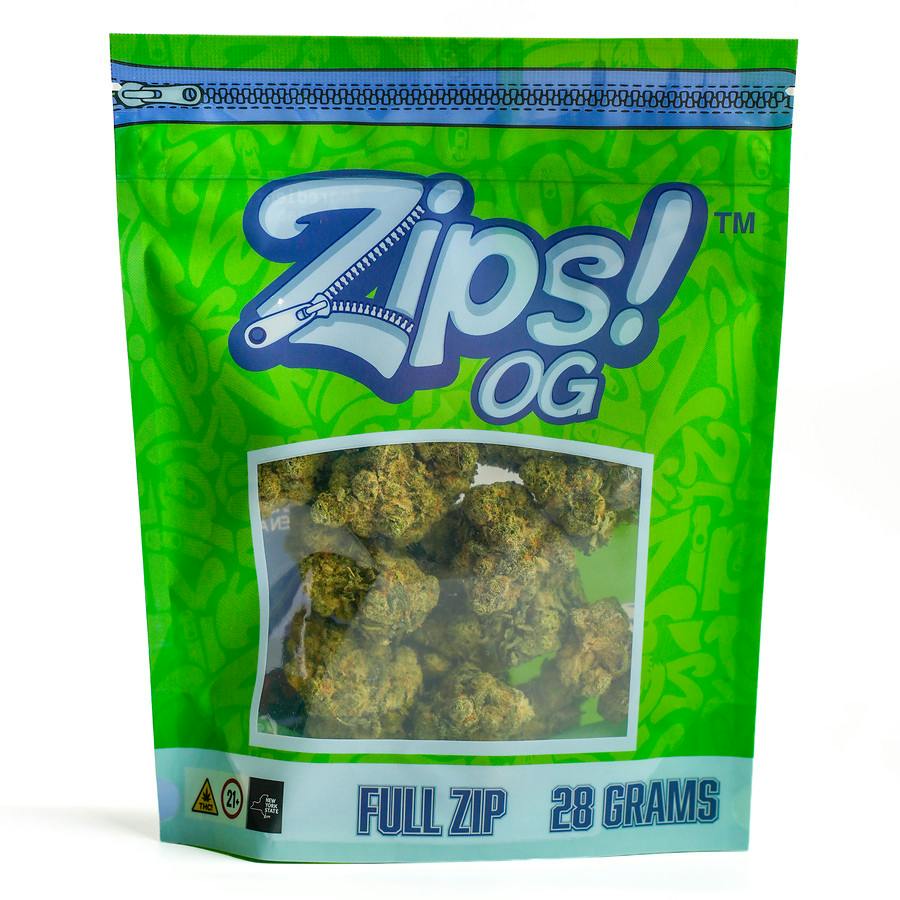
Chemdawg produces medium to large buds with a structure that leans dense without becoming rock-hard — a well-formed, slightly elongated calyx arrangement that reflects its hybrid nature. The colour palette skews toward medium to deep green, occasionally punctuated by olive and sage tones depending on the phenotype and growing conditions. Amber-to-orange pistils weave visibly through the bud, providing vivid contrast against the green base. Trichome coverage on well-cultivated Chemdawg is generous and resinous — the flowers carry a frosted, slightly sticky quality that speaks to the cultivar's historically high cannabinoid expression. Under adequate light, the trichome heads catch and scatter light in a way that gives mature buds a luminous, almost silvery cast. The overall impression is of a flower with both visual refinement and physical substance: dense enough to feel purposeful in hand, yet not so compressed that it loses the visual complexity of a quality cure.
Growing notes
Chemdawg is generally considered an intermediate to advanced cultivar for home growers, requiring attentive environmental management to achieve the quality the strain is capable of expressing. It performs well both indoors and outdoors, though indoor cultivation under controlled conditions tends to produce the most consistent terpene and cannabinoid profiles. Indoor flowering time typically runs between nine and ten weeks, placing it toward the longer end of the spectrum for hybrid cultivars. Indoor yields are moderate to generous when training techniques such as topping or low-stress training are employed to manage the plant's tendency toward vertical stretch — a sativa-leaning trait that can challenge growers with limited canopy height. Outdoor cultivation in temperate climates, with harvest typically falling in mid to late October in the Northern Hemisphere, can yield substantially. The cultivar appreciates stable humidity management during the flowering phase, as its dense bud structure can be susceptible to moisture retention. Chemdawg rewards growers who invest in consistent feeding schedules and attentive environmental monitoring, offering a flower of genuine character in return.
When it's best enjoyed
Chemdawg is a strain that rewards intention. Its sativa-leaning onset and sustained cerebral character make it a natural companion for creative work — writing, visual art, or any pursuit that benefits from an elevated, focused state of mind. The early evening hours, when the day's obligations have lifted but the night is still open with possibility, represent perhaps its most natural habitat. Consumed in modest amounts, it can animate a solo session of music listening with unusual attentiveness; the complex terpene profile of Chemdawg itself seems to invite engagement with equally complex sound. For food pairings, the diesel and earth notes of Chemdawg find an unexpectedly harmonious counterpart in umami-forward dishes — a well-aged hard cheese, a bowl of deeply seasoned ramen, or charcuterie with preserved and fermented elements. The cultivar's peppery caryophyllene backbone echoes the qualities one finds in a bold, peppery Syrah or a smoky mezcal, making it a thoughtful companion for a considered drinks pairing. It suits a small gathering of engaged, curious friends as comfortably as it suits a solitary evening with a notebook — the common thread being environments where the mind has permission to move freely.
If you like Chem Dawg, also explore
Sour Diesel
As a direct descendant of Chemdawg, Sour Diesel shares the diesel-forward terpene signature and sativa-dominant cerebral energy, making it the most natural next step for any Chemdawg enthusiast.
OG Kush
The other legendary Chemdawg offspring, OG Kush offers a comparable complexity and potency while adding a more pronounced earthy pine character and slightly heavier body effect.
Chemdawg 91
The original phenotype from that 1991 batch, Chemdawg 91 is considered by many cultivators to be the most potent and true-to-lineage expression of the Chemdawg family.
Trainwreck
A similarly sativa-leaning hybrid with a pungent, multi-layered terpene profile and fast-acting cerebral onset that appeals to the same consumer who gravitates toward Chemdawg's energetic character.
Ghost Train Haze
For the Chemdawg consumer who desires an even more assertively cerebral and aromatic experience, Ghost Train Haze delivers comparable fuel-and-earth terpene notes with pronounced sativa intensity.
Common questions
Is Chemdawg indica or sativa?+
Chemdawg is classified as a sativa-leaning hybrid. While its precise genetic lineage is debated — Nepalese and Thai landrace ancestry is commonly cited — its effects profile skews cerebral and energising at onset, with a grounding body quality that emerges in the later stages of the experience. It sits comfortably in the hybrid category while leaning meaningfully toward the sativa end of the spectrum.
What does Chemdawg taste like?+
Chemdawg delivers a bold, unmistakable flavour profile dominated by diesel fuel, damp earth, and sharp chemical notes — all hallmarks of its caryophyllene and myrcene terpene base. On the exhale, a lingering spice develops on the palate. When vaporised at lower temperatures, subtler floral and piney undertones emerge beneath the dominant fuel character. It is a complex, assertive cultivar that makes no effort to be understated.
What are the typical effects of Chemdawg?+
The typical Chemdawg experience begins with a prompt, cerebral onset — heightened sensory awareness, elevated mood, and a clear-headed mental energy. As the peak develops, a warm physical ease settles in without sedating the mind. The duration tends to run two to three hours, with a gradual and relatively comfortable comedown. Given its historically assertive potency, a measured, start-low approach is always advisable, particularly for newer consumers.
What strains are similar to Chemdawg?+
Consumers who appreciate Chemdawg's diesel-forward terpene signature and sativa-leaning cerebral effects often find common ground with Sour Diesel and OG Kush, both of which are documented Chemdawg descendants. Trainwreck and Ghost Train Haze offer similarly pungent profiles with pronounced mental energy. The Chemdawg 91 phenotype is also considered the closest expression to the original cultivar for those seeking maximum lineage fidelity.
Is Chemdawg good for beginners?+
Chemdawg is a cultivar that commands respect regardless of experience level. Its potency has been consistently noted across decades of cultivation, and its cerebral onset can feel intense for those unaccustomed to assertive sativa-leaning effects. Beginners are encouraged to start with a very modest amount, allow sufficient time to assess the experience, and avoid re-dosing prematurely. It is not the most forgiving introduction to cannabis, but approached carefully it can be genuinely rewarding.
What are the dominant terpenes in Chemdawg?+
Chemdawg's terpene profile is anchored by caryophyllene, which contributes its signature spicy, diesel-adjacent pungency, and myrcene, which adds earthy depth and is associated with the grounding body quality of the experience. Limonene appears as a notable secondary terpene in many phenotypes, lending a brief citrus brightness. Together, these three terpenes account for the cultivar's complex, assertive aromatic character and its layered effects profile.
Where did Chemdawg originate?+
The most documented account places Chemdawg's origin at a Grateful Dead concert in 1991, where a grower known as Chemdog obtained seeds from a bag of Colorado-grown cannabis. The resulting phenotypes — including Chemdawg 91 and Chemdawg D — circulated through underground networks before gaining wide recognition. The precise parental genetics have never been officially confirmed, making Chemdawg both historically significant and genuinely mysterious in equal measure.
How long does a Chemdawg experience typically last?+
A typical Chemdawg session, when consumed by inhalation, tends to run between two and three hours from onset to full resolution. The cerebral peak is generally most pronounced in the first hour, transitioning into a warmer, more physically grounded quality before a gradual and relatively comfortable return to baseline. Individual duration will vary based on tolerance, consumption method, and the amount consumed.
Related strains