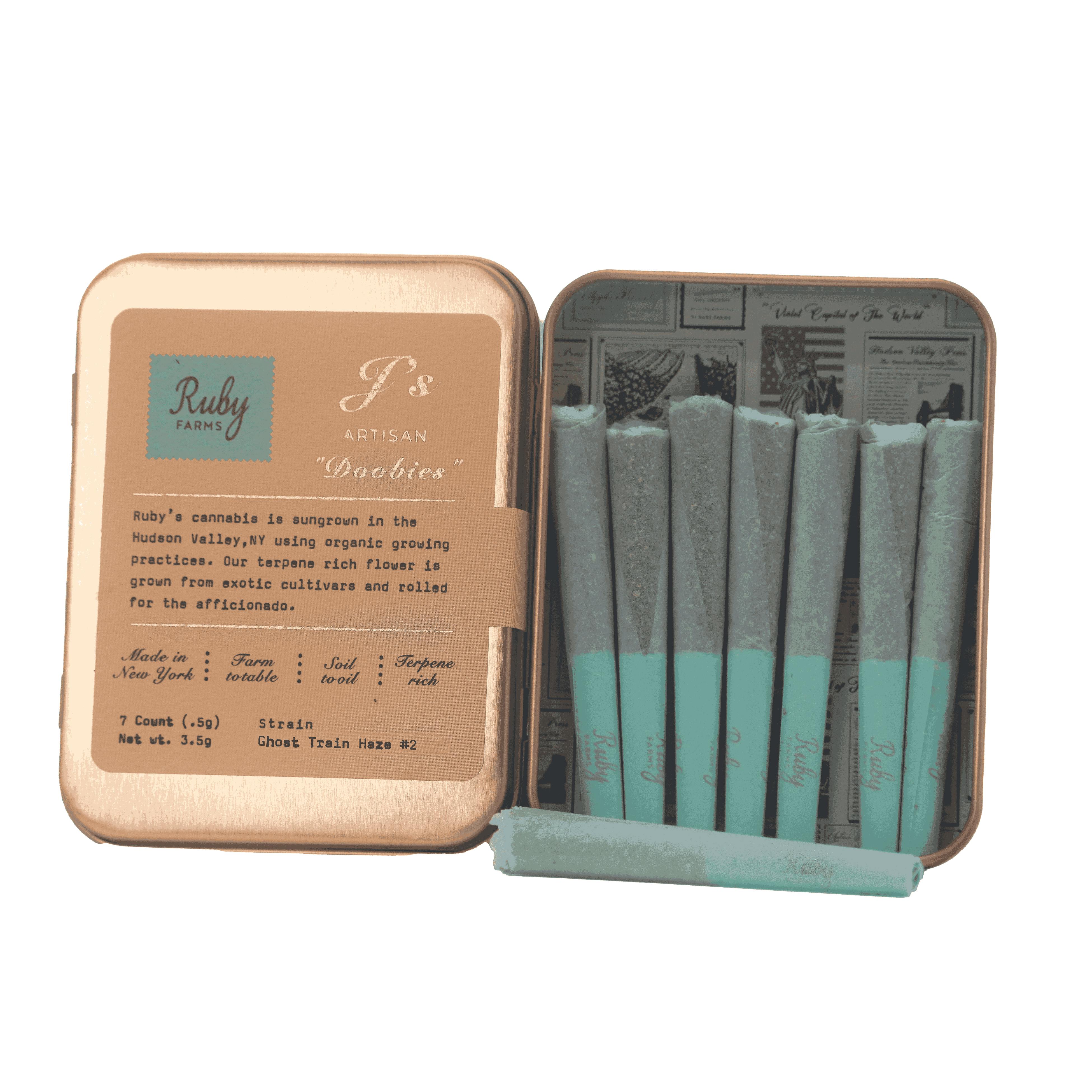
THC 25.59%Hybrid
Ruby FarmsGhost Train Haze | 7 Count Doobies | .5G/3.5G · 0.5g/7pk
$38.05
$43after tax

weeddispensarynearme.com
You must be 21 years or older to enter. By entering, you confirm you’re of legal age in your state to purchase cannabis.
For use only by adults 21+ • Keep out of reach of children
3 live products in stock
Quick answer · What is the Ghost Train Haze cannabis strain?
Ghost Train Haze arrives with the quiet authority of a strain that has earned its reputation without embellishment. A sativa of considerable distinction, it carries the luminous, resin-drenched character of its Haze lineage into decidedly modern territory — offering a cerebral clarity that feels expansive rather than chaotic, and an aromatic profile layered enough to reward slow, attentive sessions. This is a strain for the experienced connoisseur who values depth over spectacle.
$43after tax
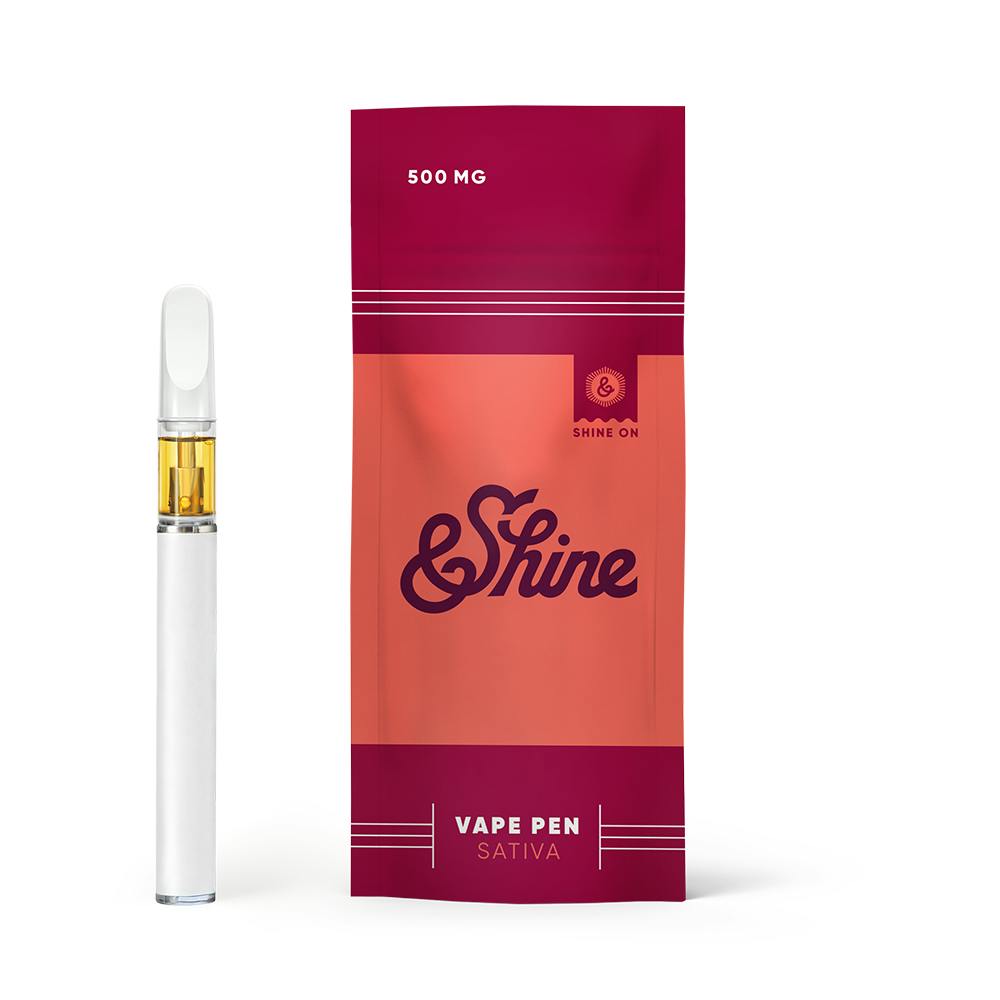
$30after tax
About Ghost Train Haze
Ghost Train Haze was developed by Rare Dankness Seeds, a Colorado-based breeding operation founded by Scott Reach. The strain is a cross between Ghost OG and Neville's Wreck, a pairing that places it at the intersection of two storied cannabis lineages. Ghost OG is itself a phenotype of OG Kush, prized for its terpene clarity and potent, focused effects, while Neville's Wreck is a hybrid of Arcata Trainwreck and Neville's Haze — the latter being one of the purest Haze expressions available in the modern era, tracing its genetics back to the original Amsterdam haze work of the 1980s. Rare Dankness introduced Ghost Train Haze to wider attention in the early 2010s, and it rose to prominence after earning recognition at High Times Cannabis Cup events, including a notable first-place finish in the sativa category in 2012. That competitive success helped cement its reputation among connoisseurs and cultivators alike. Several phenotypes circulate in the market, with Ghost Train Haze #1 considered the flagship expression — the version most consistently associated with the strain's signature intensity and terpene density. The strain's influence can be felt in subsequent Rare Dankness releases and in the broader renewed interest in Haze-forward sativa genetics during the 2010s. Its siblings through the Neville's Haze lineage include other Haze-dominant hybrids that share its cerebral character, though few have matched its mainstream footprint.
Ghost Train Haze is widely documented as a high-intensity sativa, and its onset reflects that character. Most users report effects arriving within minutes of inhalation — a swift cerebral lift that manifests as heightened focus, sensory sharpening, and an elevated sense of mental engagement. The onset can feel abrupt for those unaccustomed to potent sativa expressions, which is why a measured, low-and-slow approach is consistently advisable for anyone newer to the strain. At its peak, the experience is predominantly cerebral. Thoughts tend to move quickly and with unusual clarity, and creative associations may feel more fluid than usual. Unlike some sativa-dominant strains that veer toward anxiety or scattered thinking, Ghost Train Haze is often described as retaining a degree of focus — though this quality is heavily individual and dose-dependent. A modest body warmth accompanies the mental activity, a quiet undercurrent that most attribute to the OG Kush genetics embedded in the Ghost OG parent. The experience typically sustains for a longer window than many hybrid strains, a trait consistent with its Haze lineage — traditional Haze varieties have long been noted for their extended duration. The comedown is generally gradual rather than abrupt, easing into a calm, grounded state. Myrcene contributes mild physical ease, while the terpinolene and ocimene components are thought to amplify the strain's uplifting, energetic qualities. Those sensitive to high-THC sativas should approach with intention.
The aromatic profile of Ghost Train Haze is one of its most distinguishing qualities, marked by an unusual layering of floral, citrus, and pungent earthy notes that shift depending on whether the flower is at rest or freshly broken. At a distance, the dominant impression is of bright, sweet citrus — a quality associated primarily with terpinolene, which appears consistently as a leading terpene in well-grown specimens. Terpinolene carries a complex aroma that spans floral, herbaceous, and slightly piney registers, giving the strain an almost perfumed opening character. Beneath that, ocimene contributes a sweet, tropical nuance with faintly herbal edges, while myrcene grounds the profile with an earthy muskiness that keeps the citrus notes from feeling thin or one-dimensional. Caryophyllene appears in supporting measure, adding a subtle spiced, peppery warmth that becomes more apparent on the exhale. Some phenotypes also carry a faint chemical or fuel-adjacent note — a quality traceable to the OG Kush genetics via Ghost OG, and one that serious sativa connoisseurs often find compelling rather than off-putting. On the palate, the vapor or smoke tends to be smooth for a high-terpene sativa, with a bright citrus-floral entry that transitions into a spiced, earthy finish. The aftertaste lingers pleasantly, carrying the terpinolene florals alongside the caryophyllene pepper. Well-cured flower produces a particularly clean, expressive smoke that showcases the full terpene range without harshness.
Ghost Train Haze presents with a structure that reflects its sativa dominance: buds tend toward an elongated, somewhat open formation with a loose-to-moderate density that is characteristic of Haze-forward genetics. The calyxes are typically slender and stacked in a way that gives mature colas an almost architectural quality — layered rather than compressed. The colour palette leans toward bright, vivid greens, occasionally accented by pale sage or yellow-green tones, depending on the growing environment and curing process. Pistils are typically a warm amber to rust-orange, weaving through the bud structure in generous quantity. What truly distinguishes the appearance of a well-cultivated Ghost Train Haze specimen is its trichome coverage — the resin glands are dense and visually striking, giving the surface a frosted, almost crystalline quality that belies the airy bud structure. Under direct light, the trichome layer catches and scatters light in a manner that has made this strain a favourite subject for cultivation photography.
Ghost Train Haze carries the cultivation demands one might expect from a Haze-lineage sativa — it rewards experienced growers and can be a challenging project for those new to the plant. Rare Dankness has made seeds available through select channels, and the strain is documented across cultivator forums and seed bank resources. Indoors, the flowering window typically runs between nine and eleven weeks — on the longer end relative to most commercial hybrids, a trait directly inherited from the Haze side of its genetics. Indoor yields are reported as moderate, and the plant tends toward vigorous vertical growth, often requiring training techniques such as low-stress training or topping to manage canopy height. Outdoors, it thrives in warm, dry climates with long growing seasons and is typically ready for harvest in mid-to-late October in the Northern Hemisphere. Outdoor yields can be generous when conditions permit. Humidity management during the flowering phase is particularly important given the strain's loose bud structure, which can hold moisture. It is generally categorised as an intermediate-to-advanced grow, one suited to cultivators who appreciate the process as much as the outcome.
Ghost Train Haze occupies a specific and well-defined space in the repertoire of an experienced cannabis consumer — it is a morning or early-afternoon strain, suited to moments when mental engagement is desired rather than rest. Its cerebral character makes it a natural companion for creative work: writing, visual art, or any pursuit that benefits from an uncluttered, energised mental state. The focused quality that distinguishes it from more scattered sativas also makes it appropriate for tasks that require sustained attention, provided the consumer is accustomed to high-potency sativa expressions. Socially, it suits smaller, conversation-forward gatherings rather than large or loud environments — the sensory sharpening it produces pairs well with attentive dialogue or collaborative creative sessions. For a food pairing, the terpinolene-forward citrus character harmonises naturally with bright, acidic flavours: a citrus-dressed salad, yuzu-inflected dishes, or a cup of single-origin pour-over coffee with stone fruit notes. On the musical side, long-form instrumental works — ambient, minimalist, or jazz with structural complexity — tend to reward the heightened auditory attention this strain can produce. It is a strain that asks something of the consumer and, in return, offers a correspondingly textured experience.
Neville's Haze
As a direct parent of Ghost Train Haze through Neville's Wreck, Neville's Haze shares the same expansive, cerebral sativa arc and extended duration that define the Ghost Train Haze experience.
Trainwreck
Trainwreck contributes genetics through Arcata Trainwreck to the Neville's Wreck lineage, and fans of its sharp, citrus-pine terpene profile and energetic effects will find familiar territory in Ghost Train Haze.
Super Silver Haze
A landmark Haze-dominant sativa with a similarly uplifting, long-lasting cerebral effect and a complex citrus-earthy aromatic profile that appeals to connoisseurs drawn to Ghost Train Haze.
Amnesia Haze
Amnesia Haze offers the same Haze-lineage clarity and terpinolene-forward brightness, making it a natural recommendation for those who appreciate Ghost Train Haze's floral, citrus-driven character.
J1 (Jack One)
A Jack Herer and Skunk No. 1 cross that delivers a focused, creative sativa experience with overlapping citrus and earthy terpene notes for consumers seeking a slightly gentler entry point to the same effect territory.
Ghost Train Haze is a sativa-dominant strain, developed by Rare Dankness Seeds from a cross of Ghost OG and Neville's Wreck. Its effects, growth structure, and aromatic profile are all consistent with sativa dominance — characterised by cerebral clarity, energetic onset, and an elongated, open bud formation. It is considered one of the more pronounced sativa expressions available in the current market and is typically categorised as such across major cannabis reference sources.
Ghost Train Haze offers a layered palate that opens with bright citrus and floral notes — driven primarily by terpinolene — and transitions into an earthy, spiced finish contributed by myrcene and caryophyllene. Some phenotypes carry a faint fuel or chemical undertone, a trait inherited from the Ghost OG parent. The smoke or vapor is generally smooth for a high-terpene sativa, with a lingering floral and peppery aftertaste that experienced consumers find particularly expressive.
The effects of Ghost Train Haze are predominantly cerebral — a swift, energetic onset that sharpens focus and elevates mood, accompanied by a mild body warmth from the OG Kush genetics. The experience tends to sustain for an extended duration, consistent with its Haze lineage. It is widely documented as a high-intensity sativa, and most sources recommend a careful, measured approach, particularly for those with lower tolerance to potent sativa-dominant cultivars.
Consumers drawn to Ghost Train Haze often find similar appeal in other Haze-lineage sativas such as Neville's Haze, Super Silver Haze, and Amnesia Haze, which share its cerebral, long-lasting character. Trainwreck, a genetic ancestor through the Neville's Wreck parent, offers overlapping citrus-pine terpene qualities. J1 (Jack One) provides a comparable creative, focused effect profile at a somewhat less intense potency level, making it a considered alternative for newer sativa enthusiasts.
Ghost Train Haze is generally not recommended as a first or introductory strain. It is consistently documented as a high-potency sativa with a swift, pronounced onset, and its intensity can be overwhelming for those with limited cannabis experience or low tolerance to cerebral sativa effects. For consumers newer to cannabis or to potent sativas specifically, a start-low, go-slow approach is essential. Many experienced budtenders and cannabis educators suggest building familiarity with milder sativa hybrids before exploring Ghost Train Haze.
Terpinolene is widely cited as the dominant terpene in Ghost Train Haze, contributing its signature citrus, floral, and lightly herbal aromatic character. Ocimene typically appears as a secondary terpene, adding a sweet, tropical nuance. Myrcene provides an earthy, musky grounding note, while caryophyllene contributes spiced warmth, particularly evident on the exhale. Together, these terpenes produce the strain's distinctive aromatic layering and are understood to inform its uplifting, focused effect profile.
Ghost Train Haze was bred by Rare Dankness Seeds, a Colorado-based operation founded by cultivator Scott Reach. The strain gained significant public attention in the early 2010s after performing well at High Times Cannabis Cup events, including a first-place sativa finish in 2012. Rare Dankness has made seeds available through select channels, and Ghost Train Haze #1 is considered the definitive flagship phenotype of the line.
Ghost Train Haze has a longer-than-average flowering window, typically falling between nine and eleven weeks indoors — a trait inherited from its Haze lineage. Outdoors in warm, dry climates, harvest generally falls in mid-to-late October in the Northern Hemisphere. This extended flowering time, combined with vigorous vertical growth, places it in the intermediate-to-advanced category for cultivators. The investment in patience is generally considered worthwhile given the terpene density and resin production of a well-finished specimen.
Related strains
Pick your store
We'll show pricing, deals, and delivery zones for the store you pick. You can switch any time from the header.