
Sativa
All strains Purple Lychee
1 live products in stock
Quick answer · What is the Purple Lychee cannabis strain?
Purple Lychee arrives as a sensory study in contrast — its deep violet calyxes and luminous trichome frost belie a sativa spirit that moves with surprising lightness. The name earns its keep on the palate, where tropical stone-fruit sweetness meets a faintly floral, almost jammy finish. For those who seek a daytime companion that elevates without overwhelming, Purple Lychee offers a refined entry point into the upper register of craft cannabis.
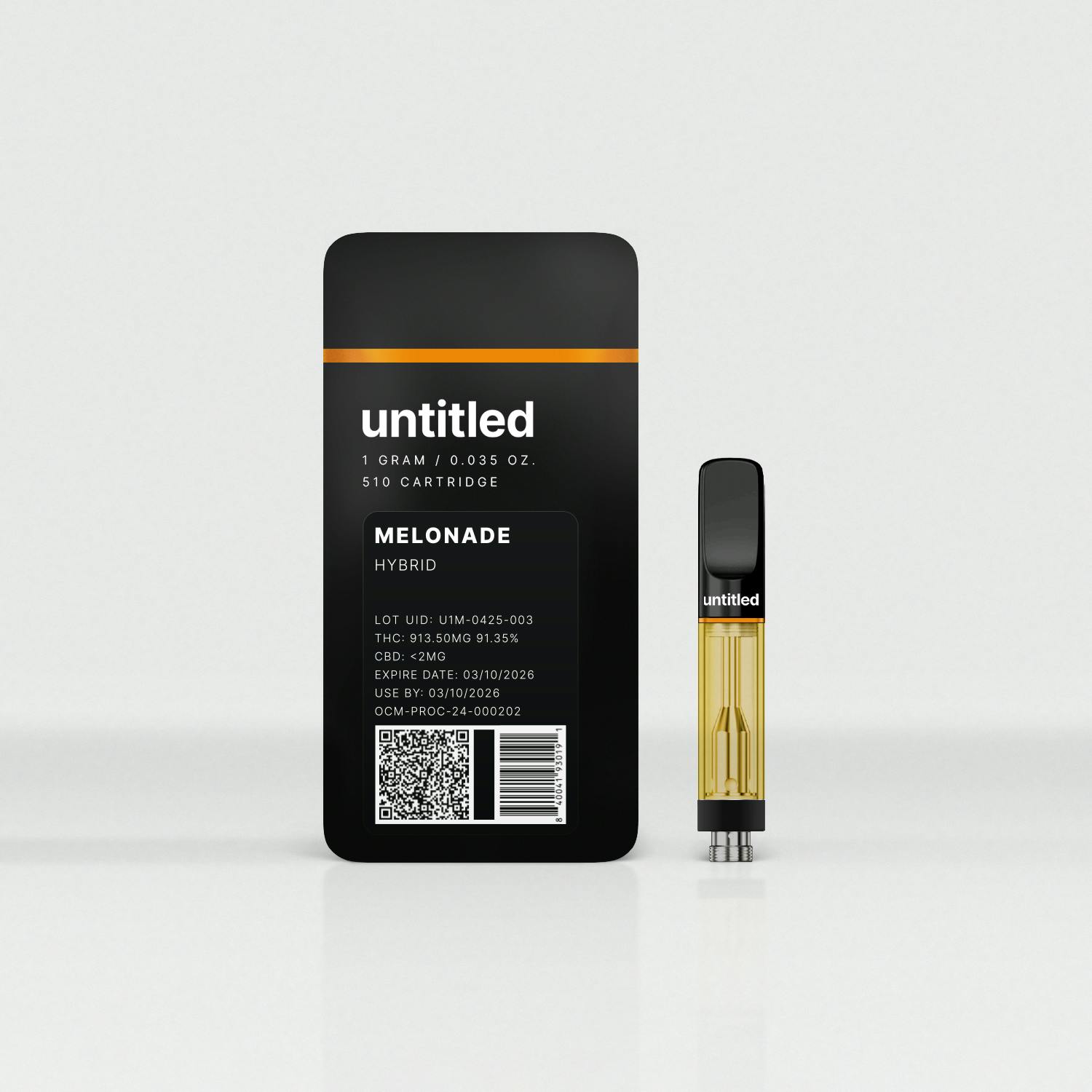
Shop Purple Lychee · 1 of 1 live products
About Purple Lychee
Everything to know about Purple Lychee.
Lineage & origin
Purple Lychee is a boutique sativa-leaning hybrid whose precise lineage has not been exhaustively documented in major public databases, and the originating breeder has not issued a widely circulated disclosure of both parent strains. What is broadly reported across community sources is that the strain draws from a purple-expression phenotype — likely carrying genetics from the broader Purple family, which traces its lineage to the legendary Mendocino Purps and, further back, to classic Afghani landrace stock responsible for anthocyanin-driven coloration. The tropical, lychee-forward aroma strongly suggests influence from a Southeast Asian or Polynesian sativa lineage, possibly related to strains such as Maui Wowie or a comparable sun-grown Pacific variety, though this connection remains speculative rather than confirmed. The 'lychee' terpene character — distinctly fruity and floral — has become increasingly sought after in modern craft breeding programs operating out of California and the Pacific Northwest, where selections are made for both aromatic complexity and consistent violet pigmentation. Purple Lychee appears to have emerged within this contemporary wave of aesthetically and aromatically expressive hybrids, likely developed sometime in the late 2010s. Without an authoritative breeder page to cite, enthusiasts are advised to treat specific lineage claims circulating on retail menus with measured skepticism, and to evaluate each batch on its own sensory merits.
Effects
The onset of Purple Lychee tends to arrive within five to fifteen minutes of inhalation, beginning as a gentle brightening behind the eyes and a subtle lift in mental clarity that is characteristic of sativa-dominant cultivars. This initial cerebral quality is rarely jarring; instead, it carries a measured, almost conversational energy that makes social settings feel more fluid and creative tasks feel more approachable. The myrcene content introduces just enough physical ease to soften any edge that higher-stimulation sativas can sometimes carry. At peak, the experience is predominantly cerebral — thoughts move with a pleasant associative quality, sensory perception is lightly heightened, and mood tends toward warmth and openness. The body remains functional and largely unburdened, which distinguishes Purple Lychee from heavier indica-leaning purples that can anchor the limbs. Duration for most consumers falls in the two-to-three hour range, with the peak plateau lasting roughly sixty to ninety minutes depending on individual tolerance and consumption method. The comedown is notably graceful. Rather than a sudden drop in energy, Purple Lychee tends to taper into a calm, contented baseline that does not typically tip into lethargy. Terpenes such as linalool and ocimene, commonly detected in floral-fruity cultivars of this character, may contribute to this smooth transition. As always, those new to cannabis or returning after a break are encouraged to start low and proceed slowly.
Aroma, flavor & terpenes
The dominant aromatic impression of Purple Lychee is, as the name promises, a lush tropical fruitiness — sweet, slightly syrupy, and unmistakably reminiscent of fresh lychee with its characteristic rose-water and grape-adjacent undertones. This profile is likely driven by a combination of terpinolene, which contributes the piney-floral-fruity lift common in tropical sativas, and ocimene, a terpene associated with sweet, herbaceous, and faintly citrus-adjacent aromas that deepens the exotic fruit impression. Myrcene appears as a secondary pillar, grounding the higher aromatic notes with an earthy, slightly musky warmth that prevents the profile from reading as purely candy-sweet. Trace contributions of linalool introduce a delicate lavender-floral quality that integrates seamlessly with the grape-skin and berry nuances produced by the strain's anthocyanin-rich tissue. Some phenotypes display a faint pinene note on the back end — a crisp, resinous breath that adds structural contrast. On the palate, the smoke or vapor is generally smooth and well-rounded. The inhale leads with sweetness — juicy, tropical, and distinctly floral — while the exhale reveals a subtle earthiness and a lingering berry-floral finish that coats the palate without becoming cloying. The purple coloration of the buds, a product of anthocyanins rather than terpenes per se, nonetheless correlates with the grape and berry flavor nuances that many consumers report, creating a cohesive sensory narrative from first look through final exhale.
Appearance
Purple Lychee presents with considerable visual distinction. The buds are typically medium to dense in structure, with a slightly elongated calyx formation that reflects its sativa heritage while still maintaining enough compactness to suggest careful cultivation and proper cure. The color palette is among the most striking in the contemporary market: deep violet and indigo tones dominate the interior leaves and calyxes, transitioning at the edges to forest greens that ground the composition. Trichome coverage is generous and evenly distributed, lending the buds a frosted, almost lacquered quality under direct light. The pistils — hair-like reproductive structures that weave through the surface — present in warm amber and occasionally rust-orange, providing vivid tonal contrast against the cool purple and green background. The overall presentation is one of deliberate craftsmanship: visually coherent, aromatically telegraphed, and immediately legible as a premium cultivar to the educated eye.
Growing notes
Purple Lychee is understood to thrive most reliably in controlled indoor environments where temperature fluctuations can be managed with precision — anthocyanin expression, the pigment responsible for the strain's signature purple coloration, is most vivid when nighttime temperatures are deliberately lowered during the final weeks of flowering, a technique well-documented in purple cultivar production. Flowering time is estimated in the range of eight to ten weeks under a standard twelve-twelve light cycle, which aligns with most contemporary sativa-leaning hybrids. Indoor yields are reported as moderate, consistent with the trade-off that aromatically complex, trichome-dense cultivars often make against raw biomass production. Outdoor cultivation is feasible in warm, Mediterranean-style climates with low humidity during the flowering window, as the dense bud structure can be susceptible to moisture retention and botrytis if airflow is insufficient. The strain is considered intermediate in difficulty — approachable for cultivators with at least one full cycle of experience, but requiring attentive environmental management to fully express its aromatic and visual potential. Consumers curious about cultivation should consult a licensed grower for region-specific guidance.
When it's best enjoyed
Purple Lychee occupies a particular niche in the cannabis landscape: it is a daytime strain with enough sensory richness to feel celebratory, yet measured enough in its physical weight to remain functional. It is well-suited to solo creative sessions — writing, sketching, or any practice that benefits from a looser, more associative mental state — as well as to unhurried social gatherings where conversation is the primary activity. Given its tropical fruit and floral terpene architecture, Purple Lychee pairs with particular elegance alongside fresh, acidic foods: a plate of chilled stone fruit, a Vietnamese summer roll, or a lightly dressed ceviche all echo the strain's dominant flavor notes without competing against them. For a musical pairing, the strain's bright, flowing energy aligns naturally with artists who operate in the space between jazz and electronic ambience — something melodic, unhurried, and layered. A late weekend morning, an open window, and an hour without obligation represent the ideal context in which this cultivar delivers its most complete version of itself.
If you like Purple Lychee, also explore
Zkittlez
Fans of Purple Lychee's layered tropical-fruit sweetness and smooth, well-tempered experience will find a familiar sensory register in Zkittlez's candy-fruit terpene profile and gently euphoric character.
Mimosa
Mimosa shares Purple Lychee's sativa-leaning brightness and citrus-adjacent fruitiness, making it a natural next step for those who appreciate an uplifting, daytime-oriented cultivar with aromatic complexity.
Tropicana Cookies
The pronounced terpene-forward citrus and tropical fruit expression in Tropicana Cookies mirrors Purple Lychee's emphasis on aromatic vividness, appealing to the same palate-driven consumer.
Grape Ape
Consumers drawn to Purple Lychee's anthocyanin-rich visual presentation and grape-berry flavor undertones will recognize kindred qualities in Grape Ape's deeply pigmented, fruit-forward character.
Maui Wowie
For those who value the clean, energizing sativa arc of Purple Lychee, Maui Wowie offers a classic Pacific lineage expression with comparable tropical aromatics and a similarly functional daytime effect profile.
Common questions
Is Purple Lychee indica or sativa?+
Purple Lychee is classified as a sativa-leaning hybrid. While it carries genetic material associated with purple-expression varieties that have indica heritage — responsible for its distinctive coloration — the overall experience tilts toward the cerebral, energizing qualities typically associated with sativa-dominant cultivars. The body effect remains present but light, keeping the strain oriented toward daytime and social use rather than deep physical relaxation.
What does Purple Lychee taste like?+
Purple Lychee delivers a pronounced tropical fruit sweetness on both inhale and exhale, with lychee, grape, and subtle berry notes forming the core of the flavor profile. A faint floral quality — likely driven by linalool and ocimene — threads through the mid-palate, while a light earthiness on the finish adds depth and prevents the sweetness from reading as one-dimensional. The smoke or vapor is generally smooth and well-integrated across the tasting arc.
What are the typical effects of Purple Lychee?+
Consumers typically report an uplifting, cerebral onset that arrives within ten to fifteen minutes — a brightening of mood and a gentle sharpening of mental focus. The experience is social and creative in character, with a manageable physical ease that keeps the body comfortable without inducing heaviness. The overall arc spans two to three hours, with a smooth, non-disruptive comedown. Those new to cannabis should begin with a modest amount and allow adequate time before reassessing.
What strains are similar to Purple Lychee?+
Consumers who enjoy Purple Lychee tend to find common ground with Zkittlez for its candy-sweet tropical flavor, Mimosa for its sativa brightness and fruit-forward aromatics, Tropicana Cookies for comparable terpene expressiveness, Grape Ape for its shared purple aesthetic and berry undertones, and Maui Wowie for its clean, daytime sativa energy and tropical character. Each offers a slightly different emphasis while sharing Purple Lychee's broader sensory identity.
Is Purple Lychee good for beginners?+
Purple Lychee can be approachable for beginners given its relatively smooth effect arc and the absence of the intense physical sedation associated with heavy indica cultivars. That said, its sativa character means onset can feel stimulating, which some new consumers find unexpected. The standard guidance applies: start with a very small amount, allow fifteen to twenty minutes before considering more, and consume in a comfortable, familiar setting. Individual responses to cannabis vary considerably.
What are the dominant terpenes in Purple Lychee?+
Based on its reported aromatic and effect profile, Purple Lychee is understood to feature terpinolene and ocimene as primary drivers of its tropical, floral-fruity aroma. Myrcene contributes an underlying earthy warmth, linalool adds a delicate lavender-floral nuance, and trace pinene provides a crisp resinous counterpoint. The precise terpene composition varies by phenotype, batch, and cultivation environment, so reviewing the certificate of analysis for a specific lot is always advisable.
Why is Purple Lychee purple?+
The violet and indigo coloration of Purple Lychee is the result of anthocyanins — water-soluble pigments produced in the plant's tissue in response to cooler temperatures, particularly during the final weeks of the flowering cycle. This is a genetic trait inherited from purple-expression lineages rather than a sign of stress or damage. Anthocyanins do not meaningfully alter the terpene or cannabinoid profile, but they are strongly associated in the contemporary market with fruit-forward, aromatically expressive cultivars.
When is the best time of day to enjoy Purple Lychee?+
Purple Lychee's sativa-forward character makes it best suited to morning through mid-afternoon consumption, or any occasion where mental clarity and social ease are desirable. It is not ideally positioned as a wind-down strain before sleep, as its cerebral lift may counteract the relaxation many seek at night. Weekend mornings, creative afternoons, and unhurried social gatherings represent the contexts in which this cultivar tends to perform most coherently with its intended character.
Related strains