
Sativa
All strains Lemon Cane
1 live products in stock
Quick answer · What is the Lemon Cane cannabis strain?
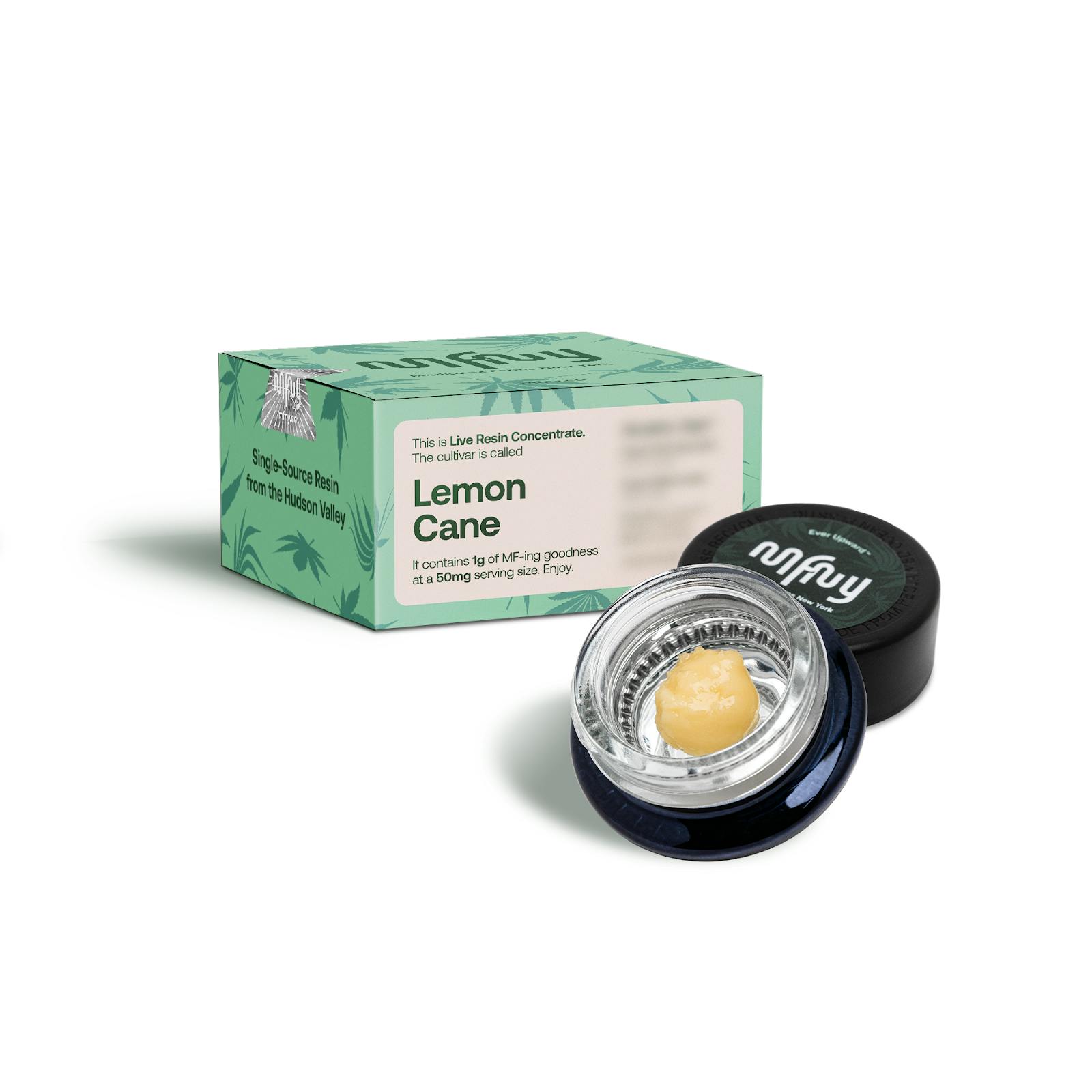
Lemon Cane arrives with the brightness of a sun-warmed citrus grove and the clean, focused lift that sativa enthusiasts quietly seek. A strain that favors daylight hours and open agendas, it carries a layered terpene profile that reads as equal parts lemonade and fresh-cut sugarcane, delivering a cerebral clarity that feels earned rather than forced. For those who prize intention in their cannabis experience, Lemon Cane is a considered choice.
Shop Lemon Cane · 1 of 1 live products
About Lemon Cane
Everything to know about Lemon Cane.
Lineage & origin
Lemon Cane is generally understood to descend from a cross of Lemon Skunk and Sugar Cane, though detailed breeder documentation for this particular variety remains sparse in major public databases such as Leafly and Wikileaf, and the originating seed company has not been widely publicized. Lemon Skunk itself is a well-established cultivar with a proud lineage, bred by DNA Genetics from two select Skunk phenotypes that expressed unusually pronounced citrus characteristics — it became a staple of the Dutch coffee-shop scene in the mid-2000s and has since influenced a broad swath of lemon-forward genetics. Sugar Cane, on the other hand, is a hybrid developed by Ethos Genetics, crossing Slurricane and Platinum, and is recognized for its sweet, fuel-touched aroma and full-bodied effects that balance its indica and sativa heritage gracefully. The union of these two distinct genetic lines produces a sativa-leaning expression that borrows the sharp citrus pungency of Lemon Skunk and tempers it with the sweetness and physical warmth associated with Sugar Cane. Because formal breeder records for Lemon Cane as a named variety are not comprehensively catalogued, some phenotypic variation may exist across different cultivators' cuts. Consumers and cultivators who seek a lemon-diesel hybrid with measurable uplifting character will find Lemon Cane occupying a coherent, if modestly documented, corner of the modern sativa landscape.
Effects
The onset of Lemon Cane tends to arrive within five to fifteen minutes of inhalation, announcing itself first as a gentle pressure behind the eyes and temples — a sensation familiar to seasoned sativa consumers that signals the cerebral phase is beginning. That opening quickly gives way to a more expansive mental clarity: thoughts move fluidly, conversation feels easier to initiate, and creative tangents become inviting rather than distracting. The experience is characteristically uplifting without tipping into anxious overstimulation, though individuals with sensitivity to sativa-dominant cannabis are encouraged to approach with the standard start-low, go-slow practice. At its peak, Lemon Cane occupies predominantly cerebral territory. The body is not ignored — a mild, pleasant warmth tends to settle through the limbs — but it never accumulates into the heaviness associated with indica-dominant cultivars. This quality makes the strain well-suited to active engagement: it supports focus rather than encouraging retreat. Duration for most consumers sits in the two-to-three-hour range, with the peak cerebral window spanning roughly the first ninety minutes before easing into a grounded, relaxed finish. The comedown is gentle, rarely accompanied by significant fatigue. Terpene science helps explain the character: myrcene contributes a baseline of physical ease, while limonene — typically a dominant terpene in this variety's profile — is associated in the research literature with mood elevation and stress modulation. Caryophyllene, where present, adds a subtle grounding note that tempers any edge.
Aroma, flavor & terpenes
Lemon Cane opens with an immediately recognizable burst of bright lemon zest, the kind that recalls peeling a sun-warmed citrus fruit rather than a cleaning product. This top note is driven principally by limonene, the terpene most directly associated with sharp citrus aroma and the mood-brightening qualities that often accompany it. Beneath that initial brightness, a secondary sweetness emerges — a sugarcane or soft candy register that speaks to the Sugar Cane side of the lineage and is likely supported by terpinolene and ocimene, both of which contribute floral, fruity, and lightly sweet aromatic dimensions. Moving deeper into the profile, myrcene introduces an earthy, subtly herbal undertone that keeps the aroma grounded and prevents it from reading as one-dimensional. Caryophyllene, if present in meaningful concentration, adds a faint spice and a slight fuel-like depth that marries well with the citrus top notes — a combination familiar to fans of lemon-diesel cultivars. Humulene may contribute a whisper of dry, woody character that adds complexity in the mid-range. On the palate, Lemon Cane is typically clean and refreshing when vaped at moderate temperatures. Flower combusted in a quality pipe or joint expresses more of the earthy and spice notes, while the citrus tends to be most vivid on the exhale. The finish is smooth, leaving a faint sweetness on the tongue that lingers pleasantly rather than cloying.
Appearance
Lemon Cane presents with the elongated, somewhat loosely structured buds characteristic of sativa-dominant genetics. The calyxes tend to stack in an open formation that allows light to travel through the flower, giving well-grown specimens an almost luminous quality when held to the light. Coloration runs primarily through medium to deeper greens, with occasional yellow-gold hues that nod to the citrus character locked within the terpene profile. Pistils — the fine hairs threading through the bud — typically appear in warm amber and pale orange tones, adding visual warmth against the green backdrop. Trichome coverage is generous for a sativa-leaning variety, lending a frosted, slightly sticky texture to the exterior of well-cured specimens. When the flower is properly dried and trimmed, the trichome heads remain intact and milky-white to pale gold, indicating a harvest timed to preserve the full aromatic and cannabinoid profile. Overall, Lemon Cane's appearance is elegant in an understated way — more refined meadow than dense forest.
Growing notes
Lemon Cane performs well both indoors and in greenhouse environments, where cultivators can manage humidity and temperature with precision — conditions that help the strain express its full terpene potential. Outdoors, it thrives in warm, Mediterranean-style climates with long summers and moderate humidity, though it can be coaxed through a season in milder temperate regions with attentive care. Flowering time typically falls in the eight-to-nine-week range indoors, consistent with many sativa-leaning hybrids of comparable genetic background. Indoor yields are moderate to generous when the plant is trained using low-stress techniques such as LST or a screen-of-green setup, which helps manage the naturally vertical growth habit common to sativa-dominant cultivars. Outdoor plants can stretch considerably and benefit from early topping to encourage lateral branching and improve light penetration. The difficulty level is considered moderate — the strain is not particularly finicky about nutrients but does reward growers who dial in their vapor pressure deficit and maintain strong airflow to protect the open bud structure from moisture-related issues. For the cultivator-curious consumer, Lemon Cane represents an engaging, characterful grow that offers visible genetic expression throughout its life cycle.
When it's best enjoyed
Lemon Cane is calibrated, by temperament, for the daylight hours and the kinds of activities that benefit from a mind that is present and gently animated. It is a natural companion for solo creative work — the kind of afternoon spent writing, sketching, or moving through a design problem that requires lateral thinking without the need for deep sedation. The strain's limonene-forward profile and clear-headed lift make it equally at home during a long walk through a botanical garden or along a tree-lined urban avenue, where sensory detail feels sharper and more rewarding than usual. For social occasions, Lemon Cane suits a small, engaged gathering better than a large, chaotic one — a Sunday brunch, an afternoon gallery visit, or a patio conversation that stretches pleasantly past its intended end. On the palate, it pairs naturally with foods that mirror its citrus and sweet-herb profile: a lightly dressed ceviche, a Meyer lemon tart, or a sparkling water infused with fresh citrus and mint. Musically, the strain aligns with artists who balance energy and clarity — Brazilian jazz, early Vampire Weekend, or the brighter corners of a curated indie playlist. The throughline is intention: Lemon Cane rewards those who bring a plan.
If you like Lemon Cane, also explore
Lemon Skunk
As one of Lemon Cane's probable parent strains, Lemon Skunk shares the same sharp citrus pungency and sativa-leaning uplift, making it a natural next step for anyone drawn to Lemon Cane's aromatic profile.
Lemon Haze
Lemon Haze offers a similarly bright, limonene-rich aroma and a clear, cerebral sativa experience that will feel immediately familiar to Lemon Cane enthusiasts seeking a well-documented citrus-forward option.
Strawberry Cough
For consumers who appreciate Lemon Cane's smooth, uplifting sativa character and sweet aromatic finish, Strawberry Cough delivers a comparably sociable and focused experience with a fruit-forward twist.
Durban Poison
Durban Poison shares the energetic, anise-and-citrus sativa clarity that Lemon Cane fans prize, with a similarly clean comedown that suits productive daytime use.
Super Lemon Haze
A Growers Choice Award-winning cultivar with a robust citrus-terpene foundation and sativa-dominant effects, Super Lemon Haze is a well-established bridge for anyone who wants the Lemon Cane experience in a more widely catalogued variety.
Common questions
Is Lemon Cane indica or sativa?+
Lemon Cane is classified as a sativa-dominant hybrid. Its parent strains — generally understood to be Lemon Skunk and Sugar Cane — lean toward uplifting, cerebral effects typical of sativa-leaning genetics. While a mild body warmth is part of the experience, the overall character favors mental clarity and gentle energy over physical sedation, placing it firmly in daytime or early-evening territory for most consumers.
What does Lemon Cane taste like?+
Lemon Cane delivers a clean, layered flavor that leads with bright lemon zest on the inhale and transitions into a soft, sugarcane-like sweetness on the exhale. Secondary notes of light earthiness and a faint herbal spice round out the profile. When vaped at moderate temperatures, the citrus character is most vivid; combustion brings out the earthier, spiced undertones. The finish is smooth and pleasantly sweet without being cloying.
What are the typical effects of Lemon Cane?+
Most consumers report an onset within five to fifteen minutes, beginning with a light cerebral lift that promotes clarity, easy conversation, and creative engagement. The peak experience is predominantly mental, with a mild, warming body component that does not impede movement or focus. Duration tends to run two to three hours, easing into a calm, grounded finish. Those new to sativa-leaning cannabis should begin with a small amount and assess their response before continuing.
What strains are similar to Lemon Cane?+
Consumers who enjoy Lemon Cane often gravitate toward other citrus-forward sativa cultivars such as Lemon Skunk, Lemon Haze, and Super Lemon Haze, all of which share limonene-dominant profiles and uplifting cerebral effects. Strawberry Cough offers a comparable social, focused energy with a sweeter aromatic angle. Durban Poison appeals to those who want a clean, energetic sativa arc with a slightly earthier finish.
Is Lemon Cane good for beginners?+
Lemon Cane can be approachable for new consumers given its smooth flavor and relatively clear-headed character, but its sativa-dominant nature means that sensitivity to cerebral stimulation should be taken seriously. Anyone new to cannabis or unfamiliar with sativa-leaning varieties is encouraged to follow start-low, go-slow guidance — begin with a single, small inhalation, allow fifteen minutes before reassessing, and avoid combining with alcohol or other substances. A comfortable, familiar environment is advisable for a first session.
What are the dominant terpenes in Lemon Cane?+
Lemon Cane's profile is anchored by limonene, which drives the bright citrus aroma and is associated with mood elevation in the terpene literature. Myrcene contributes earthy depth and a baseline of physical ease. Terpinolene and ocimene likely support the sweet, floral mid-notes, while caryophyllene adds a subtle spice and grounding quality. Humulene, if present, introduces a faint woody character. Together, these terpenes produce a profile that is aromatic, layered, and refreshingly non-linear.
When is the best time of day to enjoy Lemon Cane?+
Lemon Cane is best suited to morning or afternoon use, when its sativa-dominant, clarity-promoting character can be put to productive use. The strain's energetic arc makes it less ideal as a wind-down cultivar before sleep. Late afternoon, ahead of a creative session, a social outing, or an outdoor activity, represents the window where Lemon Cane tends to perform most cohesively. Evening use is possible but may delay the transition to rest for consumers sensitive to cerebral stimulation.
How was Lemon Cane bred, and who created it?+
Lemon Cane is broadly attributed to a cross of Lemon Skunk and Sugar Cane, though formal breeder documentation and an originating seed company have not been prominently established in major public cannabis databases. Lemon Skunk was developed by DNA Genetics from select citrus-expressing Skunk phenotypes, while Sugar Cane is a creation of Ethos Genetics. The precise origin story of Lemon Cane as a named variety remains modestly documented, and some variation across phenotypes may exist among different cultivators.
Related strains