THC 87.46%·CBD 0.12%Hybrid
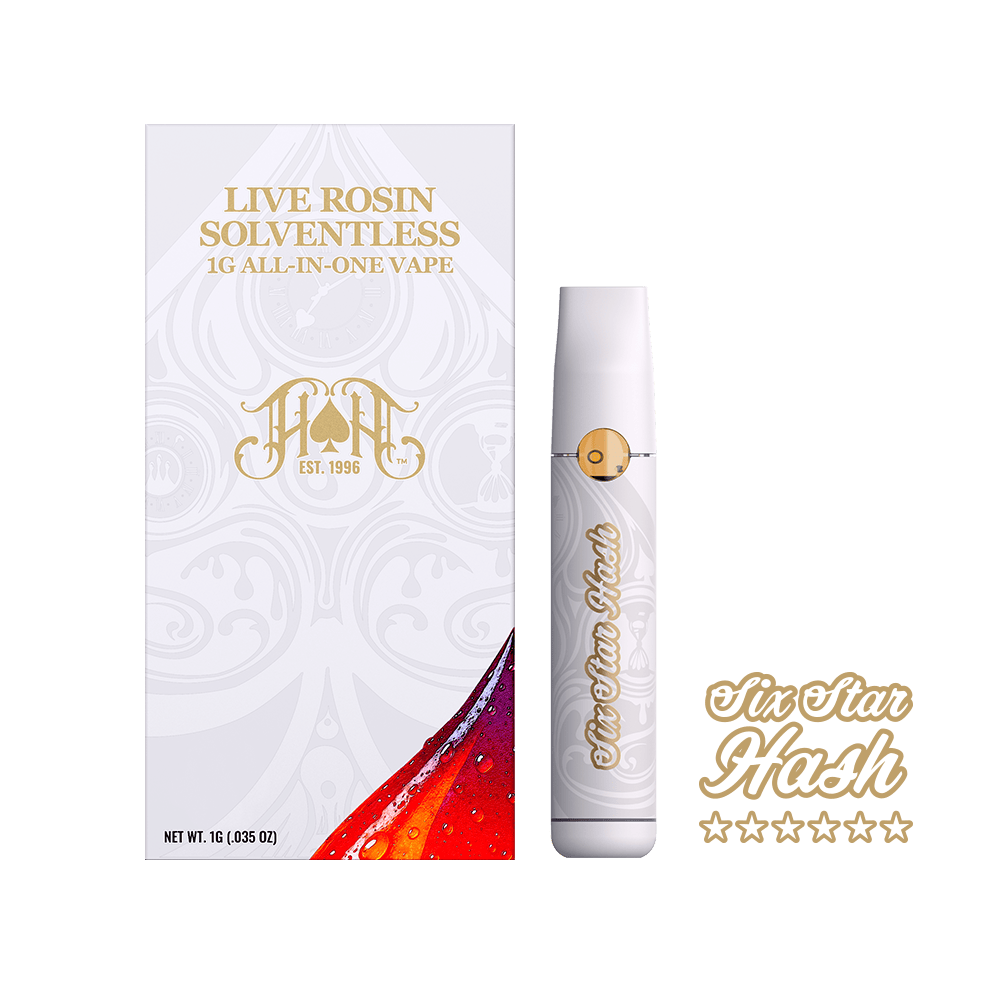
Heavy HittersGuava Berry | Hybrid - Live Rosin All-In-One 1g · 1g
$90.27
$102after tax

weeddispensarynearme.com
You must be 21 years or older to enter. By entering, you confirm you’re of legal age in your state to purchase cannabis.
For use only by adults 21+ • Keep out of reach of children
1 live products in stock
Quick answer · What is the Guava Berry cannabis strain?
Guava Berry arrives as a sensory passport to warmer latitudes — its dense, resinous buds carry the unmistakable sweetness of ripe tropical fruit layered over a subtle berry undercurrent. As a hybrid, it offers a balanced interplay of uplifting clarity and physical ease, making it a compelling choice for those who prefer an experience that neither overwhelms nor underwhelms, but settles into something quietly pleasurable and distinctly refined.
$102after tax
About Guava Berry
Guava Berry is a hybrid strain whose precise lineage remains somewhat debated in public cannabis databases, though the name strongly suggests genetic heritage drawing from Guava-family strains — likely related to Guava Kush or Papaya — crossed with a berry-forward cultivar, possibly within the Blueberry or Strawberry lineage family. The Guava Kush side of the family tree traces back to indica-dominant genetics that have circulated through West Coast breeding circles since the early 2010s, prized for their unmistakable tropical stone-fruit aroma profile. The berry influence, whether from DJ Short's legendary Blueberry lineage or a related phenotype, contributes a cooler, sweeter counterpoint that rounds out the tropical character without competing with it. The breeder of record for Guava Berry has not been consistently attributed across major public sources, and the strain may exist as multiple phenotypes from different cultivation programs working with similar flavor targets. This is not uncommon in the contemporary cannabis market, where evocative fruit-forward names are applied to strains that share a general terpene direction but may differ in precise parentage. What cannabis observers consistently note across phenotypes is the strain's reliability in delivering its signature aromatic profile and its well-balanced hybrid character, which has earned it a loyal following among connoisseurs who value fruit-forward cultivars with substance beneath the surface.
The onset of Guava Berry tends to be moderate in pace — users typically report the first signals within five to fifteen minutes of consumption, arriving as a gentle lift in mood and a brightening of sensory perception. The experience opens on a cerebral note, with a sense of easy mental engagement that does not tip into racing thoughts or anxiety. This initial clarity is one of the strain's more appealing qualities: it invites conversation, creativity, or simply an appreciative awareness of one's surroundings without demanding much in return. As the experience deepens toward its peak, a warmth begins to spread through the body — not the heavy sedation associated with a strong indica, but a physical softening that complements the mental lift rather than counteracting it. This is where Guava Berry's hybrid character reveals itself most clearly: the two sensations coexist in a way that feels integrated rather than competing. Duration is typically measured in the two-to-three-hour range for most consumers, with a gentle, unhurried comedown that rarely tips into discomfort. Terpenes likely play a meaningful role in shaping this arc. The myrcene content, if present as suspected, would contribute to the body ease and the slight sedative quality at peak, while limonene-driven brightness supports the uplifted mood in the opening phase. As always, individual responses vary considerably, and newcomers are encouraged to begin with a modest amount and allow ample time before assessing.
The aromatic profile of Guava Berry is its most immediately seductive quality. On first encounter, the nose is greeted by a vivid tropical sweetness — ripe guava and mango-adjacent notes that evoke sun-warmed fruit rather than artificial candy. Beneath this, a quieter berry accord — closer to fresh blueberry or blackberry than jammy preserves — adds a cooler, slightly earthy dimension that keeps the profile grounded. This interplay between tropical and berry registers is what gives the strain its name and its distinctive character. From a terpene perspective, myrcene is likely a primary driver, contributing both the ripe, musky-sweet fruit quality and lending a subtle herbal undertone that grounds the sweeter notes. Caryophyllene may appear as a secondary presence, adding a faint spice that surfaces on the exhale and prevents the profile from reading as one-dimensional. Limonene, where present, sharpens the citrus-adjacent edges of the guava character and contributes to the overall brightness of the aroma. Ocimene, occasionally documented in tropical-leaning strains, could account for the faintly floral, almost effervescent quality that some tasters detect. On the palate — whether via flower or vaporizer — Guava Berry delivers a smooth, fruit-forward inhale that carries the tropical sweetness cleanly onto the tongue. The exhale tends to reveal the strain's earthier, slightly spiced undercurrent, with the berry note lingering on the finish. Vapor tends to amplify the fruit nuance, while combustion brings forward the earthy and spice dimensions more prominently.
Guava Berry buds present with a compact, medium-dense structure that reflects its hybrid constitution — not quite the tight, rounded formation of a classic indica, nor the elongated, looser architecture of a sativa-dominant cultivar. The calyxes tend to stack with a gentle layering that makes well-trimmed specimens look almost architectural under good light. The color palette leans toward a rich, mid-tone green with occasional hints of deeper olive or subtle purple in phenotypes that have experienced cooler finishing temperatures during cultivation. Pistils — the fine, hair-like structures threading through the bud — commonly present in amber to burnt orange tones, providing warm visual contrast against the green backdrop. Trichome coverage is notable: a generous frost of resin glands gives the surface a luminous, slightly silvered appearance that speaks to the strain's aromatic and cannabinoid density. Overall, the visual presentation is one of well-cultivated substance rather than ornamental excess.
Guava Berry is understood to perform well in both indoor and outdoor environments, though controlled indoor cultivation allows cultivators to manage the humidity levels that tropical-leaning genetics sometimes require. Indoor flowering time is generally estimated in the eight-to-nine-week range, which places it in a moderate timeline for a hybrid — not the quickest to finish, but not demanding in terms of patience relative to some longer-cycling exotic cultivars. Yields in indoor settings are described as moderate to above-average when plants are given adequate canopy management, with techniques such as low-stress training or light defoliation helping to improve light penetration and airflow. Outdoor cultivation in warmer, Mediterranean-adjacent climates — or in New York during a long, warm summer — can produce generous harvests, with harvest windows typically falling in early-to-mid October in the Northern Hemisphere. The strain is considered moderately accessible for home cultivators with some prior experience; complete beginners may find that its preference for stable conditions and attentive humidity management requires a learning curve. As with all cannabis cultivation in New York, individuals should confirm current home-grow regulations before proceeding.
Guava Berry occupies a particularly appealing niche among hybrid strains in that it suits the threshold hours of the day — neither the sharp morning clarity demanded by a pure sativa, nor the deep evening wind-down of a heavy indica, but the golden, unhurried stretch of a late afternoon. It is a natural companion for a solo creative session that benefits from gentle focus without intensity: writing in a sun-filled room, sketching, or curating a playlist all come to mind as fitting contexts. Socially, the strain's balanced character makes it a graceful presence at a small, unhurried gathering — an intimate dinner among friends who appreciate conversation over spectacle. The tropical fruit terpene profile pairs with genuine culinary elegance alongside dishes that echo its flavor register: a ceviche with ripe mango and lime, stone-fruit charcuterie, or a chilled rosé with distinct berry notes. For a musical pairing, something in the register of warm, melodic electronic music — think Caribou, Four Tet, or a carefully sequenced jazz-adjacent ambient record — complements the strain's blend of mental engagement and physical ease without demanding too much of either the listener or the experience itself.
Papaya
Fans of Guava Berry's tropical stone-fruit aromatic profile will find a familiar warmth in Papaya, which shares a comparable indica-leaning hybrid character and a richly exotic terpene signature rooted in mango and citrus notes.
Tropicana Cookies
Those drawn to Guava Berry's bright, fruit-forward experience will appreciate Tropicana Cookies' limonene-driven citrus clarity and its similarly balanced hybrid arc that opens with cerebral energy and softens into physical ease.
Blueberry
If the berry undercurrent in Guava Berry is what resonates, DJ Short's Blueberry — one of the most celebrated fruit-forward cultivars in cannabis history — offers a deeper, cooler expression of that same berry register with a relaxing, mellow body character.
Mimosa
Guava Berry enthusiasts who enjoy its uplifting mood quality alongside tropical sweetness will find Mimosa a natural companion, with its Clementine-and-Purple-Punch lineage producing a similarly cheerful, fruit-laden hybrid experience.
Zkittlez
The multi-layered fruit complexity of Guava Berry shares sensory territory with Zkittlez, a strain celebrated for its candy-store sweetness and gently relaxing hybrid effects that appeal to connoisseurs of aromatic, flavor-forward cannabis.
Guava Berry is classified as a hybrid, meaning it draws from both indica and sativa genetic backgrounds. In practice, this translates to an experience that blends a mood-elevating, mentally engaged quality with a grounding physical ease. Neither side dominates in a heavy-handed way, which is precisely what makes it appealing to consumers who find pure indica or pure sativa expressions too one-directional for everyday use.
Guava Berry delivers a tropical, fruit-forward palate anchored by the sweetness of ripe guava and mango-adjacent notes, with a cooler berry accent — closer to blueberry or blackberry — adding depth on the finish. The exhale introduces a subtle earthiness and a faint spice note, likely from caryophyllene, that keeps the profile from reading as purely sweet. Vapor tends to highlight the fruit nuance most clearly, while combustion brings forward the earthier dimensions.
Consumers commonly describe a balanced experience that opens with a gentle mood lift and a sense of easy mental engagement, followed by a gradual physical warmth that softens the body without inducing heaviness. The overall arc is neither sharply stimulating nor deeply sedating, settling instead into a comfortable middle register that suits a range of contexts and times of day. Duration is typically two to three hours, with a smooth and unhurried comedown.
Those who enjoy Guava Berry's tropical fruit profile and balanced hybrid character may also appreciate Papaya, Tropicana Cookies, Mimosa, Blueberry, and Zkittlez. Each shares some element of Guava Berry's appeal — whether that is the exotic, fruit-forward aroma, the uplifted yet physically grounded effect arc, or the overall sensory refinement that distinguishes flavor-first hybrid cultivars from more utilitarian options.
Guava Berry's balanced hybrid character makes it a relatively approachable option, but its aromatic richness and resin density suggest meaningful potency that warrants some respect. Those new to cannabis are advised to follow the standard guidance: begin with a small amount, allow sufficient time to assess the experience before consuming more, and choose a comfortable, familiar setting. The strain's lack of sharply anxious or heavily sedating edges makes it more forgiving than many alternatives, but individual sensitivity always varies.
While precise lab data varies by phenotype and producer, Guava Berry's aroma profile points to myrcene as a likely dominant terpene — responsible for the ripe, tropical-fruit sweetness and the subtle body ease in the effect profile. Caryophyllene appears as a probable secondary presence, contributing spice on the exhale and a grounding quality. Limonene and ocimene may also be present, accounting for the citrus brightness and faintly floral, effervescent top notes that distinguish this cultivar.
Guava Berry's balanced hybrid character makes it particularly well-suited to the late afternoon or early evening — the transitional hours when the demands of the day have eased but full rest is not yet the goal. Its combination of gentle mental engagement and physical ease suits creative leisure, relaxed socializing, or a contemplative solo wind-down. Those more sensitive to the uplifting effects of cannabis may prefer earlier consumption to avoid any interference with sleep.
The specific breeder of Guava Berry has not been consistently attributed across major public cannabis databases, and the strain may exist as distinct phenotypes from different breeding programs working within a shared flavor and effect target. Its name and profile suggest lineage rooted in Guava-family genetics — possibly Guava Kush or Papaya — crossed with a berry-forward cultivar. Until a breeder formally claims and documents the cross, the precise origin should be considered uncertain.
Related strains
Pick your store
We'll show pricing, deals, and delivery zones for the store you pick. You can switch any time from the header.