
Sativa
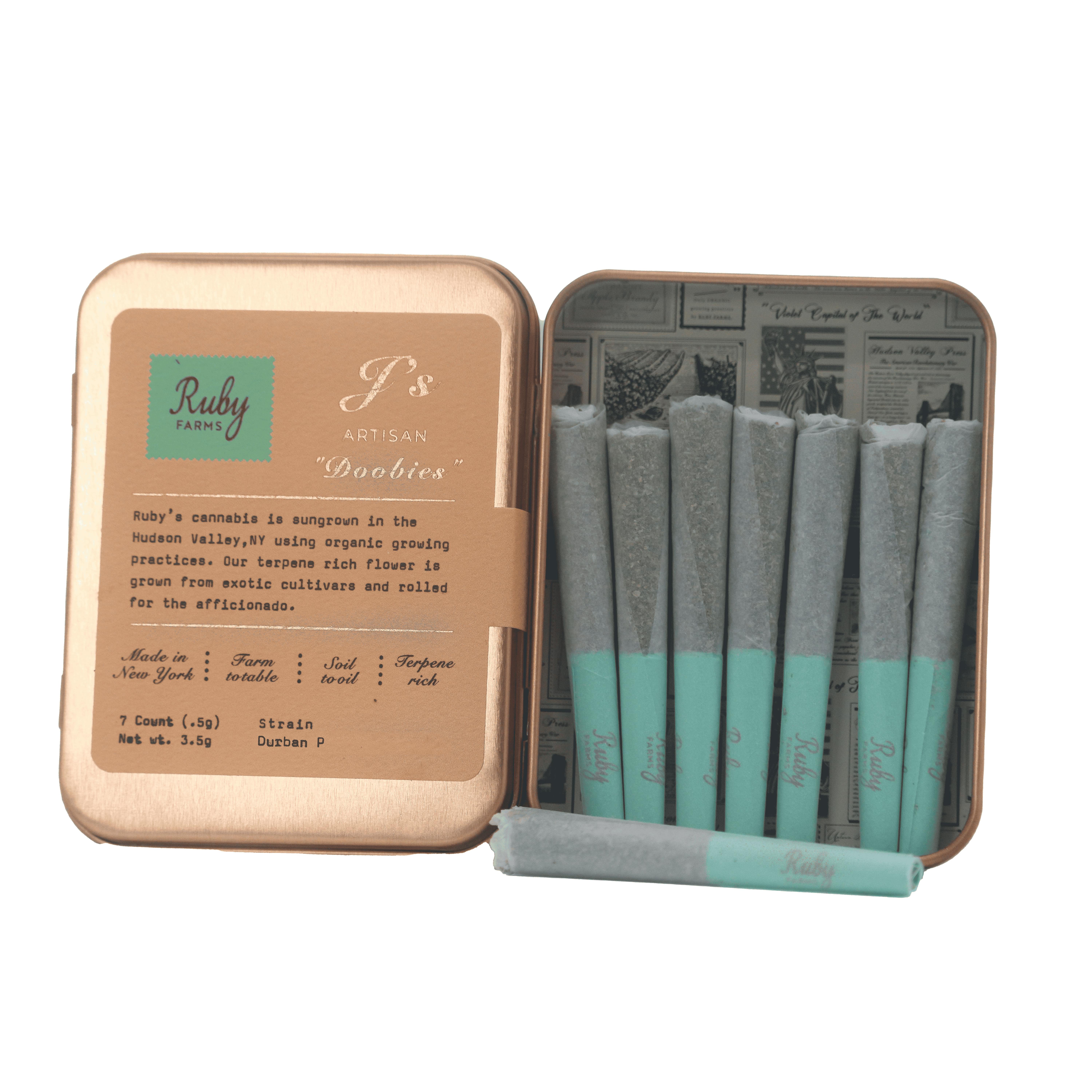
All strains Durban P
1 live products in stock
Quick answer · What is the Durban P cannabis strain?
Durban Poison is one of the cannabis world's most celebrated landrace sativas, a pure African cultivar that arrived on Western shelves and promptly redefined what an energizing, clear-headed experience could feel like. Grown originally in and around the South African port city of Durban, it carries decades of sun-drenched equatorial history in every dense, resin-heavy bud — a strain that earns its reputation through consistency, heritage, and an unmistakable anise-and-earth aroma that lingers long after the jar is closed.
Shop Durban P · 1 of 1 live products
About Durban P
Everything to know about Durban P.
Lineage & origin
Durban Poison is classified as a landrace strain, meaning it developed over centuries without deliberate human hybridization, shaped entirely by the climate, soil, and selection pressures of the Durban region of KwaZulu-Natal, South Africa. It is one of the few true sativa landraces to have been preserved and stabilized for Western cannabis markets, a distinction that gives it particular reverence among breeders and connoisseurs alike. The strain was introduced to the United States in the late 1970s by seed collector and cannabis activist Ed Rosenthal, who sourced seeds directly from South Africa. Mel Frank and later the Dutch seed company The Seed Bank — which eventually became Sensi Seeds — played significant roles in stabilizing and distributing the genetics globally through the 1980s. Sensi Seeds' work in particular brought Durban Poison to Amsterdam's seed market, cementing its international reputation. Because of its pure sativa lineage and stable expression, Durban Poison has become one of the most frequently used breeding parents in modern cannabis genetics. Its most famous offspring is arguably Girl Scout Cookies (GSC), which crosses Durban Poison with OG Kush, a pairing that helped launch an entire generation of Bay Area hybrid cultivars. Other notable relatives in the Durban lineage include Durban Thai, Durban x Skunk, and various phenotype selections made by South African breeders who continued cultivating the original line.
Effects
Durban Poison is widely regarded as a textbook example of sativa-dominant effects — uplifting, mentally alert, and gently energizing without the anxious edge that some high-THC sativas can introduce. Onset is typically brisk, often arriving within five to ten minutes of inhalation, with an initial clarity that settles behind the eyes and across the temples before radiating outward into a sense of engaged focus. The peak character is predominantly cerebral. Thoughts tend to move with a pleasant velocity — associative, curious, well-suited to tasks that reward lateral thinking. The body remains functional and relatively unencumbered, which distinguishes Durban Poison from hybrids that fold physical relaxation into their effect profile. Duration tends to run on the longer side for a sativa, with attentive users often noting two to three hours of sustained elevation before a gradual, clean comedown that rarely tips into fatigue. Terpene science helps explain much of this profile. Durban Poison is notable for an unusually high concentration of terpinolene, a terpene associated in preliminary research with uplifting and mildly stimulating qualities. Myrcene, present in smaller quantities, provides a subtle grounding note without pulling the experience toward sedation. The overall effect arc suits those who want to remain present, communicative, and creative — a strain that rewards intention rather than passive consumption. As always, individual responses vary; newcomers are encouraged to start with a conservative amount.
Aroma, flavor & terpenes
The aroma of Durban Poison is singular and immediately recognizable — a bright, sweet anise note anchored in warm earth, with a herbal backbone that recalls dried fennel or star anise sitting alongside fresh garden soil. This distinctive scent profile is driven largely by terpinolene, the strain's dominant terpene, which contributes fresh, slightly floral, and faintly pine-adjacent top notes that lift what might otherwise read as a purely earthy profile. Ocimene, frequently detected in Durban Poison samples, adds a subtle sweetness and an almost tropical softness that keeps the anise from reading as medicinal or sharp. Myrcene, present at lower levels, roots the bouquet with a mild muskiness and that characteristic damp-earth quality common to many cannabis cultivars but expressed here with restraint and elegance. Trace amounts of caryophyllene introduce a faint spice on the back end — not pepper exactly, but a warmth that adds complexity to what is primarily a sweet-and-herbal composition. On the palate, Durban Poison smokes with surprising smoothness for a pure sativa, particularly when consumed at lower temperatures through a quality vaporizer. The inhale carries the sweet anise prominently, with pine emerging on the mid-palate. The exhale is where the earthy, slightly spiced finish arrives, leaving a clean aftertaste that does not linger aggressively. Vapor at lower temperatures tends to preserve the floral and sweet registers most faithfully.
Appearance
Durban Poison produces buds that are visually distinctive and immediately recognizable to those familiar with landrace sativa morphology. The calyxes are notably large and round — often described as swollen — giving individual flowers a slightly puffy, almost bloated character compared to the elongated, airy structure typical of many equatorial sativas. This characteristic calyx formation contributes to a denser bud structure than one might expect from a pure sativa, and it is one of the traits breeders have prized when incorporating Durban Poison into hybrid programs. The color palette tends toward medium to deep green, with occasional olive undertones depending on the phenotype and curing conditions. Pistils are typically amber to orange-brown at harvest, threading visibly through the bud structure. Perhaps most striking is the trichome density: Durban Poison produces an exceptional quantity of large, resin-filled trichomes that coat both the flowers and surrounding sugar leaves in a thick, almost luminous layer — a visual testament to the strain's historical reputation as a high-resin cultivar.
Growing notes
Durban Poison is generally considered a manageable grow for cultivators with intermediate experience, though its pure sativa genetics introduce the characteristic challenges of the category. Indoors, flowering time runs approximately nine to ten weeks — somewhat longer than most indica-dominant or hybrid cultivars — and growers should account for significant vertical stretch during the early flowering phase, as plants can double or even triple in height from their vegetative state. Indoor yields are moderate to generous when training techniques such as low-stress training or screen of green (SCROG) are employed to manage canopy height and maximize light penetration. Outdoor cultivation is where Durban Poison historically excels: in warm, dry climates that approximate its equatorial South African origins, plants can reach considerable height and produce abundant harvests, typically finishing in early to mid-October in the Northern Hemisphere. The strain shows good resistance to mold and mildew relative to many sativas, a trait that reflects its adaptation to Durban's humid coastal climate. Colder or wetter environments can challenge the extended flowering period, making controlled indoor environments a practical alternative for many cultivators.
When it's best enjoyed
Durban Poison is a daytime strain in the most precise sense of the term — not simply because it is energizing, but because its particular quality of mental engagement seems calibrated to hours when the world is open and responsive. It suits solo creative work with particular grace: the kind of afternoon spent writing, sketching, or moving through a problem that requires fresh angles rather than brute concentration. The terpinolene-forward profile seems to gently lower the threshold for curiosity without accelerating into restlessness. Socially, Durban Poison holds its own at a small gathering or a relaxed dinner where conversation is the point — it keeps users present and verbally engaged without the introspective withdrawal that heavier cultivars can induce. For food pairings, the anise and earth notes of the terpene profile find natural resonance with North African cuisine — dishes built around fennel, preserved lemon, and warm spices. Musically, albums with propulsive rhythm and melodic clarity tend to complement the strain's effect arc well; think mid-period Afrobeat or structured jazz fusion. A morning walk or a light outdoor activity pairs naturally with Durban Poison's sustained, functional energy.
If you like Durban P, also explore
Jack Herer
Jack Herer shares Durban Poison's clear-headed, cerebral sativa character and similarly resinous bud structure, making it a natural alternative for those who appreciate focused, uplifting energy without heavy body sedation.
Ghost Train Haze
Ghost Train Haze amplifies the sativa stimulation and terpinolene presence found in Durban Poison, appealing to experienced consumers who want to explore the more intense end of the energizing sativa spectrum.
Strawberry Cough
Strawberry Cough offers a similarly uplifting, socially oriented sativa experience with a sweet terpene profile that echoes Durban Poison's approachable, mood-elevating arc.
Trainwreck
Trainwreck blends sativa-forward euphoria with a slightly more complex body component, making it a fitting next step for Durban Poison enthusiasts curious about how landrace sativa energy translates into a hybrid framework.
Chocolope
Chocolope draws on similar equatorial sativa genetics and delivers a comparable cerebral, daytime-focused experience with its own distinct sweet and earthy terpene signature.
Common questions
Is Durban Poison indica or sativa?+
Durban Poison is a pure sativa landrace strain with no indica hybridization in its documented lineage. Originating in South Africa, it expresses the defining characteristics of the sativa category: an uplifting, cerebral effect profile, a longer flowering period, and a bud structure defined by notably large, resin-dense calyxes. It remains one of the few true landrace sativas widely available in the contemporary market.
What does Durban Poison taste like?+
Durban Poison is best described as sweet and anise-forward, with a warm earth base and faint pine on the mid-palate. The finish carries a mild spice that adds depth without sharpness. This flavor profile is driven by a terpene composition dominated by terpinolene and ocimene, with supporting contributions from myrcene and caryophyllene. The overall palate impression is clean, herbal, and distinctly memorable compared to most hybrid cultivars.
What are the typical effects of Durban Poison?+
Durban Poison is known for clear-headed, energizing, and uplifting effects that arrive relatively quickly and sustain over a moderate duration. Users commonly describe enhanced mental clarity, a sense of engaged focus, and elevated mood without significant body sedation. The experience tends to remain functional and socially compatible. As with any cannabis product, individual responses vary, and those new to the strain are encouraged to start with a conservative amount.
What strains are similar to Durban Poison?+
Consumers drawn to Durban Poison's sativa energy and clear-headed profile often appreciate Jack Herer, Strawberry Cough, Trainwreck, Ghost Train Haze, and Chocolope. Each of these cultivars shares some degree of cerebral, uplifting character, though they vary in terpene profiles and the degree to which body effects are present. Exploring these related options is a useful way to map personal preferences across the sativa-dominant category.
Is Durban Poison good for beginners?+
Durban Poison can be approachable for beginners given its clean, well-defined effect profile, but its potency and sativa intensity warrant some caution for those with no prior cannabis experience. The clear-headed, energizing quality is less disorienting than some heavy hybrids, but the onset is brisk and the duration extended. New consumers are advised to follow standard start-low, go-slow guidance and choose a comfortable, familiar environment for a first experience.
What are the dominant terpenes in Durban Poison?+
Durban Poison is particularly notable for its unusually high concentration of terpinolene, a terpene less dominant in most commercial cultivars, which contributes the strain's characteristic fresh, floral, and anise-adjacent aroma. Ocimene adds a sweet, slightly tropical softness, while myrcene provides earthy grounding at lower concentrations. Caryophyllene is typically present in trace amounts, introducing a faint spice to the finish. This terpene combination is a significant part of what makes Durban Poison's profile so distinctive.
Where does Durban Poison originally come from?+
Durban Poison originates from the Durban region of KwaZulu-Natal, South Africa, where it developed as a landrace cultivar shaped by the local climate and centuries of natural selection. It was introduced to the United States in the late 1970s by seed collector Ed Rosenthal and subsequently stabilized for Western markets by breeders including Sensi Seeds in the Netherlands. Its pure, unmodified sativa lineage makes it one of the most historically significant strains in the global cannabis canon.
Is Durban Poison a good strain for creative work?+
Durban Poison has cultivated a consistent reputation among creative users for its ability to support focused, laterally oriented thinking without the sedation or mental fog that heavier cultivars can introduce. The terpinolene-driven, energizing profile seems to lower barriers to associative thought — a quality that translates well to writing, visual art, music, and problem-solving. It is best suited to tasks where sustained attention and mental flexibility are more valuable than deep physical relaxation.
Related strains