
Cream
10 live products in stock
Quick answer · What is the Cream cannabis strain?
Cream is a balanced hybrid whose name earns its place — the strain delivers a smooth, richly layered experience that moves from a gentle cerebral lift into a soft, enveloping body comfort. Built on a foundation of sweet, milky aromatics underscored by earthy depth, it occupies a quiet middle ground between stimulation and ease. For those who prefer their cannabis the way they prefer a well-pulled espresso with steamed milk: nuanced, unhurried, and satisfying from first draw to last.
Shop Cream · 10 of 10 live products


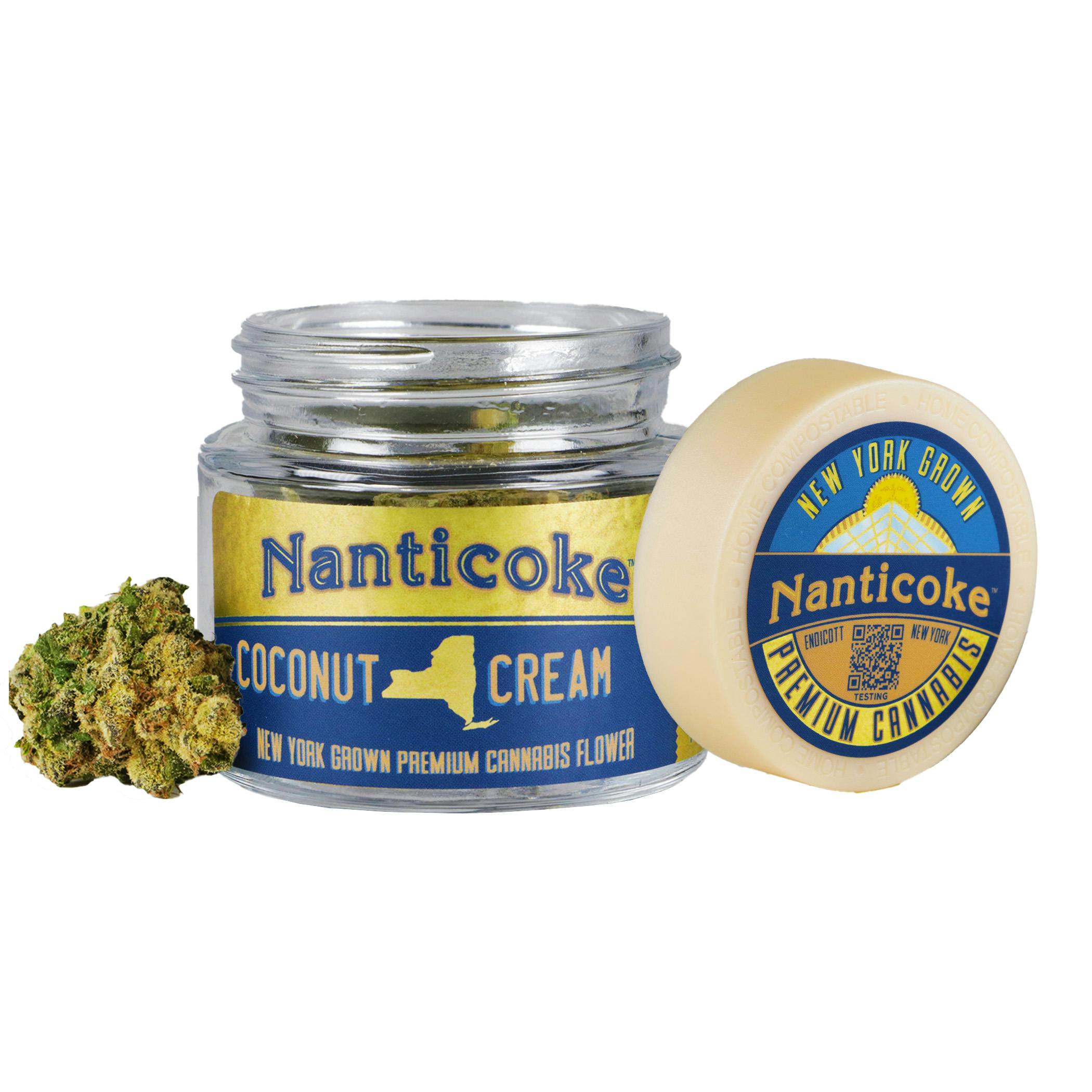
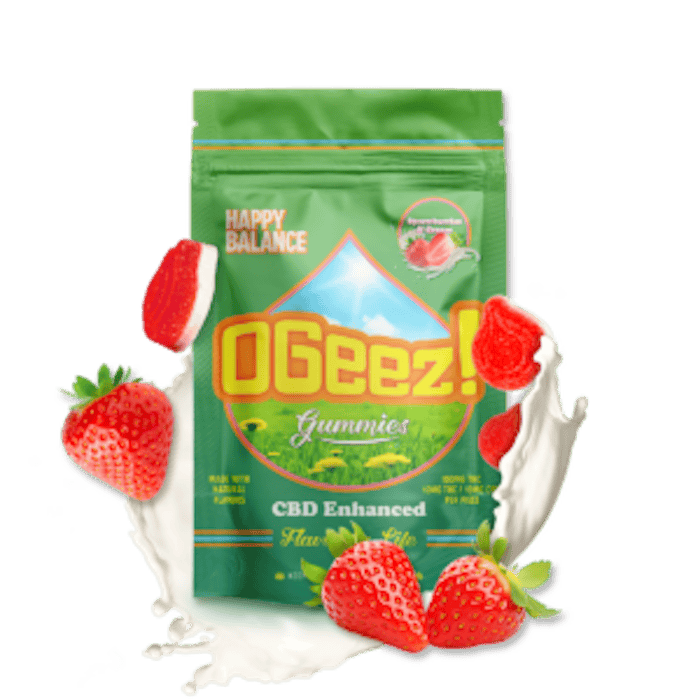
THC 0.15%·CBD 0.14%Hybrid
OGeez!OGeez Happy Balance, Strawberries and Cream - 100 mg 1:1 CBD/THC Gummies · 0.01g
$23.01
$26after tax

About Cream
Everything to know about Cream.
Lineage & origin
Cream's precise lineage depends somewhat on which breeder or seed bank is being referenced, as the name has been applied to more than one distinct genetic line over the years. The most widely recognized version traces its roots to a cross between White Widow and an Afghani indica, a pairing that brings together two of cannabis's most historically significant building blocks. White Widow — itself a legendary hybrid developed in the Netherlands during the early 1990s, most often attributed to Green House Seeds or the Dutch breeder Shantibaba — contributed resin production, a cerebral edge, and international recognition. The Afghani parent, a pure or near-pure landrace indica from the Hindu Kush mountain range, grounds the cross with physical weight, sweetness, and broad-leafed bud structure. Some catalogues list Cream as the work of Dutch Passion, one of the oldest seed banks in the Netherlands, founded in 1987, which has bred and preserved numerous classic indica-leaning hybrids. A closely related phenotype, sometimes called Ice Cream or Cream Caramel, shares overlapping ancestry through similar White Widow and Afghani pairings, occasionally with Maple Leaf Indica added to the gene pool. These genetic siblings reinforce the line's reputation for sweetness, density, and a notably smooth smoking character. The broader Cream family sits comfortably within the tradition of Dutch Golden Era hybrids — crafted for resin yield, accessibility, and a refined, crowd-pleasing profile that continues to resonate with connoisseurs decades after its introduction.
Effects
The experience with Cream tends to begin with a measured cerebral warmth that arrives within the first five to ten minutes of inhalation. Rather than a sharp, electric onset, the initial phase feels more like a slow brightening — a lightening of mental weight that opens space for conversation, creative thought, or simple, present-moment focus. The mood shift is generally described as calm and content rather than energized or euphoric in any acute sense, which suits both seasoned consumers and those who prefer their experiences to remain composed. As the session progresses toward its peak, typically between fifteen and forty minutes in, the body begins to register the Afghani influence more clearly. A spreading physical ease moves through the shoulders and down through the limbs — relaxing rather than sedating at moderate consumption levels, though heavier use can deepen toward genuine heaviness. The balance between these two registers, cerebral and physical, is what defines Cream as a true hybrid rather than leaning decisively toward either category. The dominant terpenes — myrcene in particular — are thought to contribute to this body-softening quality, while any caryophyllene present may add a subtle grounding warmth. The comedown is gentle and gradual, rarely accompanied by agitation or abrupt mental fog. Duration at moderate consumption runs approximately two to three hours, tapering to a restful, clear-headed baseline. Given the balanced nature of this strain, first-time consumers are well advised to start low and go slow.
Aroma, flavor & terpenes
The aromatic profile of Cream is built primarily around myrcene, the most abundant terpene in cannabis overall, which here expresses itself as a deep, almost creamy earthiness with faint tropical undertones — think ripe mango skin meeting fresh soil after rain. Myrcene's sedative-adjacent qualities are well-documented in the scientific literature, and its presence in Cream's bouquet signals the physical ease that follows. Beneath the myrcene foundation, caryophyllene contributes a mild spice — a gentle pepper note that prevents the overall aroma from becoming cloying or one-dimensional. Secondary terpenes likely include linalool, which surfaces as a faint floral sweetness reminiscent of lavender, and humulene, which adds a dry, woody depth that some consumers describe as earthy or even subtly hoppy. Together these supporting terpenes create an aromatic layering that rewards a slow inhale rather than a quick assessment. On the palate, Cream lives up to its name most directly. The smoke is notably smooth and cool for a resinous hybrid, coating the mouth with a sweetness that falls between vanilla and fresh cream — rich without being saccharine. The exhale carries a mild earthiness and a soft, woody finish that lingers pleasantly. Vaped at lower temperatures, the floral and sweet notes become more pronounced while the spice recedes, rewarding those who appreciate the more delicate register of a strain's flavor architecture. There is very little harshness or bite at well-cured, properly stored quality.
Appearance
Cream presents with the compact, dense bud structure characteristic of its Afghani heritage — calyxes stack tightly into rounded, chunky formations that feel substantial in the hand. The coloration is a blend of deep forest green and softer sage, occasionally punctuated by flashes of muted olive or pale yellow depending on phenotype, growing conditions, and the age of the cure. Pistils are typically amber to rust-orange, weaving generously across the surface and providing warm contrast against the cooler greens beneath. Trichome coverage is one of the more immediately striking qualities of a well-grown Cream — the buds carry a fine, almost powdery blanket of resinous glands that catches light with a milky, pearlescent quality, directly evoking the strain's name. Density and trim quality will vary by producer, but at its best, Cream presents as a tidy, resin-laden specimen that communicates both craft cultivation and genetic pedigree.
Growing notes
Cream is considered a moderately accessible strain for cultivators, sitting in the intermediate range rather than requiring specialist expertise. Its Afghani genetics lend it a natural resilience to humidity fluctuation and temperature variation, making it somewhat forgiving compared to more finicky sativa-dominant lines. Indoors, the strain typically flowers in approximately eight to nine weeks, producing yields that are described as moderate to generous depending on the training method employed. Screen of Green (SCROG) techniques are well-suited to Cream's compact structure. Outdoors, Cream performs best in temperate to warm Mediterranean-style climates, reaching harvest in the Northern Hemisphere around early to mid-October. The plant stays relatively compact in height, which suits indoor cultivators working with limited vertical space. The dense bud structure that makes Cream so visually appealing also makes airflow management important — adequate spacing and canopy work help reduce the risk of moisture-related issues late in the flowering cycle. For the cultivation-curious consumer, Cream represents a strain that rewards attentive care without demanding advanced technique.
When it's best enjoyed
Cream occupies a particularly comfortable niche for evening occasions that do not quite call for full sedation — the transition hours between the demands of the day and the quiet of night. It suits a solo wind-down ritual as readily as it complements a small, unhurried gathering of close friends: the balanced effect profile keeps conversation fluid without introducing the restlessness or social intensity that more sativa-forward strains can bring to a room. Given its rich, sweet terpene signature, Cream pairs thoughtfully with foods that share its creamy, rounded character — a soft cheese board, a vanilla-forward dessert, or a well-made chai with steamed oat milk all find a natural counterpart here. Musically, the strain aligns well with something warm and unhurried: a late Miles Davis record, a Nils Frahm piano piece, or the kind of low-tempo soul that asks nothing of the listener but presence. For the solo consumer, an evening creative practice — journaling, drawing, reading something immersive — suits the strain's capacity for gentle focus without edging into overstimulation.
If you like Cream, also explore
White Widow
As a direct parent of Cream, White Widow shares the resinous quality and measured cerebral warmth, offering a slightly more energized, less body-forward expression of a similar aromatic profile.
Cream Caramel
A close genetic sibling through shared Afghani and indica-heavy Dutch lineage, Cream Caramel mirrors the sweetness and physical ease while leaning a degree further toward sedation.
Northern Lights
Another Afghani-rooted classic with comparable body comfort, smooth smoke, and earthy-sweet aromatics, Northern Lights appeals to consumers who appreciate Cream's calm, settled quality.
Blue Cheese
Shares the creamy, smooth palate character and balanced hybrid arc, with a comparable physical warmth that makes it a natural recommendation for Cream enthusiasts seeking a slightly savory variation.
Bubba Kush
For consumers drawn to Cream's Afghani body depth and dense resin production, Bubba Kush delivers a similarly unhurried, physically grounding experience with overlapping earthy and sweet notes.
Common questions
Is Cream indica or sativa?+
Cream is a balanced hybrid, drawing from both its White Widow parent — itself a hybrid with Brazilian sativa and South Indian genetics — and an Afghani indica landrace. In practice, the experience leans slightly toward the indica side of hybrid, offering a calming, body-softening quality alongside a measured cerebral lift, without fully committing to either end of the spectrum.
What does Cream taste like?+
Cream tastes precisely as its name suggests: a smooth, milky sweetness with undertones of vanilla and fresh earth. The exhale carries a mild woody spice, likely from caryophyllene, which keeps the sweetness from becoming flat. Vaped at lower temperatures, a faint floral note — attributed to linalool — becomes more apparent. It is widely noted for being one of the smoother, less harsh strains in the hybrid category.
What are the typical effects of Cream?+
Cream typically produces a gentle cerebral warmth at onset, followed by a spreading physical ease that builds through the peak of the experience. Consumers often describe the effect as calm, content, and lightly focused — suitable for unwinding without full sedation. The balanced hybrid character means neither the mental nor the physical aspect dominates at moderate consumption. Duration is generally two to three hours at a measured pace.
What strains are similar to Cream?+
Strains that share Cream's smooth, sweet character and balanced hybrid arc include White Widow, its direct parent; Cream Caramel, a close genetic sibling; Northern Lights, for comparable Afghani-rooted body comfort; Blue Cheese, which mirrors the creamy palate; and Bubba Kush, for consumers drawn specifically to the resin density and physical ease that Cream's indica heritage delivers.
Is Cream good for beginners?+
Cream is considered accessible for newer consumers owing to its smooth smoke, balanced effect profile, and relatively gradual onset. That said, the Afghani genetics can produce pronounced physical effects at higher consumption levels, which some beginners may find unexpectedly heavy. As with any cannabis product available through New York adult-use retail, the guidance is straightforward: start with a small amount, allow adequate time to assess the experience, and increase gradually.
What are the dominant terpenes in Cream?+
Myrcene is widely considered the primary terpene in Cream, contributing its characteristic earthy, creamy, and faintly tropical aromatic base along with a body-softening quality. Caryophyllene follows as a significant secondary terpene, adding mild pepper and spice notes. Linalool and humulene are present in supporting roles, lending a floral sweetness and dry, woody depth respectively that round out the overall aromatic and flavor profile.
When is the best time of day to enjoy Cream?+
Cream suits the late afternoon and evening hours most naturally. Its balanced profile allows for engaged, relaxed activity — conversation, light creative work, or a quiet solo evening — while the Afghani-influenced body quality makes it less ideal for high-output morning or midday demands. The gradual, gentle comedown also positions it well as a precursor to rest, particularly for those who prefer a slow, unhurried transition toward the end of the day.
Who bred Cream and where does it originate?+
Cream is most commonly associated with the Dutch seed bank tradition of the 1990s, with Dutch Passion among the breeders credited in various catalogues. Its White Widow and Afghani parentage places it firmly within the Golden Era of Dutch cannabis breeding, a period defined by the hybridization of European genetics with landrace material from South Asia and the Hindu Kush. Precise attribution remains somewhat debated, as the name has been used across multiple seed bank lines.