
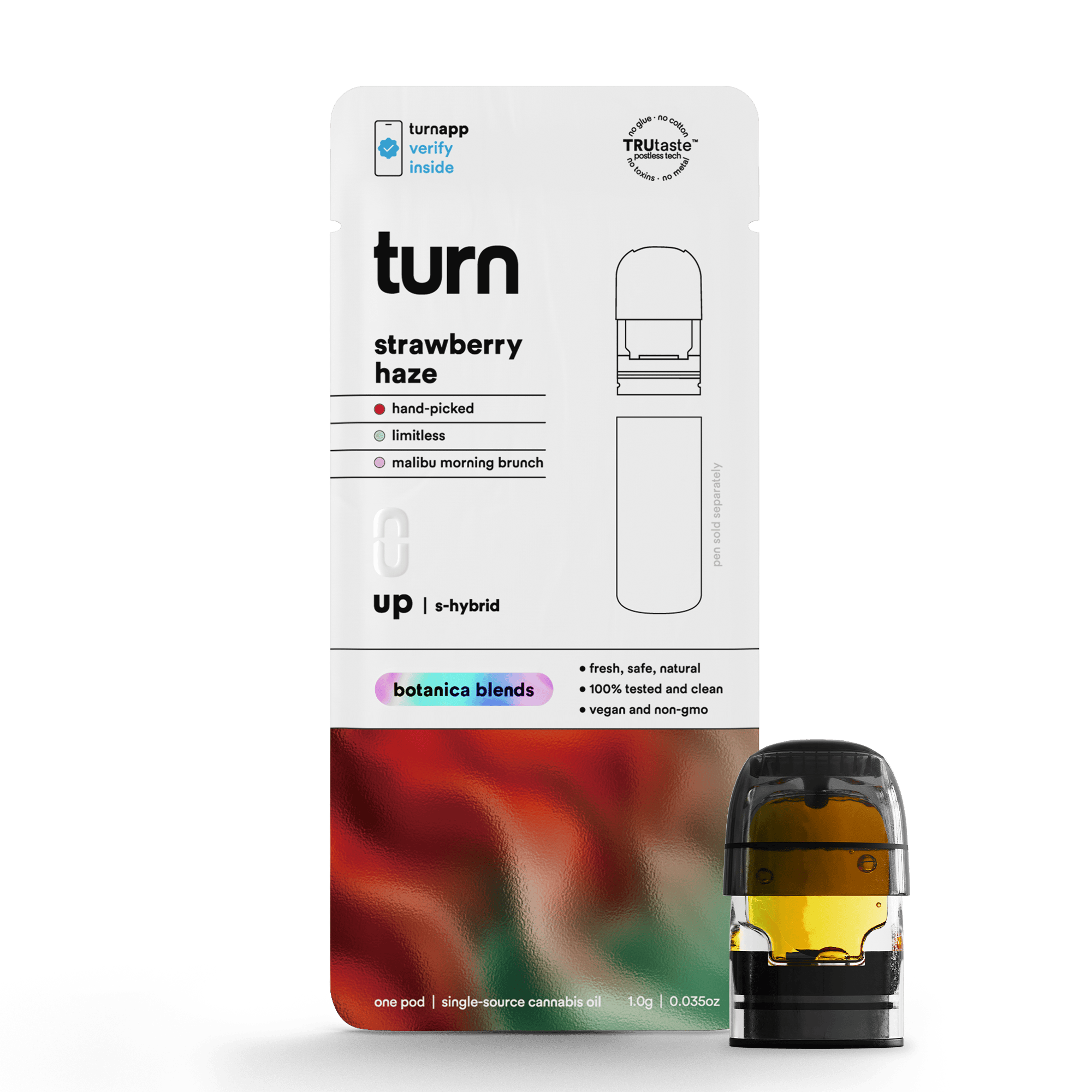
Sativa
All strains Haze
4 live products in stock
Quick answer · What is the Haze cannabis strain?
Haze is the ancestral sativa — a strain so foundational to modern cannabis culture that nearly every uplifting, cerebral variety in circulation today traces some portion of its DNA back to this California original. Bright, citrus-threaded, and distinctly spiced on the exhale, it offers a long-lasting, thought-accelerating experience that rewards patience and sets the standard against which all sativas are quietly measured.
Shop Haze · 4 of 4 live products
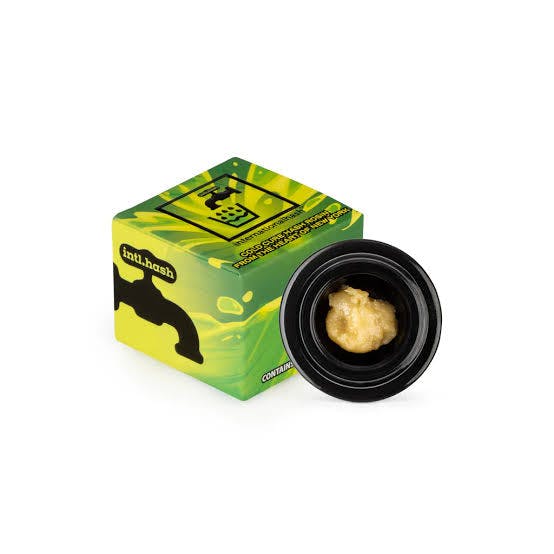
THC 75.23%Hybrid
International HashInternational Hash | Cold Cure Hash Rosin | Sweet Haze Hybrid · 1g
$66.37
$75after tax
About Haze
Everything to know about Haze.
Lineage & origin
Haze was developed in Santa Cruz, California during the late 1960s and early 1970s by two breeders known publicly as the Haze Brothers. The precise parents remain a subject of some debate among archival cannabis historians, but the most widely cited account — supported by breeder Sam 'Skunkman' Sacred, who later brought Haze seeds to the Netherlands — points to a complex cross of four landrace varieties: Colombian Gold, Mexican sativa, Thai, and South Indian. Each parent contributed something essential: the Colombian and Mexican lines lent euphoric, cerebral energy; the Thai genetics introduced a sweet, almost incense-like spice; and the South Indian component grounded the high with a subtle physical warmth. Skunkman's move to Amsterdam in the 1980s proved pivotal. He shared Haze genetics with seed companies including Cultivators Choice and, critically, with Neville Schoenmakers of the Seed Bank, who used them to produce the legendary NL5 x Haze and Haze x Skunk #1 hybrids. From those pairings descended an enormous family tree: Super Silver Haze, Amnesia Haze, Neville's Haze, Lemon Haze, and Blue Haze, among many others. Haze itself was never widely commercialized as a stable seed line, which is part of why pure expressions remain relatively rare and highly prized among connoisseurs today.
Effects
The onset of Haze tends to arrive gradually by cannabis standards — often requiring ten to fifteen minutes before the first perceptible shift in mood and cognition. This measured onset is characteristic of high-terpinolene and myrcene profiles working alongside its dominant sativa cannabinoid expression. What follows is a pronounced elevation of mental clarity and associative thinking: ideas connect laterally, conversation quickens, and sensory perception — particularly of music and visual texture — becomes notably sharpened. At its peak, the experience is predominantly cerebral. There is relatively little of the physical sedation associated with indica-dominant varieties; instead, the body registers a mild warmth and a loose, comfortable ease that supports activity rather than discouraging it. Many consumers report heightened social engagement and creative momentum. The duration is notably long — Haze is frequently described as a two-to-four-hour experience, a function of its complex terpene profile and sativa-forward genetic architecture. The comedown is gradual and gentle, tapering into a pleasant lightness rather than an abrupt fade. Because the experience is cognitively active, those newer to cannabis or sensitive to THC-driven cerebral stimulation are encouraged to approach with measured intention — start low, go slow — as the prolonged duration and thought-amplifying character can feel intense for the uninitiated.
Aroma, flavor & terpenes
The aromatic profile of Haze is one of the most distinctive in cannabis — immediately recognizable to anyone familiar with the classic sativa canon. The dominant terpenes typically reported across well-grown Haze phenotypes are terpinolene, myrcene, and ocimene, with secondary contributions from caryophyllene and pinene. Terpinolene, the defining terpene here, carries a complex bouquet of fresh citrus peel, dried herbs, and a faintly floral sweetness that lifts the nose immediately upon opening a well-cured jar. Ocimene reinforces this herbal brightness with subtle tropical and slightly waxy green notes. Myrcene adds a grounding earthiness beneath the citrus brightness — a humid, almost tropical soil quality that anchors the aromatic profile and keeps it from feeling purely sharp or medicinal. Caryophyllene contributes a dry, woody spice — think cracked black pepper or clove — that emerges more fully on the exhale than in the initial sniff. Pinene adds a clean, resinous pine thread that sharpens the overall impression. On the palate, Haze delivers a complex, layered smoke: the inhale is smooth and faintly sweet, carrying lemon verbena and green herb, while the exhale reveals the signature spiced finish — warm, slightly incense-like, and lingering pleasantly on the tongue. Vapor tends to express the citrus and floral notes with greater fidelity, while combustion brings the spice and earth more prominently forward.
Appearance
Haze buds reflect their pure sativa heritage in structure: the flowers are characteristically elongated and airy rather than dense and compact. Calyxes stack loosely along long, wispy colas, giving mature buds a feathery, almost architectural quality distinct from the tightly wound forms associated with indica or hybrid varieties. This loose structure is not a quality deficiency — it is a botanical signature of landrace sativa genetics and the open, equatorial climates from which they originate. The color palette runs from medium to lighter greens, often with pale sage or yellowish undertones, depending on the specific phenotype and cure. Pistils are typically a warm amber to orange-rust, threading visibly through the open bud structure. Trichome coverage is present but moderate in density compared with modern hybrids — the resin glands are fine, giving cured flower a frost-touched rather than heavily sugared appearance. Under direct light, the terpene-rich glands catch and scatter light in a way that communicates potency through luminosity rather than sheer white volume.
Growing notes
Haze is widely regarded as one of the more demanding cultivars for the home or commercial grower, and its difficulty rating is reflected honestly in the literature from breeders who have worked with it across decades. The primary challenge is its flowering time: pure Haze can require fourteen to sixteen weeks to finish indoors, and in outdoor environments it may not reach full maturity before the first frost in temperate climates — a significant constraint for northeast growers. It is best suited to controlled indoor environments or to warm, Mediterranean-style climates with long, dry autumns. Yields are considered moderate rather than heavy, especially given the extended investment of time. The plant grows tall — stretching vigorously during the vegetative and early flowering phases — and benefits from low-stress training techniques to manage canopy height and light penetration. Humidity management is important, as the open bud structure, while aesthetically distinctive, offers less resistance to moisture-related issues than tightly packed hybrid flowers. For the cultivator-curious shopper, it is worth knowing that the relative scarcity and premium positioning of genuine Haze flower owes much to these exacting cultivation demands.
When it's best enjoyed
Haze is a daytime strain in the fullest sense — it belongs to the sunlit hours, to mornings with a clear agenda or afternoons with creative ambition. It pairs particularly well with solo intellectual work: writing, sketching, reading something demanding, or moving through a museum with no particular schedule. The lateral thinking it encourages makes it a compelling companion for any activity that benefits from loosened associative boundaries and sustained, energized focus. For social occasions, Haze suits intimate conversation over a long dinner or a small gathering where ideas are the primary currency. On the table, its citrus and spice terpene profile — bright terpinolene, grounding myrcene, peppery caryophyllene — pairs elegantly with dishes of similar character: a ceviche with fresh citrus and green herb, a Thai larb, or a Moroccan-spiced lamb. Musically, it rewards genres with complexity and texture — jazz with harmonic depth, minimalist electronic compositions, or classic psychedelic rock from the era in which its genetics were first assembled. It is not a strain for winding down; it is a strain for opening up.
If you like Haze, also explore
Super Silver Haze
A direct descendant of Haze crossed with Skunk #1 and Northern Lights, Super Silver Haze preserves the cerebral, long-lasting sativa character of its parent while offering a slightly more balanced and accessible onset.
Amnesia Haze
Carrying significant Haze lineage alongside Jamaican and South Asian genetics, Amnesia Haze shares the bright citrus-and-spice terpene profile and uplifting cerebral arc that define the Haze family.
Neville's Haze
One of the purest commercial expressions of Haze genetics, Neville's Haze appeals to consumers who want the extended, intellectually stimulating experience of the original with only minor concessions to modern hybridization.
Lemon Haze
For those drawn specifically to the citrus dimension of Haze, Lemon Haze amplifies the limonene and terpinolene brightness into a sharply lemon-forward profile while retaining the energetic, clear-headed sativa effect.
Jack Herer
Named in honor of the cannabis activist and incorporating Haze in its lineage, Jack Herer offers a similarly uplifting and creative cerebral experience with a slightly spicier, piney terpene character that Haze admirers tend to find immediately familiar.
Common questions
Is Haze indica or sativa?+
Haze is a pure sativa, developed from four landrace varieties — Colombian, Mexican, Thai, and South Indian — with no indica genetics in its documented lineage. Its effects, structure, and growth habits all reflect this heritage: the experience is cerebral and energizing, the buds are long and airy, and the plant stretches tall with an extended flowering cycle characteristic of equatorial sativa genetics.
What does Haze taste like?+
Haze delivers a layered, distinctive palate defined by fresh citrus peel, dried green herbs, and a warm spiced finish on the exhale. The dominant terpene terpinolene contributes floral and citrus brightness, while caryophyllene introduces a dry, peppery spice. Myrcene grounds the experience with subtle earthiness. The overall impression is complex and aromatic — closer to a spiced citrus tea than to sweet or fruity modern hybrids.
What are the typical effects of Haze?+
Haze produces a gradually building, long-lasting cerebral effect: elevated mood, heightened associative thinking, sharpened sensory perception, and a comfortable physical warmth without sedation. The experience is predominantly mental, making it well-suited to creative work, conversation, and daytime activity. Duration is notably extended compared with many contemporary varieties. Those sensitive to cognitively stimulating cannabis are encouraged to start low and go slow.
What strains are similar to Haze?+
Consumers who appreciate Haze typically enjoy its direct descendants and genetic relatives: Super Silver Haze preserves the cerebral character with greater accessibility; Amnesia Haze shares the citrus-spice terpene signature; Neville's Haze offers one of the purest commercial expressions of the original genetics; Lemon Haze amplifies the citrus dimension; and Jack Herer echoes the uplifting, creative energy with a spicier, piney counterpoint.
Is Haze good for beginners?+
Haze can be an engaging introduction to sativa cannabis, but its extended duration and strongly cerebral character deserve honest consideration. The prolonged experience — often two to four hours of active mental stimulation — can feel overwhelming for those unaccustomed to cognitively activating varieties. Beginners are advised to start with a modest amount, choose a comfortable and familiar setting, and allow ample time before assessing whether to consume more.
What are the dominant terpenes in Haze?+
The terpene profile most consistently associated with authentic Haze phenotypes is led by terpinolene, which gives the strain its distinctive citrus-floral-herbal aroma. Myrcene provides earthy, tropical grounding. Ocimene contributes a bright, slightly sweet herbal note. Caryophyllene adds dry spice on the exhale, and pinene threads in a clean resinous quality. This combination produces one of the most complex and recognizable terpene signatures in the sativa canon.
Why is pure Haze so rare compared with Haze hybrids?+
Pure Haze is rarely grown commercially because of its demanding cultivation profile: a flowering period of fourteen to sixteen weeks, significant vertical stretch requiring careful canopy management, moderate yields, and limited cold tolerance. Most growers and breeders elect to work with Haze-crosses — Super Silver Haze, Amnesia Haze, and similar — that preserve the terpene character and cerebral effects while offering more practical flowering times and stronger yields.
When is the best time of day to consume Haze?+
Haze is firmly a daytime cultivar. Its energizing, thought-accelerating effects make it poorly suited to evenings when rest is the goal, but a natural companion to mornings or early afternoons with creative or social intentions. The extended duration — often several hours — is another practical reason to consume well before any planned period of sleep. It is a strain that rewards deliberate timing and an open schedule.
Related strains