BUY 4 PAY FOR 3 (BUY 3 GET 1 FREE MIX AND MATCH )
THC 0.22%Indica
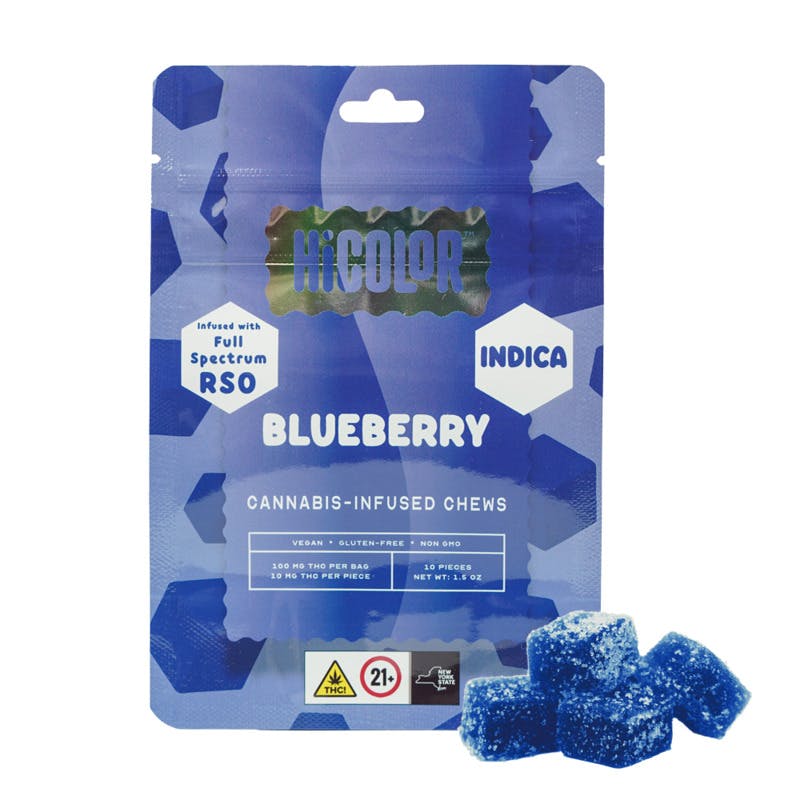
HiCOLORHiColor | Blueberry | RSO Chews | 100mg | 10ct · .1g
$17.70
$20after tax

weeddispensarynearme.com
You must be 21 years or older to enter. By entering, you confirm you’re of legal age in your state to purchase cannabis.
For use only by adults 21+ • Keep out of reach of children
Brand · 2 products live
There’s nothing like a splash of color to brighten up your day and take a break from routine. HiCOLOR adds that flavor – sweet and delicious – just what the doctor ordered! Let’s laugh, cry, let loose and enjoy the sweet, colorful fun! What’s your flavor? HiCOLOR is your one stop shop for cannabis-infused delights. Handmade recipes brought to you by Chef Michelle Mango. Highest quality edibles that are precision-dosed, vegan, non-GMO, and made with natural flavors.
Quick answer · What is the HiCOLOR cannabis brand?
HiCOLOR is a New York cannabis edibles brand built around handcrafted, chef-driven confections. Founded by Chef Michelle Mango, the line centers on precision-dosed, vegan, non-GMO sweets made with natural flavors — a category position that sits closer to an artisanal candy studio than a conventional dispensary shelf. For the shopper who approaches edibles as a sensory experience rather than a transaction, HiCOLOR offers a thoughtful, flavor-forward alternative.
HiCOLOR is a New York cannabis edibles brand built around handcrafted, chef-driven confections. Founded by Chef Michelle Mango, the line centers on precision-dosed, vegan, non-GMO sweets made with natural flavors — a category position that sits closer to an artisanal candy studio than a conventional dispensary shelf. For the shopper who approaches edibles as a sensory experience rather than a transaction, HiCOLOR offers a thoughtful, flavor-forward alternative.
HiCOLOR enters the New York adult-use cannabis market with a culinary identity that is relatively uncommon in the edibles segment: a brand openly anchored to a named chef. Chef Michelle Mango, whose background spans professional culinary work and recipe development, founded the brand around the premise that cannabis-infused sweets deserve the same rigor applied to fine confectionery — precise dosing, clean ingredients, and flavor profiles that stand on their own merit independent of the cannabinoid content. The brand's name and visual identity draw directly on the idea that color, sweetness, and sensory pleasure are themselves forms of wellness — a philosophical throughline that separates HiCOLOR from the more utilitarian or clinical framing common among first-wave licensed edibles producers. The founding timeline and exact year of company registration have not been publicly detailed in press coverage available at the time of writing, but the brand has appeared on licensed New York adult-use menus, indicating it has navigated the state's regulatory pathway for cannabis-infused food products. The gap HiCOLOR identified is meaningful: in a market where most licensed edibles skew either toward mass-produced gummy formats or minimalist wellness positioning, a handmade, chef-attributed confections line occupies a distinct lane — one that speaks to food-curious consumers who read ingredient labels and care about the craft behind what they consume.
HiCOLOR's brand language is deliberately exuberant without being garish. The palette leans into saturated, candy-inspired hues — the kind of color confidence associated with premium artisan confectionery or a well-curated patisserie counter — while the overall presentation remains clean enough to communicate the brand's commitment to ingredient quality. Where many cannabis edibles brands default to muted earth tones or clinical white packaging to signal safety and compliance, HiCOLOR uses color itself as a primary identity asset, turning the product's visual presence into a form of brand storytelling. The shopper persona is someone who already spends considered money on specialty food — a farmer's market regular, a cookbook collector, a person who notices when chocolate is single-origin. This consumer is likely in their late twenties to mid-forties, lives in or near a metropolitan center, and approaches edibles with the same curiosity they bring to a new wine producer or a seasonal menu. HiCOLOR occupies a prosumer mid-tier position: elevated above commodity gummies in craft and concept, accessible enough in format that it doesn't feel intimidating. The chef attribution — Chef Michelle Mango's name attached to handmade recipes — adds a provenance dimension rarely seen in licensed cannabis edibles at this market tier.
As an edibles-only brand, HiCOLOR's production model centers on infusion rather than cultivation or primary extraction. The brand's public-facing language emphasizes handmade recipe development and precision dosing, suggesting a small-batch manufacturing approach consistent with a culinary studio or licensed cannabis kitchen rather than a high-volume automated production facility. Exact details about the specific extraction type used for the cannabis distillate or concentrate incorporated into HiCOLOR's products — whether CO2-derived, distillate-based, or otherwise — have not been publicly detailed by the brand at the time of writing, which is not unusual for edibles producers who source their infusion inputs through licensed wholesale channels. What HiCOLOR does publicly commit to is a set of ingredient standards that are increasingly rare in the licensed edibles segment: products described as vegan, non-GMO, and made with natural flavors. In a market where many compliant edibles rely on artificial flavoring agents and gelatin-based carriers, these commitments represent a meaningful quality floor. Precision dosing — a technical requirement under New York's adult-use regulations, but one that brands execute with varying levels of consistency — is cited as a core production value. For the consumer, this translates to predictable, repeatable experiences across servings, which is among the most practical quality metrics available when evaluating an edibles brand.
HiCOLOR's core market identity is built around its line of cannabis-infused confections — sweets developed from original, handcrafted recipes attributed to Chef Michelle Mango. While the brand's specific SKU lineup on any given dispensary menu will vary by availability and production batch, the throughline across all formats is flavor as a primary design principle rather than an afterthought. The brand positions its range as a 'one stop shop for cannabis-infused delights,' suggesting a portfolio that spans multiple confection types rather than a single flagship format. Within the edibles category in New York's adult-use market, HiCOLOR's differentiation rests on the combination of culinary craft, clean ingredient standards (vegan, non-GMO, natural flavors), and the approachability of the candy and sweet format. These are not products designed primarily for experienced consumers calibrating microdoses for specific therapeutic outcomes; they are designed to be genuinely enjoyable to eat, with flavor experiences that reward attention. For dispensaries, this positions HiCOLOR as a strong option for cross-merchandising alongside premium beverage or chocolate categories, and for consumers it represents an entry point into edibles that doesn't require abandoning the standards one holds in other areas of food consumption.
HiCOLOR is well suited to occasions where the social and sensory dimensions of cannabis consumption are as important as the effect itself. A weekend afternoon shared with friends who appreciate well-made food, a hosting situation where the host wants to offer something that looks and tastes considered, or a personal ritual of unwinding after work with something genuinely pleasant to eat — these are the contexts where HiCOLOR's positioning lands most naturally. The brand's emphasis on color, sweetness, and fun ('let's laugh, cry, let loose') frames it as appropriate for lighter, celebratory moments rather than deep introspection or high-intensity sessions. Its vegan and non-GMO credentials also make it a strong candidate for occasions involving consumers with dietary considerations or heightened ingredient awareness — a dinner party where not everyone knows the host has included cannabis in the dessert course, or a gift for a health-conscious friend exploring adult-use edibles for the first time. In New York's gifting culture, where thoughtfully packaged, artisan food items carry genuine social currency, a well-presented confection from a chef-attributed cannabis brand occupies a plausible position alongside other specialty food gifts.
HiCOLOR operates within New York's adult-use cannabis market and appears on licensed dispensary menus in the state, indicating the brand has met the regulatory requirements established by the New York Office of Cannabis Management for edibles producers. The specific licensing tier — whether HiCOLOR operates as a licensed processor, sources through a licensed manufacturing partner, or entered the market via another compliant pathway — has not been independently confirmed in publicly available OCM filings or press coverage at the time of writing. Consumers seeking definitive licensing information may consult the OCM's public licensee database directly. Chef Michelle Mango is identified as the brand's founder and recipe developer. No additional ownership or investment structure has been publicly disclosed. The brand has not publicly identified itself as a social-equity licensee, women-owned, or BIPOC-owned entity in materials reviewed for this profile, though the founder's public identity as a named chef represents an unusual degree of personal attribution in the licensed cannabis space. HiCOLOR's distribution appears to be concentrated in New York at this stage; no confirmed presence in other state markets has been documented in publicly available sources.
$20after tax
$20after tax
HiCOLOR is a New York cannabis edibles brand, and its products appear on licensed adult-use dispensary menus within the state. The brand's founder, Chef Michelle Mango, describes the products as handmade using original recipes developed in her culinary practice. The precise production facility or kitchen location has not been publicly disclosed in available brand materials or press coverage. Consumers can confirm current production details by inquiring directly with their dispensary or consulting the New York OCM's public licensing records.
HiCOLOR products appear on licensed New York adult-use cannabis dispensary menus, which indicates the brand has met applicable state regulatory requirements for cannabis-infused edibles products. The specific license type — processor, manufacturer, or a licensed partner arrangement — has not been independently confirmed in publicly available New York Office of Cannabis Management filings reviewed for this profile. For authoritative licensing confirmation, the OCM's online licensee lookup tool is the recommended reference.
HiCOLOR is best known for chef-crafted, precision-dosed cannabis edibles that prioritize flavor and ingredient quality in equal measure. The brand is attributed to Chef Michelle Mango and positions its sweets as vegan, non-GMO, and made with natural flavors — a combination of culinary credentials and clean-label standards that distinguishes it within New York's licensed edibles segment. Its color-forward identity and confection-first approach make it a recognizable presence among dispensaries that carry a curated edibles selection.
HiCOLOR's product range centers on cannabis-infused confections developed from handmade recipes, so first-time buyers are well served by selecting whichever flavor profile appeals most on a sensory level — the brand's design intent is that taste functions as a genuine guide. New edibles consumers should follow the standard adult-use practice of starting with the lowest available serving, waiting the commonly cited one-to-two hours before considering an additional serving, and noting how a given product interacts with their individual response before increasing intake.
HiCOLOR was founded by Chef Michelle Mango, a culinary professional who developed the brand's recipes and serves as its public creative identity. Mango's background in food and recipe development is central to the brand's market positioning, which frames cannabis-infused sweets as the product of deliberate culinary craft rather than standardized production. No additional co-founders or ownership partners have been publicly identified in available brand materials at the time of writing.
Yes. HiCOLOR publicly describes its products as vegan and non-GMO, made with natural flavors — a meaningful combination of ingredient commitments in a licensed edibles segment where gelatin-based carriers and artificial flavoring agents remain common. Consumers with specific dietary restrictions or allergen concerns are encouraged to review individual product labels at the point of sale, as formulations can vary by SKU and production batch, and dispensary staff can often provide additional ingredient detail.
HiCOLOR occupies what might be described as a prosumer mid-tier position in the New York edibles market — meaningfully elevated above commodity confection formats in concept, culinary craft, and ingredient standard, but accessible in price point and format to a broad adult-use audience. The chef attribution, handmade recipe ethos, and clean-label commitments give it characteristics associated with artisan specialty food rather than mass-market cannabis production, without the exclusive pricing that typically defines the luxury cannabis tier.
Canna River (NY-distributed edibles)
Shoppers drawn to HiCOLOR's clean ingredient standards and flavor-forward approach will find a similar emphasis on accessible, well-dosed edibles formats with consistent quality benchmarks.
Robhots
Fans of HiCOLOR's candy-inspired palette and playful identity who want to explore another brand that leads with flavor variety and approachable confection formats will recognize a kindred sensibility in Robhots' gummy lineup.
Kiva Confections
Consumers who appreciate HiCOLOR's culinary seriousness and precision-dosing ethos will find Kiva's chef-adjacent approach to cannabis chocolate and gummies a natural adjacent choice in the premium edibles tier.
Wana Brands
The shopper who values HiCOLOR's commitment to vegan, non-GMO ingredients and repeatable dosing will find Wana's plant-based, pectin-gummy line a technically aligned alternative with broad dispensary availability.
1906 New Highs
Consumers who gravitate toward HiCOLOR's food-quality ingredient standards and the idea of cannabis as a refined sensory experience will connect with 1906's culinary-inflected edibles philosophy and clean-label positioning.
Pick your store
We'll show pricing, deals, and delivery zones for the store you pick. You can switch any time from the header.