THC 84.84%·CBD 0.62%Indica
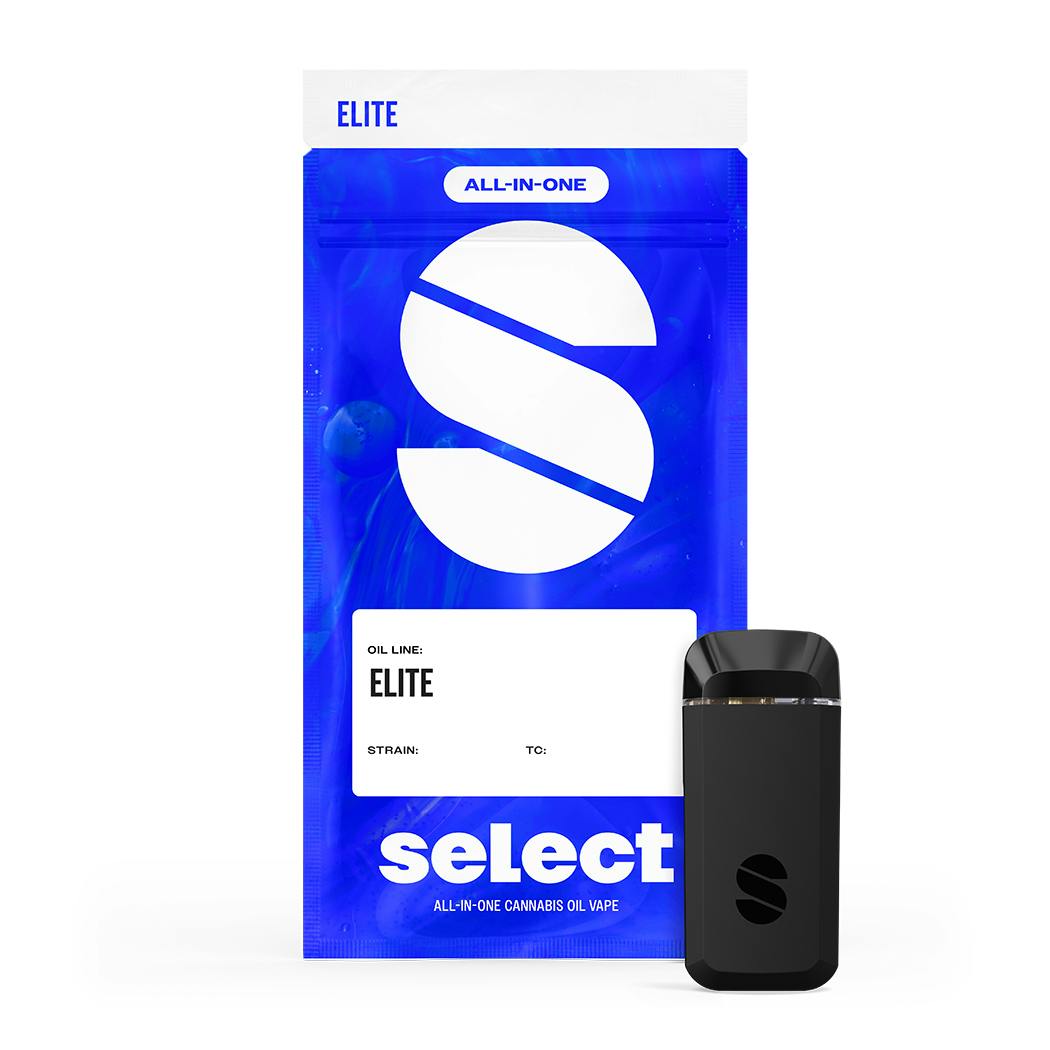
SelectSample Select Essentials Briq AIO - Hybrid : Blue Milk · 2g
$78.76
$89after tax

weeddispensarynearme.com
You must be 21 years or older to enter. By entering, you confirm you’re of legal age in your state to purchase cannabis.
For use only by adults 21+ • Keep out of reach of children
1 live products in stock
Quick answer · What is the Blue Milk cannabis strain?
Blue Milk arrives as a quietly indulgent indica with deep berry-forward aromatics and a creamy, almost dessert-like finish on the palate. Born from storied parentage that leans into both fruit and fuel, it settles into a slow, enveloping body experience that rewards patience. For the discerning New York consumer who prefers evenings that wind down deliberately, Blue Milk offers a kind of unhurried richness rarely found in contemporary cultivars.
$89after tax
About Blue Milk
Blue Milk is generally understood to be a cross of Blue Dream and Milk — the latter often interpreted as a reference to the Cookies-adjacent Milkbone or a related creamy-structured hybrid, though the precise secondary parent remains a point of some debate in grower communities. Blue Dream itself is one of the most documented strains in the modern American market: a cross of Blueberry and Haze developed on the West Coast, widely attributed to breeders in the Santa Cruz, California area during the mid-2000s, that became a defining cultivar of the dispensary era for its balanced, approachable character. The Blueberry genetics threading through Blue Dream trace back to DJ Short's legendary Blueberry, developed throughout the 1970s and 1980s from Southeast Asian and Afghan landrace stock, which introduced the distinctive anthocyanin pigmentation and sweet berry nose now associated with the Blue family of strains. Blue Milk inherits that fruity depth while the indica-leaning secondary parent pulls the experience toward greater physical weight. Distinct phenotypes vary in the degree to which the creamy, vanilla-like qualities of the milk parent assert themselves versus the brighter blueberry top notes. No major seed bank has publicly claimed a definitive release date for Blue Milk as a stabilized commercial line, and it is likely that multiple regional breeders have worked with similar crosses under the same name.
The onset of Blue Milk is characteristically gradual, typically announcing itself within ten to fifteen minutes as a mild warmth that settles first behind the eyes and across the temples. Unlike more overtly stimulating hybrids, the cerebral layer here is gently euphoric rather than racey — a softening of mental tension rather than a sharpening of focus. Most consumers note that this initial head-lightness does not build into anxiety, partly attributed to the myrcene-dominant terpene profile that is understood to contribute sedative and muscle-relaxing qualities alongside delta-9-THC. As the experience progresses into its peak phase, typically between thirty and sixty minutes in, the body component becomes more pronounced. A creeping physical ease moves through the limbs and lower back, consistent with the indica-forward genetics and the anecdotally reported caryophyllene content, which research suggests may interact with CB2 receptors to modulate physical discomfort. The experience at peak tends to feel cohesive rather than fragmented — one does not feel simultaneously wired and heavy, but rather settled and calm. Duration for most consumers runs between two and three hours, with a comedown that is gradual and rarely abrupt. The descent tends to invite rest. Those with lower tolerance should approach with measured intention, as the THC expression can be substantial.
The aromatic profile of Blue Milk opens with a distinct blueberry-forward sweetness that is ripe and almost jammy, inherited directly through the Blue Dream and ultimately DJ Short's Blueberry lineage. This primary note is commonly attributed to myrcene, the most prevalent terpene in many indica-leaning cultivars, which carries an earthy, slightly musky sweetness and is also found in ripe mango and hops. Beneath the berry layer, a creamy, doughy quality emerges — reminiscent of vanilla pastry or warm milk — which reflects the influence of the milk-structured parent genetics and may be associated with elevated linalool or ocimene content, both of which contribute soft, floral, and faintly sweet secondary notes. On the palate, whether consumed as flower or vapor, the inhale leads with the berry and transitions into a rounder, creamier mid-palate. Caryophyllene, a spicy, peppery sesquiterpene also found in black pepper and cloves, adds just enough bite to the exhale to prevent the flavor profile from becoming one-dimensional. A faint earthiness in the finish grounds the experience, suggesting underlying humulene presence, a terpene associated with woody, herbal notes. The smoke is generally smooth and not particularly harsh, with the vapor expression bringing the sweeter, dessert-like qualities into sharper relief. The overall impression on the palate is that of a composed, layered experience — fruit, cream, and a subtle spiced finish.
Blue Milk buds present with a dense, tightly packed structure consistent with their indica-leaning genetics — calyxes cluster closely together with minimal airy gaps, giving each nugget a compact, almost sculptural quality. The color palette is one of the cultivar's more visually distinctive traits: a deep forest green base is often punctuated by patches of purple and blue-grey, the result of anthocyanin expression inherited through the Blueberry lineage, particularly visible in phenotypes that have been finished at cooler temperatures. Pistils run from amber to a burnt orange, providing warm contrast against the cooler tones of the underlying foliage. Trichome coverage is generous, with a milky-white to faintly amber frost across both the surface of the buds and the surrounding sugar leaves, giving well-cured examples a distinctly resinous, almost glazed appearance. The overall impression is of a thoughtfully finished flower — visually cohesive and clearly expressive of its heritage.
Blue Milk is generally regarded as a moderately accessible cultivar for home growers with some prior experience, though the specific demands will vary depending on which phenotypic expression a cultivator encounters. Indoors, the strain typically finishes its flowering cycle in approximately eight to nine weeks and responds well to training techniques such as low-stress training or SCROG setups, which help manage the moderately vigorous lateral branching. Indoor yields are reported to be moderate to generous when environmental conditions are properly maintained, with humidity management during the late flowering phase being particularly important given the density of the buds, which can be susceptible to mold if airflow is inadequate. Outdoors, Blue Milk performs best in a temperate climate with warm days and cool nights during the finishing period — the cooler temperatures in late season also tend to encourage the purple coloration that makes this variety visually distinctive. Harvest typically falls in early to mid-October in Northern Hemisphere outdoor grows. The strain is noted for a moderately high resin production, making it a candidate of interest for those who may later process their harvest into concentrates or hash.
Blue Milk is, in temperament, an evening cultivar — one that earns its place in the hours after dinner when the obligations of the day have concluded and the quality of stillness begins to matter. It is particularly well-suited to solitary unwinding: a slow read, a long-form film, or an hour with music that benefits from careful attention and physical ease. The creamy, berry-inflected terpene profile pairs naturally with an after-dinner moment involving dark chocolate or a simple fruit dessert — a square of single-origin chocolate alongside a small pour of something warm and spiced would meet the strain's flavor character with elegance. Musically, the sedative yet gently euphoric arc of the experience aligns with recordings that reward patience: think late-period ambient work, slow jazz, or acoustic soul where texture and atmosphere take precedence over rhythm. For the social consumer, Blue Milk can serve a small, intimate gathering in the very late evening when conversation has turned quieter and more reflective — though it is not ideally suited to high-energy social environments. It is, ultimately, a strain for those who take their leisure seriously.
Blue Dream
As a direct parent of Blue Milk, Blue Dream shares the blueberry-forward aromatics and gentle euphoric onset, though it leans more balanced and less sedating — a natural point of comparison for anyone exploring the Blue family.
Blueberry
DJ Short's foundational Blueberry provides the same anthocyanin-driven aesthetics and sweet berry depth that runs through Blue Milk's lineage, making it essential context for understanding where the flavor profile originates.
Gelato
Gelato's dessert-like, creamy terpene character and dense indica-leaning bud structure mirror the sensory experience of Blue Milk for consumers drawn to sweet, smooth, evening-oriented cultivars.
Granddaddy Purple
Sharing the deep purple coloration, berry aroma, and full-body indica sedation, Granddaddy Purple appeals to the same consumer looking for a visually striking, flavor-rich cultivar suited to quiet, restful evenings.
Wedding Cake
The vanilla-dough creaminess and weighty body effect of Wedding Cake overlap meaningfully with the milk-inflected qualities of Blue Milk, making it a strong recommendation for those who prize that dessert-like finish.
Blue Milk is classified as an indica-dominant hybrid. Its lineage draws from Blue Dream, which is itself a sativa-leaning hybrid, but the secondary parent genetics pull the overall experience firmly toward the physical, sedating character associated with indica varieties. The result is a strain that carries mild cerebral warmth at onset but transitions into a pronounced body-focused experience as it develops — consistent with what most consumers expect from a modern indica-dominant cultivar.
Blue Milk delivers a layered palate experience that opens with ripe blueberry and transitions into a creamier, almost vanilla-dough quality on the mid-palate — a profile that earns the 'milk' in its name. A subtle spiced note on the exhale, likely attributable to caryophyllene, provides counterpoint to the sweetness. Whether consumed as flower or in vapor form, the smoke is generally smooth, and the dessert-like character is most distinct in well-cured, properly stored examples.
Blue Milk typically begins with a gentle, warmth-adjacent euphoria that softens mental tension without producing significant cerebral stimulation. Over thirty to sixty minutes, a progressively deeper body ease develops — relaxing through the limbs and encouraging stillness. The experience tends to be cohesive and calm rather than disjointed. Most consumers find the duration to be two to three hours, with a gradual comedown that is restful rather than abrupt. As always, those new to cannabis should start with a modest amount.
Consumers who enjoy Blue Milk tend to find common ground with Blue Dream for its shared blueberry aromatics, Granddaddy Purple for its indica body weight and berry profile, Gelato for its dessert-like creaminess, and Wedding Cake for its vanilla-forward richness and evening-oriented character. Each of these strains shares at least one significant sensory or experiential axis with Blue Milk, making them natural points of exploration for anyone who has taken to this cultivar.
Blue Milk can be approachable for beginners, but some caution is warranted. The THC expression tends to be substantial, and the gradual onset may lead newer consumers to underestimate the eventual intensity of the experience before it fully develops. The general principle of starting low and going slow applies here with particular relevance. The smooth, pleasant flavor profile and non-anxious euphoric onset make it less intimidating than many high-potency strains, but pacing and setting are always worth thoughtful consideration.
Blue Milk is generally understood to be myrcene-dominant, with myrcene contributing the earthy, berry-adjacent sweetness and the sedative, physically relaxing quality associated with the strain. Caryophyllene is commonly present as a secondary terpene, adding a subtle spice to the exhale and potentially contributing to the body-calming character. Linalool and ocimene may account for the softer floral and creamy notes in certain phenotypes. Terpene expression can vary meaningfully between individual batches and growing conditions.
Blue Milk is most at home in the evening or late night. Its indica-dominant character — progressive physical relaxation, a calming rather than energizing cerebral quality, and a restful comedown — makes it poorly suited to morning or midday use for most consumers. The strain rewards a setting where there is no further need for productivity or focused engagement. It is particularly well-matched to the hours following dinner when leisure and rest are the primary intentions of the evening.
Blue Milk is notable for the purple and blue-grey pigmentation that appears in its foliage, a direct expression of the anthocyanin compounds inherited through its Blueberry lineage. This coloration is most vivid in phenotypes finished at cooler temperatures during the late flowering phase. The buds are dense and tightly structured, with a generous trichome coverage that gives well-cured examples a resinous, frosted appearance. Warm amber to burnt-orange pistils provide visual contrast against the cooler green and purple tones of the underlying flower.
Related strains
Pick your store
We'll show pricing, deals, and delivery zones for the store you pick. You can switch any time from the header.