
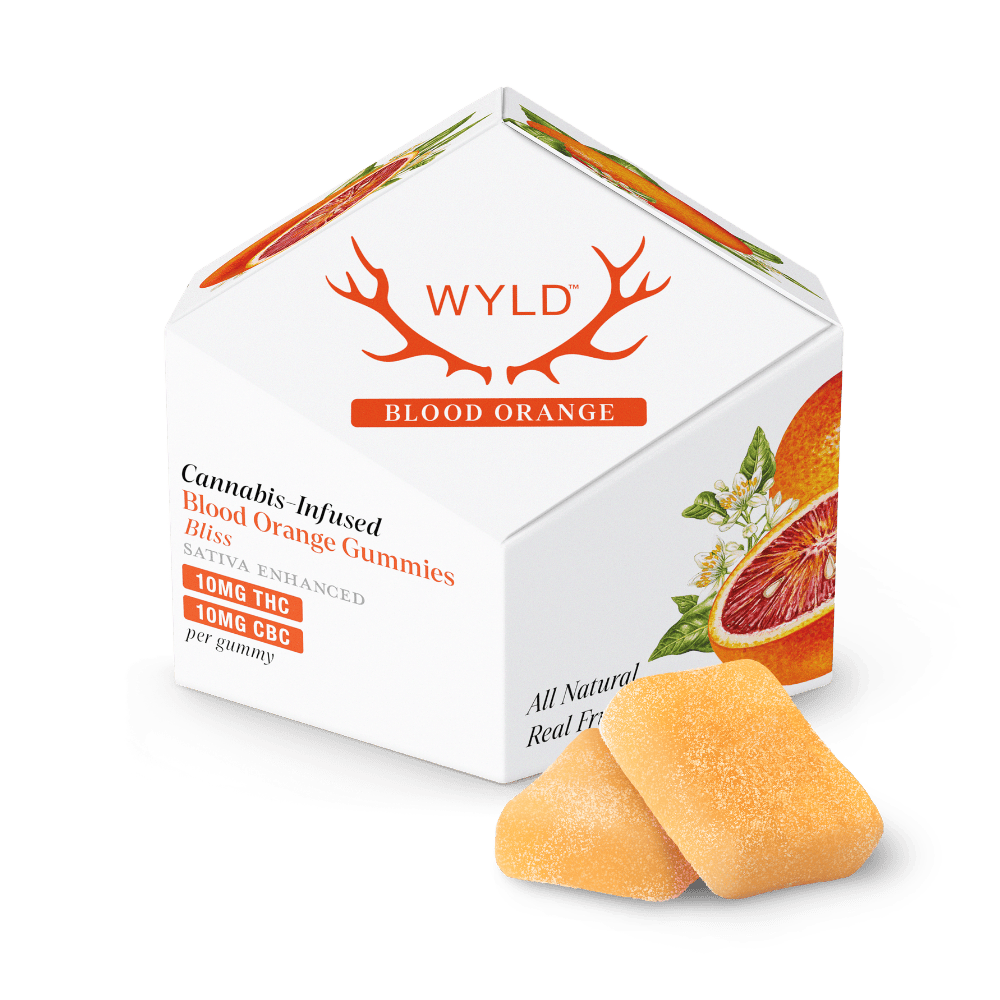
Sativa
All strains Blood Orange
4 live products in stock
Quick answer · What is the Blood Orange cannabis strain?
Blood Orange arrives with the vivid, sun-warmed character its name promises — a citrus-forward sativa that layers sweet mandarin and ruby grapefruit over a quietly resinous base. Bred for daytime clarity and a lifted, sociable energy, it has earned a devoted following among those who prize flavor as much as function. Each session unfolds with a brightness that feels deliberate rather than jarring, making it a considered choice for the discerning New York adult-use shopper.
Shop Blood Orange · 4 of 4 live products
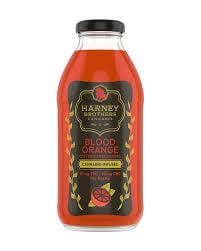
Hybrid
Harney BrothersHarney Brothers Cannabis Blood Orange Bottles 10mg 16oz · 0.01g
$6.20
$7after tax
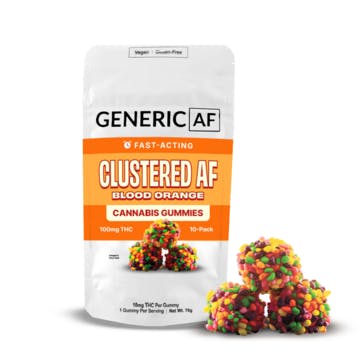
THC 0.13%Sativa
Generic AFGeneric AF | Clusters | Blood Orange | 100mg 10pk · 0.01g
$24.78
$28after tax
About Blood Orange
Everything to know about Blood Orange.
Lineage & origin
Blood Orange is most commonly attributed to Exotic Genetix, the Washington State-based seed house known for producing visually striking, terpene-rich cultivars. The strain is generally understood to be a cross of Tangie and an undisclosed Orange-family parent — some catalogue listings point to a Mimosa or Orange Cookies cut as the second parent, though Exotic Genetix has not publicly confirmed the complete genetic breakdown, and the precise lineage remains partially debated in community circles. Tangie, itself a modern reinterpretation of the classic Tangerine Dream popularized in the 1990s Amsterdam coffeehouse scene, contributes the dominant citrus aromatic architecture and the clarifying, cerebral sativa signature that defines Blood Orange's personality. The Orange-family parentage amplifies the sweet, navel-orange mid-notes and rounds the experience with a slightly warmer, more grounded quality than pure Tangie alone. Exotic Genetix released Blood Orange as part of a broader wave of citrus-dominant sativa crosses that found immediate commercial traction on the West Coast legal market in the mid-2010s before spreading eastward. Genetic siblings and phenotype expressions vary noticeably across different production runs, with some cuts reading as nearly pure citrus and others expressing a subtler, herbal undercurrent — a variability common to strains where the second parent has not been formally documented.
Effects
Blood Orange typically announces itself within five to ten minutes of inhalation, beginning as a gentle brightening behind the eyes and a quiet expansion of mental space. The onset is rarely abrupt; most consumers describe a measured, progressive lift that feels more like clearing fog than switching on a light. This gradual quality makes the early stages particularly useful for easing into a creative project or a social setting without the sharp edge that some high-myrcene sativas can carry. The peak character is predominantly cerebral, marked by elevated focus, an increased appreciation for sensory detail, and a tendency toward free-associative thinking. The body is not ignored — a mild warmth settles across the shoulders and upper back, lending just enough physical ease to prevent the mental activity from tipping into restlessness. Limonene and terpinolene, both prominent in this cultivar, are associated in the literature with uplifted mood and heightened alertness, which aligns with the strain's reputation as a daytime companion. Duration for most adults runs between ninety minutes and two and a half hours, with a comedown that tends to be gentle and clear rather than sedating. There is little of the heavy-lidded descent associated with indica-dominant strains; Blood Orange eases off in the same measured way it arrives, leaving a calm, grounded baseline. Newcomers should observe the standard start-low, go-slow approach, as the cerebral intensity at peak can feel pronounced for those unaccustomed to sativa-dominant cultivars.
Aroma, flavor & terpenes
The aromatic profile of Blood Orange is anchored by limonene and terpinolene, the two terpenes most responsible for its signature citrus-meets-fresh-peel quality. Limonene contributes the sweet, almost candy-like orange note on the initial inhale — bright and clean, reminiscent of zesting a navel orange over warm sugar. Terpinolene adds a slightly floral, almost piney freshness that keeps the profile from reading as purely confectionary, lending it a more complex, layered character. Myrcene appears as a secondary terpene, present at low-to-moderate levels, and it is responsible for the faint herbal musk that grounds the citrus top notes. It softens the edges of the profile, adding a subtle depth that becomes more apparent on exhale. Ocimene, another supporting player in many citrus-forward cultivars, contributes a wispy, almost tropical sweetness — a trace of mango or guava that lingers briefly after the smoke or vapor clears. On the palate, Blood Orange smokes cleanly, with a vapor profile that delivers the citrus aromatics faithfully — blood orange and tangerine rind dominate the forward expression, followed by a warm, slightly sweet mid-palate that recalls dried apricot or mandarin zest. The finish is smooth, with a light, herbal exhale that dissipates without harshness. Vaporized at lower temperatures, the floral and tropical secondary notes become more pronounced, rewarding those who take the time to dial in their sessions.
Appearance
Well-cultivated Blood Orange expresses as a moderately dense, medium-to-large bud with a classically sativa-influenced structure — elongated rather than compact, with visible calyx stacking along the central stem. The coloration is one of the strain's more immediately striking qualities: a deep, forest-green base is interrupted by flashes of muted gold and, in certain phenotypes, subtle violet undertones that emerge under cooler late-flower temperatures. Trichome coverage is generous across the primary and secondary bract surfaces, lending a frosted, slightly luminous quality that speaks to the Exotic Genetix lineage's emphasis on resin production. Pistils run a vivid copper-orange to rust — a color that, combined with the trichome sheen, creates the warm visual impression the name conjures. The calyx structure is relatively loose and feathery, consistent with the Tangie influence, and the overall presentation rewards a close look before grinding.
Growing notes
Blood Orange thrives in controlled indoor environments where temperature and humidity can be managed with precision, though it performs respectably outdoors in warm, Mediterranean-style climates — a reflection of its West Coast sativa heritage. Indoor flowering time is typically in the range of nine to ten weeks, placing it on the longer end of the spectrum for sativa-leaning cultivars and requiring a degree of patience from home cultivators. Yields are reported as moderate to above-moderate indoors, with the elongated bud structure lending itself well to low-stress training or screen-of-green setups that maximize canopy light exposure. Outdoor plants can achieve considerable height if left unmanaged, so topping or training is generally recommended for those working with limited vertical space. The strain is considered intermediate in difficulty — not particularly forgiving of chronic moisture stress, which can affect trichome development and the integrity of the citrus aromatic profile, but not technically demanding enough to discourage the attentive home cultivator. Those drawn to this strain for its terpene expression should prioritize a proper cure, as the limonene and terpinolene notes are especially sensitive to hasty drying.
When it's best enjoyed
Blood Orange is at its most fitting in the hours between late morning and early evening — a window that suits its bright, socially energized character without running the risk of disrupting sleep. It pairs naturally with creative work that benefits from sustained attention and a slightly heightened sensory register: writing, illustration, photography editing, or any practice where the mind benefits from roaming freely before landing. For the social shopper, it functions well as a pre-dinner strain ahead of a relaxed gathering where conversation is the evening's primary currency. Its citrus-forward terpene profile creates an intuitive pairing with food: consider it alongside a charcuterie spread anchored by aged manchego and Marcona almonds, where the fat and salt of the cheese play against the bright acidity of the strain's aromatic signature. Musically, Blood Orange aligns with warm, layered productions — jazz-influenced neo-soul or the kind of mid-tempo electronic work that rewards attentive listening without demanding it. For those seeking a more solitary experience, a late Sunday morning walk through a farmers market captures the mood precisely: sensory, unhurried, and pleasantly alert.
If you like Blood Orange, also explore
Tangie
As a direct parent of Blood Orange, Tangie shares the dominant limonene-driven citrus aromatic and the bright, cerebral sativa lift, making it the most natural point of comparison for fans of either strain.
Mimosa
Mimosa's citrus-forward profile and similarly sociable, daytime-appropriate energy appeal to the same shopper who gravitates toward Blood Orange's clean, uplifted character.
Clementine
Clementine shares the sweet orange and mandarin aromatic architecture alongside a clear-headed, motivating sativa effect that Blood Orange enthusiasts will find immediately familiar.
Orange Cookies
Orange Cookies offers a slightly warmer, more grounded version of the citrus-cookie profile, appealing to Blood Orange fans who occasionally prefer a touch more body in their experience.
Super Lemon Haze
For those drawn to Blood Orange's limonene intensity and cerebral clarity, Super Lemon Haze delivers a comparable terpene-driven brightness with a similarly long, measured peak.
Common questions
Is Blood Orange indica or sativa?+
Blood Orange is classified as a sativa-dominant cultivar. Its Tangie parentage contributes the clear-headed, uplifting qualities typically associated with sativa genetics, and most consumers report an experience that skews cerebral and energizing rather than sedating. That said, the Orange-family parent introduces a mild physical warmth that prevents the experience from feeling exclusively mental, lending it a gentle hybrid quality despite the sativa classification.
What does Blood Orange taste like?+
Blood Orange delivers a flavor profile centered on sweet citrus rind — navel orange and tangerine are the most prominent notes — with a warm, slightly tropical mid-palate that some describe as dried apricot or mandarin zest. The finish is smooth and herbal, without significant harshness. Vaporized at lower temperatures, secondary floral and tropical nuances become more expressive, rewarding a considered approach to the session.
What are the typical effects of Blood Orange?+
The experience typically begins with a measured, progressive lift in mood and mental clarity, arriving within five to ten minutes. The peak is primarily cerebral — focused, sociable, and sensory — with a mild physical warmth that keeps the body comfortable. Duration generally runs between ninety minutes and two and a half hours, with a gentle, non-sedating comedown. Those new to sativa-dominant cultivars are encouraged to start low and go slow.
What strains are similar to Blood Orange?+
Consumers who enjoy Blood Orange often find common ground with Tangie, its most direct genetic predecessor, as well as Mimosa, Clementine, and Orange Cookies, all of which share the citrus-forward aromatic profile and daytime-appropriate, uplifted character. Super Lemon Haze is another point of comparison for those particularly drawn to the limonene-driven brightness and sustained cerebral clarity that define Blood Orange's peak experience.
Is Blood Orange good for beginners?+
Blood Orange is approachable for beginners who understand that sativa-dominant strains can produce pronounced cerebral intensity at higher doses. The onset is gradual and the aromatic profile is inviting, but the peak can feel stimulating for those unaccustomed to limonene-heavy cultivars. The standard guidance applies: start with a smaller amount, allow adequate time to assess the effects before continuing, and choose a comfortable, low-stakes environment for a first session.
What are the dominant terpenes in Blood Orange?+
Blood Orange is typically led by limonene and terpinolene, the two terpenes most responsible for its citrus-bright, slightly floral aromatic signature. Myrcene appears as a secondary terpene, contributing a grounding herbal depth beneath the citrus top notes. Ocimene is also present in many cuts, adding a faint tropical sweetness on the finish. Together, this terpene combination is consistent with the strain's uplifted, sensory-forward effect profile.
Who bred Blood Orange and where does it come from?+
Blood Orange is most commonly attributed to Exotic Genetix, a Washington State seed company known for resin-rich, terpene-forward cultivars. It is generally understood to be a Tangie cross, though the identity of the second parent has not been publicly confirmed by the breeder. The strain emerged from the Pacific Northwest legal market in the mid-2010s and has since gained traction across adult-use markets nationwide, including New York.
When is the best time of day to enjoy Blood Orange?+
Blood Orange is best suited to the late morning through early evening, when its bright, energizing character aligns naturally with activity and social engagement. Its sativa-dominant profile and terpene composition — led by the alertness-associated limonene and terpinolene — make it a less intuitive choice for evening wind-down sessions. Most consumers find it well-matched to creative work, outdoor activity, or relaxed social occasions that benefit from a lifted, attentive mood.
Related strains