On sale· 30% OFF
THC 92.73%·CBD 0.18%Sativa
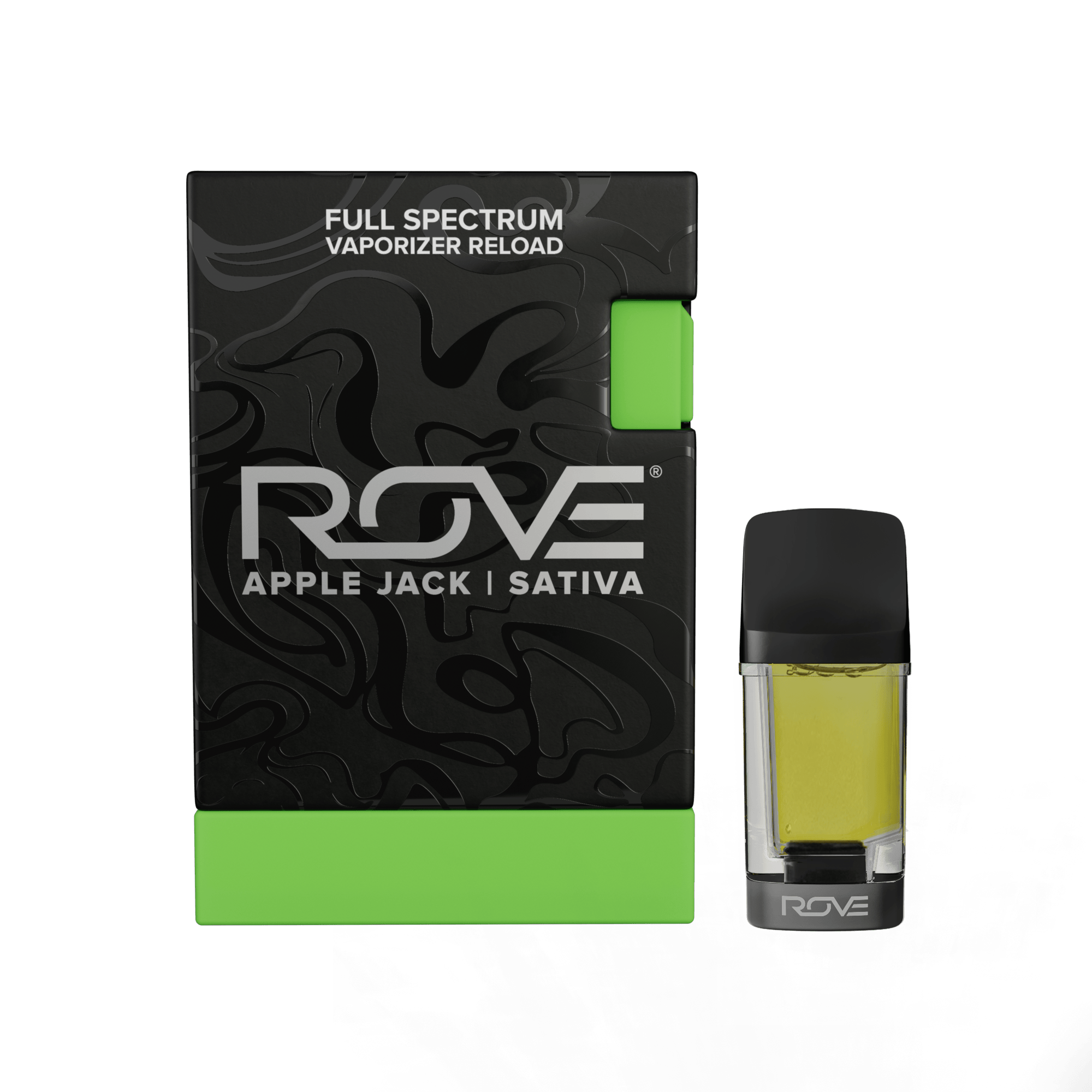
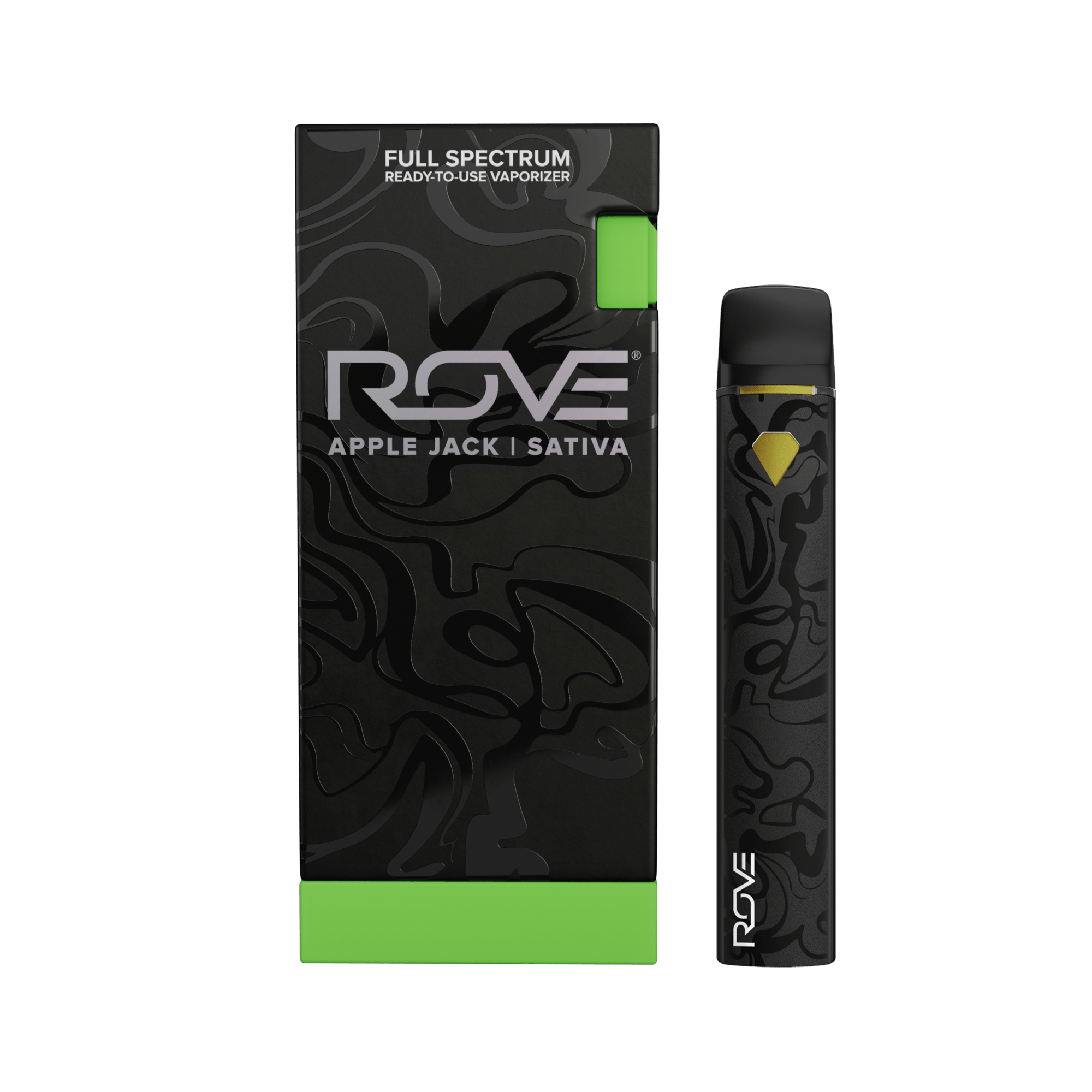
RoveApple Jack | Melted Diamond Live Resin Vaporizer | 1.0g (Reload) · 1g
$56.00$80.00
$66after tax

weeddispensarynearme.com
You must be 21 years or older to enter. By entering, you confirm you’re of legal age in your state to purchase cannabis.
For use only by adults 21+ • Keep out of reach of children
2 live products in stock
Quick answer · What is the Apple Jack cannabis strain?
Apple Jack arrives with the unhurried confidence of a late-harvest orchard on a clear autumn morning. A sativa-leaning hybrid whose lineage reads like a Pacific Northwest family tree, it balances crisp, fruit-forward aromatics with a clear-headed, energizing character that rewards both the curious newcomer and the seasoned connoisseur seeking something grounded yet luminous. For those who appreciate nuance in both flavor and experience, Apple Jack is a study in elegant restraint.
$66after tax
$71after tax
About Apple Jack
Apple Jack is the offspring of two foundational American cultivars: Jack Herer and White Widow. Jack Herer — named for the celebrated cannabis activist and author — was developed in the Netherlands by Sensi Seeds in the mid-1990s, believed to be a complex cross of Haze, Northern Lights #5, and Shiva Skunk. It earned a reputation as one of the most influential sativa-dominant cultivars of its era, winning multiple Cannabis Cup awards and inspiring a generation of breeders. White Widow, also of Dutch origin and widely attributed to Green House Seeds, debuted around 1994 as a cross between a Brazilian sativa landrace and a South Indian indica, becoming arguably the most recognized hybrid of the 1990s for its resin production and balanced effects. The pairing of these two legends was undertaken by Soma Seeds, the Amsterdam-based breeder known for thoughtful, craft-oriented genetics. The goal was to marry Jack Herer's cerebral sativa energy with White Widow's structural resin density and body presence. The result, Apple Jack, carries the best-documented traits of both parents: a lifted, articulate mental quality from the Jack Herer side and a more grounded, resinous physicality from White Widow. No closely documented phenotype siblings have been widely commercialized under a distinct name, though Jack Herer itself has spawned a broad family of cultivars — J1, Jack the Ripper, and Amnesia Haze crosses among them — that share Apple Jack's sativa-leaning intellectual character. Apple Jack remains one of the more faithful tributes to both parent lines.
The onset of Apple Jack tends to arrive within five to ten minutes when smoked or vaped, beginning as a gentle brightening behind the eyes and a subtle increase in mental clarity. The experience does not rush; it unfolds with the measured cadence one might associate with a strong cup of single-origin coffee on a quiet morning. This initial phase is characterized by elevated focus, a mild boost in conversational ease, and a sense of light creative receptivity — qualities that trace back to the terpene-driven sativa architecture inherited from Jack Herer. At its peak, Apple Jack leans firmly cerebral without fully abandoning the body. White Widow's influence surfaces as a calm, low-level physical ease that prevents the experience from tipping into anxious overstimulation — a balance that makes this cultivar approachable for those sensitive to purely sativa expressions. The peak window typically spans sixty to ninety minutes, during which creative engagement and sociability feel naturally amplified. The comedown is gentle and gradual rather than abrupt. Energy returns to a relaxed baseline without the heaviness associated with indica-dominant cultivars. Terpenes including terpinolene and myrcene are thought to contribute to this balanced arc: terpinolene lending the uplifting, slightly floral mental brightness, while myrcene introduces a mild sedative undertone that smooths the transition back to baseline. As always, individual response varies, and those newer to cannabis are encouraged to start with a modest amount and allow time for the full arc to express itself.
True to its name, Apple Jack opens with a dominant note of fresh green apple — tart, clean, and slightly sweet — that distinguishes it immediately from more tropical or fuel-forward cultivars. This characteristic aroma is largely attributed to a terpene profile in which terpinolene plays a significant role: terpinolene is known for producing fresh, floral, and occasionally fruity top notes that read as apple or pear in certain genetic expressions. It is supported by ocimene, which contributes a light herbal sweetness and a faint woody undertone that deepens the olfactory profile. Below these primary notes, myrcene adds an earthen, slightly musky foundation — the kind of green-soil quality one associates with a productive garden after rainfall. Pinene surfaces as a secondary accent, lending a clean, resinous brightness reminiscent of fresh pine needles or a forest clearing. Together, these terpenes create a layered aromatic structure that is complex without being aggressive. On the palate, Apple Jack delivers a smoke or vapor that is notably smooth and approachable. The inhale carries the apple-and-pine brightness forward, while the exhale reveals a subtler, more herbal sweetness with a dry, faintly spiced finish that recalls the crispness of autumn air. There is very little harshness, and the flavor profile is clean enough to make Apple Jack well-suited to dry-herb vaporization, where terpene expression is at its most articulate. The aftertaste lingers pleasantly as a mild sweetness that fades without residue.
Apple Jack produces medium-to-large buds with a structure that reflects its hybrid lineage: not as tightly packed as a pure indica but denser and more cohesive than a classic sativa. The buds tend toward a slightly elongated, tapered shape with well-defined calyxes and a moderate internodal spacing that speaks to the Jack Herer parent's sativa architecture. The color palette sits in the mid-green range, often exhibiting a bright, almost lime-green interior beneath an exterior frosted generously with trichomes — a visible tribute to White Widow's legendary resin production. Pistils are typically amber to rust-orange at maturity, winding through the bud structure in a way that adds warmth and visual depth to an otherwise cool-toned flower. Trichome coverage is substantial and milky-white under magnification, giving well-cured examples a fine, powdery luminescence that signals careful cultivation and proper harvest timing.
Apple Jack is considered a moderately demanding cultivar that rewards experienced home growers more reliably than true beginners, though its stable genetics from two well-documented parent lines give it reasonable predictability. Indoors, it typically flowers in approximately nine to ten weeks, producing yields that are respectable without being exceptional — a reflection of the strain's emphasis on quality and terpene expression over raw volume. The plant exhibits a moderate stretch during the early flowering phase, consistent with its sativa heritage, and benefits from low-stress training or screen-of-green techniques to manage canopy height and improve light penetration to lower bud sites. Outdoors, Apple Jack performs well in temperate, Mediterranean-style climates with warm days and moderate humidity, generally reaching harvest in early to mid-October in the Northern Hemisphere. Indoor yields are reported in the moderate range, and the plant does not demand extraordinary nutrient levels, though attention to calcium and magnesium can support the robust trichome development for which this cultivar is recognized. Its resistance to mold is considered average — adequate ventilation and careful humidity management during the final weeks of flowering are recommended.
Apple Jack occupies a particular niche in the cultivar landscape: it is a daytime strain that does not demand productivity, yet it seems to invite it naturally. The clearest context for this cultivar is the creative afternoon — a stretch of hours set aside for writing, painting, or any practice requiring sustained attention without the interference of mental noise. Its focus-forward effects and clean terpene profile make it a considered choice when the goal is thoughtful engagement rather than deep relaxation. Socially, Apple Jack transitions well to small gatherings where conversation is the primary activity — a dinner among close friends, a gallery visit, or an unhurried walk through a city neighborhood in the early evening. Its approachable energy is unlikely to overwhelm social settings where clarity of expression matters. For pairings, the cultivar's crisp apple and pine terpene profile harmonizes naturally with foods that share those aromatic registers: a well-composed cheese board featuring aged cheddar and honeycrisp apple slices, or a dry sparkling wine with mineral acidity. Musically, Apple Jack finds a natural companion in acoustic or jazz-influenced recordings — something with space between the notes, where attention to subtlety is rewarded. A morning session of Nils Frahm or an afternoon with early John Coltrane recordings would suit the cultivar's character well.
Jack Herer
As Apple Jack's most direct parent, Jack Herer shares the same cerebral, focus-forward sativa lift and piney-herbal aromatics that define the experience.
White Widow
The other half of Apple Jack's lineage, White Widow offers a similarly balanced hybrid arc with the same resinous density and gentle body presence.
Haze Berry
Fans of Apple Jack's fruit-forward top notes and uplifting, articulate mental clarity will find a familiar register in Haze Berry's sweet, sativa-driven profile.
Golden Goat
Golden Goat shares Apple Jack's tart, fruit-and-citrus aromatic character and its tendency toward energized, socially open effects without heavy sedation.
J1
A direct descendant of Jack Herer crossed with Skunk #1, J1 carries a closely related genetic and terpene signature that will feel immediately familiar to Apple Jack enthusiasts.
Apple Jack is classified as a sativa-dominant hybrid. It is a cross between Jack Herer and White Widow, two foundational cultivars with roots in Dutch breeding programs of the 1990s. The sativa influence from Jack Herer is dominant in its effects profile, delivering an uplifting, cerebral experience, while White Widow contributes a moderate indica-derived body ease that prevents the experience from feeling overly stimulating or racey.
Apple Jack offers a clean, fruit-forward palate anchored by crisp green apple and pine. The terpene profile — terpinolene, ocimene, myrcene, and pinene — produces a smooth smoke or vapor with a lightly sweet, herbal inhale and a dry, mildly spiced exhale. The aftertaste is pleasant and fades cleanly. It is considered a particularly well-suited cultivar for dry-herb vaporization, where its terpene nuances are most fully expressed.
Apple Jack typically produces a clear-headed, energizing onset with a noticeable lift in focus and creative ease. The experience is sativa-forward but grounded — White Widow's influence introduces a mild physical relaxation that moderates the cerebral intensity. The peak phase tends to last sixty to ninety minutes, with a gradual, unhurried return to baseline. It is generally considered a daytime or early-evening cultivar suited to creative work, light social activity, and outdoor engagement.
Consumers who appreciate Apple Jack tend to gravitate toward cultivars that share its sativa clarity and fruit-or-pine aromatic registers. Jack Herer and White Widow are the most direct analogues as parent strains. Golden Goat offers a similar tart, energizing profile. J1 carries closely related Jack Herer genetics with a comparable cerebral lift. Haze Berry is worth exploring for those drawn specifically to the fruity sweetness in Apple Jack's terpene expression.
Apple Jack can be approachable for beginners due to the moderating influence of its White Widow parentage, which softens the purely sativa edge. That said, its sativa-dominant character means that newcomers sensitive to uplifting or focus-intensifying effects should approach with care. The standard guidance applies: start with a modest amount, allow sufficient time to assess the full arc of the experience, and choose a comfortable, familiar setting for the first session.
Apple Jack's terpene profile is primarily defined by terpinolene, which drives its characteristic fresh, apple-like aromatics and contributes to its uplifting mental quality. Myrcene provides an earthy, grounding undertone and a mild sedative counterweight to the sativa energy. Pinene adds a resinous, forest-fresh brightness. Ocimene contributes a light herbal sweetness. This combination produces a well-layered aromatic profile that is both distinctive and harmonious on the palate.
Apple Jack is attributed to Soma Seeds, the Amsterdam-based breeder known for thoughtful, craft-oriented genetics. Soma Seeds crossed Jack Herer with White Widow to produce the cultivar, though the precise year of commercial release has not been widely documented in public sources. Both parent strains date to the mid-1990s Dutch breeding scene, placing Apple Jack's likely development in the late 1990s to early 2000s window, consistent with Soma Seeds' most active period of cultivar development.
Yes — Apple Jack is generally considered a daytime cultivar. Its sativa-dominant effects favor clarity, moderate energy, and creative engagement rather than sedation or couch-lock. The White Widow heritage introduces enough physical ease to make it comfortable without impairing alertness. Many consumers find it well-suited to morning or afternoon sessions involving creative work, social activity, or light outdoor pursuits. Evening use is reasonable for those who do not find sativa-leaning cultivars disruptive to wind-down routines.
Related strains
Pick your store
We'll show pricing, deals, and delivery zones for the store you pick. You can switch any time from the header.