
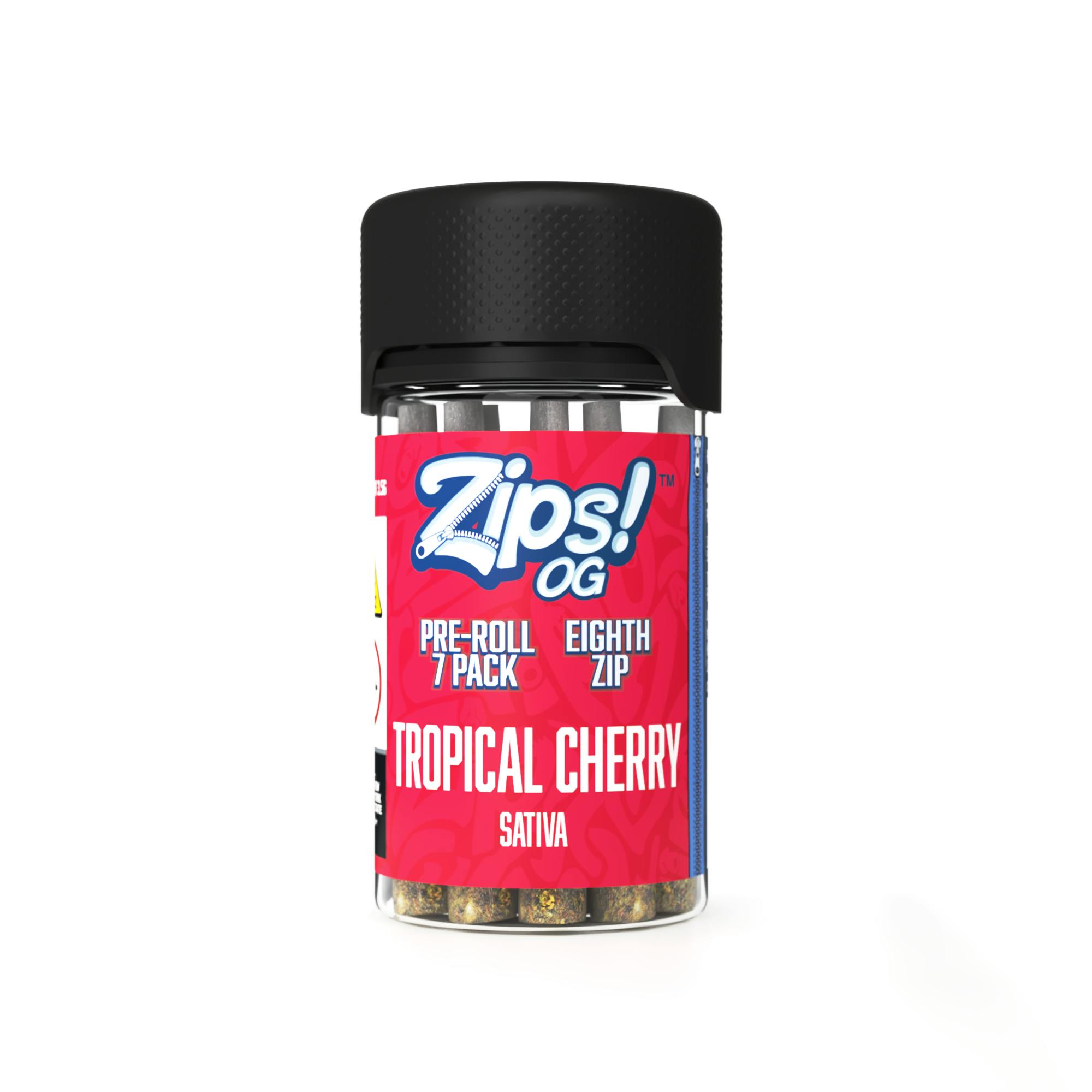
Sativa
All strains Trop Cherry
3 live products in stock
Quick answer · What is the Trop Cherry cannabis strain?
Trop Cherry arrives like a warm afternoon in late summer — its bouquet of ripe stone fruit and sun-dried cherry drifts forward before the first draw, while the high settles into a clear-headed elevation that invites conversation and creative drift in equal measure. A sativa-leaning hybrid built for New York's tempo, it rewards those who appreciate a strain that is expressive without being overwhelming, layered without being indecipherable.
Shop Trop Cherry · 3 of 3 live products
THC 40.64%Indica
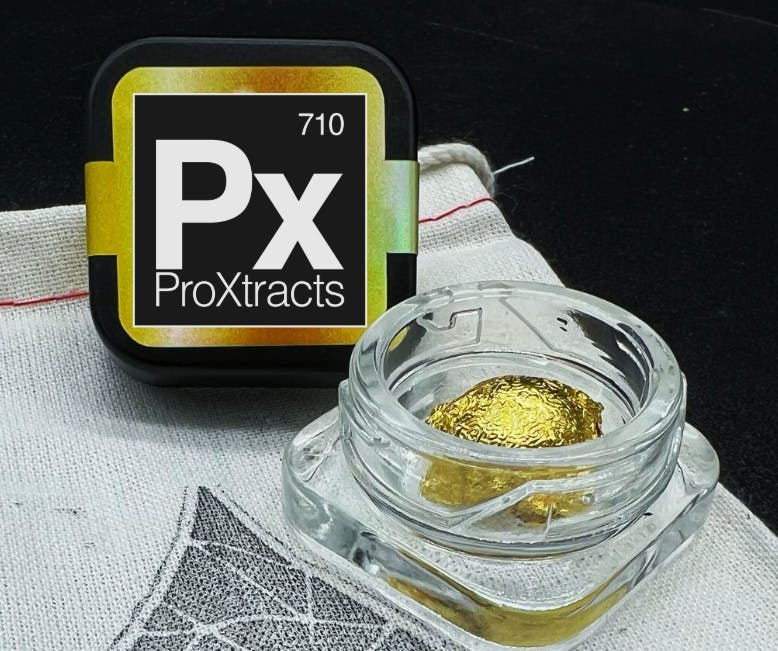
ProXtractsProXtracts | Refined Indica Kief | Trop Cherry Trim · 1g
$24.78
$28after tax
About Trop Cherry
Everything to know about Trop Cherry.
Lineage & origin
Trop Cherry is widely attributed to Cannarado Genetics, the Denver-based breeding house known for producing richly flavored, terpene-forward cultivars throughout the late 2010s. The strain is generally understood to be a cross of Tropicana Cookies and Black Cherry Pie, though Cannarado has not issued a formal, exhaustive public statement detailing every generation of backcrossing or selection pressure involved — a common practice among boutique breeders protecting proprietary work. Tropicana Cookies, itself a GSC (Girl Scout Cookies) and Tangie cross, contributes a bright citrus-and-cookie backbone alongside the cerebral, sativa-leaning elevation that GSC lineages are associated with. Black Cherry Pie — a descendant of Cherry Pie (Durban Poison × Granddaddy Purple) — brings the deep, jammy fruit notes and a grounding body quality that rounds out the otherwise electric Tropicana side. Within the broader Cannarado catalog, Trop Cherry sits alongside celebrated siblings such as Jealousy and Zkittlez derivatives, all of which share an emphasis on dessert-adjacent flavor profiles and well-balanced hybrid effects. The strain gained considerable traction on the West Coast craft market around 2019–2021, earning a reputation among connoisseurs for exceptional terpene expression and bag appeal that translated well to the emerging New York adult-use market.
Effects
Trop Cherry's onset is typically noted within five to ten minutes of consumption, presenting first as a gentle pressure behind the eyes and a brightening of sensory perception — a characteristic opening move for Tropicana Cookies descendants. The GSC lineage anchors an uplifted, sociable cerebral quality, while the Durban Poison heritage running through the Cherry Pie side adds a thread of focused mental clarity that keeps the experience from feeling diffuse or scattered. At its peak, the experience leans decidedly cerebral: thoughts tend to move with an easy fluency, creative associations surface readily, and conversation carries a natural momentum. The body component — inherited largely from the Black Cherry Pie parentage and the myrcene present in the terpene profile — arrives as a peripheral warmth rather than a sedative weight, making Trop Cherry functionally manageable for daytime and early-evening use without the heaviness associated with more indica-dominant cultivars. Duration for most adults ranges from ninety minutes to two and a half hours depending on tolerance and method of consumption. The comedown is generally described as gradual and gentle, with the cerebral lift softening into a mild, contented ease rather than an abrupt drop. As with any sativa-leaning hybrid, those sensitive to THC-driven anxiousness are well advised to start low and proceed slowly, as the initial uplift can feel pronounced.
Aroma, flavor & terpenes
The aromatic profile of Trop Cherry is one of its most immediately distinctive qualities. Myrcene — typically the dominant terpene across well-documented phenotypes — contributes an earthy, mildly musky base that keeps the fruit notes grounded rather than overtly candy-like. Against this foundation, limonene delivers a vivid citrus brightness, reminiscent of freshly zested orange peel, while caryophyllene adds a subtle spiced warmth that sharpens the overall impression and lends a slight woody depth on the exhale. The secondary and tertiary terpene architecture frequently includes ocimene, which contributes the sweet, almost herbal floral lift that gives the bouquet its tropical dimension, and terpinolene, which in smaller concentrations adds a piney, slightly floral note that elevates the profile beyond a simple fruit impression. Linalool, where present, softens the sharper citrus edges with a lavender-adjacent gentleness. On the palate, fresh flower from quality producers delivers a smoke or vapor that opens with ripe cherry and mandarin, evolves through a subtle cookie-dough sweetness mid-draw, and closes with a faintly spiced, earthy finish characteristic of the caryophyllene content. Vapor at low temperatures tends to preserve the delicate ocimene and limonene expression most faithfully, making temperature-controlled vaporization a preferred method for those who wish to engage with the full terpene spectrum.
Appearance
Well-cultivated Trop Cherry presents dense, medium-to-large calyxes with a tight, resinous bud structure that reflects both the GSC architecture and the indica influence of the Black Cherry Pie parentage. The color palette is notably varied — a deep forest green forms the background, interrupted by flashes of deep purple and burgundy that intensify when the plant has experienced cooler night temperatures during the final weeks of flower. Trichome coverage is abundant and even across the sugar leaves and bud faces, giving the flower a frosted, almost powdery appearance under direct light. Pistils range from burnt orange to a deep copper-red and are typically dense enough to give the buds a warm, glowing quality against the cooler greens and purples beneath. The overall impression is of a cultivar bred as much for visual distinction as for chemical complexity — a characteristic presentation for Cannarado's more sought-after releases.
Growing notes
Trop Cherry is considered a moderate-difficulty cultivar, appropriate for growers who have moved beyond their first or second harvest and are comfortable managing canopy and nutrition through flower. It performs well both indoors under controlled lighting and in greenhouse environments where temperature can be managed during the final weeks — cooler nights in late flower are the primary driver of the deep purple anthocyanin expression that collectors associate with premium phenotypes. Indoor flowering time typically falls in the range of sixty to sixty-five days, with yields that reward attentive feeding programs and low-stress training to open the canopy. Outdoor cultivation in temperate climates — similar to New York's late summer — is feasible, though the strain benefits from a sheltered position given its preference for consistent warmth. Resin production is generous relative to the plant's size, making it a reasonable choice for those interested in the full range of end products. As with most Cannarado releases, phenotype variation can be meaningful, and experienced cultivators often run multiple seeds to identify the most aromatic and visually striking expressions.
When it's best enjoyed
Trop Cherry occupies a particular moment in the day: the hours between mid-morning and early evening when the mind is still engaged but craves a slightly altered angle on familiar things. It is well-suited to solo creative work — writing, drawing, or the kind of unhurried thinking that benefits from a loosened internal editor — as well as to the easy sociability of a small gathering where conversation is the primary currency. Given the pronounced citrus and stone-fruit terpene profile, Trop Cherry pairs with remarkable naturalness alongside dishes that share that flavor language: a composed stone-fruit salad with bitter greens and aged cheese, or a citrus-forward ceviche where the limonene in both the food and the flower create a coherent sensory thread. For a musical companion, recordings that balance rhythmic complexity with melodic clarity — jazz fusion, or the more textured corners of contemporary R&B — tend to resonate with the strain's dual character of focus and warmth. It is, in short, a strain for the thoughtful participant rather than the passive observer.
If you like Trop Cherry, also explore
Tropicana Cookies
As a direct parent of Trop Cherry, Tropicana Cookies offers a similar citrus-forward brightness and uplifted cerebral character for those who prefer the fruit expression without the deep cherry and purple-phenotype complexity.
Cherry Pie
Fans of Trop Cherry's jammy stone-fruit depth and balanced hybrid arc will recognize familiar ground in Cherry Pie, which shares the Black Cherry Pie lineage and delivers a comparably smooth, fruit-accented experience.
Jealousy
Another Cannarado Genetics release built on a dessert-forward terpene profile, Jealousy appeals to the same palate that gravitates toward Trop Cherry's richly layered aroma and well-constructed hybrid effects.
Runtz
Those drawn to Trop Cherry's candy-fruit sweetness and socially fluid high will find Runtz a natural companion — it shares the GSC genetic thread and a similarly approachable, euphoric quality.
Sunset Sherbet
For shoppers who appreciate Trop Cherry's fruit complexity and warm body undercurrent without committing to a fully sativa-driven experience, Sunset Sherbet offers comparable terpene richness in a slightly more grounded hybrid format.
Common questions
Is Trop Cherry indica or sativa?+
Trop Cherry is a sativa-leaning hybrid, meaning it carries characteristics of both broad categories while tilting toward the uplifted, cerebral qualities typically associated with sativa-dominant cultivars. The Tropicana Cookies parentage drives the energetic, clear-headed dimension, while Black Cherry Pie contributes a grounding body warmth that softens the experience without sedating it. Most adults describe it as functional and sociable rather than heavy.
What does Trop Cherry taste like?+
Trop Cherry tastes much as it smells — ripe cherry and mandarin citrus lead, followed by a subtle cookie-dough sweetness in the mid-palate. The finish carries a mild earthy spice, likely attributable to caryophyllene. At lower vapor temperatures, the tropical and floral notes contributed by ocimene and terpinolene are more readily perceptible, adding complexity beyond what a straightforward fruit description might suggest.
What are the typical effects of Trop Cherry?+
Most adults report an onset of uplifted mental clarity within five to ten minutes, followed by a peak characterized by easy sociability, creative fluency, and a peripheral body warmth that does not impede function. The experience lasts roughly ninety minutes to two and a half hours, with a gradual, comfortable comedown. As a sativa-leaning cultivar with meaningful THC expression, those newer to cannabis should start with a conservative amount.
What strains are similar to Trop Cherry?+
Shoppers who enjoy Trop Cherry often find common ground in Tropicana Cookies, its direct parent, as well as Cherry Pie for the stone-fruit depth. Jealousy, a fellow Cannarado Genetics release, shares the dessert-forward terpene philosophy. Runtz appeals to those drawn to the candy-fruit sweetness, and Sunset Sherbet offers comparable flavor richness in a slightly more balanced hybrid orientation.
Is Trop Cherry good for beginners?+
Trop Cherry can be approachable for adults who are new to cannabis, provided they follow a start-low, go-slow approach. The sativa-leaning character means the initial uplift can feel noticeable, and individuals who are sensitive to THC-induced anxiousness may prefer to begin with a very modest amount and allow adequate time before reassessing. The gradual comedown and absence of heavy sedation make it less disorienting than some indica-dominant cultivars.
What are the dominant terpenes in Trop Cherry?+
Myrcene is generally the most prominent terpene in well-documented Trop Cherry phenotypes, providing an earthy, grounding base. Limonene delivers the citrus brightness, and caryophyllene contributes a spiced, woody warmth. Secondary terpenes including ocimene and terpinolene add tropical and floral dimension, while linalool, where present, softens the sharper edges. This terpene combination is widely credited for both the strain's distinctive aroma and its balanced effect profile.
Who bred Trop Cherry and what is its lineage?+
Trop Cherry is widely attributed to Cannarado Genetics, a Denver-based boutique breeding house with a strong reputation for terpene-forward cultivars. The strain is understood to be a cross of Tropicana Cookies — itself a GSC and Tangie hybrid — and Black Cherry Pie, a descendant of Cherry Pie. Cannarado has not published a fully detailed account of every selection and backcross involved, which is common practice among independent breeders.
When is the best time of day to enjoy Trop Cherry?+
Trop Cherry is best suited to mid-morning through early evening use, given its sativa-leaning profile and cerebral uplift. It is a productive companion for creative or social activities and does not carry the heavy sedation that would make late-night use a natural fit. Adults who use cannabis closer to bedtime may find the mental activation less conducive to rest, though individual responses vary considerably.
Related strains