THC 78.46%Sativa-Hybrid
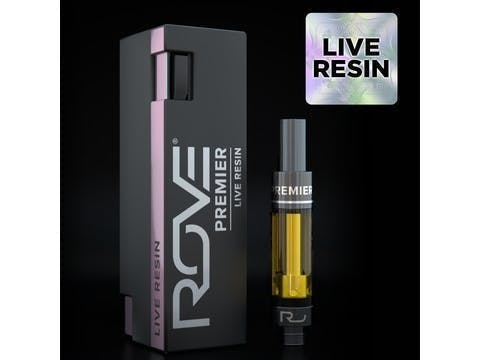
RoveRove | Premier Live Resin Cartridge | Cinderella 99 - H · 1g
$70.00
$79after tax

weeddispensarynearme.com
You must be 21 years or older to enter. By entering, you confirm you’re of legal age in your state to purchase cannabis.
For use only by adults 21+ • Keep out of reach of children
2 live products in stock
Quick answer · What is the Cinderella 99 cannabis strain?
Cinderella 99 arrives like a well-edited short story — compact, purposeful, and quietly unforgettable. A sativa-leaning hybrid born from careful clone selection in the late 1990s, it carries a tropical citrus brightness that surfaces immediately on the nose and deepens on the palate. Its cerebral lift is characteristically clean and sociable, making it one of the more nuanced choices for daytime exploration available in New York's adult-use market.
$79after tax

$141after tax
About Cinderella 99
Cinderella 99 — often abbreviated C99 or Cindy 99 — was developed by the Brothers Grimm seed company, primarily through the work of cultivator Mr. Soul, during the mid-to-late 1990s. The genetic story begins with a single female plant, known informally as 'Princess,' which Mr. Soul selected from a Sensi Star and Jack Herer cross found as a freebie seed in a High Times magazine shipment. Through successive rounds of backcrossing — specifically two generations of brother-sister pairings — the Princess phenotype was refined and stabilized into the commercial release widely known today. The strain gained rapid recognition in cannabis culture precisely because it combined sativa-dominant effects with a flowering time atypically short for its genetic character, a quality that made it a favorite among hobby cultivators throughout the early indoor-growing era. Brothers Grimm officially released the strain around 1998 to 1999, and it circulated widely through clone and seed networks on both coasts of the United States. Several notable phenotypes exist within the Cinderella 99 population. The most sought-after expressions lean heavily toward the tropical-citrus end of the spectrum, while others present earthier, more floral characteristics. Brothers Grimm relaunched as a company in 2016 after a lengthy hiatus, reintroducing their original C99 genetics to the commercial seed market. Closely related genetic siblings include Apollo 13, which shares lineage through the same Brothers Grimm breeding program and is considered by many collectors a spiritual companion to Cindy.
The onset of Cinderella 99 arrives with notable speed relative to many sativa-leaning hybrids — most consumers report the first sensations within minutes of inhalation, a quality attributed in part to the strain's relatively elevated terpinolene content, which some researchers associate with more immediate perceptual shifts. The initial character is unambiguously cerebral: a brightening of mental focus, an uptick in associative thinking, and a gentle elevation of mood that feels more clarifying than sedating. At peak, the experience is best described as energized yet composed. The mind remains active and conversational without tipping into the racing, anxious quality that can accompany some high-terpinolene cultivars when consumed in excess. There is a mild physical warmth present throughout — enough to soften the edges of the session — but the body component rarely dominates. This balance is consistent with the strain's hybrid architecture, even as the sativa influence shapes the overall tone. Duration tends to fall in the moderate range for experienced consumers, typically one to two hours before a gradual, unhurried comedown. The descent is generally smooth rather than abrupt, often leaving a quiet, grounded feeling in its place. As with any sativa-leaning cultivar, those newer to cannabis are well advised to start low and progress slowly, as the cerebral intensity at higher doses can become pronounced. Myrcene in the background rounds the experience, providing a gentle check on stimulation.
The terpene architecture of Cinderella 99 is dominated by terpinolene, a compound associated with fresh, floral, and faintly herbal impressions that read simultaneously as citrus pith and dried wildflower. On the nose, the effect is immediate and distinctive — bright tropical fruit, specifically pineapple and grapefruit, layered over a secondary note of freshly cut wood and sweet herbs. The aroma has a clean, high-register quality that sets it apart from earthier, myrcene-forward cultivars. Myrcene appears as a secondary terpene in many analyzed samples, contributing a subtle muskiness that grounds the more exuberant top notes and prevents the profile from reading as one-dimensional. Caryophyllene, when present, adds a quiet spice — closer to white pepper than black — that surfaces more clearly on the exhale than on the initial sniff. Some phenotypes also present detectable ocimene, a terpene associated with sweet, almost herbaceous floral nuance that deepens the complexity of the mid-range aroma. On the palate — whether smoked or vaporized — Cinderella 99 tends to deliver on the aromatic promise. The inhale carries that tropical citrus character cleanly, while the exhale broadens into something warmer and slightly woodsy. Vaporization at lower temperatures tends to emphasize the fruit-forward terpinolene notes, while combustion brings forward more of the spice and earth undertones. The finish is relatively clean and lingers pleasantly without heaviness.
Cinderella 99 produces buds that reflect its sativa heritage in structure — typically medium in size, with a somewhat elongated, slightly airy calyx arrangement that differs from the dense, compacted form of many indica-dominant cultivars. Well-grown specimens will show good trichome coverage, a fine crystalline layer that contributes a pale silver sheen to the surface of the flower when viewed in natural light. The color palette is primarily in the medium-to-light green range, often with warmer yellow-green undertones that complement the strain's tropical aromatic character. Pistils — the fine hair-like structures winding through the bud — tend toward a burnt orange or amber tone at maturity, providing visual contrast against the lighter green of the calyxes. In cooler finishing environments, some phenotypes will develop faint purple hues along the leaf margins, though this is not the norm. Overall, the visual presentation is clean and inviting without the theatrical density of some contemporary hybrid cultivars.
Cinderella 99 holds a well-documented reputation among cultivators as a relatively accessible sativa-leaning strain, largely because it defies the category's usual drawback: an extended flowering window. Indoor flowering typically concludes in approximately seven to nine weeks — a pace more consistent with many hybrid and indica cultivars than with true sativas. This characteristic made the strain a cornerstone of small-space indoor gardens throughout the early 2000s and its popularity among home cultivators has persisted. The plant tends toward a medium height with a branchy structure that responds well to low-stress training and light defoliation to improve canopy airflow. Yields are considered moderate indoors and somewhat more generous under direct outdoor sun in temperate climates with a reliably warm autumn. The strain prefers consistent temperatures and responds poorly to humidity fluctuations during flowering, which can increase susceptibility to mold if left unmanaged. It is considered a beginner-to-intermediate cultivar — more forgiving than many pure sativas, though still requiring attentive environmental control for best results.
Cinderella 99 is a strain that earns its place in the daytime rotation, particularly for moments that call for presence without sedation. Its cerebral lift pairs naturally with creative work — writing, visual art, or the kind of open-ended thinking that benefits from a loosened mental framework. Solo sessions in a quiet studio or on a sunlit terrace represent a natural habitat for this cultivar, where its sociable energy can expand without distraction. For shared experiences, it functions equally well as a pre-walk companion or as an accompaniment to a relaxed gathering among people comfortable with cannabis. The tropical terpene profile suggests natural affinities with food: fresh ceviche, citrus-dressed salads, or a well-made sparkling water with lime all echo and complement the strain's aromatic register. Musically, Cinderella 99's brightness aligns with clean, rhythmic compositions — acoustic jazz, Brazilian bossa nova, or early electronic music with an open, airy production style. It is, above all, a strain suited to the first half of the day rather than the last.
Apollo 13
A direct genetic sibling from the Brothers Grimm breeding program, Apollo 13 shares Cinderella 99's terpinolene-forward citrus brightness and energetic cerebral character, making it the most natural companion selection for Cindy fans.
Jack Herer
One of the foundational influences in Cinderella 99's lineage, Jack Herer offers a similarly focused, creativity-oriented sativa experience with an herbal-citrus terpene profile that will feel immediately familiar.
Durban Poison
Durban Poison shares the terpinolene dominance and clean, energized daytime character of C99, with a comparable anise-and-citrus aromatic range that appeals to the same consumer palate.
Ghost Train Haze
Consumers drawn to Cinderella 99's cerebral intensity and tropical aromatics often find Ghost Train Haze a satisfying step up in complexity, offering a similarly sativa-forward arc with added resinous depth.
Strawberry Cough
For those who appreciate C99's fruit-forward aroma and sociable, uplifting effect profile, Strawberry Cough provides a closely parallel experience with a berry-dominant terpene expression in place of tropical citrus.
Cinderella 99 is classified as a sativa-leaning hybrid. It was developed through backcrossing a selected female plant with sativa-dominant heritage, and its effects — cerebral, energizing, and mood-elevating — reflect that lineage clearly. Some phenotypes carry a mild body component inherited from the hybrid architecture, but the overall experience tilts decidedly toward the sativa end of the spectrum, particularly in its onset character and mental clarity.
Cinderella 99 delivers a tropical citrus flavor profile dominated by pineapple and grapefruit notes, a direct expression of its terpinolene-forward terpene composition. On the exhale, warmer, slightly woody and herbal undertones emerge, adding depth to what begins as a bright, fruit-forward palate. Vaporization tends to highlight the sweeter citrus character, while combustion draws out more of the spice and earth that sits beneath the surface.
The typical effects include a rapid-onset cerebral elevation — focused, sociable, and gently euphoric — accompanied by mild physical warmth that rarely tips into sedation. The experience is well-suited to daytime use, supporting conversation, creative thinking, and active engagement. Duration is moderate, generally one to two hours, with a gradual and relatively smooth comedown. Consumers new to sativa-leaning cultivars are encouraged to start low and go slow.
The closest genetic relative is Apollo 13, a Brothers Grimm sibling strain sharing many of the same aromatic and effect characteristics. Jack Herer, one of Cinderella 99's ancestral influences, offers a comparable cerebral lift with an herbal twist. Durban Poison mirrors the terpinolene dominance and daytime energy, while Strawberry Cough provides a similar sociable, fruit-forward experience with a berry rather than tropical citrus profile.
Cinderella 99 can be approachable for beginners in modest amounts, but its sativa-leaning intensity means it warrants a thoughtful approach. The cerebral onset arrives relatively quickly and can become pronounced at higher doses, which may feel overstimulating for those unaccustomed to sativa-dominant cultivars. The standard guidance applies: start with a small amount, allow ample time to assess the effects before continuing, and choose a comfortable, familiar environment for the first session.
Terpinolene is the characteristically dominant terpene in Cinderella 99, responsible for its signature tropical citrus and fresh floral aromatics. Myrcene appears as a secondary terpene in many samples, contributing subtle earthiness and body-softening qualities. Caryophyllene adds a quiet spice element on the exhale, and some phenotypes present detectable ocimene, which deepens the sweet, herbal-floral complexity of the mid-range aroma profile.
Cinderella 99 was bred by Brothers Grimm, specifically through the work of their lead cultivator known as Mr. Soul. The strain was developed in the mid-to-late 1990s through backcrossing a selected female — informally called 'Princess' — derived from genetics found in a High Times magazine seed offering. It was commercially released around 1998 to 1999 and became one of the defining craft cultivars of the early indoor-growing era.
Cinderella 99 is best suited to the morning or early afternoon. Its energizing, clarity-oriented effect profile is designed for moments that call for presence and engagement rather than rest. It pairs naturally with creative projects, social activity, or light physical exploration outdoors. Evening or nighttime use is generally less ideal, as the cerebral stimulation it provides may conflict with winding down or preparing for sleep.
Related strains
Pick your store
We'll show pricing, deals, and delivery zones for the store you pick. You can switch any time from the header.