

Hybrid
All strains Jet Fuel
2 live products in stock
Quick answer · What is the Jet Fuel cannabis strain?
Jet Fuel arrives with the kind of forceful clarity that resets a sluggish afternoon in a single breath. A diesel-forward hybrid with sharp, fuel-drenched aromatics and an energizing cerebral lift, it occupies the rare space between focused productivity and social ease. Grown with care and selected for potency, this is a strain for those who prefer their cannabis with intention — a premium choice for the discerning New York adult-use consumer who values effect as much as experience.
Shop Jet Fuel · 2 of 2 live products
About Jet Fuel
Everything to know about Jet Fuel.
Lineage & origin
Jet Fuel — sometimes catalogued under the designation JF or G6 — is generally attributed to 303 Seeds, the Colorado-based breeding operation that released it in the early 2010s during the state's pivotal recreational transition period. The strain is understood to be a cross of Aspen OG and High Country Diesel, two cultivars that anchor its character firmly in the OG Kush and Diesel family trees. Aspen OG contributes the earthy, pine-resin backbone common to Kush-influenced genetics, while High Country Diesel — itself a descendant of the legendary Sour Diesel lineage — delivers the sharp, petrochemical edge that defines the nose. The name G6 entered parallel circulation and is sometimes used interchangeably, though certain sources note minor phenotypic distinctions between the two; whether they represent separate selections or simply different batches from the same cross remains a point of gentle debate among collectors. The strain gained significant traction in Colorado dispensaries before spreading eastward, earning a reputation as a reliable, energizing hybrid at a moment when the market was beginning to reward complexity of effect over raw THC figures. Genetic siblings in the 303 Seeds catalog, and the broader Diesel family tree, include Strawberry Diesel and East Coast Sour Diesel — strains that share the same fuel-forward terpene heritage and serve as useful reference points for anyone exploring Jet Fuel for the first time.
Effects
Onset for most consumers tends to arrive within five to ten minutes of inhalation, beginning as a brightening behind the eyes and a gentle quickening of thought. The early phase is unmistakably cerebral — ideas surface with unusual ease, conversation opens up, and the ambient weight of a busy day seems to recede rather than disappear. This quality, rooted in the strain's Sour Diesel heritage, makes the opening act feel functional rather than recreational in the dissociative sense. As the session progresses toward its peak — typically between twenty and forty-five minutes in — a mild body warmth settles underneath the mental clarity without displacing it. This is the hallmark of a well-balanced hybrid: the mind remains engaged while the shoulders drop. The dominant terpene profile, led by caryophyllene and terpinolene, is thought to modulate the experience, with caryophyllene's CB2 receptor interaction potentially contributing to the physical ease that tempers any anxious edge the Diesel genetics might otherwise introduce. Duration for most consumers runs between two and three hours, with a comedown that is gradual rather than abrupt. The descent carries a quieter, more contemplative quality — the energy softens into a steady calm rather than fatigue. Those who are newer to cannabis or particularly sensitive to THC should approach with deliberate restraint, as the initial cerebral surge can feel pronounced. The standard counsel applies: start low, go slow, and allow ample time between sessions to gauge personal response.
Aroma, flavor & terpenes
The nose on Jet Fuel is its most immediately persuasive feature. The dominant impression is of sharp, industrial diesel — a volatile, almost metallic fuel note that announces itself the moment a well-cured jar is opened. This quality is largely attributable to terpinolene, which occurs here in higher concentrations than in many hybrid cultivars and contributes a lifted, piney-resinous dimension that prevents the fuel note from becoming flat. Myrcene adds an earthy, herbal depth beneath, grounding the sharper notes in something more organic and familiar. Caryophyllene — the only terpene known to interact directly with the body's endocannabinoid system via CB2 receptors — introduces a faint spiced pepper quality on closer inspection, lending complexity to what might otherwise read as a one-dimensional diesel profile. Traces of pinene are detectable in well-grown specimens, adding a subtle forest-floor freshness that echoes the Aspen OG lineage. Limonene is present as a secondary note, contributing a faint citrus brightness that lifts the overall impression and rounds the sharp edges. On the palate — whether through glass or vaporizer — the smoke is notably full-bodied, with the fuel and pepper notes translating cleanly from aroma to taste. The exhale carries a lingering earthiness with a mild citrus finish. Vaporizing at moderate temperatures tends to highlight the terpinolene-driven pine and citrus qualities, whereas combustion emphasizes the deeper diesel and spice character. Either method yields a flavor profile that is assertive, coherent, and distinctly its own.
Appearance
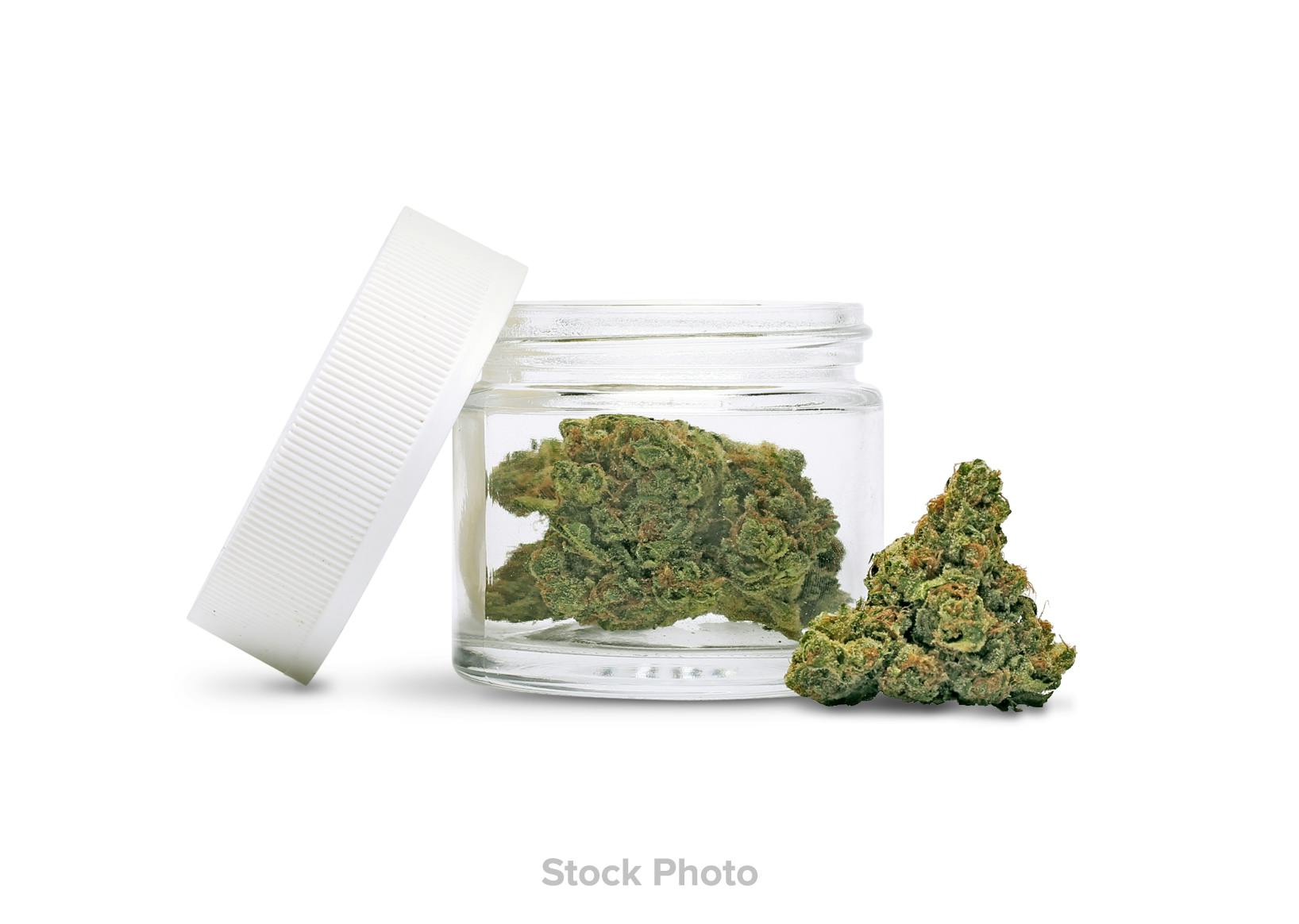
Jet Fuel produces buds that lean toward medium density — neither the rock-hard compression of a true OG phenotype nor the loose, airy structure of a pure Sativa. The calyxes stack in a slightly elongated, spade-like formation, and well-grown examples display a vivid medium-to-deep green base coloration with occasional pale sage variations depending on the finishing environment. Pistils tend toward a warm amber-orange, scattered generously across the surface and curling outward in the characteristic fashion of Diesel-influenced genetics. Trichome coverage is substantial on quality cuts, giving the dried flower a frosted, almost silvery visual quality under direct light. The resin glands are predominantly capitate-stalked and visible to the naked eye, which accounts for the strain's consistent aromatic intensity even in properly sealed storage. The overall visual impression is of a strain that carries its genetics honestly — rugged enough to signal potency, refined enough to reward inspection.
Growing notes
Jet Fuel performs reliably in both indoor and outdoor environments, though indoor cultivation allows growers to better manage the humidity levels that can challenge Diesel-family genetics. Flowering time indoors is typically eight to nine weeks, a relatively standard window that accommodates both soil and hydroponic setups. Indoor yields are considered moderate to above average for the hybrid category, rewarding growers who invest in canopy management techniques such as topping and low-stress training. Outdoor cultivation is feasible in temperate climates with long, warm autumns — Colorado's high-altitude environment, where the strain was developed, offers a useful reference point. Plants tend toward medium height with good lateral branching, making them manageable for cultivators working with limited vertical space. Difficulty is rated as moderate; the strain is not particularly beginner-friendly given its sensitivity to moisture fluctuation and its preference for precise nutrient delivery during the flowering phase. For the cultivator-curious dispensary shopper, Jet Fuel represents a rewarding project — one where attentive growing is clearly reflected in the quality of the finished flower.
When it's best enjoyed
Jet Fuel is best suited to the front half of a productive or social day — late morning through early afternoon, or the first hour of an evening when the intention is engagement rather than rest. Its energizing, thought-quickening character makes it a natural companion for creative work: the kind of open-ended project that benefits from fresh perspective rather than linear concentration. Writers, visual artists, and musicians who reach for cannabis as a creative catalyst will find the Diesel lineage accommodating and generative. For social occasions, it pairs well with small dinner gatherings where conversation is the main event — the mild body warmth keeps the mood comfortable while the cerebral lift encourages ease and wit. In terms of specific pairings, the fuel-and-citrus terpene profile finds a coherent culinary echo in dishes built around acid and umami: think ceviche, yuzu-dressed salads, or a well-aged hard cheese. Musically, the strain's tempo aligns with jazz fusion or post-punk records that reward active listening without demanding stillness — artists in the vein of Kamasi Washington or Television feel like natural accompaniments.
If you like Jet Fuel, also explore
Sour Diesel
As the foundational ancestor of Jet Fuel's High Country Diesel parent, Sour Diesel delivers the same fuel-forward aromatics and cerebral energy that define the Jet Fuel experience, making it the most direct reference point for fans of either strain.
OG Kush
Through the Aspen OG side of Jet Fuel's lineage, OG Kush contributes the earthy pine-resin character that anchors Jet Fuel's profile, and consumers who appreciate that grounding quality will recognize it immediately in both strains.
Chemdawg
Chemdawg shares the sharp, chemical-diesel terpene signature and hybrid-balanced effect arc that Jet Fuel consumers respond to, with a similarly assertive nose and a cerebral onset that transitions gradually into physical ease.
East Coast Sour Diesel
A close genetic neighbor within the Diesel family tree, East Coast Sour Diesel offers a comparable energizing, fuel-rich experience for consumers who want to explore the broader context of Jet Fuel's heritage.
Diesel OG
Diesel OG bridges the same two terpene worlds — sharp petrochemical fuel and earthy Kush resin — that Jet Fuel navigates, making it a logical next step for those building fluency with this particular flavor and effect category.
Common questions
Is Jet Fuel indica or sativa?+
Jet Fuel is classified as a hybrid, bred from Aspen OG and High Country Diesel by 303 Seeds. It leans toward the sativa side of the hybrid spectrum in terms of its primary effect profile — the onset is notably cerebral and energizing — though the OG Kush genetics in its lineage contribute a mild body component that prevents it from feeling purely stimulating. Most consumers and dispensary catalogs position it as a sativa-dominant hybrid.
What does Jet Fuel taste like?+
Jet Fuel tastes primarily of sharp, fuel-forward diesel with a spiced, peppery undertone contributed by caryophyllene. A secondary citrus brightness — attributable to limonene — lifts the finish, while pinene adds a faint forest-floor freshness. On exhale, the flavor is earthy and full-bodied, lingering with mild pepper and citrus notes. Vaporizing tends to highlight the brighter terpene qualities, while combustion emphasizes the deeper diesel and spice character.
What are the typical effects of Jet Fuel?+
The typical Jet Fuel experience opens with a prompt, clear-headed cerebral lift — a brightening of focus and ease of thought that arrives within five to ten minutes. A mild body warmth develops beneath this mental activity without displacing it. The experience is energizing and socially open, suited to creative work or conversation. Duration is generally two to three hours, with a gradual, contemplative comedown. Those with lower THC tolerance should approach carefully.
What strains are similar to Jet Fuel?+
Consumers who appreciate Jet Fuel tend to also connect with Sour Diesel, which shares its fuel-forward terpene profile and energizing cerebral character. OG Kush reflects the earthier, resinous side of Jet Fuel's lineage. Chemdawg offers a similarly assertive chemical-diesel nose with a balanced hybrid effect arc. East Coast Sour Diesel and Diesel OG round out the family of strains that occupy the same flavor and effect territory.
Is Jet Fuel good for beginners?+
Jet Fuel can be approachable for beginners who are prepared for its potency and its notably cerebral onset. The initial surge of mental energy can feel pronounced for those unaccustomed to high-THC Diesel-family cultivars. The standard guidance — start with a very small amount, wait a full fifteen minutes before reassessing, and choose a comfortable, familiar setting — applies here with particular emphasis. It is not among the gentlest introductions to hybrid cannabis.
What are the dominant terpenes in Jet Fuel?+
The dominant terpenes in Jet Fuel are terpinolene, caryophyllene, and myrcene. Terpinolene contributes the piney, lifted, slightly floral quality that underlies the diesel note. Caryophyllene adds spiced pepper and is the only terpene known to interact with CB2 receptors. Myrcene provides an earthy, herbal grounding. Secondary terpenes include pinene, which adds forest freshness, and limonene, which contributes a citrus brightness to the finish.
Why is Jet Fuel also called G6?+
The G6 designation circulates alongside Jet Fuel in many dispensary catalogs and collector communities, referencing the same 303 Seeds cross of Aspen OG and High Country Diesel. Whether G6 represents a distinct phenotypic selection or simply an alternative trade name is a point of mild debate; some sources suggest minor differences in structure and terpene expression between the two designations, while others treat them as fully interchangeable. The naming distinction is worth noting but rarely consequential for the consumer.
When is the best time of day to consume Jet Fuel?+
Given its energizing, cerebral character, Jet Fuel is most naturally suited to the first half of the day or the early portion of an evening — late morning, early afternoon, or the opening hour of a social occasion. Its effect profile does not lend itself easily to winding down before sleep. Consumers who prefer a more restful, body-forward experience in the evening hours may find Jet Fuel better reserved for daytime use.
Related strains