
Hybrid
All strains Runtz
26 live products in stock
Quick answer · What is the Runtz cannabis strain?
Runtz arrived on the California cannabis scene with the quiet confidence of a strain that needs no introduction. A cross of two celebrated parents, it delivers a creamy, candy-layered sweetness that belies its balanced, full-body character. The buds are almost theatrical in their coloration, and the experience — measured, enveloping, surprisingly durable — has earned Runtz a devoted following among discerning consumers who appreciate complexity without chaos.
Shop Runtz · 26 of 26 live products


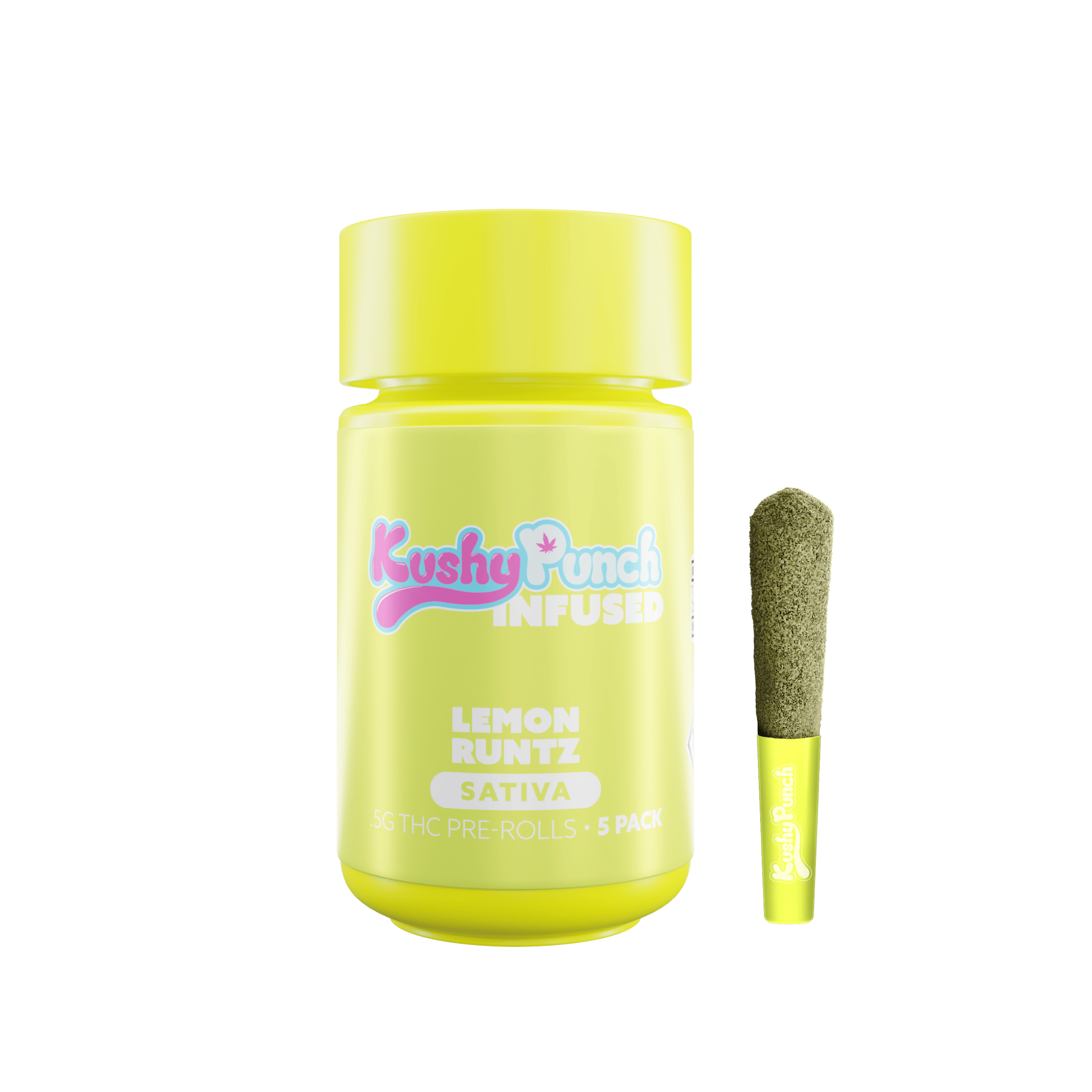



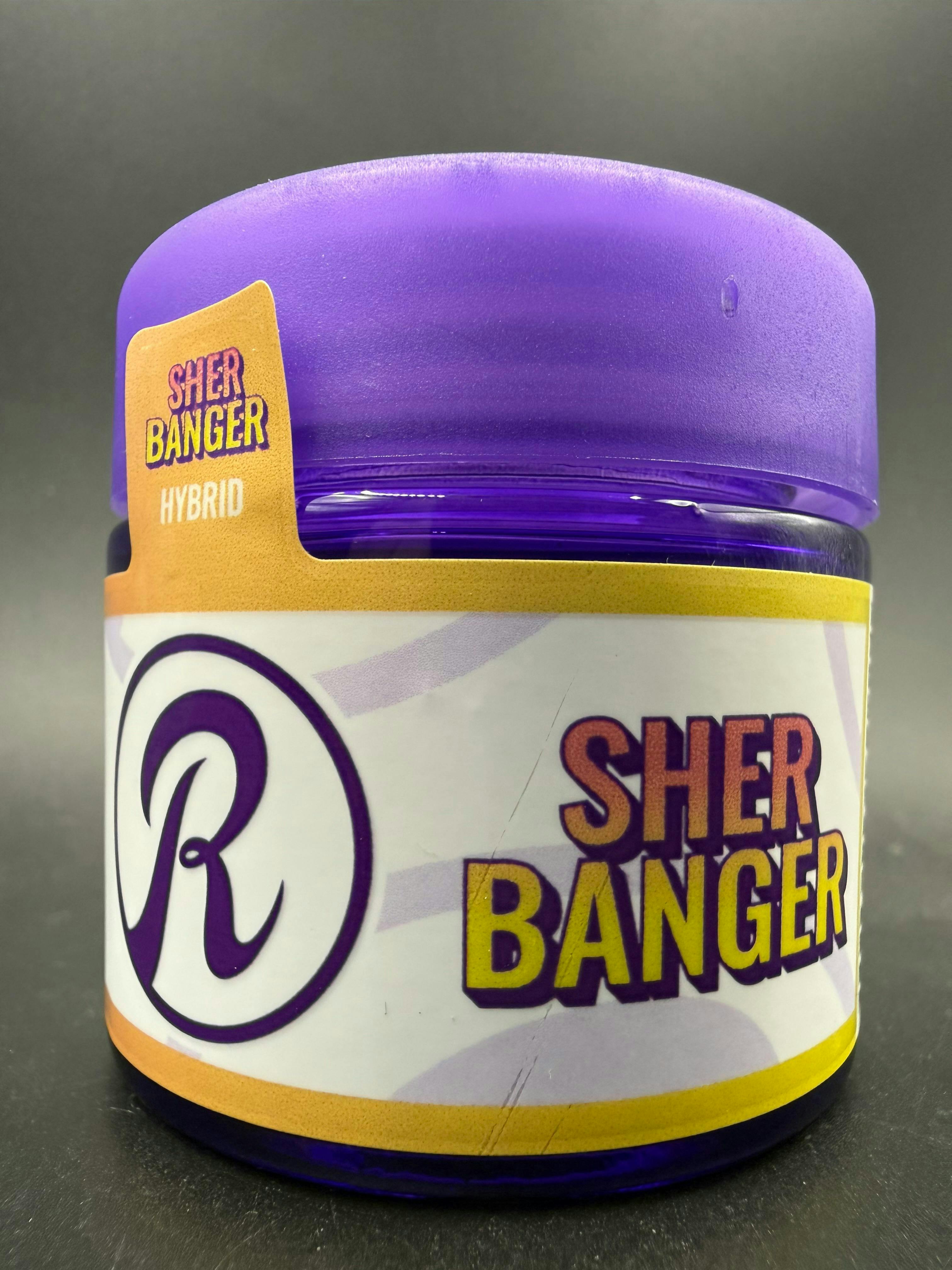


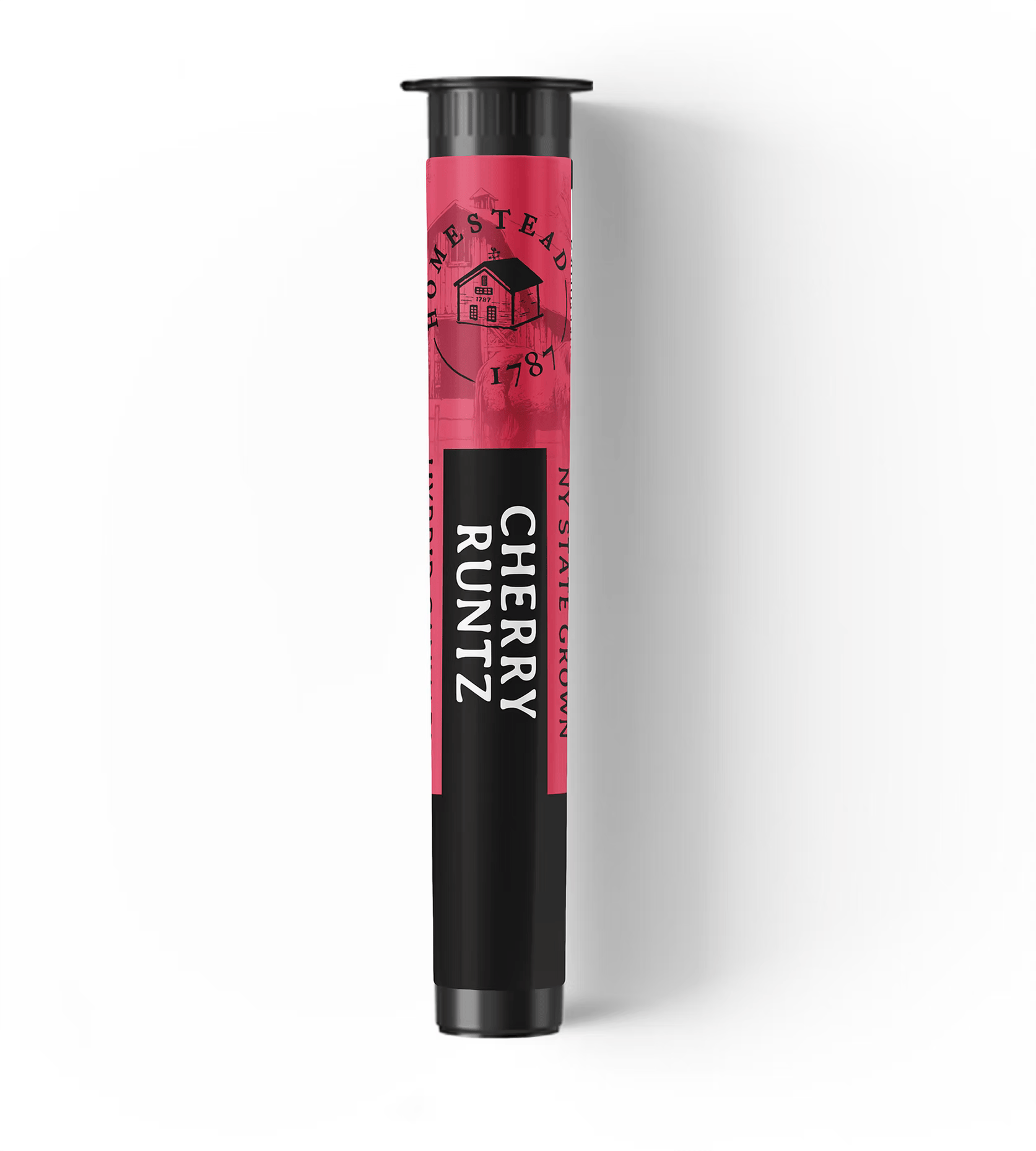
On sale· 25% OFF
THC 85.68%·CBD 0.49%Hybrid
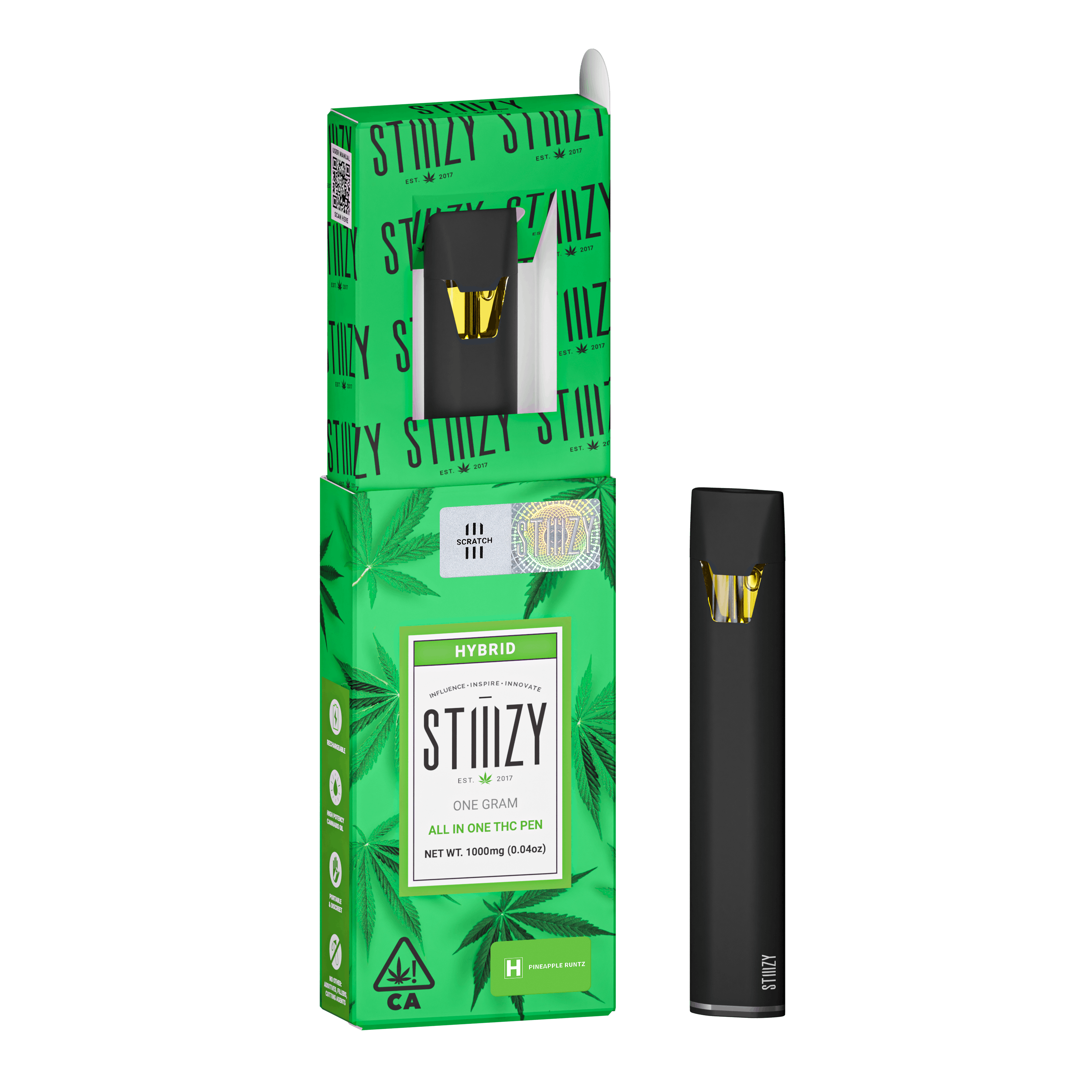
STIIIZYPineapple Runtz All-In-One THC Pen | 1g · 1g
$34.52$46.02
$41after tax
On sale· 25% OFF
THC 88.25%Hybrid
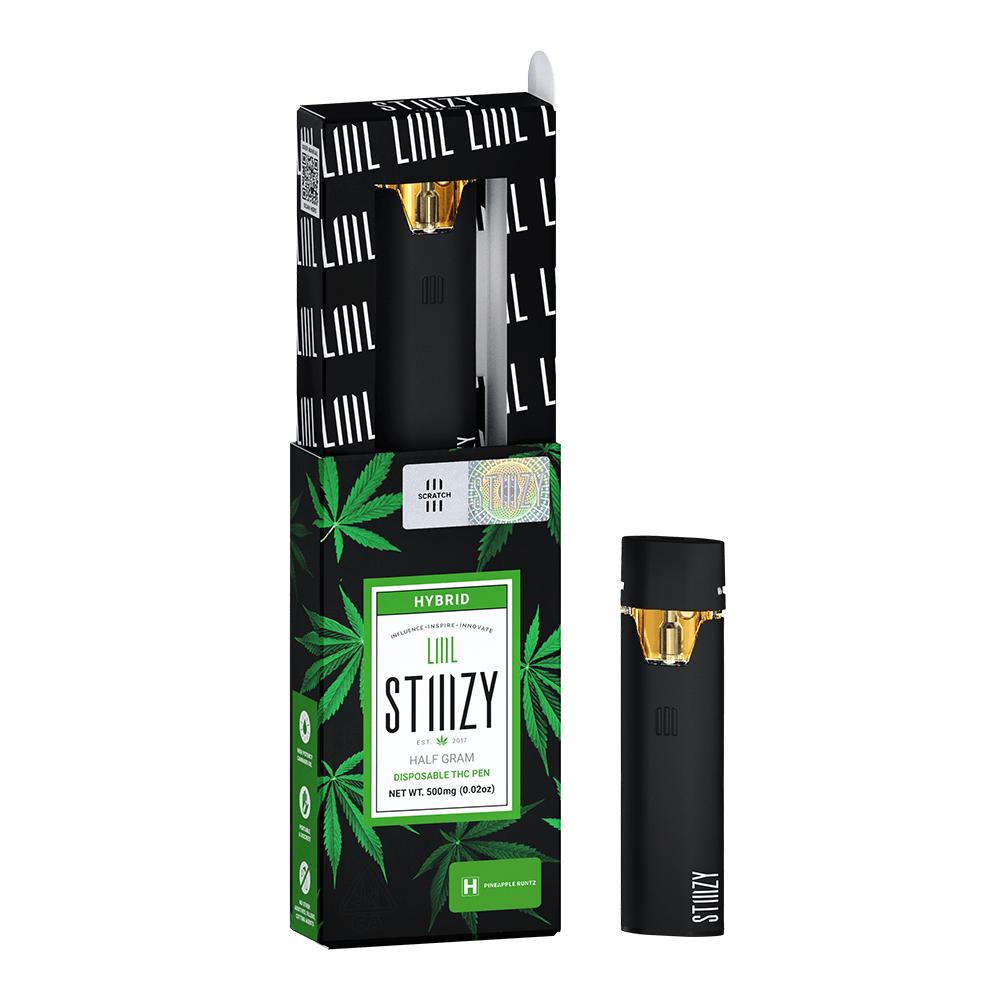
STIIIZYPineapple Runtz LIIIL Disposable THC Pen | 0.5g · .5g
$20.57$27.43
$24after tax

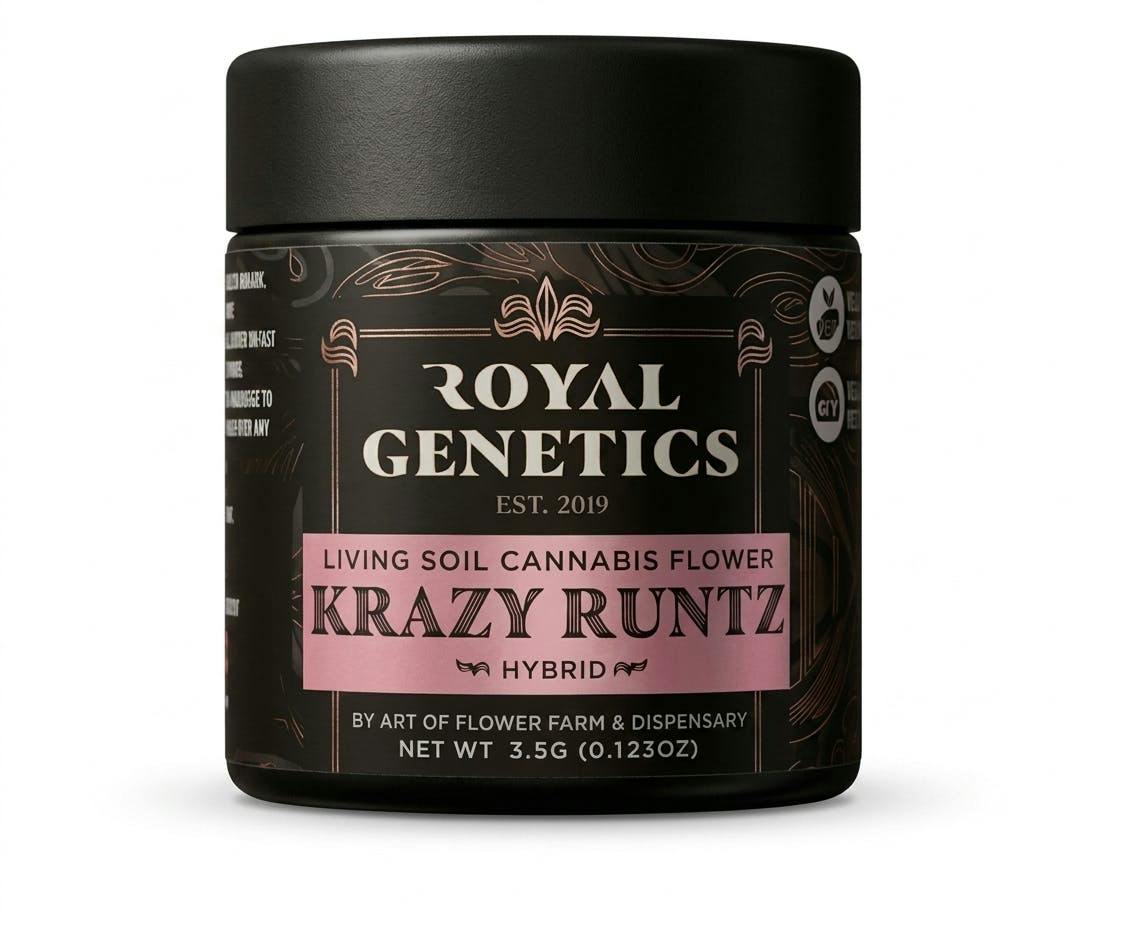
THC 70.31%·CBD 0.15%Hybrid
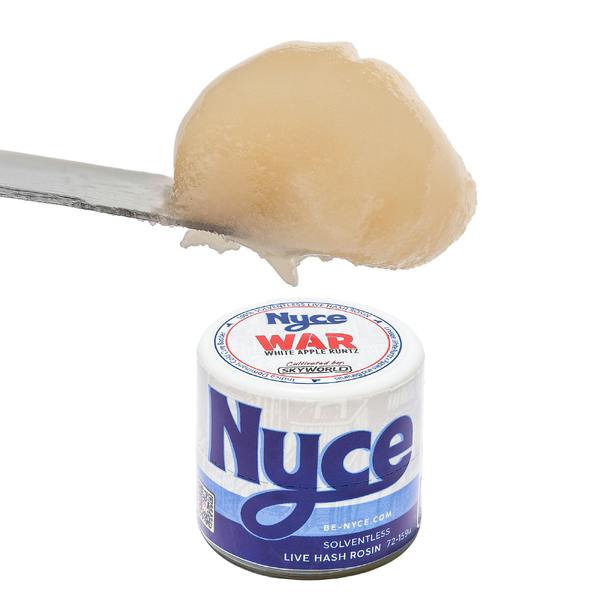
Florist FarmsFlorist Farms | White Runtz | Live Resin Vape · 1g
$60.00
$68after tax

THC 76.42%·CBD 2.98%Hybrid
New York HoneyNew York Honey AIO Pen - Banana Runtz · 2g
$68.14
$77after tax

On sale· 25% OFF
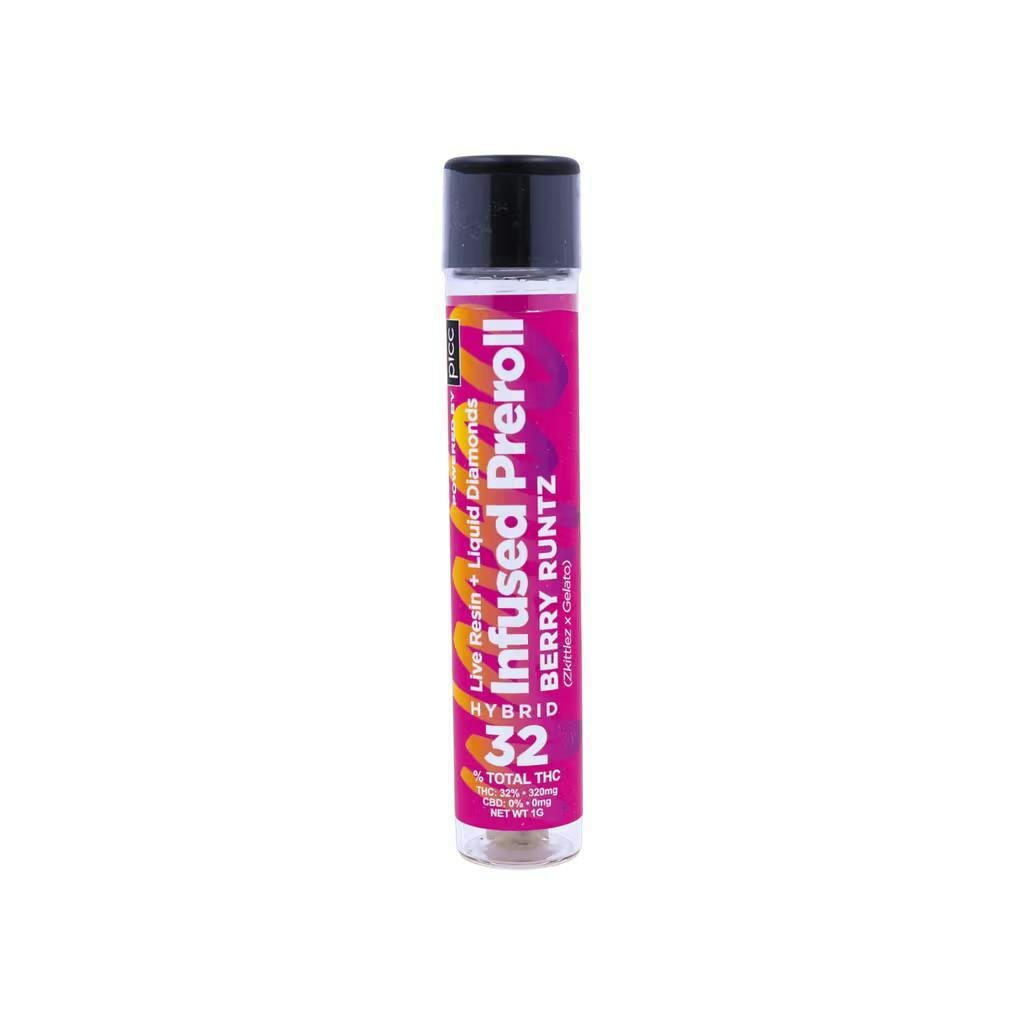
THC 32%Hybrid
WaaHooWaaHoo | Berry Runtz | Live Resin Infused Preroll · 1g
$15.26$20.35
$18after tax


About Runtz
Everything to know about Runtz.
Lineage & origin
Runtz is the offspring of Zkittlez and Gelato, two strains that themselves represent the pinnacle of West Coast breeding during the mid-2010s. Zkittlez — a cross of Grape Ape and Grapefruit with an undisclosed third parent, developed by the Terp Hogz collective and 3rd Gen Family — contributed the strain's signature fruit-forward aromatic profile and its relatively composed, indica-leaning body feel. Gelato, bred by the Cookie Fam Genetics collective in the San Francisco Bay Area around 2014 or 2015, brought richness, a dessert-like creaminess, and a robust terpene structure rooted in sweet florals and earthiness. Runtz was cultivated and popularized by the Los Angeles-based Cookies brand in collaboration with the rap duo Runtz (Yung LB and Pocket Lotti), which helped propel the strain into cultural prominence around 2017 and 2018. Cookies has not publicly detailed the precise selection process, but the result was formally named Runtz and became one of the most requested strains in California dispensaries by 2019. Leafly named it Strain of the Year for 2020. Several phenotypes and branded variants exist — White Runtz, Pink Runtz, and Black Runtz among them — though the genetic legitimacy of some of these derivatives is contested within the cannabis community. Original Runtz seeds and clones have been reproduced by multiple licensed cultivators, meaning quality and expression vary considerably by source.
Effects
The onset of Runtz tends to be gradual rather than abrupt, often arriving within five to ten minutes of inhalation as a gentle lift behind the eyes and a subtle brightening of mood. This cerebral opening is characteristic of its Gelato lineage — not a sharp, racy sativa surge, but something more considered and expansive, suited to conversation or focused creative thought without producing anxiety in most experienced consumers. As the experience deepens over the following twenty to forty minutes, the Zkittlez heritage asserts itself through the body. A measured physical relaxation spreads from the shoulders downward, softening tension without typically inducing sedation in moderate use. The dual-hemisphere character — cerebral lift coexisting with bodily ease — is what makes Runtz a widely appreciated hybrid for social settings as well as quieter solo moments. Duration tends to run on the longer side for a balanced hybrid, with many consumers reporting two to three hours of noticeable effect before a gentle, unhurried comedown. Myrcene's presence likely contributes to the body-softening component, while limonene supports the mood elevation and caryophyllene may temper any edge. Newer consumers should approach Runtz with patience; its potency tends to reveal itself incrementally, and its well-rounded profile can be disarming.
Aroma, flavor & terpenes
The aromatic identity of Runtz is defined primarily by limonene and myrcene, with caryophyllene providing a spiced backbone. On opening a well-cured jar, the first impression is of ripe tropical fruit — a blend of grape, mango, and citrus that mirrors the candy-like confection its name evokes. This top-note brightness gives way almost immediately to a deeper, creamier middle register inherited from Gelato, where vanilla and light floral undertones — attributed in part to linalool — round the profile into something resembling a high-end fruit sorbet. Terpinolene and ocimene appear in some phenotypic expressions, adding a faint herbal or slightly woody nuance that keeps the sweetness from becoming one-dimensional. Humulene, present at lower concentrations, contributes an earthy, subtly hoppy underpinning that grounds the overall bouquet. On the palate — whether smoked or vaporized — Runtz delivers with notable fidelity to its aroma. The inhale is smooth and fruit-forward, carrying that candy-sweetness without harshness. The exhale tends to be where the creamy, dessert character emerges most clearly, leaving a lingering sweetness on the back of the palate. Vaporization at mid-range temperatures tends to preserve the citrus and floral notes most faithfully, while combustion brings the earthier, spiced qualities of caryophyllene and humulene into greater relief.
Appearance
Runtz is among the more visually distinctive strains in the contemporary market, and well-grown examples justify the attention. The buds are typically dense and compact, with a rounded, almost nugget-like structure that speaks to its indica-leaning architecture. The color palette is one of its most celebrated attributes: deep forest greens intermingled with lavender and sometimes purple hues — the latter developing more fully in phenotypes exposed to cooler temperatures during the final weeks of flowering. Trichome coverage is generous and consistent across the surface, giving well-cured buds a frosted, almost powdery appearance that reflects light evenly. Pistils range from amber to deep orange, threading through the calyx structure in fine, curling strands. The calyxes themselves are plump and tightly packed, contributing to the strain's satisfying density when broken apart by hand. The overall impression is of something carefully grown and thoughtfully harvested — a bud that rewards examination.
Growing notes
Runtz is considered a moderately challenging cultivar, generally better suited to intermediate growers than to those in their first season. It thrives in controlled indoor environments where temperature, humidity, and light spectrum can be dialed in during the critical late-flowering window — cooler nighttime temperatures during the final two weeks of flowering are typically credited with encouraging the purple and lavender pigmentation the strain is known for. Flowering time indoors runs approximately eight to nine weeks, which is consistent with its hybrid parentage. Outdoor cultivation is viable in warm, Mediterranean-style climates with a long, dry autumn, and outdoor plants are typically ready for harvest in early to mid-October in the Northern Hemisphere. Indoor yields are generally moderate rather than prolific, reflecting the strain's prioritization of terpene complexity and bud density over raw volume. Training techniques such as low-stress training or light defoliation can improve canopy light penetration and improve overall output. The strain's reputation for potent aromatic expression means adequate ventilation and odor management are practical considerations for indoor grows.
When it's best enjoyed
Runtz occupies a versatile space in the spectrum of consumption occasions, equally at home in an intimate social gathering and a solitary creative afternoon. Its balanced arc — cerebral elevation followed by measured physical ease — makes it well-suited to the hours between early and late evening, when the day's obligations have receded but the night has not yet called for full surrender. For the creatively inclined, a session with Runtz pairs naturally with work that benefits from loosened associative thinking: writing, visual art, or music listening where new connections feel welcome. The limonene-forward brightness tends to sustain engagement without the scattered quality that higher-terpinolene strains can produce. At the table, Runtz's tropical-fruit and creamy terpene profile finds a natural counterpart in dishes that share its sweetness and depth — think a composed cheese plate featuring aged Gouda or a ripe camembert alongside fresh stone fruit, or a lightly spiced Thai or Vietnamese meal where lemongrass and lime echo the strain's citrus notes. Musically, the experience lends itself to something with texture and warmth: soul, neo-R&B, or the kind of jazz that rewards close listening without demanding it.
If you like Runtz, also explore
Gelato
As one of Runtz's parent strains, Gelato shares the creamy, dessert-forward terpene profile and balanced hybrid arc that Runtz fans find most appealing.
Zkittlez
The other half of Runtz's lineage, Zkittlez offers a similarly fruit-saturated aromatic experience with a more indica-leaning, body-relaxing character.
Wedding Cake
Bred from Triangle Kush and Animal Mints, Wedding Cake shares Runtz's rich, dessert-cookie sweetness and its full-bodied, mood-elevating hybrid effect.
Candy Rain
A cross of London Pound Cake and Gelato, Candy Rain delivers a comparable depth of candy-sweet, fruity flavors with a similarly smooth, enveloping hybrid experience.
Sunset Sherbet
A direct Gelato relative via Girl Scout Cookies genetics, Sunset Sherbet offers the same creamy, fruity sweetness and social, mood-lifting body feel that draws consumers to Runtz.
Common questions
Is Runtz indica or sativa?+
Runtz is a balanced hybrid, the product of Zkittlez and Gelato — both of which carry significant indica heritage. In practice, it delivers a hybrid experience: an initial cerebral lift associated with its sativa-leaning onset, followed by a gradual, body-softening relaxation that reflects its indica roots. Neither effect dominates decisively, which is central to the strain's broad appeal across different consumption contexts.
What does Runtz taste like?+
Runtz tastes like its name suggests — a candy-like blend of tropical fruit, grape, and citrus on the inhale, transitioning to a smooth, creamy, dessert-like quality on the exhale. The flavor is largely driven by limonene and myrcene, with linalool contributing soft floral undertones and caryophyllene adding a faint spice on the finish. The overall palate impression is sweet and layered, without tipping into cloying territory.
What are the typical effects of Runtz?+
Runtz typically produces a gradual cerebral elevation — a brightening of mood and a loosening of mental rigidity — followed by a measured, full-body relaxation that does not usually trend toward sedation at moderate consumption levels. The experience is balanced and durable, often lasting two to three hours. Its profile suits both social and solo contexts. Newer consumers should approach slowly, as its potency can reveal itself incrementally.
What strains are similar to Runtz?+
Consumers who appreciate Runtz are often drawn to Gelato and Zkittlez, its parent strains, as well as Wedding Cake and Sunset Sherbet — all of which share the dessert-sweet, terpene-rich, balanced-hybrid character that defines Runtz. Candy Rain is another cultivar with comparable aromatic depth and a similarly smooth effect arc.
Is Runtz good for beginners?+
Runtz can be suitable for newer cannabis consumers, but a measured approach is advisable. Its balanced profile is not inherently overwhelming, but its potency tends to build gradually, which can lead inexperienced consumers to overconsume before the full effect is felt. The standard guidance applies: start with a small amount, allow sufficient time to assess the experience, and increase incrementally across separate sessions if desired.
What are the dominant terpenes in Runtz?+
The dominant terpenes in Runtz are typically limonene, myrcene, and caryophyllene. Limonene contributes the bright, citrus-forward top notes and is associated with mood elevation. Myrcene provides an earthy, tropical depth and may support the body-relaxing qualities of the experience. Caryophyllene adds a subtle spice and is notable as the only common cannabis terpene that also acts as a dietary cannabinoid.
Are White Runtz and Pink Runtz the same as original Runtz?+
White Runtz and Pink Runtz are distinct phenotypes or variants associated with the Runtz name, but their genetic legitimacy varies by source and has been a point of debate in the cannabis community. White Runtz is generally described as a lighter, more trichome-dense phenotype of the original cross. Pink Runtz's lineage is less consistently documented. Consumers seeking verified genetics should confirm sourcing with their dispensary.
When was Runtz created?+
Runtz rose to prominence around 2017 and 2018, cultivated and popularized by the Cookies brand in collaboration with Los Angeles-based artists. Its cultural visibility grew rapidly through 2019 and 2020, culminating in Leafly naming it Strain of the Year in 2020. The precise year of initial cultivation has not been officially documented by Cookies, but the mid-to-late 2010s California scene is the broadly accepted origin context.
Related strains