On sale· 20% OFF
THC 32.67%Sativa
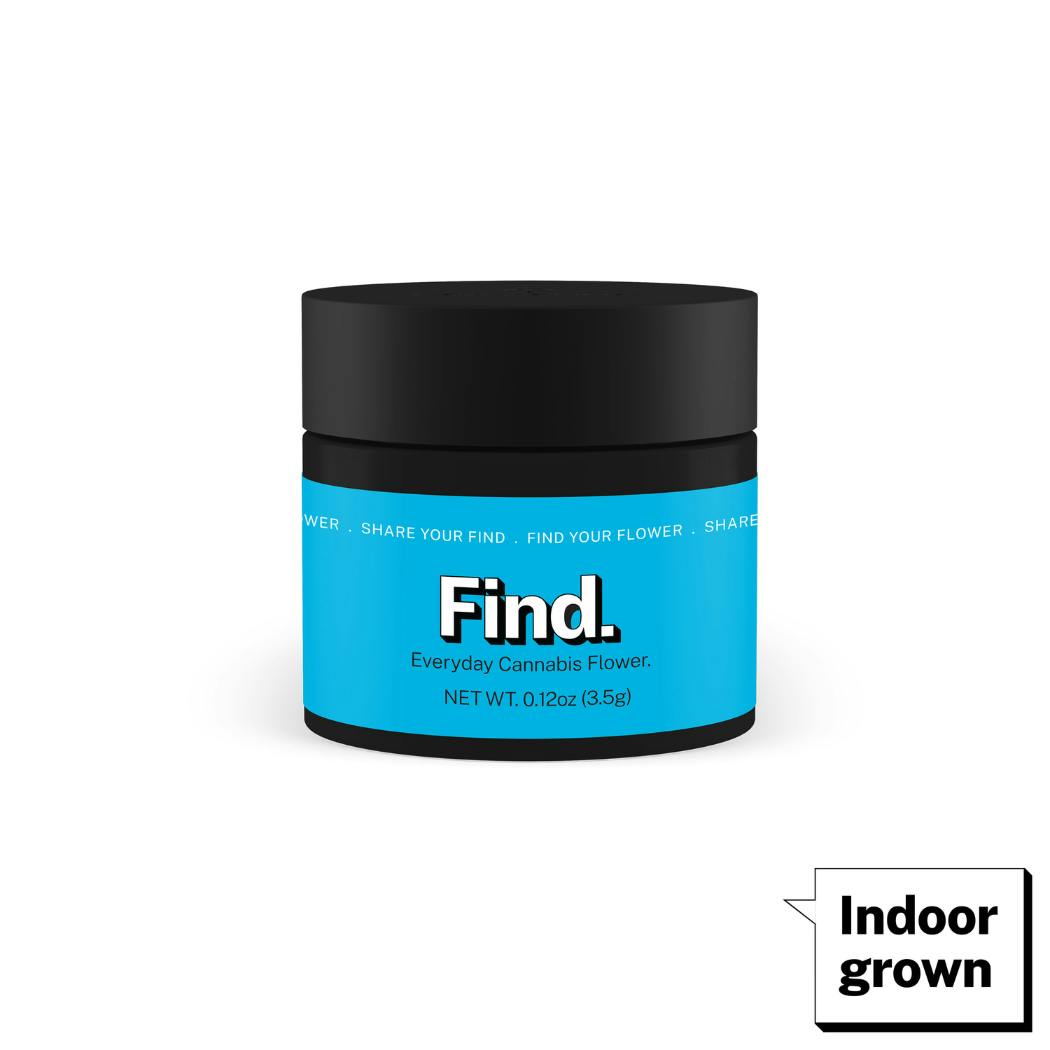
Find.Thai Sunrise - Prepack Whole Flower 3.5g · 3.5g
$28.32$35.40
$33after tax

weeddispensarynearme.com
You must be 21 years or older to enter. By entering, you confirm you’re of legal age in your state to purchase cannabis.
For use only by adults 21+ • Keep out of reach of children
1 live products in stock
Quick answer · What is the Thai Sunrise cannabis strain?
Thai Sunrise arrives like the first light over the Gulf of Thailand — vivid, clarifying, and unhurried in its warmth. A sativa of notably equatorial character, it carries the bright citrus and herbal complexity of its Southeast Asian heritage into each session. For those who seek a cannabis experience that elevates thought without anchoring the body, Thai Sunrise offers a window into the original landrace tradition, refined for the modern palate.
$33after tax
About Thai Sunrise
Thai Sunrise draws its foundational genetics from Thai landrace cannabis — specifically the long-flowering, narrow-leafed varieties that have grown across Thailand's highlands and coastal regions for centuries. Thai landraces are among the most historically significant cannabis genetics in the world, forming part of the backbone of countless hybrid cultivars developed throughout the 1970s and 1980s, including Haze and several of its derivatives. The 'Sunrise' designation typically points to a selective breeding program designed to shorten the notoriously long flowering window of pure Thai genetics while preserving the cerebral sativa character that made those landraces so prized. The precise breeder origin of Thai Sunrise as a named cultivar is not uniformly documented across public cannabis registries, and lineage details vary depending on the seed bank or producer offering it. Some sources suggest crosses with Haze or other equatorial sativa lines to stabilize growth and enhance terpene output, though the breeder has not always publicly named the secondary parent. This ambiguity is common among landrace-adjacent strains that emerged from the craft breeding scene of the late 1990s and early 2000s. Genetic siblings or near-analogues in the Thai sativa family include Chocolope (Thai x Cannalope Haze), Voodoo (a Thai-derived strain popularized by Dutch Passion), and the broader family of Haze descendants. Thai Sunrise occupies a niche for those seeking something closer to the source — less hybridized, more expressive of the original equatorial profile.
Thai Sunrise tends to announce itself with a relatively swift cerebral onset, typically within five to ten minutes of inhalation. The initial wave is characterized by heightened sensory clarity — colors may appear more saturated, sounds more textured, and conversation more fluid. This early phase leans decisively into the cognitive rather than the physical, a hallmark of its sativa-dominant, equatorial genetics. Myrcene at lower concentrations, combined with the energizing influence of terpinolene and limonene, contributes to an alert, focused quality that distinguishes it from heavier hybrid varieties. The peak experience sustains that cerebral elevation while gradually introducing a mild, even warmth in the body — not sedation, but a comfortable ease that prevents the sometimes anxious edge associated with high-stimulation sativas. Duration at peak tends to run between one and two hours for most experienced consumers, with the comedown gentle and gradual rather than abrupt. There is rarely a pronounced couch-lock phase; instead, Thai Sunrise tapers into a calm, grounded state that leaves the mind relatively clear. New or infrequent consumers should approach with intention, as the pronounced sativa character can amplify thought patterns — both productive and circular — depending on set and setting. The general guidance of starting with a modest amount and allowing adequate time before reassessing remains especially relevant here. Those sensitive to THC-driven stimulation may find the experience more activating than anticipated.
The aromatic profile of Thai Sunrise is one of its most compelling attributes, reflecting the terpene-rich heritage of its Southeast Asian parentage. Terpinolene is typically the dominant terpene, lending a complex, layered quality that reads simultaneously as floral, herbaceous, and faintly piney — an unusual combination that sets Thai-origin strains apart from the more one-dimensional fruit-forward profiles of many modern hybrids. Limonene contributes a bright, zesty citrus lift in the upper register, evoking lemongrass and kaffir lime leaf rather than the blunt lemon of some Western hybrids. Ocimene appears as a notable secondary terpene in many Thai Sunrise phenotypes, adding a sweet, tropical, almost mango-adjacent dimension that deepens the aromatic complexity. Myrcene is present but restrained, providing a subtle earthy base without pulling the profile toward the musky heaviness associated with indica-leaning varieties. Pinene contributes a clean, resinous freshness that sharpens the overall bouquet, recalling open pine forests or fresh herb bundles at a morning market. On the palate — whether smoked in a glass piece or experienced through a dry-herb vaporizer — Thai Sunrise delivers a smooth, somewhat thin smoke with a sweet-herbal entry and a clean, citrus-tinged finish. The aftertaste is lingering and pleasant, with a green-tea-like herbaceousness that evolves on the exhale. Vaporizing at moderate temperatures tends to accentuate the terpinolene and ocimene notes, making it a particularly rewarding strain for those who prefer a more nuanced, aromatic session.
Thai Sunrise presents the distinctive morphology of its sativa and landrace heritage with little ambiguity. The buds tend toward an elongated, loosely structured formation — sometimes described as foxtailed — rather than the dense, compact architecture favored in indica-dominant or heavily hybridized cultivars. This airy structure is a natural consequence of the plant's equatorial origins, where open bud formation facilitates airflow and reduces moisture retention in humid climates. The color palette skews toward vivid, almost lime-bright greens, occasionally accented with pale golden undertones as the flower cures. Pistils are typically a warm amber-to-rust orange, threading visibly through the open calyx structure. Trichome coverage is present and resinous — a fine, crystalline dusting rather than the thick, chunky trichome heads seen on some modern resin-forward varieties — yet still sufficient to lend a gentle luminescence to the surface of a well-grown specimen. The overall visual impression is elegant and naturalistic rather than engineered.
Cultivating Thai Sunrise rewards patience and an understanding of its landrace-adjacent temperament. Like most sativa-dominant strains with Thai genetics, it prefers a warm, humid environment that loosely mirrors the tropical conditions of its origin — consistent temperatures, good airflow, and ample vertical space, as the plant can stretch considerably during the flowering transition. Indoors, growers typically work with training techniques such as low-stress training or screen of green to manage height and encourage lateral branching. Flowering time indoors generally falls in the range of ten to twelve weeks — longer than most commercial hybrids — reflecting its heritage. Yields indoors are moderate, rewarding growers who invest in environmental dialing rather than aggressive feeding. Outdoors, Thai Sunrise performs well in Mediterranean or subtropical climates and can be harvested in the Northern Hemisphere from late October through November, with outdoor plants capable of producing generous volume when given room to develop. Its difficulty level is best suited to intermediate or experienced cultivators; the longer flowering window and specific environmental preferences can challenge those new to the craft.
Thai Sunrise is, at its core, a daytime cultivar — best appreciated when there are hours of productive or exploratory engagement ahead rather than an imminent need for rest. It suits the solitary creative session with particular elegance: a morning or early afternoon spent writing, sketching, or navigating a complex design problem benefits from the strain's capacity to sharpen associative thinking without dimming perceptual detail. The cerebral clarity and gentle mood elevation also make it a thoughtful choice for a low-key social gathering among people who appreciate conversation that moves with genuine curiosity. For food pairings, the citrus and herbal terpene profile finds a natural complement in Southeast Asian cuisine — a fragrant Thai green papaya salad, a bowl of lemongrass-forward broth, or fresh spring rolls with a lime-herb dipping sauce all echo the strain's botanical character in a way that feels considered rather than coincidental. Musically, Thai Sunrise aligns well with something that rewards attentive listening: minimalist electronic compositions, jazz that values space and restraint, or traditional gamelan and ambient world recordings that share the strain's sense of unhurried, exploratory motion.
Chocolope
A Thai x Cannalope Haze cross, Chocolope shares Thai Sunrise's sativa-driven cerebral lift and equatorial terpene heritage, with an added sweet, chocolate-coffee dimension that fans of Thai Sunrise's complexity will find equally engaging.
Haze
As one of the foundational sativa hybrids built partly on Thai genetics, classic Haze offers a similar long-duration cerebral experience and resinous herbal aroma that will feel familiar to Thai Sunrise enthusiasts.
Voodoo
Dutch Passion's Voodoo is one of the more direct expressions of Thai landrace genetics available from a formal seed bank, making it a natural reference point for those drawn to Thai Sunrise's equatorial character and energetic profile.
Jack Herer
Jack Herer's Haze-forward sativa energy and pine-citrus terpene profile share enough common ground with Thai Sunrise to satisfy the same desire for a clear-headed, uplifting daytime experience.
Durban Poison
Another celebrated landrace-adjacent sativa, Durban Poison delivers a similarly energizing, terpinolene-rich profile that appeals to the same consumer who gravitates toward Thai Sunrise's clean, functional sativa character.
Thai Sunrise is a sativa-dominant cultivar rooted in Thai landrace genetics, which are among the purest equatorial sativa lines in cannabis history. The experience reflects that classification clearly: it leans toward cerebral stimulation, sensory clarity, and an energizing mood elevation rather than the physical heaviness associated with indica-dominant varieties. It is well suited for daytime use by those comfortable with an active, thought-forward experience.
Thai Sunrise presents a nuanced palate defined by sweet citrus — closer to lemongrass or kaffir lime than simple lemon — layered with a clean, herbaceous quality and faint tropical sweetness. On exhale, a green-tea-like finish lingers pleasantly. The smoke is relatively smooth and thin, and the aromatic complexity is particularly expressive when experienced through a dry-herb vaporizer at moderate temperature settings.
Thai Sunrise typically produces a swift cerebral onset marked by heightened focus, elevated mood, and enhanced sensory awareness. The peak is mentally engaging and socially fluid, supported by a gentle body ease that prevents overstimulation without inducing sedation. The experience generally sustains for one to two hours before a gradual, clear-headed comedown. Those new to sativa-dominant strains should begin with a modest amount given the pronounced cognitive stimulation.
Consumers who appreciate Thai Sunrise often gravitate toward other sativa or landrace-adjacent cultivars with equatorial terpene profiles. Chocolope, Haze, Voodoo, Jack Herer, and Durban Poison share meaningful common ground — whether through direct genetic overlap with Thai landraces or through a similarly energizing, cerebral, and aromatically complex character that defines the broader Thai sativa family.
Thai Sunrise can be enjoyed by beginners who approach it thoughtfully, though its pronounced sativa character warrants some care. The energizing cerebral effects can amplify existing thought patterns and may feel intense for those unaccustomed to high-stimulation cultivars. A conservative 'start low, go slow' approach — in a comfortable, familiar setting — is advisable. Experienced consumers who enjoy daytime sativas will likely find the experience well within their range.
Terpinolene is typically the dominant terpene in Thai Sunrise, contributing a complex floral, herbal, and faintly piney aromatic character. Limonene adds bright citrus lift, while ocimene introduces a sweet, tropical softness. Myrcene appears in a restrained supporting role, providing gentle earthiness without heaviness. Pinene rounds out the profile with clean, resinous freshness. Together, these terpenes define the strain's signature Southeast Asian botanical character.
Thai Sunrise has a longer flowering window than most commercial hybrids, typically ranging from ten to twelve weeks when grown indoors — a direct inheritance from its Thai landrace genetics. Outdoor growers in suitable climates can expect harvest in late October to November in the Northern Hemisphere. This extended timeline is part of what makes the cultivar better suited to intermediate or experienced growers who can manage the patience and environmental consistency it requires.
Thai Sunrise is best suited for morning or early afternoon consumption, when its energizing, thought-forward qualities can be channeled into purposeful activity rather than working against the body's need for rest. It pairs well with creative work, unhurried social engagement, or outdoor activity in temperate conditions. Evening use is possible for experienced sativa consumers, though those sensitive to stimulation may find it interferes with winding down for the night.
Related strains
Pick your store
We'll show pricing, deals, and delivery zones for the store you pick. You can switch any time from the header.