On sale· 25% OFF
THC 81.88%·CBD 0.85%Sativa
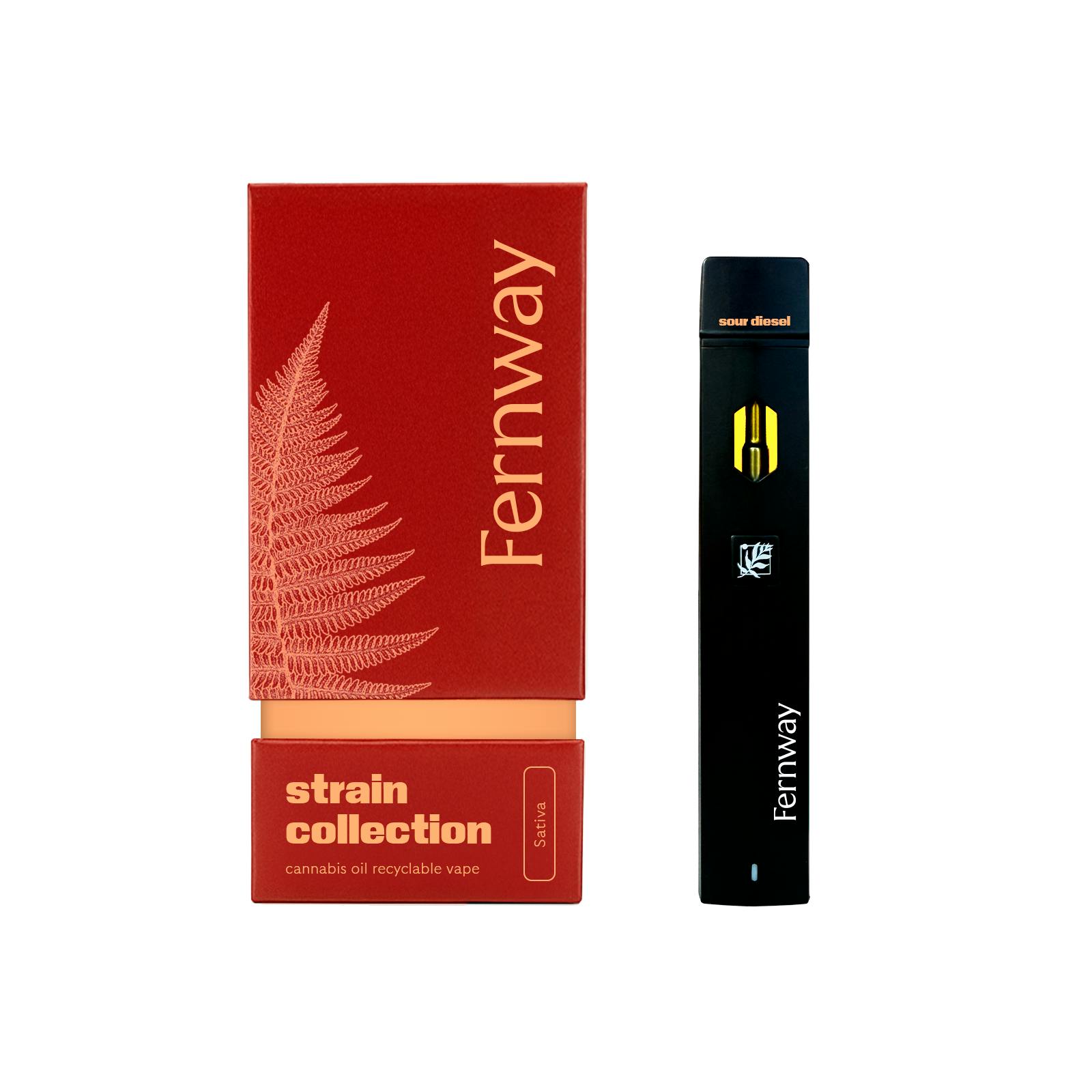
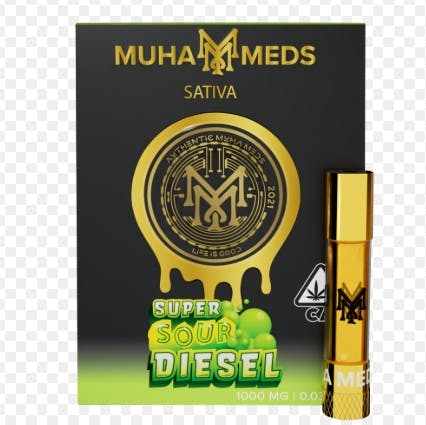
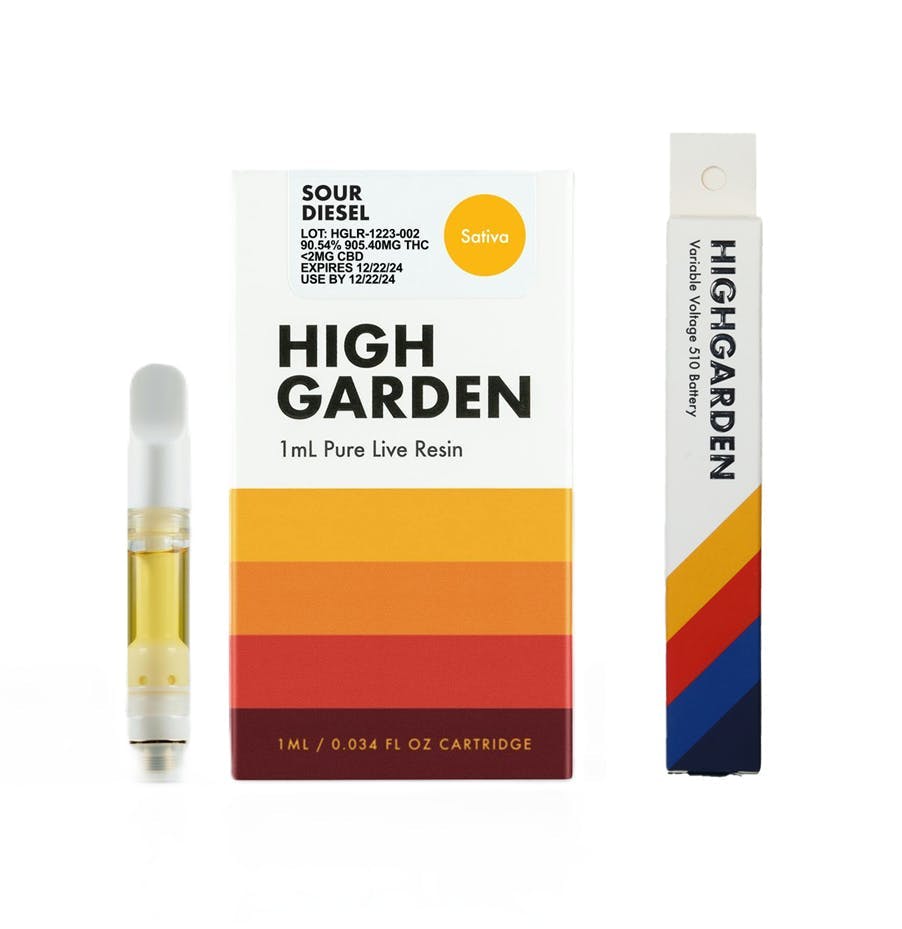
FernwayFernway | Sour Diesel | Disposable Vape · 1g
$37.17$49.56
$44after tax

weeddispensarynearme.com
You must be 21 years or older to enter. By entering, you confirm you’re of legal age in your state to purchase cannabis.
For use only by adults 21+ • Keep out of reach of children
34 live products in stock
Quick answer · What is the Sour Diesel cannabis strain?
Sour Diesel arrives like a sharp exhale of coastal air — acrid, alive, and unmistakably itself. Few strains have shaped American cannabis culture as durably as this New York-born sativa, whose fuel-laced aroma and long-running cerebral clarity have earned it a permanent place in the canon. It is a strain that rewards attention: complex on the nose, invigorating in effect, and precise enough in character to feel intentional rather than accidental.
$44after tax
$28after tax
$35after tax
$20after tax
$14after tax
$24after tax
$15after tax
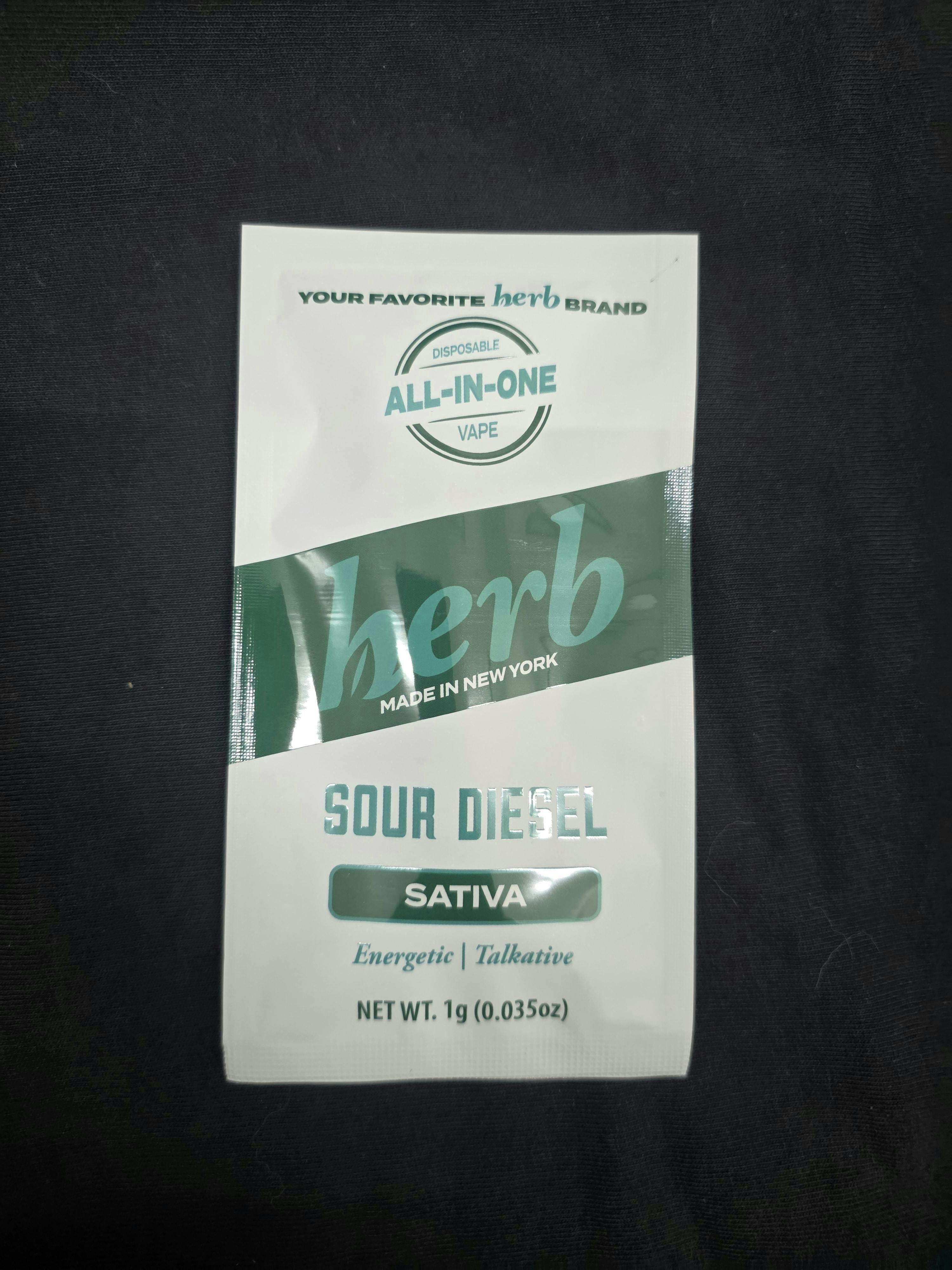
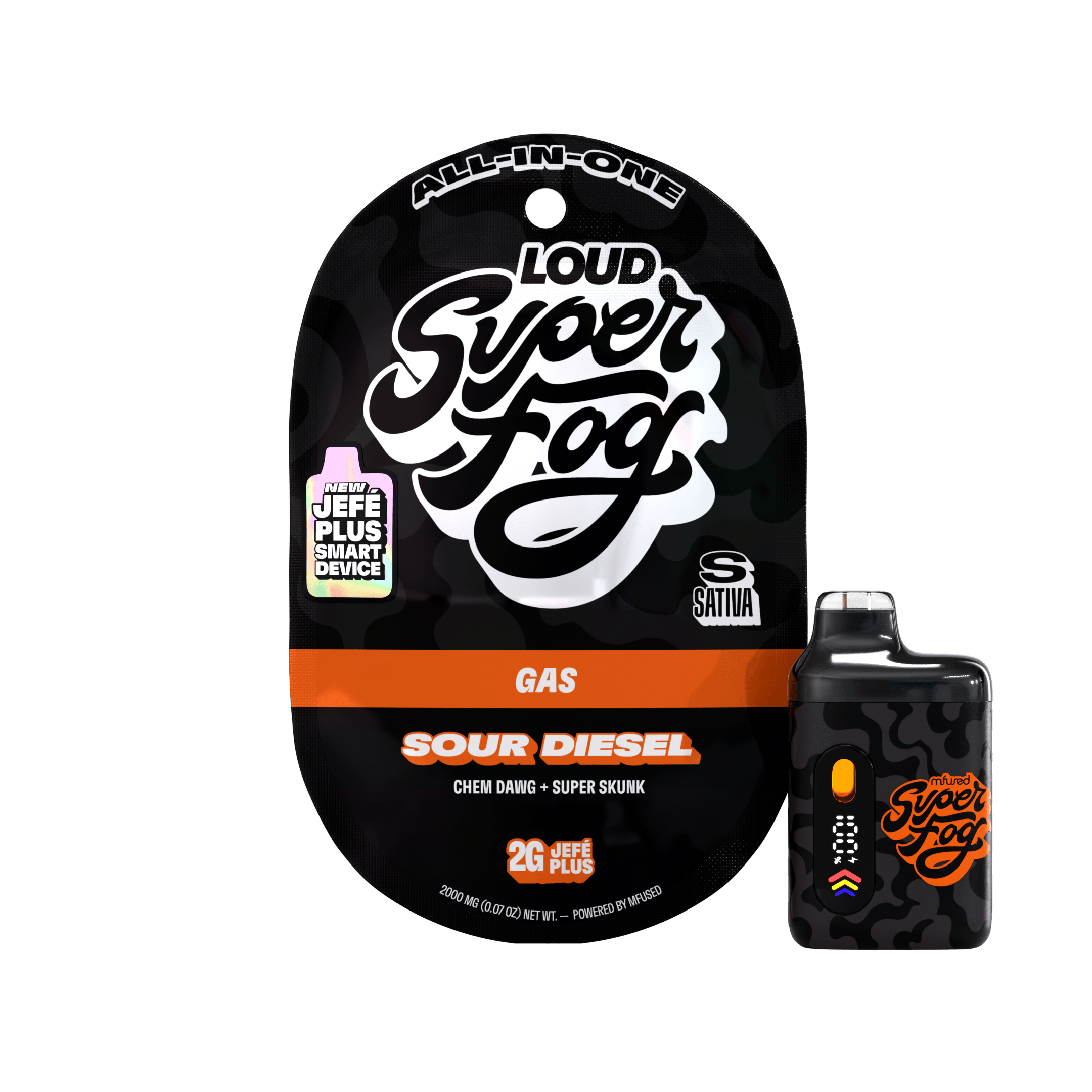
$80after tax
$34after tax
$70after tax
$43after tax
$24after tax

$83after tax
$37after tax
$56after tax
$45after tax
$45after tax
$57after tax
$22after tax


About Sour Diesel
Sour Diesel's exact parentage remains one of cannabis culture's most debated questions. The most widely cited account, supported by sources including Leafly and various cultivator histories, traces its origin to the early 1990s New York underground scene — most likely emerging somewhere between 1990 and 1993. The strain is broadly attributed to a cultivator known as AJ (Asshole Joe), though several competing origin stories exist and no single breeder has been formally verified. The two most commonly named parents are Chemdawg 91 and Super Skunk, with some accounts introducing a Northern Lights phenotype or a mystery Massachusetts Super Skunk cut into the equation. Chemdawg 91 itself is a legendary and poorly documented strain believed to have originated at a Grateful Dead concert, further deepening the genetic mystery. What is not disputed is the strain's influence: Sour Diesel became one of the defining cultivars of East Coast cannabis, spreading from New York City outward through the 1990s and 2000s via word of mouth and underground networks. Its genetic offspring and related phenotypes are numerous — East Coast Sour Diesel (ECSD) is often cited as a distinct but closely related cut, and breeders have since used Sour Diesel to produce influential children including NYC Diesel and Sour Tsunami. The strain helped establish a flavor and effect archetype that entire seed lines have since been built to emulate.
Sour Diesel is a sativa-dominant cultivar, and its effects reflect that orientation with considerable consistency. Onset typically arrives within minutes of inhalation — a trait tied in part to its terpene-driven vapor character — and the initial sensation is predominantly cerebral: a brightening of mental focus, a loosening of conversational inhibition, and what many consumers describe as a shift in perspective rather than a shift in consciousness. The high does not tend toward sedation or body weight; instead, it sits behind the eyes and at the front of the mind, encouraging engagement with whatever task or conversation is at hand. The dominant terpene myrcene contributes a mild physical ease that prevents the experience from feeling wired or anxious, while limonene is thought to support the elevated, social mood many consumers report. Peak character, typically reached within fifteen to thirty minutes, tends to be energetic without being racing — functional, in the parlance of experienced consumers. Duration runs toward the longer end for a sativa, with two to three hours being a commonly reported window before a gradual, unhurried return to baseline. The comedown is generally described as gentle rather than abrupt, leaving a residual calm rather than fatigue. New consumers should approach with the standard adult-use guidance: start low and allow adequate time between sessions to gauge individual response.
The aromatic signature of Sour Diesel is one of the most recognizable in cannabis — a dense, petroleum-forward opening note that softens, on closer inspection, into layers of citrus peel, damp earth, and faint herbal sweetness. The dominant terpene is myrcene, which contributes the slightly musky, earthy base that grounds the sharper top notes. Limonene arrives immediately above that base: bright, citrus-forward, and responsible for the pronounced lemon-fuel character that most consumers associate with the strain at first encounter. Caryophyllene, a spicy, peppery sesquiterpene, adds a subtle bite that keeps the citrus from reading as sweet — it is what gives Sour Diesel its edge and prevents the profile from drifting into more approachable, candy-adjacent territory. Secondary contributions from pinene introduce a faint pine resin note that reinforces the fuel impression on the exhale, while trace amounts of humulene add a mild hoppy, herbal dryness. On the palate, whether consumed as flower or vapor, Sour Diesel delivers a sharp, almost caustic opening followed by a softer mid-palate of citrus and earth. The finish on combusted flower is notably long and slightly acrid, which is precisely the characteristic the strain's devotees seek. In vapor, the fuel note softens and the citrus becomes more prominent, offering a cleaner read of the limonene-forward profile.
Sour Diesel produces elongated, somewhat loosely structured buds consistent with its sativa genetics — calyx formation tends toward the open and tapered rather than the dense, packed silhouette of indica-leaning cultivars. The coloring is a medium-to-bright spring green, occasionally showing faint sage tones depending on phenotype and growing conditions. Pistils are a vivid amber-orange, present in moderate-to-high density and curling outward from the calyx structure in a manner that is visually characteristic of the strain. Trichome coverage is substantial across well-cultivated examples: a frosted, translucent blanket of capitate-stalked glandular trichomes that gives premium flower a slightly luminous appearance under direct light. Visually, Sour Diesel does not rely on dramatic purple coloration or unusually dense structure to signal quality — its appeal is quieter, more textural, recognizable to those who have handled it before and understated enough to reward a second look.
Sour Diesel is widely regarded as a moderately challenging strain for home cultivators — a characterization that reflects both its longer-than-average flowering time and its preference for precise environmental conditions. The plant expresses a pronounced sativa stretch during the vegetative phase and early flower, and growers working with limited vertical space in indoor environments typically employ training techniques to manage canopy height. Flowering time indoors runs approximately ten to eleven weeks, which is longer than many contemporary cultivars and demands patience. Indoor yields are moderate when well managed; outdoor cultivation in warm, dry climates with a long growing season tends to produce larger harvests, with plants capable of reaching significant height. The strain is sensitive to excess humidity, and inadequate airflow can create conditions favorable to mold during the late flowering window — a consideration particularly relevant for Northeast growers working with outdoor or greenhouse setups. For the cultivator-curious shopper, Sour Diesel represents a piece of living cannabis history: demanding, but rewarding in character and deeply connected to the New York scene that produced it.
Sour Diesel is a morning-to-afternoon strain with strong credentials as a companion to focused, creative, or social activity. Its cerebral onset and functional energy profile make it well suited to solo creative work — writing, design, or any task that benefits from sustained attention and a slightly shifted perspective. It also carries well into social settings: the limonene-driven mood lift and easy conversational quality make it a natural fit for gatherings where engagement is the goal rather than relaxation. For a specific pairing, consider Sour Diesel alongside a late-morning meal built on bright, acidic flavors — a citrus-dressed grain bowl or a sharp, aged cheese — where the limonene and caryophyllene in the strain find natural echo. Musically, the strain has deep historical roots in New York hip-hop and East Coast rock, and its tempo matches something with momentum and edge: classic mid-nineties rap, post-punk, or jazz with urgency. What Sour Diesel is not is an evening wind-down strain; its energy profile is misaligned with the intention of rest, and consumers seeking that quality would do better to look elsewhere in the menu.
Chemdawg
As one of Sour Diesel's most widely cited parent strains, Chemdawg shares the acrid, fuel-forward nose and cerebral onset that define the Sour Diesel experience, making it a natural next step for anyone exploring the strain's lineage.
NYC Diesel
A direct descendant of Sour Diesel bred by Soma Seeds, NYC Diesel carries the citrus-and-fuel terpene architecture forward with a slightly softer edge, appealing to consumers who enjoy the Sour Diesel profile in a somewhat more approachable form.
Jack Herer
Jack Herer shares the clear-headed, energizing sativa effect arc and the piney-herbal terpene contribution, making it a logical companion for consumers who favor Sour Diesel's functional, cerebral character.
Super Silver Haze
Another award-winning sativa with spicy, citrus-forward terpenes and a long-lasting, uplifting effect profile, Super Silver Haze appeals to many of the same preferences that draw consumers to Sour Diesel.
Ghost Train Haze
For consumers drawn to Sour Diesel's potent cerebral onset and fuel-adjacent aroma, Ghost Train Haze offers a similarly intense, sativa-driven experience with its own distinctive piney and floral terpene complexity.
Sour Diesel is a sativa-dominant cultivar — a classification consistent across major cannabis reference sources including Leafly and Wikileaf. Its effect profile, plant structure, and longer flowering time all reflect that genetic orientation. Consumers seeking a cerebral, energizing experience rather than a sedating or body-heavy one will find Sour Diesel's sativa character clearly expressed in both its onset and its duration.
Sour Diesel is defined by a sharp, petroleum-forward flavor underscored by bright citrus — specifically lemon peel — and a dry, earthy finish. The dominant terpenes myrcene, limonene, and caryophyllene account for most of that profile: earthy musk, bright citrus bite, and a peppery edge that keeps the flavor from reading as sweet. On the exhale, a slightly acrid, long-lasting finish is considered characteristic of well-cultivated examples.
The typical Sour Diesel experience is cerebral, energizing, and social — onset is relatively quick and the peak character tends toward mental clarity and mood lift rather than physical sedation. Many consumers report enhanced focus and conversational ease. Effects run toward the longer end for a sativa, often lasting two to three hours, with a gradual and unhurried comedown. As with any adult-use cannabis, the guidance is to start low and go slow.
Consumers drawn to Sour Diesel's fuel-forward aroma and cerebral sativa effects often enjoy Chemdawg, which shares the acrid terpene profile and is widely cited as a parent strain. NYC Diesel, a direct descendant, offers a related profile with a slightly softer character. Jack Herer and Super Silver Haze appeal to those who prioritize the energizing, functional effect arc, while Ghost Train Haze suits consumers seeking a similarly intense, sativa-dominant experience.
Sour Diesel is a potent, long-lasting sativa with a pronounced cerebral effect that some new consumers find intense. It is not the most forgiving introduction to cannabis for those with low tolerance or sensitivity to stimulating effects. Beginners who are curious about the strain are encouraged to follow standard adult-use guidance — start with a small amount, allow sufficient time to assess the effect, and consume in a comfortable, familiar setting before exploring further.
The dominant terpenes in Sour Diesel are generally identified as myrcene, limonene, and caryophyllene. Myrcene provides the earthy, slightly musky base; limonene contributes the citrus-forward brightness and elevated mood character; and caryophyllene adds a spicy, peppery bite that defines the strain's edge. Secondary terpenes including pinene and humulene round out the profile with faint pine resin and herbal dryness respectively.
Sour Diesel is widely attributed to the New York underground cannabis scene of the early 1990s, with most accounts placing its emergence between 1990 and 1993. The cultivar is most commonly associated with a grower known as AJ, though the precise lineage remains debated. Chemdawg 91 and Super Skunk are the most frequently cited parent strains, and the cultivar spread from New York outward through underground distribution networks, eventually becoming one of the most recognized strains in American cannabis.
Sour Diesel is best suited to morning or afternoon consumption, when its energizing, cerebral character aligns with active, engaged, or creative pursuits. Its effect profile is generally considered misaligned with evening wind-down or sleep preparation — the same qualities that make it a productive daytime companion can feel counterproductive when rest is the goal. Consumers seeking a strain better suited to evening relaxation would likely find a more appropriate match elsewhere on the menu.
Related strains
Pick your store
We'll show pricing, deals, and delivery zones for the store you pick. You can switch any time from the header.