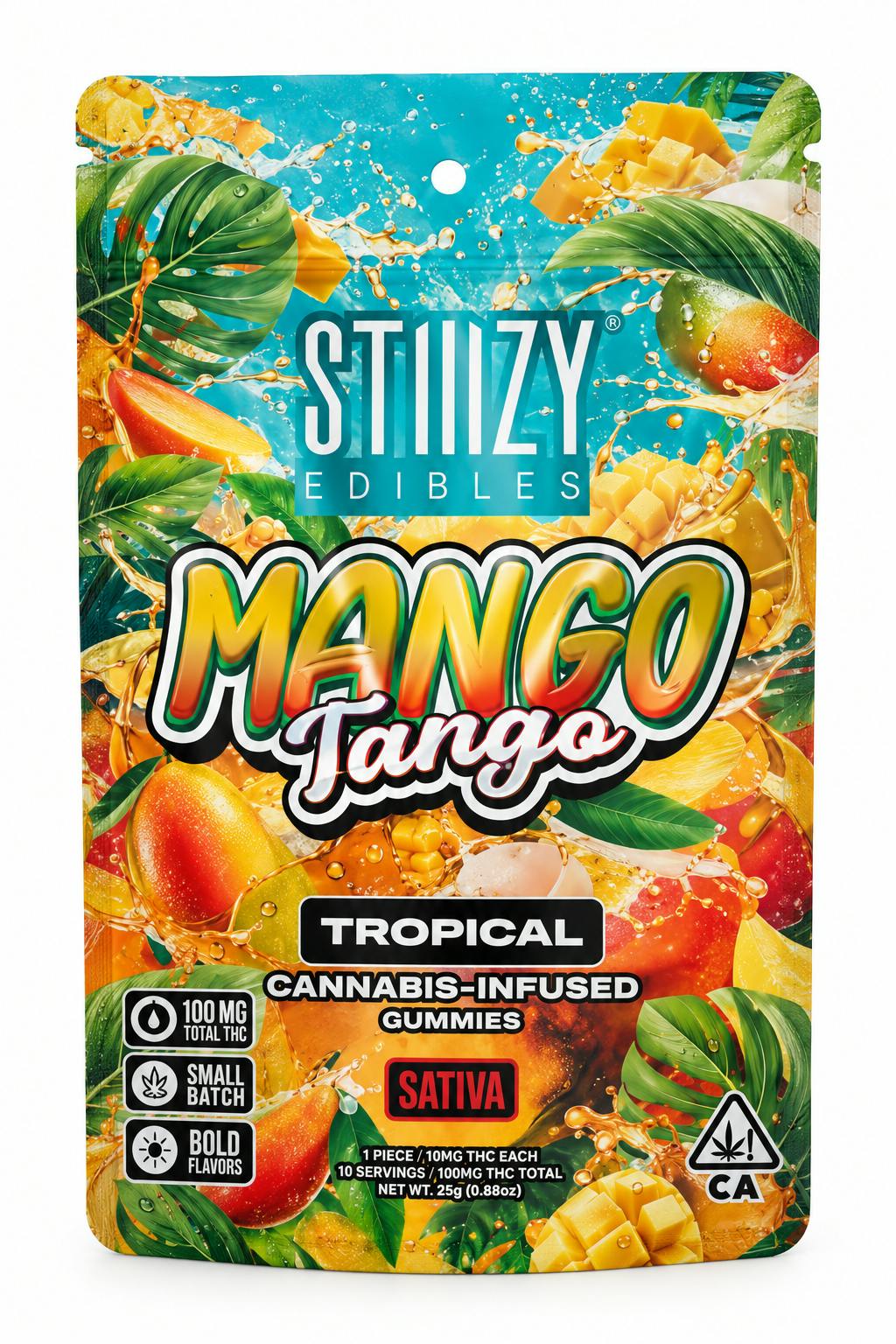
On sale· 25% OFF
THC 0.37%Sativa
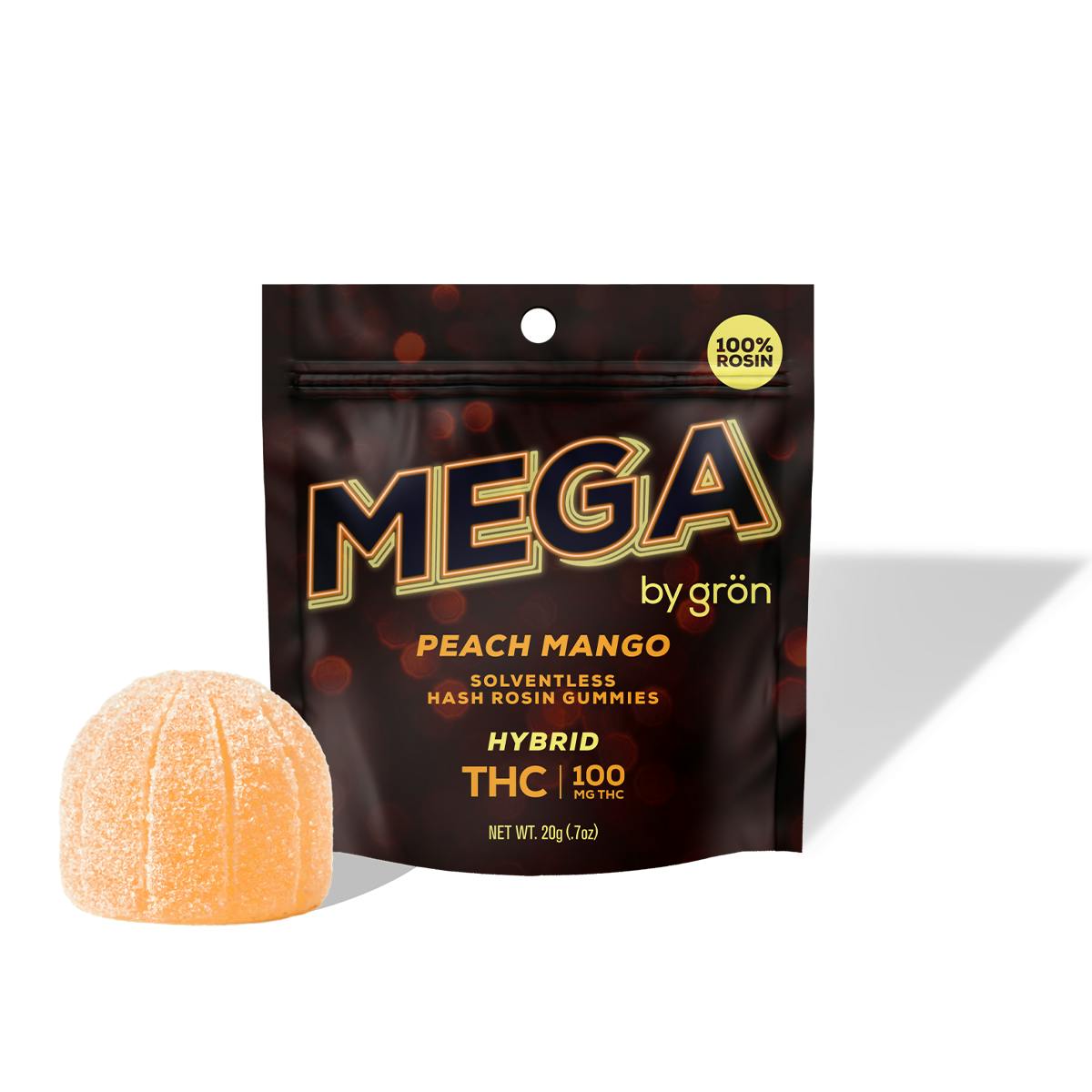
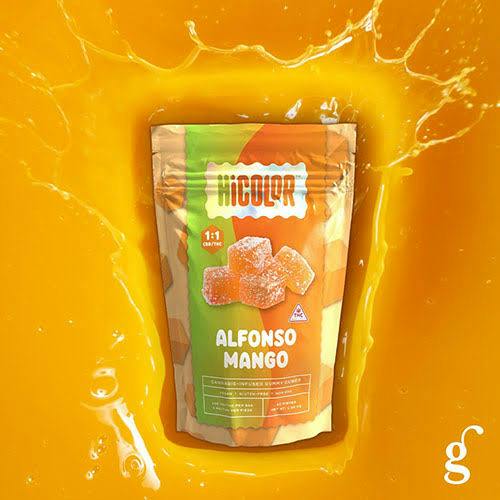
STIIIZYSTZY | Mango Tango | Gummies | 100mg · 100mg
$18.59$24.78
$22after tax

weeddispensarynearme.com
You must be 21 years or older to enter. By entering, you confirm you’re of legal age in your state to purchase cannabis.
For use only by adults 21+ • Keep out of reach of children
16 live products in stock
Quick answer · What is the Mango cannabis strain?
Mango is a storied sativa-leaning cultivar whose tropical character has earned it quiet devotion among connoisseurs for decades. Its terpene profile leans into ripe stone-fruit and citrus with a warm, earthy foundation, while the experience tends toward buoyant clarity rather than sedation. For the New York adult-use market, Mango represents a reliable touchstone of old-school breeding refinement translated into a modern dispensary shelf.
$22after tax
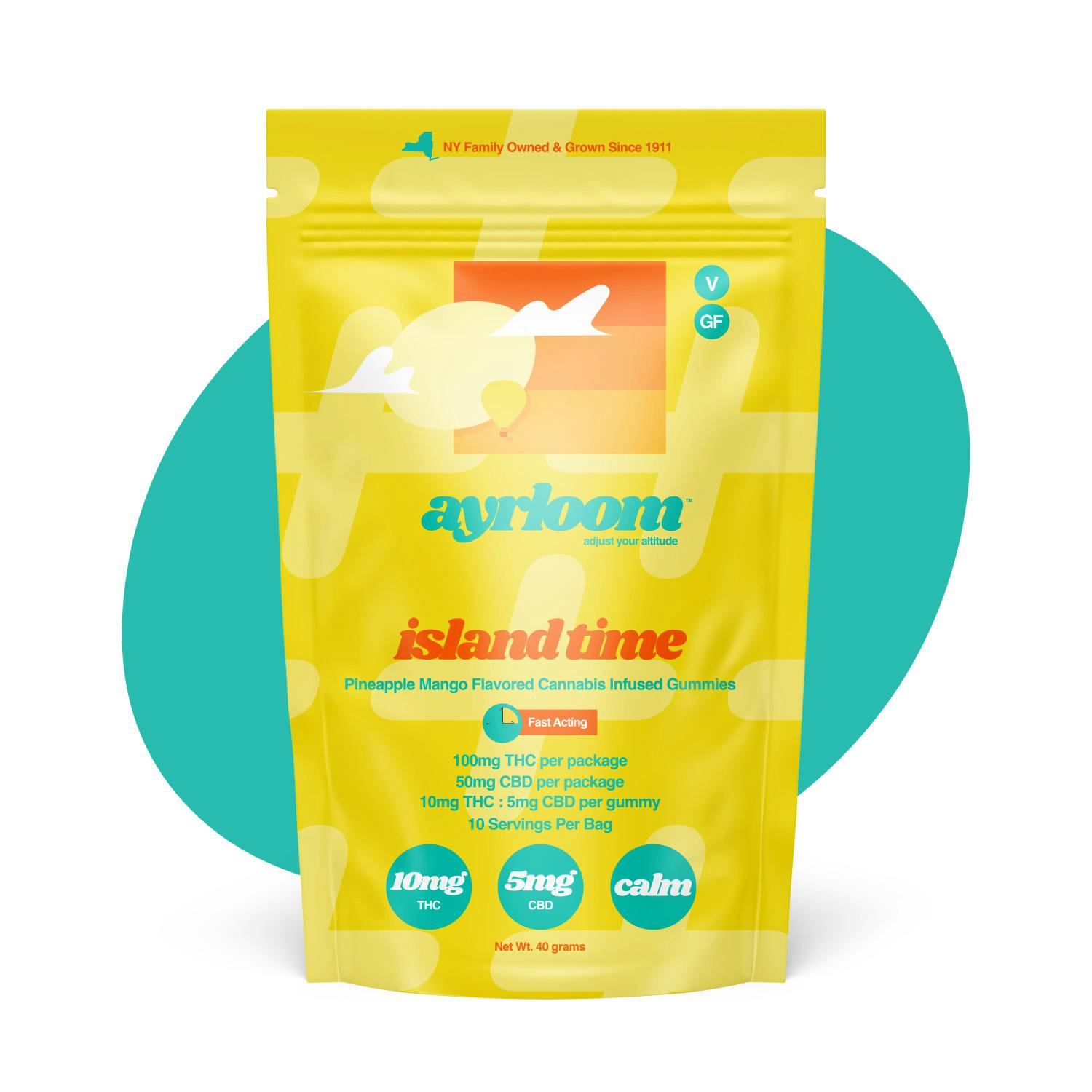
$28after tax
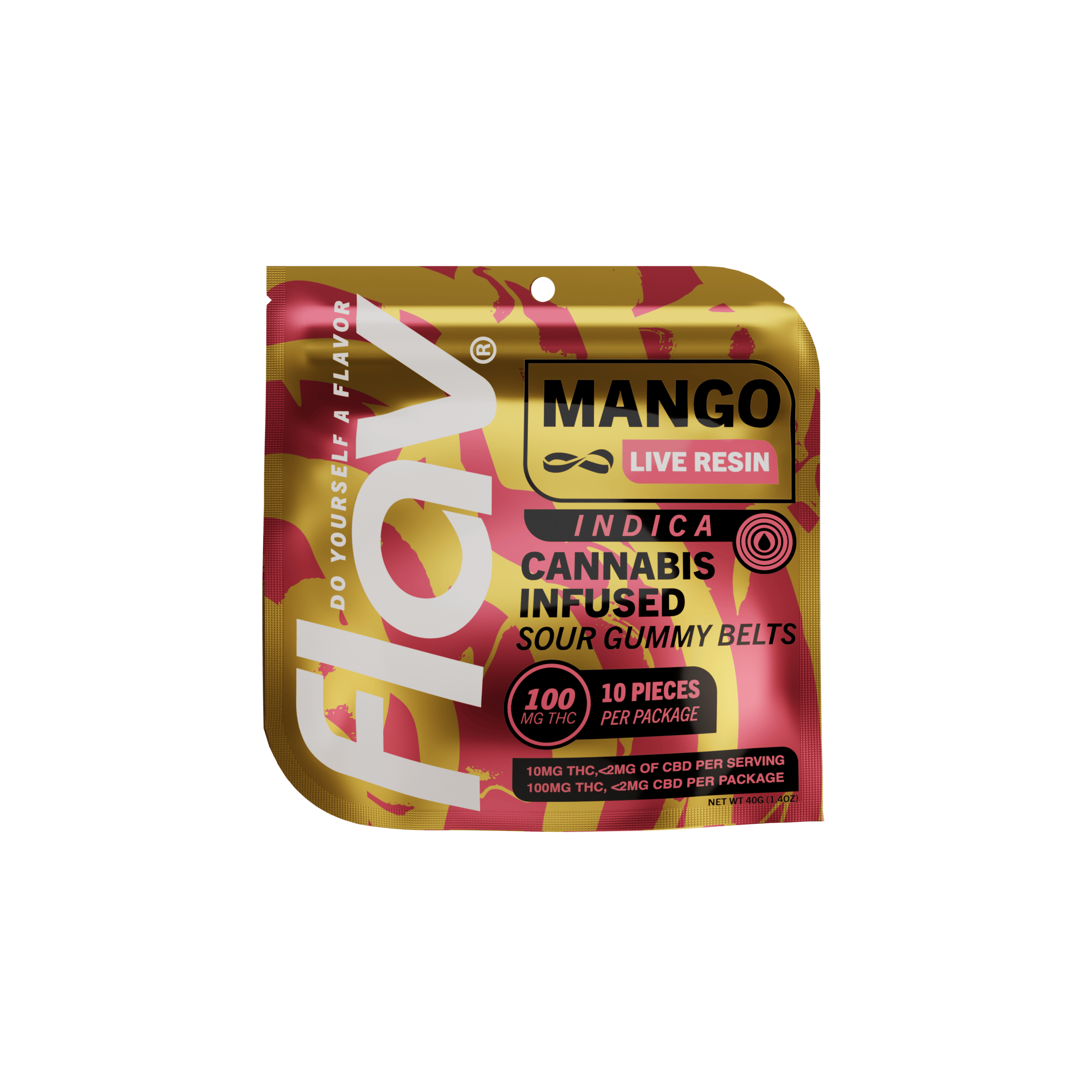
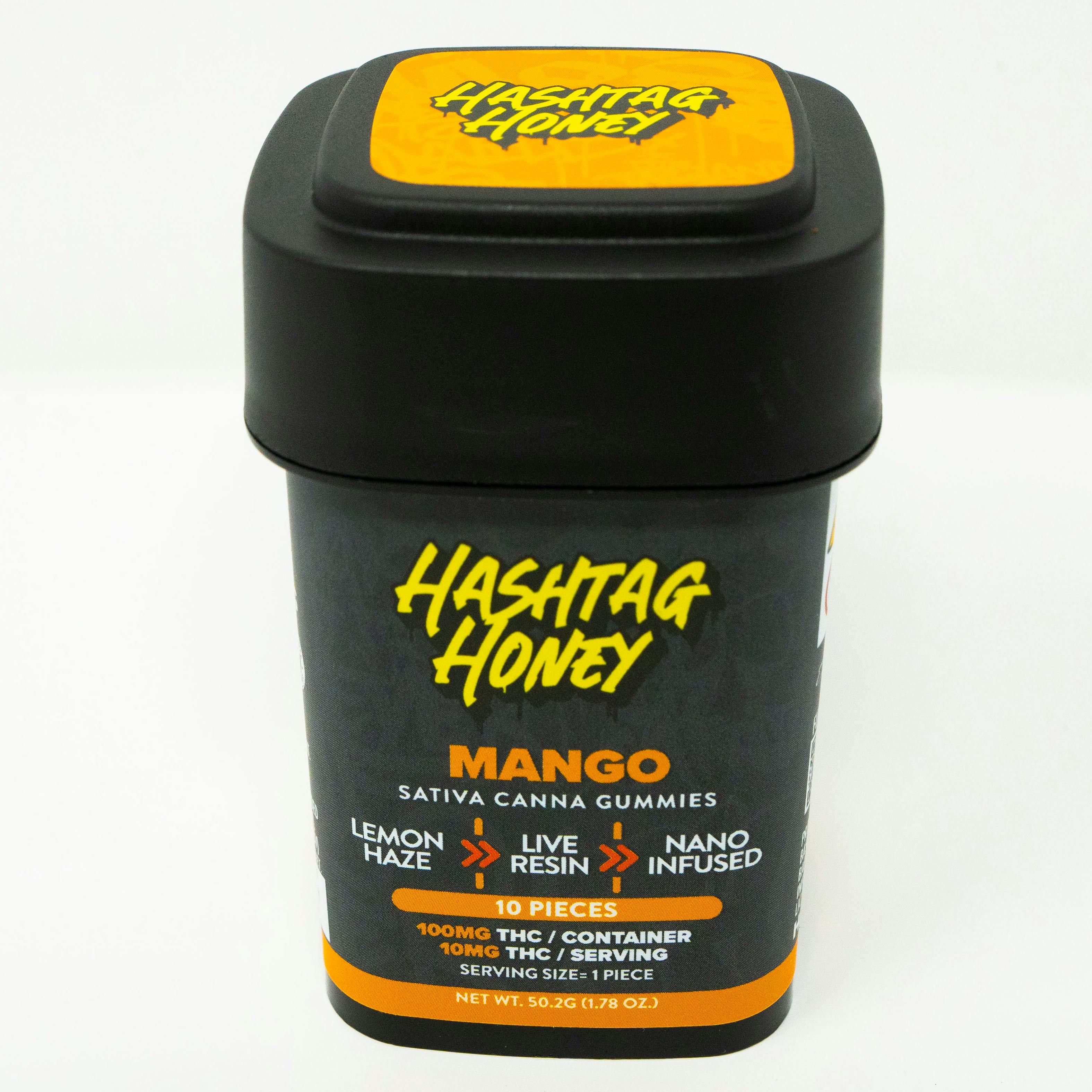
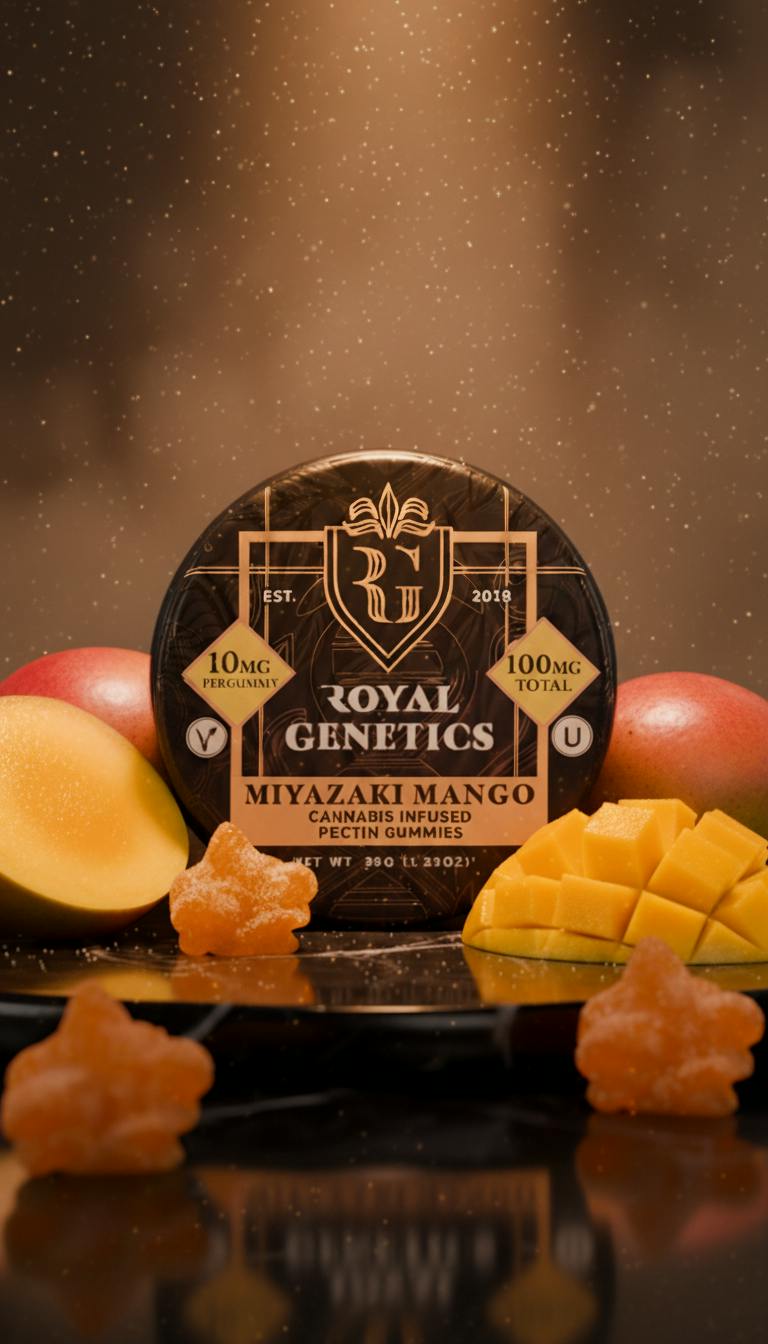
![Mango Sativa Gummies [10 pack] | 100mg](https://images.dutchie.com/057d880f090e8d1ca23a91b8d9c62760)
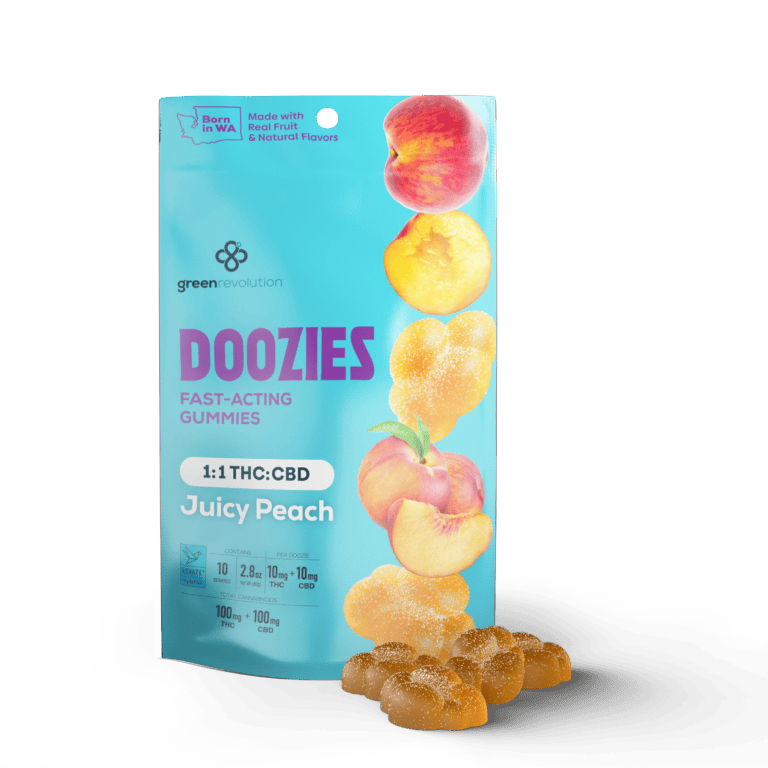
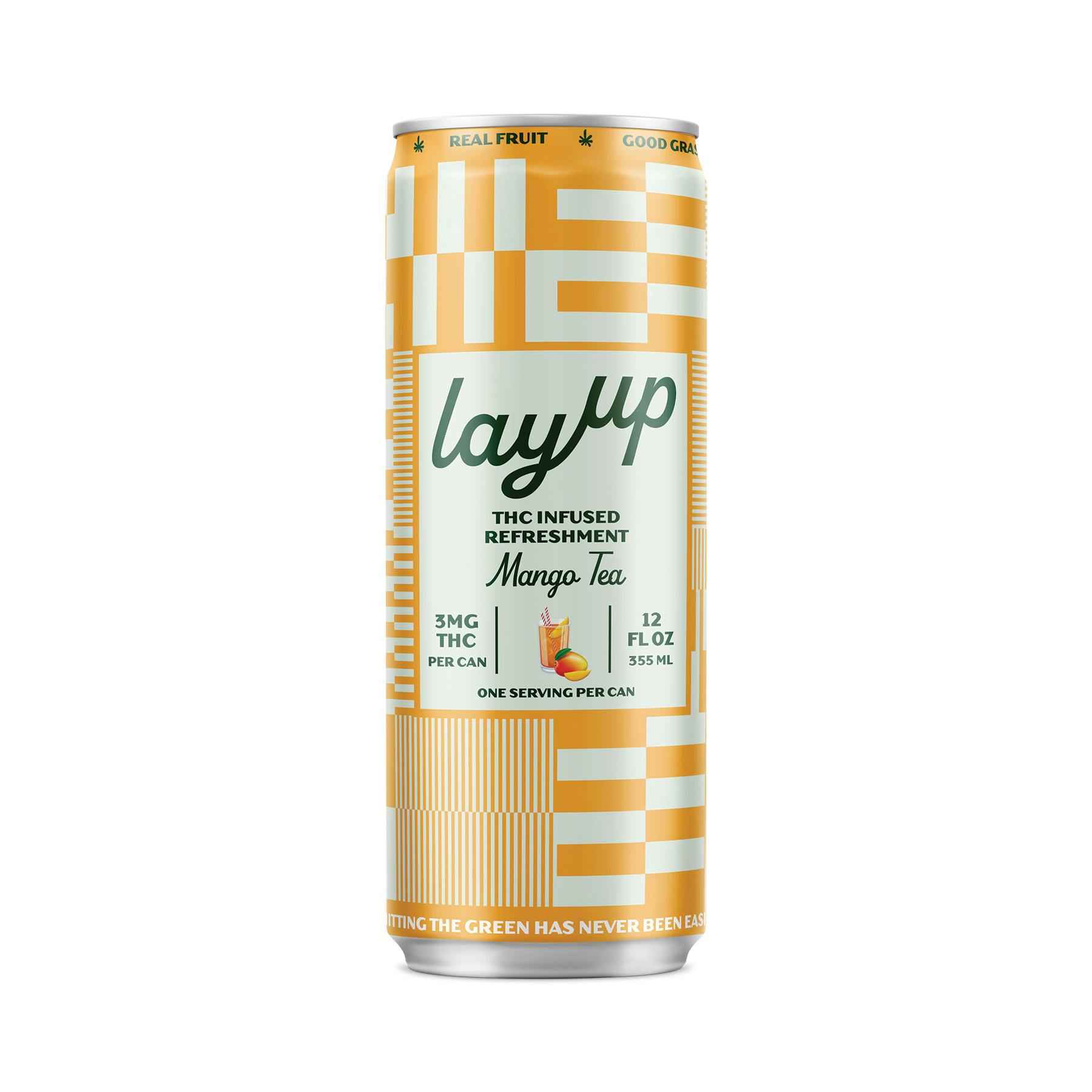

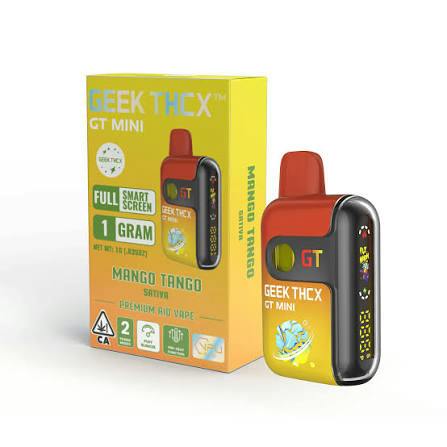
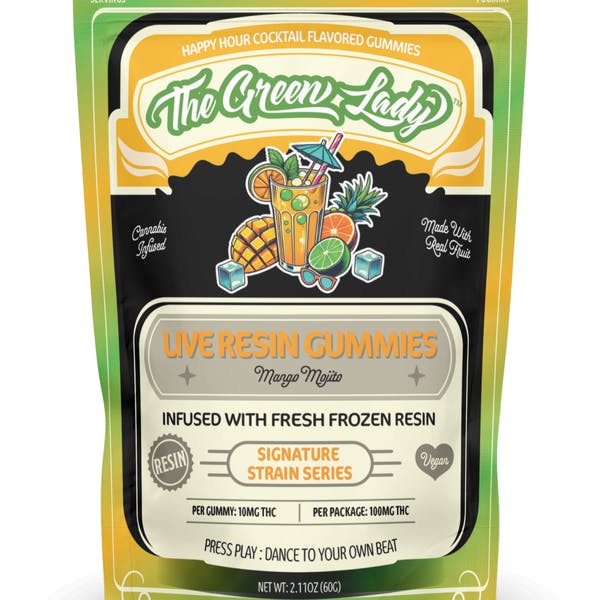
$40after tax
$14after tax
About Mango
Mango's genetic history is layered and, in some respects, lightly contested. The most widely cited lineage traces the strain to KC Brains, the Dutch-based breeder who stabilized and popularized a version of Mango in the 1990s. KC Brains crossed an Afghani indica landrace with an original 1960s-era Hawaiian cultivar — itself a pure tropical sativa — to produce a plant that balanced indica structure with sativa-facing terpenes and mood. Some accounts also point to a Kansas City-origin clone circulating in American collections prior to KC Brains' formal release, suggesting the name and genetics may have had parallel lives on different continents before converging in commercial seed form. The strain gained broader recognition in the early 2000s when it won a Cannabis Cup in the sativa category, lending it credibility that carried it beyond enthusiast circles. Its genetic siblings in the KC Brains catalogue include KC 33 and Bahia Blackhead, both of which share the tropical-landrace influence. A notable and well-documented phenotype within the Mango population produces a more indica-dominant expression with heavier resin production and a deeper fruit character — growers who select for this phenotype often label it 'Mango #2' or simply refer to it as the 'heavy pheno.' Modern reproductions and backcrosses by smaller craft breeders have kept the lineage circulating, though the trueness-to-type of any given seed run should be considered when sourcing.
Mango tends to announce itself within ten to fifteen minutes of inhalation — a gentle but deliberate brightening of mood that many consumers describe as a lifting sensation behind the eyes and temples. This onset character is consistent with its sativa-forward cannabinoid and terpene expression, where myrcene works alongside the cultivar's moderate THC production to ease the body into receptivity without pulling toward heaviness. The opening phase is social, curious, and mildly energizing rather than racingly stimulating. At peak, roughly thirty to sixty minutes in for most consumers, Mango settles into a comfortable equilibrium: the mind remains engaged and gently creative while the body carries a low-grade warmth that softens physical tension without inducing couch-lock. This duality — alert yet at ease — is one of the strain's most appreciated qualities. Terpinolene, present in some phenotypes, can add a slight dreamy quality to the peak that softens intrusive thought without dulling clarity. The comedown is generally gradual and unhurried. Most consumers report a slow return to baseline over two to three hours, sometimes accompanied by a gentle wave of relaxation in the final hour. Dry mouth and mild dry eyes are the most commonly reported side effects. As with any adult-use cannabis product, those new to the strain or to cannabis in general are encouraged to start low and go slow, allowing ample time to assess their individual response before consuming further.
The aroma profile of Mango is anchored by myrcene, the most abundant terpene in a well-cultivated expression of this strain. Myrcene contributes the characteristic ripe tropical-fruit quality — closer to a freshly cut mango or papaya than to synthetic candy — and also provides the underlying earthiness that keeps the fragrance grounded rather than sharp. On the nose, a properly cured Mango bud is immediately identifiable: warm, round, and humid in a way that recalls a fruit market in summer heat. Secondary terpenes include caryophyllene, which introduces a subtle spiced warmth — think a whisper of black pepper or clove beneath the fruit — and limonene, which lifts the overall impression with a bright citrus note that reads closer to orange zest than lemon. Some phenotypes carry a measurable amount of pinene, lending a faint herbal crispness that prevents the profile from becoming cloying. In select phenos, terpinolene appears as a minor contributor, adding a nuanced floral-resinous edge. On the palate, the smoke is smooth and approachable, with a medium-body draw that delivers the tropical fruit notes most vividly on the inhale. The exhale reveals the earthier, spicier caryophyllene layer along with a mild sweetness that lingers on the back of the tongue. Vapor extraction tends to amplify the myrcene and limonene expression, producing a cleaner, more fruit-forward flavor than combustion, which adds its own pleasant toastiness to the profile.
Mango buds display a structure that reflects its hybrid lineage: moderately dense calyxes with enough sativa openness to allow the trichome coating to catch light uniformly. The buds are typically medium-to-large in size, with a slightly elongated shape that nods to its Hawaiian sativa heritage while the overall compactness suggests the Afghani influence keeping structure tidy. The color palette trends toward medium to deep green, with some phenotypes expressing faint olive or golden-green hues as the plant matures. Pistils are a warm amber-to-orange — occasionally deepening to a rust tone in late-ripening cuts — and they weave visibly through the bud structure without obscuring the underlying calyx. Trichome density is respectable: a well-grown Mango flower carries a fine, even frost of milky-to-amber glandular trichomes that give the surface a slightly luminous quality under direct light, though it is not among the most visually resinous cultivars on the contemporary market.
Mango is considered a moderately accessible strain for cultivators with some intermediate experience. It performs well both indoors and outdoors, though its tropical landrace genetics mean it has a preference for warm, humid environments with good airflow to mitigate any risk of mold — a consideration worth noting for outdoor cultivation in New York's variable autumn climate. Indoors, Mango typically finishes its flowering cycle in approximately nine to eleven weeks, which is slightly longer than many modern commercial cultivars but consistent with its older-school genetics. Indoor yields are generally moderate to good, and the plant responds well to low-stress training techniques that encourage lateral branching and even canopy development. Outdoors in a favorable climate, harvest typically falls in mid-to-late October. The plant reaches a medium height and does not require aggressive management, though regular monitoring for humidity-related issues is advisable. For the cultivator-curious dispensary shopper, Mango represents a rewarding cultivation project that rewards patience and environmental attention more than technical complexity.
Mango is well-suited to the unhurried hours of a late afternoon or early evening — that suspended pocket of time between the end of a productive day and the beginning of a social one. Its balance of gentle mental engagement and physical ease makes it a thoughtful companion for solo creative work: sketching, writing in longhand, or moving through a slow domestic project with a sense of quiet presence. For social occasions, Mango holds up gracefully at a small dinner gathering where conversation is the main event. Its mood-brightening quality without stimulant edge keeps interactions fluid and warm without tipping into overstimulation. On the pairing front, the strain's myrcene-and-limonene core harmonizes naturally with dishes that feature tropical fruit, citrus-forward sauces, or lightly spiced preparations — a Thai mango salad or a citrus-glazed duck would find a natural counterpart here. Musically, the strain suits anything with warmth and rhythmic ease: a classic soul record, a Brazilian jazz set, or acoustic Afrobeat. It is, in short, a cultivar that rewards a measured pace and an attentive palate.
Tangie
Tangie shares Mango's citrus-forward, tropical terpene profile driven by limonene and myrcene, offering a similarly bright and socially engaging sativa experience.
Pineapple Express
Fans of Mango's fruit-forward aroma and balanced sativa-leaning effects will find Pineapple Express a natural companion, with its own tropical fruit notes and easy, approachable mood lift.
Maui Wowie
As another Hawaiian-lineage classic, Maui Wowie echoes Mango's tropical-landrace roots and delivers a comparable clear-headed, gently energizing character with a similarly smooth, fruity palate.
Papaya
Papaya shares the stone-fruit warmth and myrcene-dominant aromatic foundation of Mango, though it leans slightly more indica in its body effect, making it an appealing evening alternative for Mango enthusiasts.
Tropicana Cookies
For those drawn to Mango's citrus-tropical flavor arc who want a more contemporary, trichome-rich expression of that profile, Tropicana Cookies delivers a refined and resinous update on familiar territory.
Mango is generally classified as a sativa-leaning hybrid. Its lineage — crossing a Hawaiian sativa landrace with an Afghani indica — produces a plant that leans toward sativa in its effect profile, offering mental clarity and mood elevation as dominant qualities, while the indica heritage provides enough physical ease to soften any stimulant edge. The balance makes it versatile across contexts rather than firmly categorized in either direction.
Mango delivers a tropical, fruit-forward flavor profile on the inhale — ripe stone fruit and a hint of citrus zest — followed by a warmer, earthier exhale with subtle spice from its caryophyllene content. The smoke is smooth and medium-bodied, and vapor extraction tends to amplify the sweeter, fruit-forward notes. The finish is mildly sweet and lingers gently on the palate without becoming heavy or resinous.
Mango typically produces a gradual mood lift and gentle mental brightening in the first fifteen minutes, settling into a comfortable peak characterized by social ease, mild creative engagement, and a warm physical relaxation that stops well short of sedation. The experience is generally described as balanced and approachable. Duration runs two to three hours for most consumers, with a gradual and unhurried return to baseline. Dry mouth and mild dry eyes are the most commonly reported side effects.
Consumers who enjoy Mango tend to appreciate other tropical-terpene cultivars such as Tangie, Maui Wowie, and Pineapple Express, all of which share the citrus-fruit aromatic character and sativa-leaning effect profile. For those drawn more to the stone-fruit warmth and body ease, Papaya offers a slightly more indica-forward expression of a similar terpene base. Tropicana Cookies provides a more resin-rich, contemporary take on the tropical-citrus flavor arc.
Mango is considered one of the more approachable cultivars for adults new to cannabis, thanks to its moderate potency and smooth, non-abrupt onset. Its sativa-leaning character is gentle enough that most beginners find it manageable rather than overwhelming. That said, all adults new to cannabis — or to a new cultivar — are encouraged to start with a very small amount, allow fifteen to thirty minutes to assess their response, and consume more only when they feel comfortable doing so.
The dominant terpene in Mango is myrcene, which drives the ripe tropical-fruit aroma and contributes a grounding, earthy warmth to the overall experience. Secondary terpenes typically include caryophyllene, which adds a mild spiced quality, and limonene, which provides citrus brightness. Some phenotypes also carry pinene, lending a faint herbal crispness, and terpinolene, which adds a subtle floral-resinous nuance. The myrcene-limonene pairing is the most defining aromatic characteristic across phenotypes.
The most widely documented breeder associated with Mango is KC Brains, a Dutch seed company that formally stabilized and released the strain in the 1990s using a Hawaiian sativa landrace and an Afghani parent. Some cannabis historians note that a 'Mango' clone was circulating in American collections prior to this commercial release, suggesting the name may have had parallel uses. KC Brains' version gained significant recognition after placing in a Cannabis Cup in the sativa category in the early 2000s.
Mango is particularly well-suited to late afternoon and early evening consumption, when its balanced blend of mental engagement and physical ease can be fully appreciated without conflicting with daytime responsibilities or disrupting sleep. Its mood-brightening quality makes it a thoughtful choice ahead of social gatherings or creative sessions, while its gentle body warmth suits post-activity unwinding. Those sensitive to sativa effects may prefer to avoid late-night consumption, as some users report a mild alertness that can persist into the first portion of the comedown.
Related strains
Pick your store
We'll show pricing, deals, and delivery zones for the store you pick. You can switch any time from the header.