
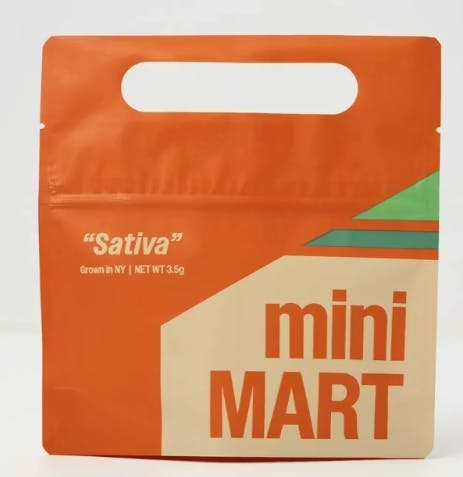
Sativa
All strains Skunk
1 live products in stock
Quick answer · What is the Skunk cannabis strain?
Skunk is a foundational cultivar whose influence on modern cannabis can scarcely be overstated. Born from a confluence of three distinct landrace lineages, its pungent, earthy character and balanced, approachable experience have made it a touchstone for breeders and connoisseurs alike for more than four decades. In a world of novelty, Skunk endures — a quiet reminder that some classics require no reinvention.
Shop Skunk · 1 of 1 live products
About Skunk
Everything to know about Skunk.
Lineage & origin
Skunk, commonly designated Skunk #1, was developed by the California-based collective Sacred Seeds in the mid-to-late 1970s and formally introduced to the broader cannabis community around 1978–1980. The strain is widely documented as a three-way cross of Afghani (a resinous indica landrace from the Hindu Kush mountain range), Acapulco Gold (a celebrated sativa landrace originating in the Guerrero highlands of Mexico), and Colombian Gold (a sativa landrace from the Santa Marta mountains of Colombia). This triangle of genetics gave Sacred Seeds a plant that bridged Old World body weight with New World cerebral uplift. When Sacred Seeds disbanded in the early 1980s, members dispersed and carried Skunk genetics with them. Neville Schoenmakers of The Seed Bank of Holland — later to become Sensi Seeds — acquired and stabilised the line, and it was through Dutch seed banks that Skunk #1 reached European and global cultivators. Sensi Seeds still lists Skunk #1 among its catalogue today, and it has earned an entry in the High Times Strains of the Year canon on multiple occasions. Genetically, Skunk #1 became one of the most reproduced parent strains in recorded cannabis history. Super Skunk, Early Skunk, Shiva Skunk, and Island Sweet Skunk are among its most documented descendants. Its stable, predictable phenotype expression made it an ideal building block — breeders valued its consistent vigour, resin production, and reliable effect profile. The name 'Skunk' has since become something of a vernacular category in British cannabis culture, though the original stabilised line remains distinct from these regional derivatives.
Effects
The experience of Skunk, despite its classification here as indica-dominant, is best understood as a balanced hybrid in practice, a quality that reflects its three-way landrace heritage. Onset typically arrives within five to ten minutes of inhalation, with an initial cerebral brightening that gently clarifies thought without pushing into overt sativa-forward stimulation. Many consumers describe this first phase as an easing of mental static — a settling rather than a lifting. As the session deepens into the fifteen-to-thirty-minute window, the indica character of the Afghani parentage becomes more apparent. A measured physical relaxation moves through the shoulders and limbs, grounding the experience without inducing the sedative weight associated with heavier indica cultivars. The peak tends to be sociable and even-keeled rather than introspective or immobilising — a quality that historically made Skunk a favourite for everyday use. The dominant terpene myrcene likely contributes to the physical ease and mild sedation noted in many accounts, while the earthy caryophyllene may add to the body's sense of calm. Duration runs moderate — typically two to three hours for most consumers — with a gentle comedown that rarely disrupts evening plans. Dry mouth and mild eye dryness are the most commonly reported transient effects. As with any cannabis experience, individual response varies; those new to the cultivar are well-served by starting low and going slow.
Aroma, flavor & terpenes
The name, of course, says much. Skunk's olfactory profile is assertive, layered, and unmistakable — a quality that made it both celebrated among enthusiasts and occasionally controversial in public perception. The dominant terpene is widely cited as myrcene, which anchors the profile with damp earth, overripe musk, and a faintly herbal undertone. This myrcene foundation is what gives the strain its characteristic skunky pungency, an aroma that registers immediately and lingers in the room long after the jar has been opened. Secondary terpenes typically include caryophyllene, which contributes a subtle, almost woody spice — reminiscent of cracked black pepper — that adds structural complexity to what might otherwise read as a one-dimensional profile. Pinene appears in many phenotypes as well, introducing a thin green note that functions like a breath of pine resin against the heavier base tones, keeping the nose from becoming entirely low and earthy. Some expressions also carry traces of limonene, which can add a bright citrus thread that weaves through the musk. On the palate, smoked Skunk typically presents as smooth and full-bodied in the first third, with an earthy sweetness that transitions into a slightly skunky, funky exhale. Vaporised at lower temperatures, the profile reveals its more delicate components first — a fleeting sweetness before the earthier mid-notes arrive. The finish is clean, with a subtle hash-like warmth on the back of the throat that speaks directly to the Afghani lineage, and a pleasantly lingering aftertaste that rewards slow, deliberate consumption.
Appearance
Skunk #1 produces medium-to-large buds with a characteristically dense, compact structure that reflects the Afghani influence in its architecture. The calyxes are tightly stacked and well-formed, giving each flower a chunky, almost architectural quality without the extreme density that can impede airflow and invite moisture problems. Trichome coverage is substantial and even — a fine, frost-like layer of resin glands that gives cured buds a silvery sheen under direct light, underscoring the strain's historical importance in hashish production. The colour palette skews toward deep forest and olive greens, occasionally accented by softer sage or lime tones depending on phenotype and curing conditions. Pistils are typically amber to russet orange, weaving prominently through the foliage and providing a warm contrast against the cooler green tones. Phased curing can deepen the overall colour slightly toward gold. The overall aesthetic is one of substance and maturity — not ornate, but considered and well-resolved, in the manner of a thing that has been refined over many years rather than designed for visual novelty.
Growing notes
Skunk #1 carries a well-earned reputation as one of the most cultivator-friendly strains in cannabis history — a quality that contributed enormously to its global spread. It adapts reliably to both indoor and outdoor environments, though the controlled conditions of an indoor grow allow cultivators to fully express its genetic potential. Flowering time indoors is typically eight to nine weeks, placing it in the mid-range for indica-leaning cultivars. Indoor yields are generally considered generous relative to the effort required, and the plant's stable, predictable growth habit makes it a low-anxiety choice. Outdoors, Skunk #1 performs well in temperate to warm Mediterranean climates and is typically ready for harvest in the Northern Hemisphere by late September to mid-October. The plant tends toward medium height with a sturdy, branchy structure that benefits from modest training techniques such as low-stress training or light topping. Its vigorous root system and natural disease resistance made it a revolutionary variety for European cultivators in the 1980s, when reliable, high-performing seed stock was scarce. For the cultivator-curious shopper, Skunk #1 represents an instructive and historically grounded introduction to cannabis cultivation fundamentals.
When it's best enjoyed
Skunk occupies a pleasant middle ground in the occasion spectrum — neither so cerebral that it demands solitude and focus, nor so sedating that it forecloses engagement and conversation. It is particularly well-suited to the unhurried late afternoon, that interstitial hour between the productive demands of the day and the leisure of the evening. The easing mental quality of the onset makes it a natural companion for low-stakes creative pursuits — sketching, journaling, working through a playlist, or simply allowing the mind to wander without agenda. In terms of specific pairings, the earthy, funky terpene profile finds genuine harmony with aged hard cheeses — a sharp cheddar or an unpasteurised manchego — where the funk of the strain mirrors and amplifies the character of the food rather than competing with it. Musically, the balanced, grounded quality of the experience aligns well with late-period soul or deep funk records, where rhythmic repetition and textural warmth create an immersive but non-demanding sonic environment. It also serves well in a small, trusted social setting — the kind of quiet dinner or evening gathering where conversation meanders and no one is watching the clock.
If you like Skunk, also explore
Super Skunk
A direct descendant of Skunk #1 crossed with Afghani, Super Skunk amplifies the earthy, hash-like qualities that define the original while adding a slightly heavier body component — a natural next step for those who find Skunk's balance appealing and wish to lean further into its indica character.
Cheese
Widely believed to derive from a Skunk #1 phenotype selected in the UK in the late 1980s, Cheese shares the same funky, pungent foundation but adds a distinctly lactic, aged-dairy dimension that appeals strongly to consumers drawn to Skunk's assertive olfactory profile.
Island Sweet Skunk
For those who appreciate Skunk's terpene backbone but prefer a more sativa-forward effect arc, Island Sweet Skunk offers a brighter, citrus-inflected variation on the same genetic theme with an energising character that suits daytime use.
Afghan Kush
Sharing the Afghani landrace parentage that grounds Skunk's physical quality, Afghan Kush will resonate with consumers who find Skunk's body-ease to be its most compelling attribute and wish to explore that dimension in a more concentrated, pure indica expression.
Acapulco Gold
One of Skunk's three parent strains, Acapulco Gold offers a window into the sativa lineage that brightens Skunk's onset — a historically significant cultivar in its own right, and a natural point of curiosity for those interested in tracing Skunk's genetic ancestry.
Common questions
Is Skunk indica or sativa?+
Skunk #1 is classified here as indica-dominant, though its three-way lineage — Afghani indica, Acapulco Gold sativa, and Colombian Gold sativa — gives it a genuinely balanced character in practice. The indica classification reflects a slight lean in its physical effect profile and growth structure, but consumers should expect a more nuanced, hybrid-like experience rather than a pronounced one-directional effect.
What does Skunk taste like?+
Skunk delivers a full-bodied, earthy flavour with a distinctive musky, funky quality that has defined the strain for decades. The dominant myrcene provides a damp, herbal earthiness, while secondary caryophyllene adds a subtle woody spice. On the exhale, a faint hash-like warmth — a nod to the Afghani parentage — lingers pleasantly on the palate. Some phenotypes offer a thin citrus thread that adds brightness to the heavier base notes.
What are the typical effects of Skunk?+
Skunk typically begins with a gentle cerebral ease that settles mental activity without producing strong stimulation. As the session progresses, a moderate physical relaxation becomes apparent, particularly in the shoulders and limbs. The overall experience is balanced and sociable rather than deeply sedating — approachable for a range of occasions. Duration is generally two to three hours, with a smooth, undramatic comedown. Individual responses vary; starting with a conservative amount is always advisable.
What strains are similar to Skunk?+
Consumers who appreciate Skunk often find common ground with Super Skunk, which amplifies the hash-like earthiness and body weight; Cheese, a UK phenotype derivative with a lactic, funky dimension; and Island Sweet Skunk, which shares the terpene character but leans sativa in its effect arc. Afghan Kush and the original Acapulco Gold landrace are also relevant reference points for those interested in exploring Skunk's constituent lineages.
Is Skunk good for beginners?+
Skunk's relatively balanced, moderate effect profile makes it more approachable than many high-potency modern cultivars, and its long history means its character is well-documented and predictable. That said, no cannabis experience is without variable individual response. Those new to cannabis or returning after a long absence are encouraged to start with a very small amount, allow adequate time to assess the effect before consuming more, and choose a comfortable, familiar environment for the first session.
What are the dominant terpenes in Skunk?+
The dominant terpene in Skunk #1 is myrcene, which is responsible for the strain's signature earthy, musky pungency and contributes to its physical relaxation quality. Caryophyllene is typically the second most prominent terpene, adding a woody, peppery spice note. Pinene appears in many phenotypes as a fresh, resinous counterpoint. Some expressions also carry detectable limonene, which introduces a citrus brightness to the otherwise earthy profile.
Where does the name 'Skunk' come from?+
The name derives directly from the strain's distinctively pungent aroma, which many consumers and cultivators found reminiscent of the defensive spray of a skunk. Developed by California's Sacred Seeds collective in the late 1970s, the name was chosen to reflect the boldness and assertiveness of the olfactory profile — qualities that at the time set it apart from less expressive landrace varieties. The term 'skunk' has since become a broader colloquial category in some regions, though the original stabilised line remains its own distinct cultivar.
How long have cultivators been growing Skunk?+
Skunk #1 has been in continuous cultivation for roughly four to five decades, making it one of the longest-tenured commercially available cannabis strains on record. Developed by Sacred Seeds around 1978–1980 and subsequently stabilised and distributed by Dutch seed banks — most notably Sensi Seeds — it has been grown across multiple continents by home cultivators and commercial operations alike, and remains available through established seed banks to this day.
Related strains