
THC 29.2%Sativa
Jetty ExtractsJetty | Maui Wowie x Rainbow Beltz | Infused High THC | Pre-Roll Pack 5pk · 2.5g
$30.09
$34after tax

weeddispensarynearme.com
You must be 21 years or older to enter. By entering, you confirm you’re of legal age in your state to purchase cannabis.
For use only by adults 21+ • Keep out of reach of children
3 live products in stock
Quick answer · What is the Rainbow Beltz cannabis strain?
Rainbow Beltz arrives like a quiet evening turning unexpectedly vivid — a deeply pigmented, indica-leaning hybrid whose candy-forward sweetness is grounded by an earthy, almost floral complexity. Bred for those who appreciate equal parts sensory pleasure and physical ease, it offers a layered experience that unfolds gradually, rewarding patience with a calm, enveloping warmth that settles across the body without fully dimming the mind.
$34after tax

$34after tax
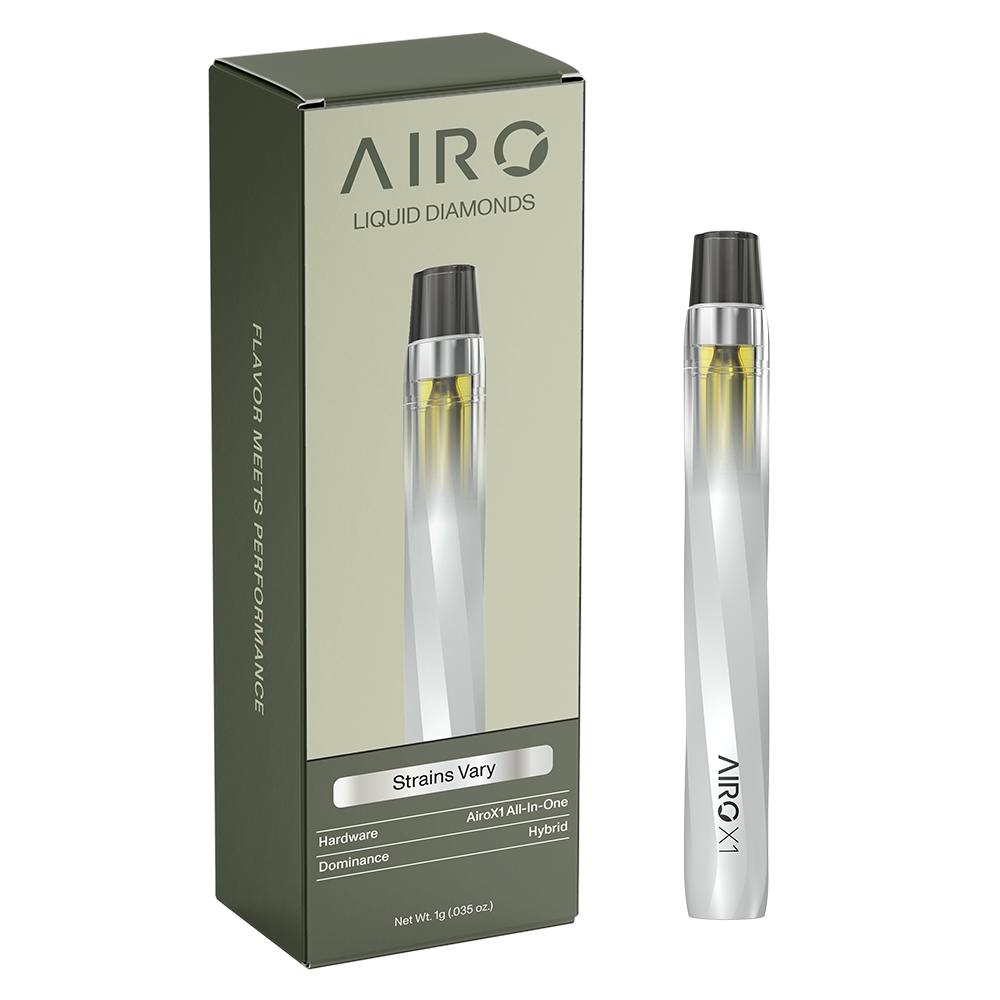
$49after tax
About Rainbow Beltz
Rainbow Beltz is generally attributed to Zkittlez and an unnamed or variably cited Belts (Runtz-adjacent) cross, though the precise parentage is debated across public cannabis registries — some sources list it as a three-way cross involving Rainbow Sherbet genetics, while others point to a direct Zkittlez phenotype selected and refined by the California-based collective Dying Breed Seeds, which has been among the more credible voices in associating the strain with their catalog. The Zkittlez lineage — itself a cross of Grape Ape and Grapefruit, stabilized by the Terp Hogz collective — contributes much of the candy-fruit aromatic architecture that defines Rainbow Beltz's character. The Runtz influence, should it be confirmed in a given cut, adds the creamy, confectionery mid-palate and the tightly structured, resinous bud morphology for which that lineage is known. Rainbow Beltz emerged within the premium California market during the early-to-mid 2020s, a period defined by intense consumer interest in high-terpene, visually striking cultivars. Genetic siblings and closely related phenotypes include Tropical Runtz and Watermelon Zkittlez, both of which share that same fruit-candy scaffolding. As with many sought-after California genetics, phenotypic variation between cuts can be meaningful, and shoppers are encouraged to note the specific source when seeking consistency.
Rainbow Beltz tends to announce itself gently, with onset typically observed within five to fifteen minutes of inhalation — a soft pressure behind the eyes and a light mental brightening that does not escalate into anxiety. This initial phase carries a mild euphoric quality, a loosening of social inhibition that feels conversational rather than disorienting. The experience is consistent with the strain's reported terpene and cannabinoid profile: myrcene contributing sedating, muscle-relaxing properties, while limonene provides the slight mood elevation in the early arc. As the session progresses into its peak — generally between twenty and sixty minutes — the indica character asserts itself more deliberately. A spreading physical heaviness moves outward from the core, softening tension in the shoulders and lower back. The mind does not go dark but quiets considerably, making complex analytical tasks less appealing. This is the strain's most characteristic phase: a contented, low-demand state where passive engagement — listening, observing, resting — feels most natural. Duration for most adults ranges from one-and-a-half to three hours depending on tolerance and consumption method, with a gradual, unhurried comedown that tends toward drowsiness. As with any cannabis product, newcomers should start with a modest amount and allow adequate time before reassessing.
The aromatic profile of Rainbow Beltz is among its most discussed qualities, and it earns that attention. On first encounter, the nose picks up a concentrated sweetness — candy fruit, specifically grape and tropical citrus — that gives way on closer inspection to a creamy, almost sherbet-like mid-note. This top-line character is driven primarily by myrcene, which in this context reads less as the earthiness cannabis consumers often associate with it and more as a ripe, slightly fermented fruit quality that deepens the sweetness without cloying it. Limonene contributes a brighter, citrus-zest lift that keeps the nose from becoming one-dimensional, while caryophyllene introduces a faint spice — not pepper in the aggressive sense, but more of a warm, baking-spice undertone reminiscent of clove or cardamom. Secondary terpene contributions, where present in well-cultivated cuts, may include linalool — adding a delicate floral note that bridges the fruit and spice — and ocimene, which can provide a subtle herbal, almost green-garden freshness that prevents the profile from reading as purely synthetic or candy-like. On the palate, whether combusted or vaporized, Rainbow Beltz delivers a smooth initial pull with that grape-candy sweetness most prominent. The exhale is where the creamier, earthier qualities emerge, leaving a lingering confectionery finish on the tongue that many consumers find highly satisfying.
Well-grown Rainbow Beltz is a visually distinctive cultivar, reflecting the aesthetic ambition that has come to define California's premium genetic scene. The buds are characteristically dense and compact, with a tightly wound calyx structure inherited from the Zkittlez and Runtz lineages. Coloration is one of the strain's signature traits: deep forest and olive greens are threaded throughout with vivid purple and magenta hues — a result of elevated anthocyanin expression, particularly pronounced when plants are finished at cooler temperatures. Rust-orange pistils weave through the bud in generous quantity, providing a warm contrast to the cooler purple tones. Trichome coverage is substantial, lending the surface a frosted, almost lacquered quality under light — a visual indicator of the resin density that underpins the strain's aromatic intensity. Well-cured examples will feel slightly tacky to the touch but should break apart cleanly, revealing an interior that maintains much of the exterior's color complexity.
Rainbow Beltz is considered a moderately demanding cultivar — accessible enough for experienced home gardeners but not typically recommended as a first project for those new to cannabis cultivation. It performs well in both indoor and outdoor environments, though indoor growing allows for greater control over the temperature variations that encourage the strain's characteristic purple coloration; a deliberate nighttime temperature drop in the final two weeks of flowering is a well-documented technique for intensifying anthocyanin expression. Flowering time falls in the range of eight to nine weeks when grown indoors under a standard twelve-hour light cycle. Indoor yields are reported as moderate to above-average for an indica-leaning hybrid of this density, while outdoor plants given ample space can develop into productive specimens, typically ready for harvest in the Northern Hemisphere in early-to-mid October. The strain shows some sensitivity to humidity, and growers tend to emphasize adequate airflow to protect the dense bud structure from moisture-related issues during the final flowering phase. As with all cultivars, specific performance will vary with phenotype and growing environment.
Rainbow Beltz occupies an evening-into-night niche with particular grace. It is a strain well-suited to the transition hour between a full day and a restful night — appropriate for winding down without the abruptness of a strongly sedating cultivar. Solo creative endeavors that reward sensory engagement rather than analytical rigor find a comfortable companion here: listening to a carefully assembled record, working through a sketchbook, or settling into a film with a genuinely immersive visual palette. The candy-fruit terpene profile makes Rainbow Beltz a natural conversation partner for dessert or late-evening snacking. Stone fruit preparations — a chilled cherry compote, a plum sorbet — echo the grape and tropical notes in the strain's aroma, while darker chocolate with a berry component creates a compelling harmonic contrast with the caryophyllene spice on the exhale. For music, the combination of mild euphoria and physical ease aligns well with languid, textured listening: mid-tempo soul, ambient electronic with melodic warmth, or late-era R&B produced with attention to low-end detail. This is not a strain for a morning meeting or a high-focus afternoon — it is, quite deliberately, for later.
Zkittlez
As a foundational parent strain, Zkittlez shares the grape-and-tropical candy aromatic profile and the gentle, full-body indica character that defines Rainbow Beltz's core experience.
Runtz
Runtz delivers the same creamy confectionery sweetness and dense, resinous bud structure, making it an intuitive bridge for those who enjoy Rainbow Beltz's textural richness on the palate.
Gelato
Gelato fans who appreciate a dessert-forward flavor profile balanced by a calm, body-focused effect will find familiar territory in Rainbow Beltz's smooth, warming arc.
Watermelon Zkittlez
A close genetic neighbor sharing Zkittlez lineage, Watermelon Zkittlez offers a similarly fruity, indica-leaning profile for consumers who want to explore the broader family of candy-forward hybrids.
Purple Punch
Purple Punch mirrors Rainbow Beltz's deep purple coloration, grape-forward sweetness, and pronounced physical relaxation, appealing to the same evening-use audience.
Rainbow Beltz is an indica-leaning hybrid. While it carries some hybrid characteristics — including an initial phase of mild mental brightening — its dominant expression is physical and calming. The indica influence becomes increasingly apparent as the experience progresses, with a settling body effect and a quieting of mental activity that positions it firmly in the evening-use category for most adults.
Rainbow Beltz is widely noted for a candy-forward flavor profile anchored by grape and tropical fruit sweetness, with a creamy, sherbet-like mid-palate quality. The exhale introduces a subtle warmth — spice notes from caryophyllene — alongside a lingering confectionery finish. Some well-cultivated cuts also carry a faint floral undertone on the inhale, attributable to linalool in the terpene profile.
The experience generally begins with a soft mood lift and a gentle relaxation of mental tension, followed by a more pronounced physical heaviness that spreads through the body over thirty to sixty minutes. The peak is characterized by a contented, low-demand state — comfortable for passive activities and social ease rather than focused work. The comedown is gradual and tends toward drowsiness, making it most appropriate for evening use.
Consumers drawn to Rainbow Beltz often find similar satisfaction in Zkittlez (a likely parent strain sharing the candy-fruit profile), Runtz (for its creamy sweetness and resinous structure), Gelato (for its dessert character and balanced body effect), Purple Punch (for grape-forward flavor and deep physical relaxation), and Watermelon Zkittlez, a close genetic relative with a comparable indica-leaning disposition.
Rainbow Beltz can be approachable for adults new to cannabis, provided they observe a cautious start-low, go-slow approach. Its indica-leaning character means the physical effects can feel substantial, and those unaccustomed to that sedating quality may find it more intense than expected. Vaporizing at moderate temperatures allows for better session control. It is not a strain that demands restraint as urgently as some higher-potency cultivars, but measured first sessions are always advisable.
Myrcene is generally the dominant terpene, contributing ripe fruit depth and the strain's characteristic body-relaxing quality. Limonene provides citrus brightness and the mild mood elevation observed at onset. Caryophyllene adds a warm, subtle spice on the exhale and is associated with a calming, tension-easing character. Secondary terpenes in well-grown cuts may include linalool for floral softness and ocimene for a light herbal freshness.
Rainbow Beltz is most naturally suited to the evening hours — the transition from the demands of the day into rest. Its physical sedation and quieting of mental activity make it less appropriate for mornings or productive afternoons. Most adults find it best appreciated after obligations are complete: during a relaxed dinner, a late creative session with low-stakes output, or as part of an intentional wind-down routine before sleep.
Rainbow Beltz is recognized for its rich color palette — dense, tightly structured buds displaying deep greens alongside vivid purples and magentas, the result of elevated anthocyanin expression that is particularly pronounced in plants finished at cooler temperatures. Rust-orange pistils and a heavy trichome coating that gives the surface a frosted, almost luminous quality under light complete a profile that is among the more visually striking in the current indica-leaning hybrid category.
Related strains
Pick your store
We'll show pricing, deals, and delivery zones for the store you pick. You can switch any time from the header.