THC 70.89%Sativa-Hybrid
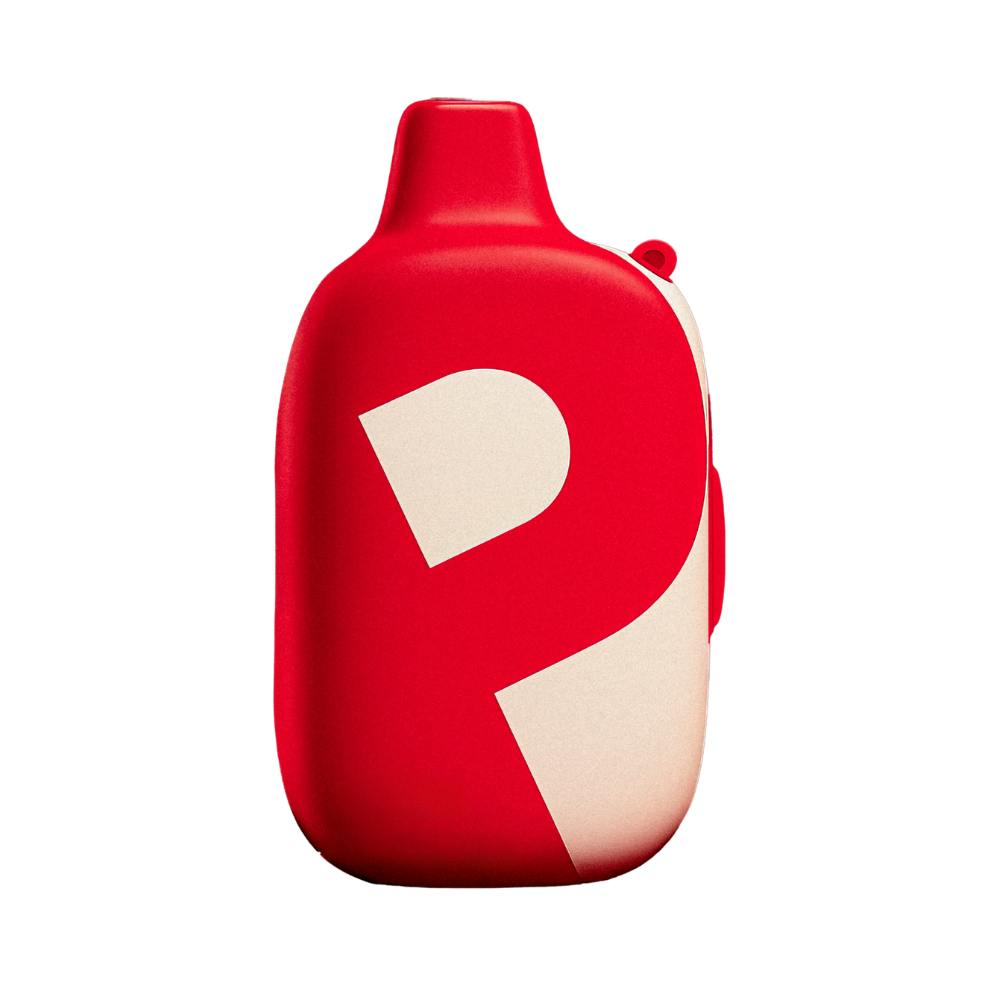
Preferred GardensPreferred | Lemon Head | Cured Resin AIO Vape · 1g
$50.44
$57after tax

weeddispensarynearme.com
You must be 21 years or older to enter. By entering, you confirm you’re of legal age in your state to purchase cannabis.
For use only by adults 21+ • Keep out of reach of children
1 live products in stock
Quick answer · What is the Lemon Head cannabis strain?
Lemon Head arrives with the kind of bright, citrus-forward presence that commands attention without demanding it. A sativa-leaning hybrid built for clarity and lift, it carries the warmth of sun-ripened lemons through every stage of the experience — from the first inhale to the slow, graceful descent. Sophisticated yet approachable, Lemon Head has earned a quiet reputation among those who prefer their elevation cerebral, their afternoons productive, and their palate well-considered.
$57after tax
About Lemon Head
Lemon Head's precise genetic lineage is somewhat debated across public cannabis databases, though it is most commonly attributed to a cross involving Lemon Skunk and an additional sativa-dominant cultivar, with some sources suggesting a Lemon OG influence in certain phenotypes. Lemon Skunk itself is a well-documented cultivar developed by Dutch Passion Seeds, arising from two select Skunk phenotypes chosen specifically for exceptional citrus expression — a lineage that traces back through Skunk No. 1 to foundational Colombian, Mexican, Afghani, and Acapulco Gold genetics. The strain gained regional traction in the early-to-mid 2010s, when lemon-forward cultivars were experiencing a notable resurgence in craft cannabis circles on both coasts. Its sativa-leaning architecture and clean aromatic profile positioned it favorably among connoisseurs who had grown weary of heavier, more resinous indica-dominant offerings dominating the market at that time. A notable genetic sibling in this lineage family is Lemon Haze, which shares the Lemon Skunk parentage and presents a similarly energetic effect profile. Some breeders have also released Lemon Head phenotypes emphasizing tighter bud structure and more pronounced terpinolene expression, suggesting the strain has undergone meaningful selection work across multiple grow operations. The breeder of record for the most widely circulated Lemon Head cut has not been publicly confirmed with consistency across sources.
Lemon Head tends to announce itself with relative promptness — most consumers report the onset of cerebral effects within five to fifteen minutes of inhalation, beginning as a gentle brightening of mental focus before expanding into a more pronounced sense of social ease and creative openness. The initial phase is characteristically uplifting without tipping into anxiety, a quality that reflects its sativa-leaning architecture and the likely influence of limonene on mood modulation. At its peak, the experience leans decidedly cerebral. Thoughts arrive with a certain fluency; conversation feels natural; the sensory environment takes on a mild but pleasing sharpness. Body sensation is present — a light, even warmth that settles across the shoulders and chest — but it rarely dominates. This balance is part of what makes Lemon Head appealing to those who want functional elevation rather than sedation. Duration for most consumers falls in the two-to-three-hour range, with a comedown that is gradual and unhurried. As the peak recedes, the cerebral brightness softens into a calm, grounded contentment — occasionally accompanied by a mild appetite signal consistent with myrcene's known contributions to the entourage effect. New consumers are encouraged to start with modest quantities and allow adequate time between sessions, as sativa-leaning hybrids can occasionally amplify sensitivity to sensory input.
The terpene profile of Lemon Head is anchored by limonene, the monoterpene responsible for its defining citrus character. Limonene presents here as bright, almost effervescent — evoking freshly zested lemon peel rather than candied sweetness, with a clean, slightly resinous edge that keeps the aroma grounded. Research consistently associates limonene with mood elevation and stress modulation, lending the aromatic experience a functional dimension beyond the purely sensory. Myrcene appears as a secondary presence, contributing an herbal, faintly earthy undertone that prevents the lemon-forward nose from reading as one-dimensional. It softens the profile in the way a drop of olive oil softens a vinaigrette — rounding the citrus sharpness without obscuring it. Terpinolene adds a layer of floral lift and mild piney brightness that is especially apparent on the break, where the flower opens to reveal a more complex interior aroma than the exterior initially suggests. On the palate, Lemon Head delivers a vapor or smoke experience that mirrors its nose with admirable fidelity. The inhale carries genuine lemon — zesty and clean — while the exhale introduces a subtle sweetness and the faintest trace of pine from caryophyllene and pinene respectively. Caryophyllene, also present in smaller measure, contributes a mild spice note on the back of the throat that adds texture to the finish. The overall palate impression is one of brightness and precision, with very little harshness at moderate temperatures.
Lemon Head buds present with the kind of structured density one expects from a well-selected sativa-hybrid phenotype — not as tightly packed as a classic indica, but far from airy or loosely formed. The calyxes stack in elongated, slightly tapered formations, giving the flower a purposeful, architectural quality when examined closely. The color palette trends toward medium-to-bright green, often accented by chartreuse highlights that seem to deepen under direct light. Pistils appear in warm amber and orange tones, threading through the bud in moderate density and providing pleasing visual contrast against the green base. Trichome coverage is notably generous for a sativa-leaning cultivar — a fine, even layer of milky to amber glandular trichomes gives the flower a frosted, slightly luminous quality that speaks to its resin production and aromatic intensity. Well-cultivated examples carry a visual weight that exceeds what the strain's energetic reputation might suggest.
Lemon Head is considered a moderately demanding cultivar, requiring attentive canopy management and consistent environmental control to express its best qualities. It performs well in both indoor and outdoor settings, though indoor cultivation under controlled humidity and temperature appears to reward growers with superior trichome development and more pronounced terpene retention at harvest. Flowering time indoors typically falls in the eight-to-nine-week range, which is consistent with its sativa-hybrid lineage. Yields indoors are reported as moderate to above-average when trained with methods such as low-stress training or light defoliation, both of which improve light penetration through its characteristically branchy structure. Outdoors, the plant tends to thrive in warm, Mediterranean-style climates with low humidity in the final weeks before harvest — a condition that encourages resin production and reduces mold risk on the denser portions of the canopy. Home cultivators with intermediate experience and a well-dialed environment will find this strain responsive and rewarding, though it is not generally recommended as a first-time grow.
Lemon Head occupies a particular niche in the day's architecture — it belongs to the hours between noon and early evening, when the work is still underway but the mind has begun to tire of its own repetitions. Its cerebral lift and mood-brightening qualities make it well suited to creative tasks that require sustained focus without rigidity: writing, sketching, editing, or the kind of open-ended problem-solving that benefits from a slightly widened perspective. Socially, it functions with equal grace at a small gathering — a Sunday afternoon on a rooftop, a quiet pre-dinner hour with close company. The ease it lends to conversation is genuine rather than performative, making it a thoughtful choice when the company matters as much as the setting. For pairing, consider foods that share its terpene logic: a ceviche with fresh lime, a Meyer lemon tart, or a well-made gin and tonic (for those who drink). Musically, its tempo aligns naturally with mid-period Nile Rodgers productions or the cleaner corners of west coast jazz — rhythmically precise, warm in texture, and never overwhelming. The through-line is brightness with structure.
Lemon Haze
Sharing Lemon Skunk parentage, Lemon Haze offers a nearly identical citrus-forward nose and comparably energetic, cerebral effect profile, making it the most direct analog for Lemon Head enthusiasts.
Lemon Skunk
As a likely parent cultivar, Lemon Skunk delivers the same zesty limonene-driven aroma and uplifting disposition, though its Skunk lineage adds a slightly earthier, more pungent dimension to the experience.
Super Lemon Haze
A Lemon Skunk and Super Silver Haze cross from Green House Seeds, Super Lemon Haze shares Lemon Head's bright citrus character and sativa-dominant energy but with a more complex, multi-layered terpene expression.
Durban Poison
Consumers drawn to Lemon Head's clean mental clarity and functional daytime lift will find a similar experience in Durban Poison's focused, anise-forward sativa energy, though the aromatic profile shifts decidedly away from citrus.
Jack Herer
Jack Herer's pine-and-citrus terpene architecture and reputation for creative, clear-headed elevation make it a natural recommendation for those who appreciate Lemon Head's cerebral character and daytime utility.
Lemon Head is classified as a sativa-leaning hybrid. While it carries hybrid genetics — most commonly attributed to Lemon Skunk lineage — its effect profile skews decidedly toward the cerebral, uplifting qualities associated with sativa-dominant cultivars. Expect mental clarity and mood elevation rather than deep physical sedation. It is suitable for daytime or early-evening use for most consumers with moderate experience.
Lemon Head tastes precisely as its name implies — bright, clean citrus with a zesty lemon-peel quality on the inhale that gives way to a subtler sweetness and faint pine on the exhale. The terpene profile, anchored by limonene and complemented by terpinolene and caryophyllene, produces a palate experience that is refreshing and well-defined without veering into artificial or candy-like sweetness.
Consumers most commonly report an onset of uplifted mood and cerebral clarity within fifteen minutes, accompanied by a sociable, creative energy that sustains through the peak of the experience. Body effects are present but mild — a light, even warmth rather than sedation. The comedown is gradual and grounded. Overall, Lemon Head is regarded as a functional, daytime-appropriate cultivar suited to focused activity and social engagement.
Consumers who enjoy Lemon Head typically also appreciate Lemon Haze and Super Lemon Haze for their shared citrus-forward terpene profiles and sativa-dominant energy. Lemon Skunk, as a likely parent, offers a closely related experience with added earthiness. Jack Herer and Durban Poison appeal to the same consumer interest in clear-headed, daytime elevation, though their aromatic profiles diverge from Lemon Head's defining citrus character.
Lemon Head can be approachable for newer consumers, though its sativa-leaning energy occasionally amplifies sensory sensitivity or racing thoughts in those unaccustomed to more cerebral effects. As with any cannabis product, a start-low, go-slow approach is strongly recommended — particularly for first-time or infrequent consumers. Selecting a comfortable, familiar environment and having no demanding obligations in the immediate hours following consumption is always a sensible practice.
Lemon Head's terpene profile is led by limonene, which accounts for its signature citrus aroma and is associated with mood elevation in the broader terpene literature. Secondary terpenes commonly identified include myrcene, which contributes herbal depth and body-softening qualities, and terpinolene, which adds floral and piney brightness. Caryophyllene appears in smaller concentrations, lending a mild spice character to the finish on both aroma and palate.
Lemon Head is best suited to daytime and early-evening hours when its cerebral, uplifting character can be fully appreciated without interrupting sleep or evening wind-down routines. It pairs naturally with creative work, light social settings, or active leisure activities undertaken in the afternoon. Its moderate duration — typically two to three hours — makes it a practical choice for structured daytime use where the consumer intends to remain engaged and functional.
Lemon Head is most commonly attributed to Lemon Skunk genetics, with some phenotypes potentially incorporating Lemon OG influence, though the definitive breeder of record has not been publicly confirmed with consistency across major cannabis databases. Lemon Skunk itself descends from carefully selected Skunk No. 1 phenotypes developed by Dutch Passion Seeds. The strain's precise lineage should be considered partially debated until a primary breeder provides public documentation.
Related strains
Pick your store
We'll show pricing, deals, and delivery zones for the store you pick. You can switch any time from the header.