Spend $100, Save $10
THC 29.98%Hybrid
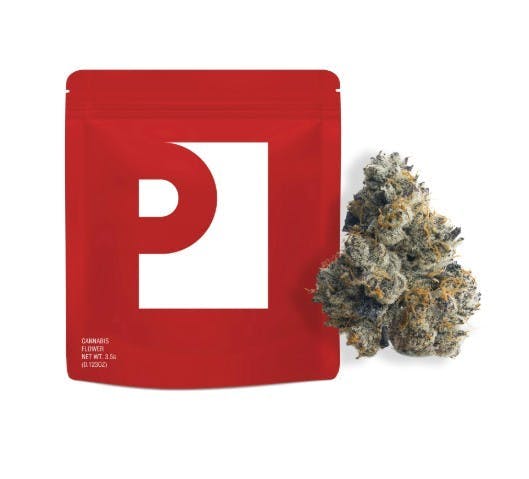
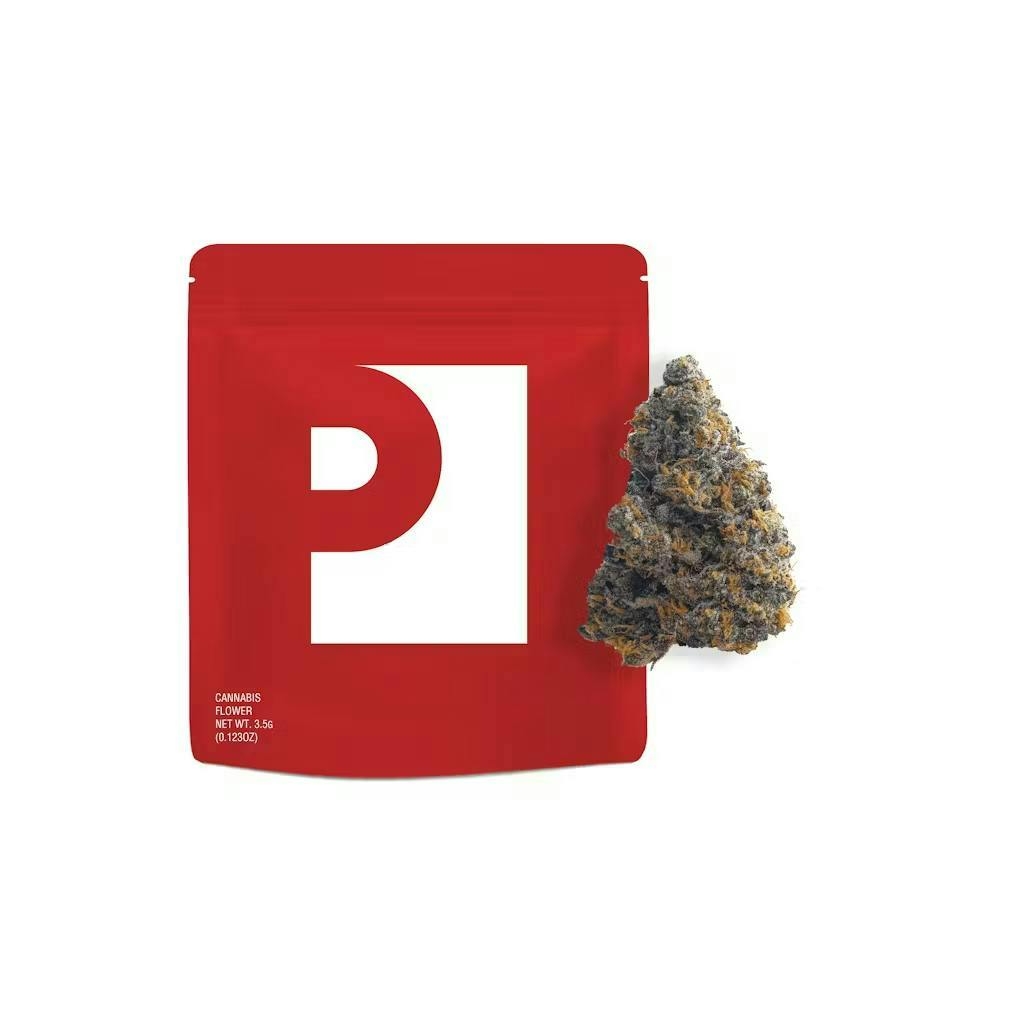
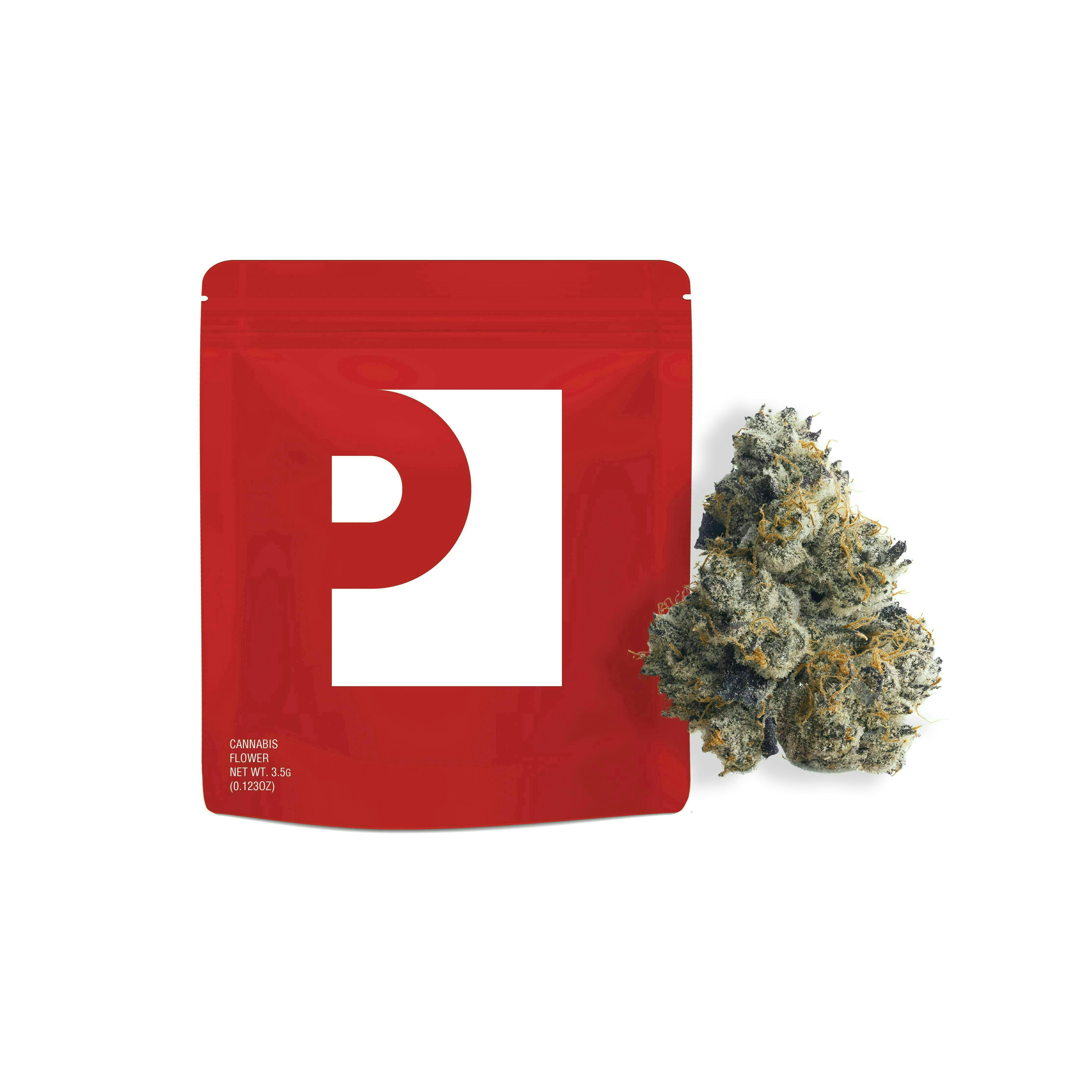
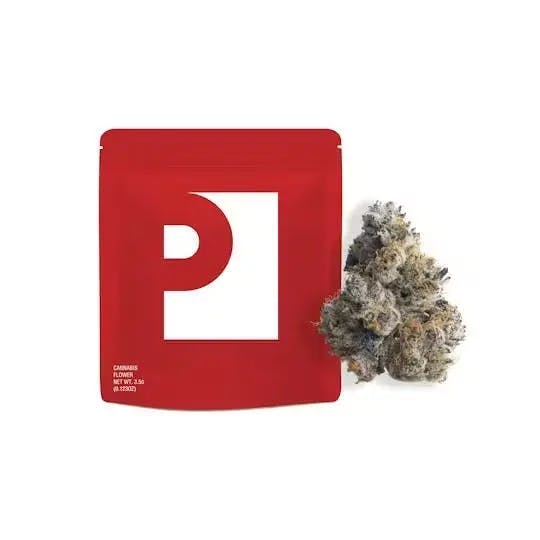
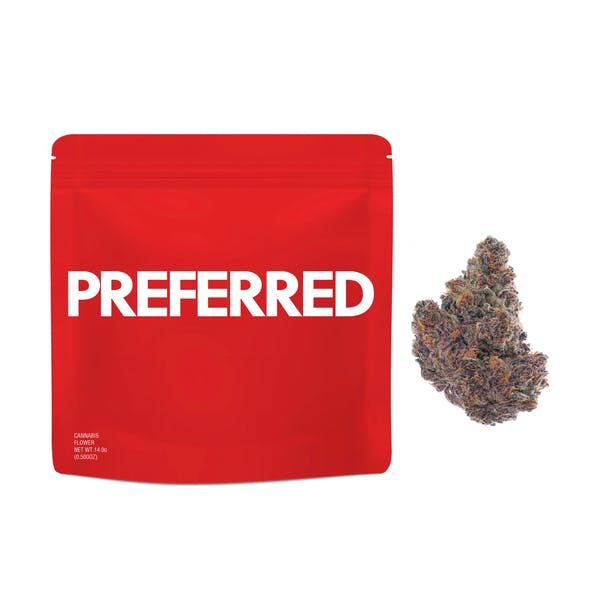
Preferred GardensPreferred Gardens | Blue Dream | Flower · 3.5g
$44.25
$50after tax

weeddispensarynearme.com
You must be 21 years or older to enter. By entering, you confirm you’re of legal age in your state to purchase cannabis.
For use only by adults 21+ • Keep out of reach of children
Brand · 24 products live
Preferred Gardens was founded by David Polley in 2015 and has been cultivating since 2005. Preferred Gardens was prominent in the medical market long before legalization and remains a legacy cannabis brand; family-owned and operated with absolutely no investors. Preferred Gardens specializes in large-scale, mixed light greenhouse production and indoor cannabis cultivation. The Preferred state-of-the-art operations focus on culture, quality control, consistency and one-of-a-kind affordable strain selections. Currently the Preferred library proudly houses over 260 strains that have not been purchased from nurseries, rather have been bred or pheno-hunted from seed. And this is just the beginning. Preferred has its sight on world-wide sales with both mixed-light and indoor cannabis products, introducing multiple new strains each year. When you talk with David you quickly understand his genuine love for the plant. He is obsessed with his craft and serving the countless people who continue to be helped by the Preferred cannabis offerings. The Preferred family sends heartfelt thanks for your continued support of Preferred Gardens.

Quick answer · What is the Preferred Gardens cannabis brand?
Preferred Gardens is a family-owned, investor-free cannabis cultivator with roots stretching back to 2005 and a formal founding in 2015 under David Polley. The brand built its reputation in the medical market long before adult-use arrived, and it carries that legacy forward through mixed-light greenhouse and indoor cultivation, an unusually deep strain library of over 260 cultivars, and a consistent, affordable flower program that rewards both the curious newcomer and the seasoned connoisseur.
Preferred Gardens is a family-owned, investor-free cannabis cultivator with roots stretching back to 2005 and a formal founding in 2015 under David Polley. The brand built its reputation in the medical market long before adult-use arrived, and it carries that legacy forward through mixed-light greenhouse and indoor cultivation, an unusually deep strain library of over 260 cultivars, and a consistent, affordable flower program that rewards both the curious newcomer and the seasoned connoisseur.
Preferred Gardens traces its cultivation history to 2005, making it one of the longer-tenured operations to enter the New York adult-use market. David Polley formally established the brand in 2015, a period when the regulated medical cannabis landscape was beginning to take shape in several states and legacy cultivators were weighing whether to professionalize or remain outside the system. Polley chose formalization without sacrificing independence: Preferred Gardens has operated with no outside investors since its founding, a distinction the brand makes explicit in its public positioning and one that carries real weight in an industry increasingly shaped by private-equity consolidation. The brand's entry into the medical market gave it years of operational discipline before recreational legalization created the demand pressures that have challenged newer operators. That runway translated into a cultivation program focused on culture, quality control, and consistency rather than rapid SKU expansion for its own sake. The result is a strain library that, by the brand's own account, now exceeds 260 cultivars — a figure that reflects genuine collector-level genetics work rather than a marketing exercise. For New York adult-use shoppers accustomed to limited menus from younger brands, Preferred Gardens represents a different kind of proposition: accumulated horticultural knowledge, family accountability, and a catalogue broad enough to offer something genuinely novel on repeat visits.
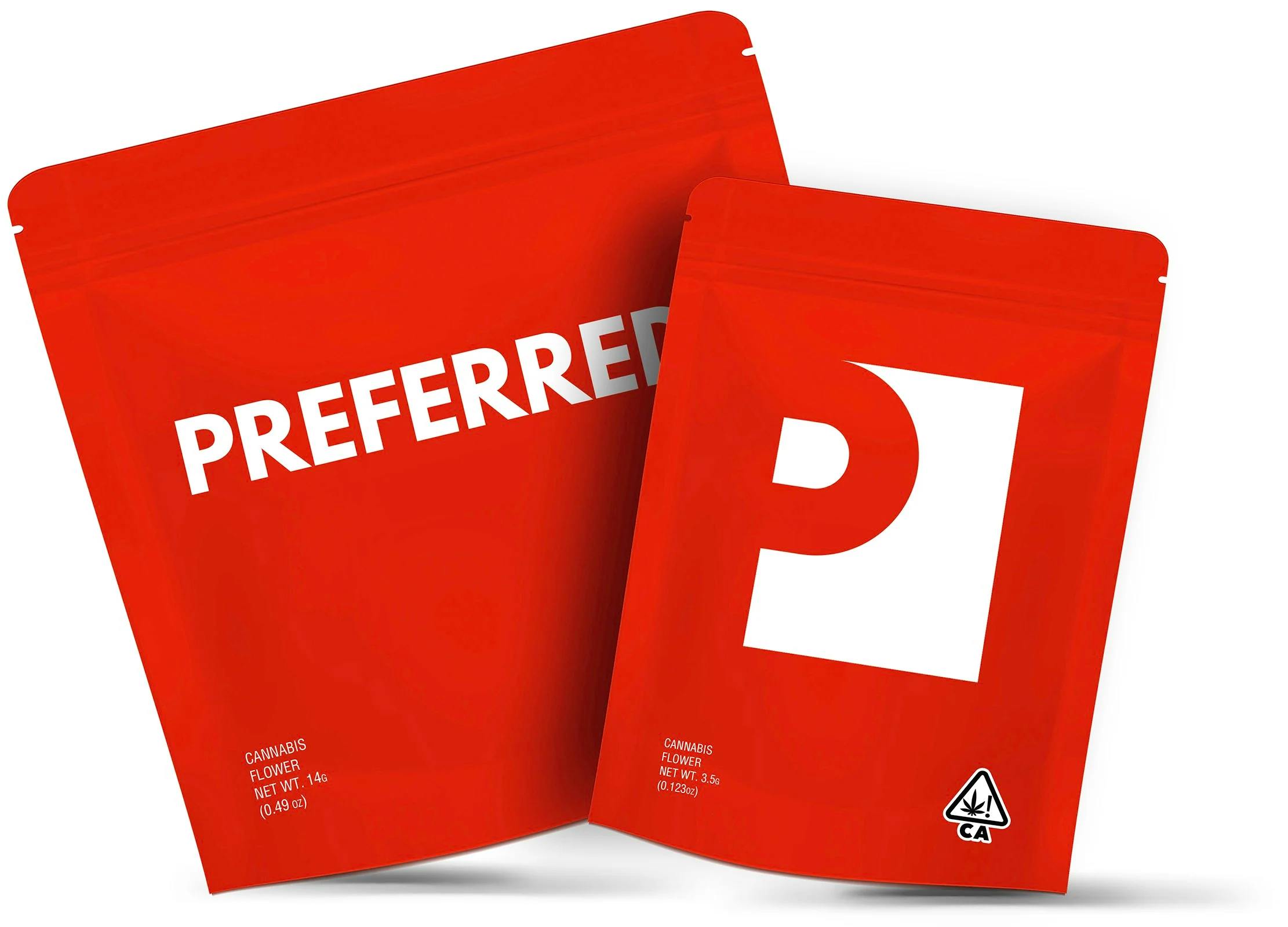
Preferred Gardens does not position itself within the glossy, minimalist luxury tier that has come to define much of the premium New York shelf. Its design language and brand voice are grounded and utilitarian — closer to a well-regarded independent farm stand than to a fashion-forward lifestyle label. The name itself signals horticultural seriousness, and the brand's communication leans into the cultivator identity rather than lifestyle aspiration. Packaging tends to reflect function and accessibility over ornament, consistent with the brand's stated commitment to affordability. The shopper persona is someone who prioritizes what is inside the package over the package itself — a cannabis enthusiast who reads lab results, appreciates genetic depth, and is skeptical of brands whose story begins and ends with a logo. Preferred Gardens sits comfortably in the prosumer mid-tier: priced to be approachable on a regular basis, yet grown with the kind of attentiveness typically associated with craft producers. This positioning makes it an easy recommendation for consumers transitioning from the legacy market into the licensed adult-use system, as well as for experienced buyers who find the marketing-heavy end of the shelf unconvincing.
Preferred Gardens employs a hybrid production model combining mixed-light greenhouse cultivation with dedicated indoor grows — an approach that balances scale with quality in a way that neither sun-grown outdoor nor fully controlled indoor alone can achieve. Mixed-light greenhouse production allows the plants to benefit from natural sunlight spectrum while supplemental artificial lighting fills gaps during lower-light periods and extends the viable growing season. This method is associated with robust terpene development, as plants responding to natural photoperiod fluctuations often express aromatic profiles with more complexity than those grown entirely under fixed-spectrum artificial light. The indoor component of Preferred Gardens' operation provides the environmental precision needed for cultivars that are particularly sensitive to humidity, temperature, or light-cycle management. Together, the two environments allow the brand to run a catalogue of over 260 strains without sacrificing the per-cultivar attention that genetic diversity demands. Harvest cadence, drying, and curing practices are consistent with a production culture shaped by years in the medical market, where quality control and batch consistency were regulated requirements rather than optional differentiators. The brand's public positioning emphasizes culture — meaning the living microbial and environmental ecosystem of the grow — as a foundational element of quality, which aligns with current industry thinking around water activity, cure duration, and terp retention as markers of well-finished flower.
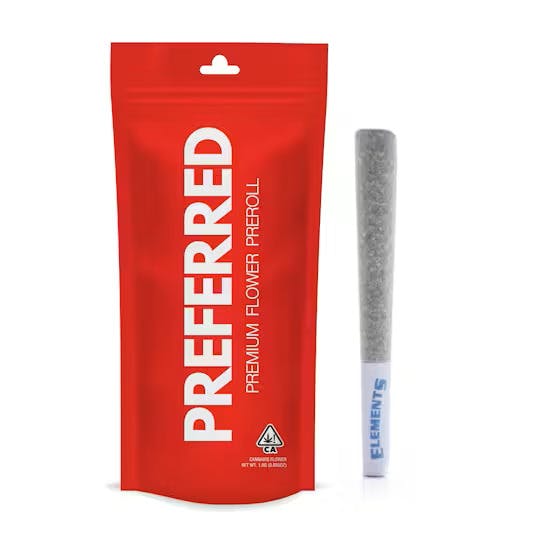
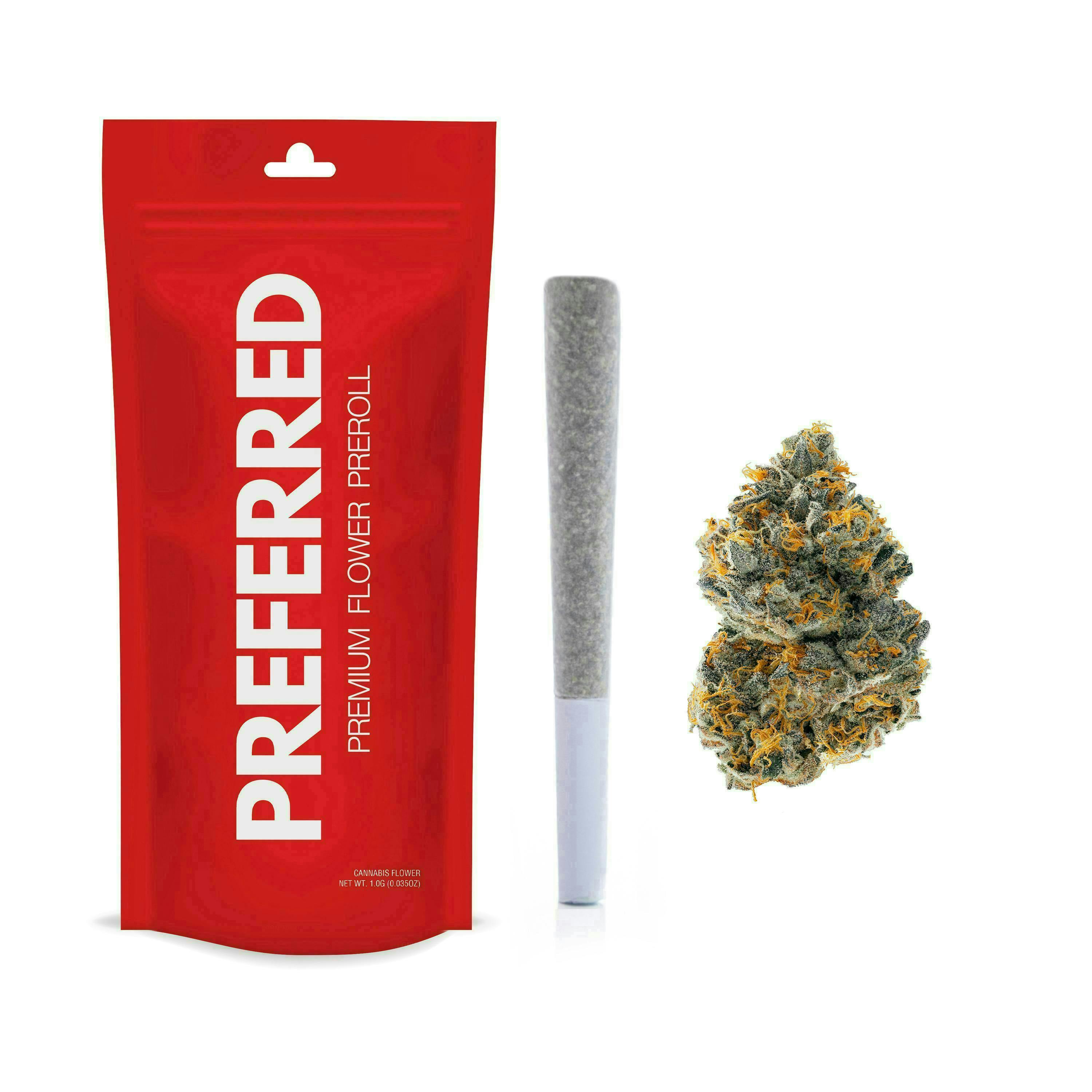
Preferred Gardens is known primarily for its flower and pre-roll offerings — the two categories it carries in the New York adult-use market — and the brand's most distinctive asset within those categories is the breadth and depth of its strain library. With over 260 cultivars documented, the brand can present rotating selections across a wide range of effect profiles, terpene expressions, and lineage backgrounds in a way that few operators of comparable scale attempt. This variety-first philosophy means the flower program functions less like a fixed menu and more like a seasonal catalogue, rewarding repeat customers with genuine novelty rather than the same four or five house strains restocked indefinitely. The pre-roll format at Preferred Gardens benefits directly from this genetic depth: rather than being limited to shake or trim from a narrow set of workhorse strains, the brand can offer pre-rolls that reflect specific cultivar characteristics. For the New York consumer accustomed to pre-rolls as a commodity format, this represents a meaningful step up. Both flower and pre-rolls are positioned at accessible price points, reinforcing the brand's ethos that craft-level cultivation does not require a craft-luxury premium at retail.
Preferred Gardens is a natural fit for the cannabis consumer who approaches the dispensary the way a serious cook approaches a farmers market — with genuine curiosity about what is available this week and a preference for producers who can speak to provenance and process. The brand's deep strain library makes it particularly well-suited to exploratory weekend sessions, where the goal is to try something unfamiliar and evaluate it on its own terms rather than to reach for a known quantity. The accessible price positioning also makes Preferred Gardens a strong candidate for the everyday flower buyer who does not want to compromise on grow quality to maintain a sustainable habit. It is not a gifting brand in the luxury-presentation sense, but it is an excellent recommendation for a fellow enthusiast who values genetic variety and farm credentials over packaging theater. The pre-roll format extends its reach to casual social occasions — a walk in the park, an evening on the roof, a low-key gathering — where the convenience of a ready-made format and the quality assurance of a proven cultivator are both welcome.
Preferred Gardens entered the New York adult-use market through the state's licensed wholesale and retail distribution network, carrying its history as a medical-market cultivator into the regulated adult-use system following the Marihuana Regulation and Taxation Act's implementation. The brand is family-owned and operated by David Polley with no outside investors, a structure it has maintained since formal founding in 2015. The cultivation history the brand cites dates to 2005, predating formal licensing in any state market and reflecting a legacy-operator background that is common among brands that moved from unregulated to regulated production. Preferred Gardens has not publicly disclosed social-equity certification, women-owned designation, or BIPOC-owned status as part of its brand identity. The specific states beyond New York in which the brand currently holds active licenses or distribution agreements have not been comprehensively documented in available public sources, and the brand's own public materials focus primarily on its New York presence and its medical-market heritage.
$50after tax
$16after tax
$50after tax
$50after tax
$50after tax
$50after tax
$50after tax
$50after tax
$50after tax
$17after tax
$50after tax
$50after tax
$50after tax
$50after tax
$170after tax
$50after tax
$50after tax
$50after tax
$57after tax
$57after tax
$57after tax
$57after tax
$57after tax
$57after tax
Preferred Gardens cultivates cannabis using a combination of mixed-light greenhouse and indoor production environments. The brand has been growing since 2005 and formalized its operation under founder David Polley in 2015. Its state-of-the-art facilities are designed for large-scale production without sacrificing per-cultivar quality control, though the specific geographic location of its primary grow sites has not been widely detailed in public sources.
Preferred Gardens operates in the New York adult-use market and sells flower and pre-rolls through licensed adult-use dispensaries in the state. The brand entered New York's regulated market following the implementation of the Marihuana Regulation and Taxation Act. For the most current and precise licensing status, the New York Office of Cannabis Management's public license registry is the authoritative source.
Preferred Gardens is best known for its exceptional strain library, which by the brand's own account spans over 260 cultivars — one of the broadest genetics catalogues among licensed cultivators publicly operating in the New York market. This depth, combined with a family-owned, investor-free structure and roots in the medical cannabis market dating to well before adult-use legalization, distinguishes the brand from newer, marketing-led operators.
If you are new to the brand, loose flower is the most direct way to experience what Preferred Gardens does well: the terpene profiles, bud structure, and cure quality that come from a cultivator with nearly two decades of growing experience. The pre-roll format is a strong second choice for convenience without sacrificing the genetic variety that defines the brand's catalogue, and it is a practical entry point for those exploring the range on multiple occasions.
Preferred Gardens occupies the prosumer mid-tier rather than the luxury segment. The brand's explicit commitment to affordability and its investor-free, family-run structure position it as a high-quality, accessible option rather than a prestige label. Consumers who prioritize cultivation craft and genetic depth over premium packaging will find it punches well above its price point, but it is not marketed as a luxury or fashion-forward product.
Preferred Gardens is owned and operated by David Polley, who founded the brand formally in 2015 after a decade of cultivation experience dating to 2005. The brand has publicly stated that it operates with no outside investors, making it one of the few fully independent, family-run operations in the licensed cannabis market. No acquisition, licensing deal, or equity partnership involving the brand has been reported in available public sources.
Preferred Gardens has publicly stated that its genetics library contains over 260 strains — a figure that reflects years of pheno-hunting, breeding, and cultivar preservation work rather than a single season's menu. Not all 260-plus cultivars are available at any given retailer at any given time; the selection at a dispensary like ZenZest will reflect current harvest availability and wholesale agreements. Checking the live menu is the most reliable way to see what is in stock.
Florist Farms
Another New York-rooted cultivator with a legacy-market background and a focus on sun-grown and greenhouse flower quality over lifestyle branding, appealing to the same provenance-conscious shopper.
Fable
Shares Preferred Gardens' emphasis on small-batch, cultivation-forward flower and attracts consumers who read the back of the package before the front.
Sunken Treasure
A craft-oriented New York operator whose genetic curiosity and rotating strain selections mirror the variety-first philosophy that defines Preferred Gardens' catalogue.
Robhots
While focused on edibles rather than flower, Robhots shares the no-frills, quality-over-presentation ethos and value positioning that Preferred Gardens cultivates in the flower category.
Ayrloom
A New York heritage cultivator whose farm-to-consumer transparency and emphasis on heirloom genetics will resonate with shoppers drawn to Preferred Gardens' deep strain library and agricultural seriousness.
Pick your store
We'll show pricing, deals, and delivery zones for the store you pick. You can switch any time from the header.