Manhattan · Flower
Best Flower in Financial District, Manhattan
The Financial District moves at its own relentless pace — early mornings on Broad Street, long closes near the New York Stock Exchange, and evenings that finally exhale along the Hudson. For the adults of 10004, 10005, 10006, and 10038 seeking licensed cannabis flower, this guide covers everything worth knowing before you buy.
About Flower
Cannabis flower remains the most direct expression of the plant. Unlike edibles or vape cartridges, whole or ground flower preserves the full terpene and cannabinoid profile developed during cultivation, giving experienced consumers and curious newcomers alike a transparent window into what they are actually consuming. When you purchase flower from a New York State licensed dispensary, you are receiving a product that has passed laboratory testing for potency, pesticides, residual solvents, and microbials — a standard that unregulated market products simply cannot guarantee. New York's adult-use market, governed by the Office of Cannabis Management, has progressively brought sophisticated cultivars to licensed shelves. Shoppers can now find single-origin sungrown flower from upstate farms, as well as precisely controlled indoor harvests that emphasize consistent terpene expression. Common format options include whole-flower eighths and quarters, pre-ground options intended for convenience, and curated multi-strain samplers that some retailers offer for exploratory purchases. Potency figures on licensed New York flower packaging reflect total THC and total CBD after decarboxylation, meaning the numbers account for the conversion of THCA into THC when heat is applied. A product listed at 22 percent total THC will deliver meaningfully different effects than one at 14 percent, and neither number tells the complete story without also examining the terpene breakdown. Labels on compliant New York products increasingly include terpene data, and that information is worth reading carefully. For adults 21 and older, New York law permits possession of up to three ounces of cannabis flower. Consumption in privately owned indoor spaces where the property owner permits it remains the most straightforward legal setting. Open consumption on public streets or in vehicles is not permitted, a point that matters considerably in a dense urban neighborhood like the Financial District.
Flower for Financial District shoppers
The Financial District is not a neighborhood that coasts. The streets around Broad Street and Exchange Place carry the residual energy of a borough-sized industry compressed into a few dozen blocks. Residents of the converted loft buildings along Water Street and the newer high-rises near Battery Park City tend to work demanding schedules and value products that they can integrate thoughtfully into their routines — an evening wind-down after a long trading session, a quiet weekend morning before a walk through Battery Park itself, or a deliberate Friday night transition after a week on the floor. The ZIP codes here — 10004 covering the southernmost tip including Stone Street and the Whitehall Ferry Terminal, 10005 and 10006 anchoring the core blocks near Wall Street and Trinity Church, and 10038 extending north toward the Brooklyn Bridge and Fulton Center — together constitute one of the most transit-saturated corners of Manhattan. Many residents do not own cars. Delivery, consequently, is not a luxury here; it is the logical default for a neighborhood where a midday errand means navigating the 2, 3, 4, 5, A, C, J, and Z lines and their corresponding foot traffic. Seasonally, the Financial District rewards indoor-friendly consumption habits. Winters off the harbor are genuinely cold, with wind channeling up the narrow canyon streets between older office towers. Summers are humid. Residents who enjoy flower tend to be thoughtful about format — desktop vaporizers and quality glassware suited to an apartment setting tend to see more use than quick outdoor sessions. Choosing a cultivar that suits a calm, deliberate evening at home aligns naturally with how most Financial District adults actually live in their space.
What to look for
When shopping for flower in a licensed New York dispensary, the most useful starting point is the terpene profile rather than THC percentage alone. Myrcene, one of the most prevalent terpenes in cannabis, is associated with a grounding, physically relaxed quality — common in cultivars sometimes labeled indica-leaning. Limonene carries a brighter, more uplifting character, while pinene and ocimene tend to lend a crisp, clear-headed quality that some consumers prefer for daytime or early-evening use. Caryophyllene, which also appears in black pepper and cloves, is frequently cited in relation to a calm, settled feeling without significant sedation. Licensed New York products with full terpene disclosure on the label give you the information to make this comparison yourself. THC range is worth considering relative to your own familiarity with the category. Products in the 14 to 18 percent total THC range tend to offer pronounced effects without the intensity that very high-potency cultivars can produce, particularly for consumers who use flower occasionally rather than daily. The general principle — start low, go slow — applies here regardless of prior experience, especially when trying a new cultivar or a new grower's expression of a familiar strain name. Strain names are not standardized across the New York market, so two products both called by the same name may differ substantially depending on the cultivator. For Financial District residents specifically, format practicality matters. Whole-flower eighths stored in humidity-controlled packaging maintain freshness longest and offer the most flexibility — you can grind to preference, load a pipe, or use a desktop vaporizer. Pre-rolls from reputable licensed producers offer convenience on evenings when setup is a lower priority, though quality varies more widely across that format. Look for pre-rolls that disclose the strain and whether the product contains whole flower versus trim or shake. Licensed New York products must include this on compliant labeling.
Why ZenZest for flower in Financial District
ZenZest Cannabis Dispensary operates a licensed retail location at 2343 Forest Ave, Staten Island, NY 10303 — approximately 9.6 miles from the Financial District's core blocks near Broad Street and Battery Park. While that distance makes a walk-in visit a deliberate trip rather than a lunchtime errand, ZenZest's delivery program closes that gap meaningfully for residents of 10004, 10005, 10006, and 10038. Orders exceeding $100 qualify for free same-day delivery across more than 80 eligible New York ZIP codes, making it straightforward to have licensed flower — selected at your own pace through a curated digital menu — arrive at a Water Street address or a Battery Park City high-rise without navigating the Whitehall terminal. ZenZest approaches its product selection with the same attention to provenance and quality that Financial District residents tend to apply to other premium purchases. The menu reflects New York's licensed cultivator ecosystem, with flower options spanning a range of terpene profiles, potency levels, and price points. Whether you are stocking a considered home collection or sourcing a single eighth to evaluate a new cultivar, ZenZest's combination of licensed accountability, transparent product data, and reliable same-day delivery to Lower Manhattan makes it a practical anchor for cannabis shopping in this neighborhood.
ZenZest Staten Island · 2343 Forest Ave, Staten Island, NY 10303 · 9.6 miles from Financial District.
Live flower for Financial District
Full flower menu →
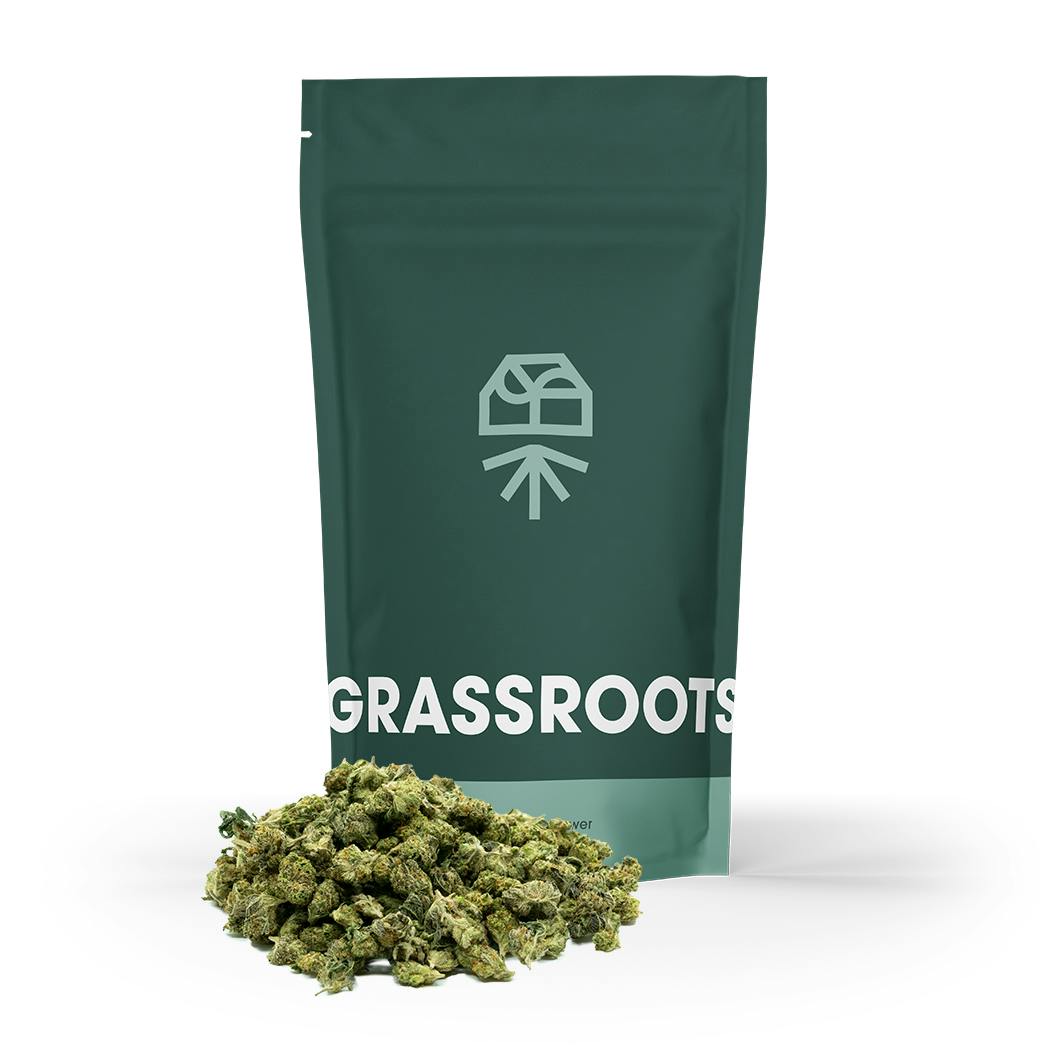
On sale· 20% OFF
THC 33.02%Hybrid
GrassrootsGrassroots Prepack Popcorn Flower Hybrid : Blue Lobster · 14g
$92.03$115.04
$107after tax
THC 32.88%Indica-Hybrid
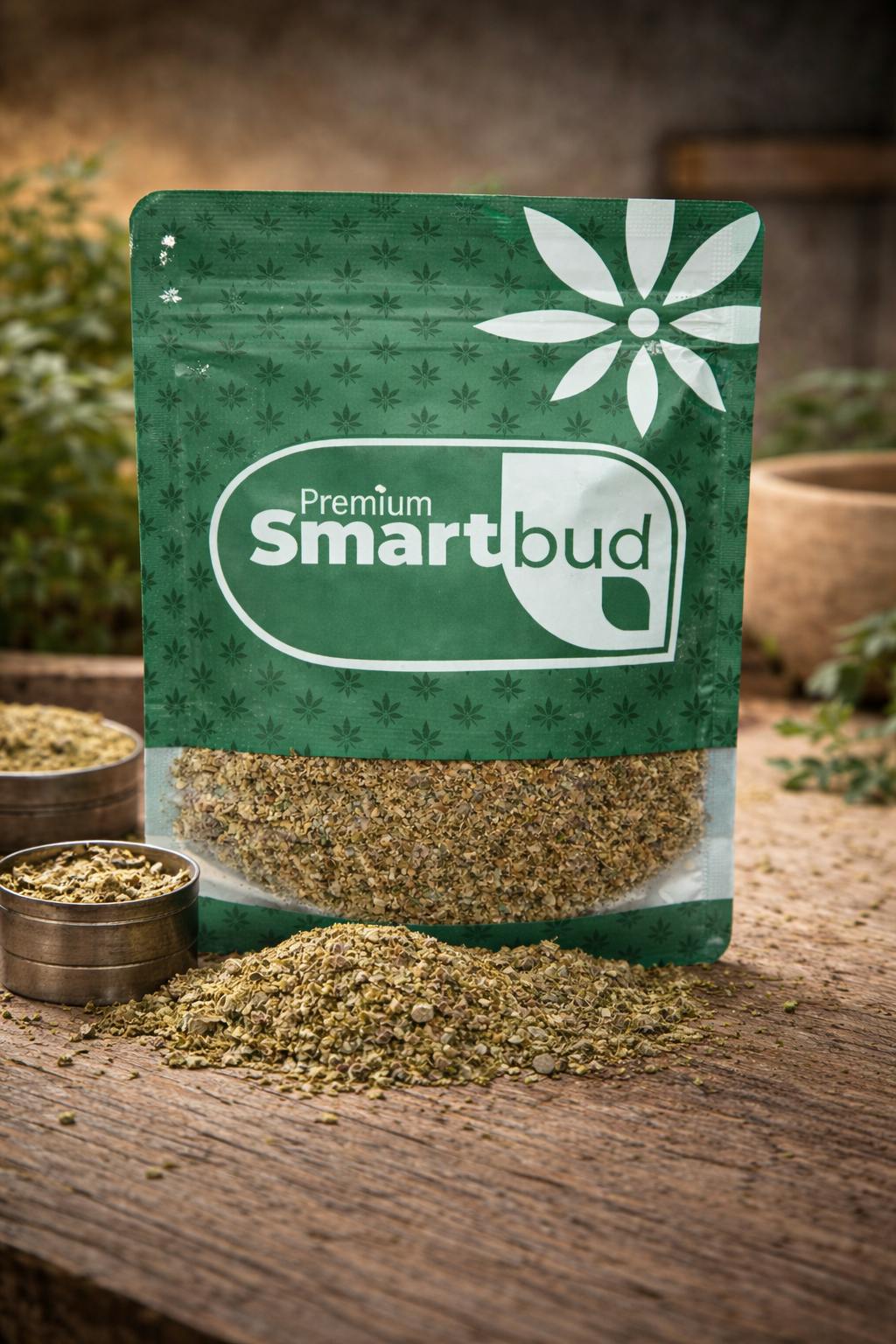
SmartBudSmartBud - Flower PreGround - Sunset Sherbert · 28g
$90.27
$102after tax
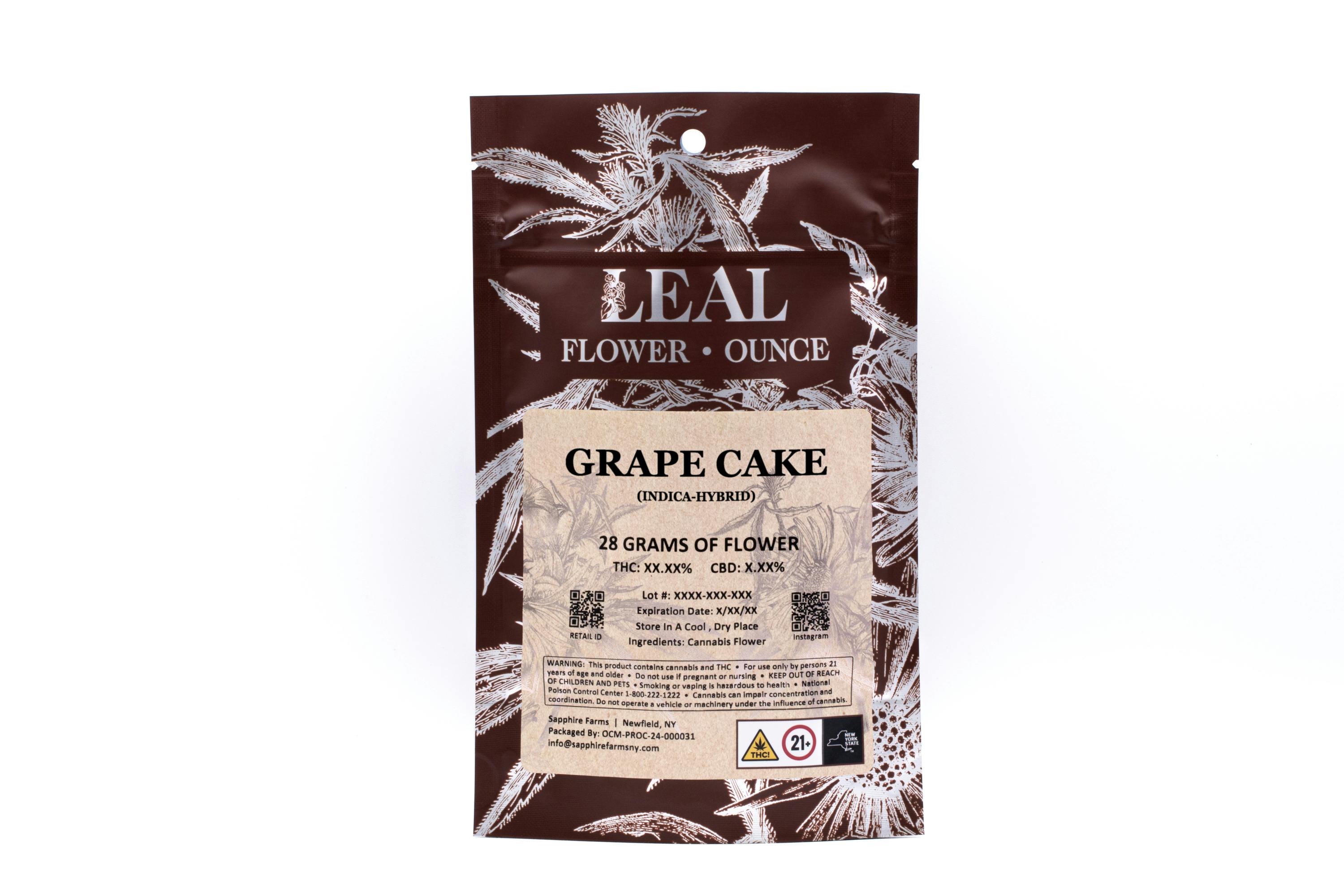
Flower in Financial District — answers
Is cannabis flower legal to purchase and possess in the Financial District?+
Yes. New York State adult-use cannabis law permits any adult 21 or older to purchase, possess, and consume cannabis flower. In the Financial District — covering ZIP codes 10004, 10005, 10006, and 10038 — the same state rules apply as anywhere in New York County. You may possess up to three ounces on your person. Consumption is permitted in private indoor spaces where the property owner allows it. Public consumption on streets near Wall Street or Battery Park is not permitted under state law.
What should I look for on the label when buying licensed flower in New York?+
New York State licensed flower packaging must include total THC and total CBD percentages calculated post-decarboxylation, harvest or packaging date, licensed cultivator name, and a batch-level certificate of analysis tied to third-party laboratory testing. Better products will also include a terpene breakdown listing dominant terpenes and their percentages. This information gives you a far more complete picture of what you are purchasing than THC numbers alone, which is why it is worth choosing products and retailers that provide full disclosure.
How does terpene profile affect the experience of cannabis flower?+
Terpenes are aromatic compounds found across the plant world — in citrus peel, pine needles, black pepper, and hops, among many others. In cannabis flower they work alongside cannabinoids to shape the character of the effect, a relationship researchers sometimes call the entourage effect. Myrcene tends toward a heavier, more physically settled quality. Limonene is often associated with a brighter mood. Pinene can lend clarity. Caryophyllene is noted for calm. When you are shopping for flower after a long day in the Financial District, a myrcene-forward cultivar and a limonene-forward one are likely to feel quite different.
What is a reasonable THC range for someone newer to cannabis flower?+
For adults newer to cannabis or returning after a long break, products in the 12 to 17 percent total THC range are generally considered approachable. This range allows for noticeable effects without the intensity that very high-potency cultivars — some of which exceed 28 to 30 percent on licensed New York shelves — can produce. The principle of starting with a small amount and waiting before consuming more applies regardless of potency level. Terpene profile and individual physiology both influence how a given product feels, so the percentage is a starting point, not a guarantee.
Can ZenZest deliver cannabis flower to my apartment in the Financial District?+
Yes. ZenZest Cannabis Dispensary offers same-day delivery on orders over $100, covering more than 80 New York ZIP codes. The Financial District's ZIP codes — 10004, 10005, 10006, and 10038 — fall within the delivery area. The nearest ZenZest retail location is at 2343 Forest Ave on Staten Island, about 9.6 miles away, but the delivery program means residents of buildings along Water Street, near Stone Street, or in Battery Park City can receive licensed flower without making that trip.
What is the difference between whole flower and pre-ground flower for purchase?+
Whole flower, sold as intact buds typically in one-eighth or one-quarter ounce quantities, retains terpenes and structural integrity longer than pre-ground product, particularly when stored in humidity-controlled packaging at roughly 55 to 62 percent relative humidity. Pre-ground flower trades some of that freshness for convenience — it is ready to load directly into a pipe or rolling paper without additional preparation. For Financial District residents who prize a deliberate evening routine, whole flower with a quality grinder tends to deliver a more consistent and aromatic experience over the life of the purchase.
How should I store cannabis flower in a Manhattan apartment?+
Proper storage significantly extends the quality of licensed flower. Airtight glass jars with a small humidity pack — typically calibrated to 58 or 62 percent relative humidity — are widely recommended. Keep the container in a cool, dark location away from direct light and heat sources. Manhattan apartments, particularly in Financial District buildings with steam heating in winter, can become quite dry, which accelerates terpene degradation. Avoid storing flower in the freezer, as repeated temperature cycling damages trichomes. A dedicated storage jar is a modest investment that protects a more significant one.
Are sungrown and indoor flower meaningfully different for a consumer?+
Sungrown cannabis, cultivated in greenhouses or outdoor farms using natural light — some of New York State's licensed farms operate in the Hudson Valley and across Central and Western New York — typically produces flower with a somewhat different terpene complexity than indoor-grown product. Indoor cultivation under artificial lighting allows growers to tightly control temperature, humidity, and light cycles, often producing denser buds and consistent cannabinoid profiles. Neither is categorically superior; they represent different cultivation philosophies. Upstate New York sungrown cultivars have attracted considerable interest in the licensed market for their terroir-forward quality.
What occasions do Financial District residents most commonly associate with flower use?+
Based on the neighborhood's character — long weekday hours driven by finance, law, and adjacent industries, combined with a relatively quieter weekend residential rhythm — the most common occasions tend to be evening decompression after demanding work days and more leisurely weekend sessions, particularly in the warmer months when Battery Park and the Hudson River Greenway offer appealing outdoor settings. The cold-weather months favor at-home consumption, often paired with deliberate downtime. Flower's immediacy of onset relative to edibles makes it well suited to evening transitions where timing matters.
How do I evaluate whether a New York licensed flower product is fresh?+
The most reliable indicators are the packaging or harvest date printed on the label and the physical condition of the flower itself. Licensed New York products must include this date. Flower less than six months from harvest, stored in humidity-controlled packaging, is generally considered fresh. On inspection, quality flower should feel slightly springy rather than bone dry or excessively moist. The aroma should be pronounced and terpene-specific — a cultivar high in limonene should smell citrus-forward. Faded color, a hay-like smell, or crumbling texture are signs of age or improper storage.