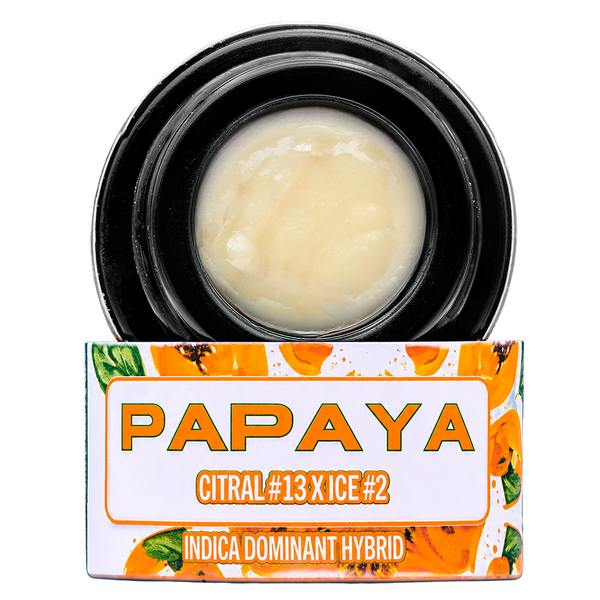
On sale· 20% OFF
THC 81.28%·CBD 0.26%Indica-Hybrid
UmamiiUmamii | Live Rosin Jar | Papaya · 2g
$80.70$100.88
$94after tax

weeddispensarynearme.com
You must be 21 years or older to enter. By entering, you confirm you’re of legal age in your state to purchase cannabis.
For use only by adults 21+ • Keep out of reach of children
The Financial District moves at a pace all its own — the pre-dawn Bloomberg terminals, the midday sprint across Stone Street, the ferry crowd filing out toward Battery Park at dusk. For residents and professionals in ZIP codes 10004 through 10038, solvent-free rosin has emerged as the concentrate of choice: a product as refined in its process as the neighborhood demands, and as transparent as the district's glass towers.
About Rosin
Rosin occupies a singular position in New York's licensed adult-use concentrate market. Unlike hydrocarbon extracts that rely on butane or propane as solvents, rosin is produced entirely through the application of heat and pressure — nothing is introduced to the plant material that was not already there. The result is a full-spectrum extract that preserves the original terpene and cannabinoid profile of the cultivar with a fidelity that more aggressive extraction methods cannot match. In a regulated market like New York's, that transparency matters: every batch sold through an OCM-licensed dispensary must carry a certificate of analysis, and rosin's solvent-free nature means consumers are evaluating the plant itself, not residual chemistry. New York licensed rosin comes in several textures, each the product of slightly different post-processing conditions. Fresh-press rosin — collected immediately from the bag and chilled — tends to retain a saucy, fluid consistency rich in volatile monoterpenes. Cold-cure rosin, rested at low temperatures over days, develops a budder or badder texture with a creamier mouthfeel. Hash rosin, made from ice-water-extracted bubble hash rather than whole flower, represents the category's premium tier: the additional washing step removes plant lipids and waxes before the press, yielding a purer, more translucent final product with a cleaner finish on the palate. For the concentrate enthusiast, rosin rewards patience and attention in a way that vapes and edibles do not. It is a product that invites comparison between cultivars, between harvest dates, between single-source farms in the Hudson Valley and those in Long Island's emerging cultivation corridor. New York's seed-to-sale tracking system means that licensed rosin carries provenance information all the way back to the cultivar and the grower — a level of accountability that mirrors the due-diligence culture of the district itself. Potency varies considerably by batch and source, but licensed New York rosin commonly tests between 60 and 85 percent total cannabinoids, with terpene content often landing between three and eight percent — figures that reflect how much of the plant's character has been retained through the gentle extraction process.
Rosin for Financial District shoppers
The Financial District is not a neighborhood that indulges inefficiency. From the traders who clock in before sunrise at 10006 office towers to the legal and tech workers who commute in through Fulton Street and Broad Street stations, the people who live and work here tend to value precision and intention in their choices — including their cannabis. Rosin fits that sensibility. It is not a casual or impulsive category; it requires a device, a dab tool, and a moment of deliberate preparation. That considered ritual pairs naturally with the district's after-hours decompression culture: the quiet apartment above Stone Street's cobblestones, the Battery Park terrace with its harbor views, the Friday evening that finally belongs to the person who earned it. Seasonality plays a quiet but real role in how rosin is enjoyed along the East River waterfront. The FiDi winter is uncompromising — wind tunnels form between the towers of Broadway and Water Street, and the walk from the 4/5 platform at Wall Street to a residential building in 10004 can feel genuinely arctic by February. In that context, staying in and settling into a dab rig session becomes not just appealing but logical. Summer evenings around Battery Park, by contrast, invite a lighter touch — lower-temperature dabs, terpene-forward fresh-press rosins with a bright citrus or floral profile that complements an open window and the ambient sound of the harbor. The neighborhood's demographic skews toward adults with disposable income and a preference for quality over volume — the same profile that gravitates toward single-origin coffee, natural wine, and small-production spirits. Rosin, as the craft expression of cannabis concentrates, occupies that same cultural register. For the FiDi resident already accustomed to paying a premium for verifiable quality, licensed hash rosin represents an entirely coherent luxury purchase.
What to look for
Selecting a rosin in today's New York licensed market begins with understanding what the certificate of analysis actually tells you. Total THC and total cannabinoids are the headline figures, but the terpene panel — listed either as a percentage of total weight or in milligrams per gram — is the more informative document for experienced consumers. Myrcene dominance typically indicates a heavier, more sedating effect profile well suited to the end-of-a-long-trading-day unwind; limonene and terpinolene forward profiles skew brighter and more energetic, appropriate for a creative evening rather than a restorative one. Beta-caryophyllene, found in many savory and spiced cultivars, contributes a notably smooth character and is the only terpene known to interact directly with the endocannabinoid system's CB2 receptors — though no medical claims attend that observation. Format is a meaningful variable. Fresh-press rosin demands relatively prompt consumption and careful storage — ideally in a sealed silicone or glass jar at or below room temperature, which is straightforward in a climate-controlled FiDi apartment but worth planning for. Cold-cure badder is more stable and scoops cleanly from the jar, making it the more approachable option for those newer to dab-format concentrates. Hash rosin — the product of bubble hash pressed a second time — is the category's apex and commands a corresponding price; it rewards those who have already developed a palate for live resin or high-quality rosin and want a more refined expression of the cultivar. As a general orientation for those new to concentrates: start with a low temperature dab and a small amount. The experience scales quickly, and the full-spectrum terpene profile of a quality rosin is best appreciated at temperatures that preserve volatiles rather than combust them. A quartz banger or electronic dab device set between 450 and 550 degrees Fahrenheit is the range most seasoned concentrate consumers consider the sweet spot for flavor and effect balance — though individual preference and tolerance vary, and the guiding principle remains start low, go slow.
Why ZenZest for rosin in Financial District
ZenZest Cannabis Dispensary serves the Financial District from its Staten Island location at 2343 Forest Ave, Staten Island, NY 10303 — approximately 9.6 miles from the heart of the district, and reachable by ferry from the Whitehall Street terminal at the foot of the neighborhood in Battery Park. For FiDi residents and professionals in ZIP codes 10004, 10005, 10006, and 10038, ZenZest also offers free same-day delivery on orders over $100 to more than 80 eligible New York ZIP codes, making it straightforward to have licensed, lab-tested rosin arrive directly to a Broadway high-rise or a Water Street apartment without interrupting the workday. The ZenZest catalog emphasizes licensed, OCM-compliant products with verifiable sourcing — a selection philosophy that aligns directly with what serious rosin buyers in a due-diligence-oriented neighborhood expect. Staff familiarity with the concentrate category means that questions about terpene profiles, texture differences between fresh-press and cold-cure formats, or the distinction between flower rosin and hash rosin are answered with genuine knowledge rather than a rehearsed pitch. Whether placing a delivery order or making the short trip by ferry, FiDi adults 21 and older will find ZenZest a reliable and considered source for premium solvent-free concentrates.
ZenZest Staten Island · 2343 Forest Ave, Staten Island, NY 10303 · 9.6 miles from Financial District.
$94after tax
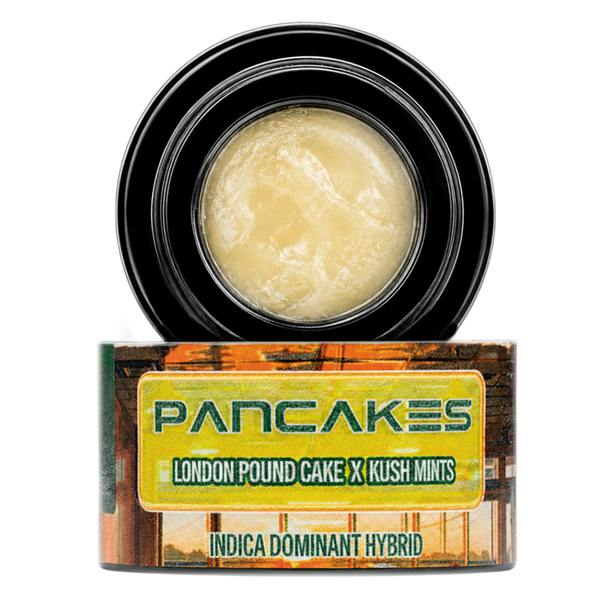
$99after tax

$99after tax
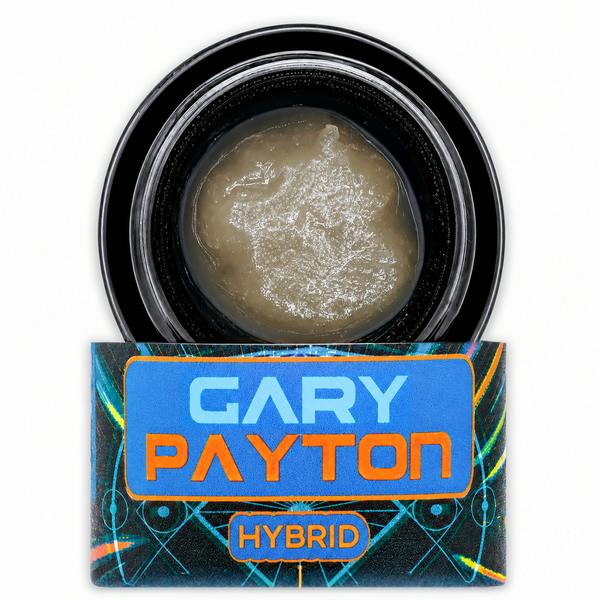
$93after tax
Rosin is produced using only heat and mechanical pressure — no butane, propane, ethanol, or CO2 is introduced during extraction. For New York adult-use consumers, this matters because the absence of solvents eliminates the possibility of residual solvent contamination, a variable that licensed testing labs still screen for in all hydrocarbon and ethanol extracts. Every batch sold through an OCM-licensed dispensary carries a certificate of analysis, and rosin's clean-input process means that document is evaluating the plant itself rather than the interaction between plant material and a chemical solvent.
Flower rosin is pressed directly from dried cannabis flower or trim. Hash rosin adds a prior step: the flower is first washed in ice water to separate the trichome heads as bubble hash, which is then pressed. That additional washing removes plant lipids and waxes, yielding a purer, more translucent extract with a cleaner palate. For a FiDi first-timer coming from a vape or flower background, flower rosin is the more accessible entry point — it is widely available, competitively priced, and still far superior in terpene retention to most vape cartridges. Hash rosin rewards those who already have a point of comparison.
Rosin is sensitive to heat, light, and air exposure. In a climate-controlled FiDi apartment, a sealed glass or silicone jar kept in a cool, dark drawer or cabinet is sufficient for fresh-press and cold-cure formats. Avoid leaving it near south-facing windows, radiators, or any surface that catches direct Battery Park summer sunlight. For long-term storage beyond two to three weeks, a dedicated small jar in the refrigerator — returned to room temperature before opening to prevent condensation — preserves both terpene volatility and texture integrity. Never store rosin in a standard plastic bag, as terpenes will degrade the material.
For genuine end-of-day decompression, terpene profiles leaning on myrcene — earthy, slightly herbal, with a grounding character — tend to align with what experienced consumers associate with a calming, body-oriented effect. Linalool, the same terpene prominent in lavender, appears in some cultivars and carries a similarly settling quality. Beta-caryophyllene adds a smooth, spiced note and rounds out the profile without sharpening it. These are general observations about how terpenes are commonly experienced; individual responses vary, and no medical outcome is implied. A certificate of analysis from your dispensary will list the specific terpene percentages for any licensed batch.
ZenZest Cannabis Dispensary offers free same-day delivery on orders over $100 to more than 80 eligible New York ZIP codes. The Financial District ZIP codes 10004, 10005, 10006, and 10038 fall within the delivery coverage area. For orders under that threshold, it is worth confirming current delivery terms directly with ZenZest, as policies can be updated. Given that licensed rosin — particularly hash rosin — is commonly priced at a premium, reaching the $100 threshold is generally straightforward for concentrate buyers purchasing a single or double unit.
At minimum, a concentrate-compatible device, a dab tool (typically a metal or ceramic pick for scooping the product), and a heat source. The most common home setup is a borosilicate glass dab rig paired with a quartz banger and a butane torch. Electronic dab devices — often called e-rigs or e-nails — eliminate the open flame and offer more precise temperature control, which is a meaningful advantage for terpene-forward rosin where temperature discipline preserves flavor. In a doorman building or a co-op with smoke-free policies, an e-rig with no combustion byproduct and a reclaim-catch attachment is the more considerate choice for both the product and the neighbors.
Licensed New York flower typically tests between 18 and 28 percent total THC. Vape cartridges commonly range from 70 to 85 percent total cannabinoids, though terpene content and extraction method vary widely. Licensed rosin generally falls between 60 and 85 percent total cannabinoids, with significantly higher terpene retention than most cartridges — often three to eight percent total terpenes versus under two percent in many distillate-based vapes. The practical implication is that rosin delivers a noticeably more complex, full-spectrum experience than a vape at comparable potency figures. For those accustomed only to flower, the concentration difference is substantial, and the start low, go slow principle is genuinely important.
Transporting cannabis products — including rosin — on public transit in New York involves some important considerations. Under New York State law, adult-use cannabis may be possessed by adults 21 and older in amounts up to three ounces of cannabis or 24 grams of concentrated cannabis. However, consumption is prohibited in public spaces, on transit, and in vehicles. The Staten Island Ferry terminal at Whitehall Street is a federal facility with its own rules, and federal law does not recognize adult-use cannabis legality. The practical and straightforward approach for most FiDi residents is to use ZenZest's same-day delivery service rather than transporting products across transit corridors.
Four things merit close attention. First, total THC and total cannabinoids — understand that these figures are dramatically higher than flower percentages and calibrate accordingly. Second, the terpene panel — a batch with no listed terpenes or terpenes below one percent total likely underwent processing conditions that sacrificed flavor and character for yield. Third, the harvest or extraction date — rosin is a fresh product and terpene degradation begins at extraction; look for relatively recent dates. Fourth, the source cultivar and farm — licensed New York products carry traceability information, and knowing the grower allows you to develop consistent sourcing preferences over time.
Yes, with one clear caveat: the concentration difference between flower and rosin is significant enough that a directly proportional approach to quantity will produce a far more intense experience than expected. A flower consumer comfortable with a full bowl should begin with a very small amount of rosin — roughly the size of a grain of rice — at a lower dab temperature, and allow adequate time before any consideration of a second portion. Start low, go slow is not a platitude here; it reflects the genuine potency differential. Beyond that adjustment, the full-spectrum terpene character of a quality rosin is arguably the most recognizable bridge from the flower experience to the concentrate category.
Pick your store
We'll show pricing, deals, and delivery zones for the store you pick. You can switch any time from the header.