
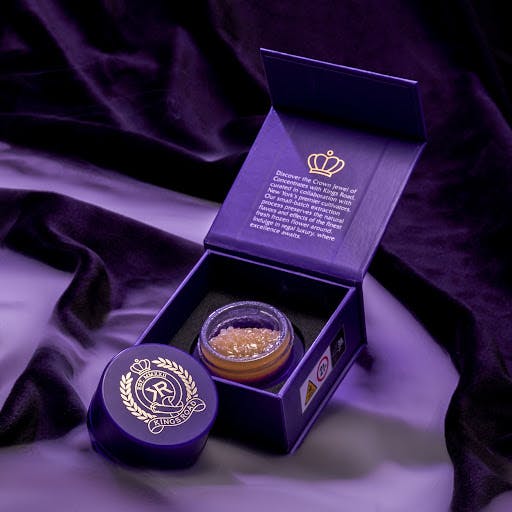
Manhattan · Live Resin
Best Live Resin in Financial District, Manhattan
The Financial District moves at a pace that rarely forgives inefficiency, and the cannabis consumers who call 10004, 10005, 10006, and 10038 home have grown equally exacting about what they put in their bodies. Live resin — extracted from flash-frozen, never-dried flower — delivers a terpene profile and potency that matches the neighborhood's appetite for precision and quality without compromise.
About Live Resin
Live resin occupies a distinct and respected position within New York's licensed adult-use cannabis market. Unlike concentrates derived from cured and dried flower, live resin is produced from plant material that is frozen immediately after harvest, preserving the volatile aromatic compounds — terpenes and terpene-adjacent molecules — that would otherwise degrade before extraction begins. The result is a concentrate that reads, on the nose and palate, closer to living cannabis than almost anything else available through legal channels in New York State. New York's Office of Cannabis Management licenses a growing roster of processors who produce live resin in forms that range from sauce and sugar to badder, diamonds, and cartridges. Each format delivers the same underlying advantage — a fuller, more nuanced chemical picture of the original strain — but varies in texture, handling, and the experience of consumption. Sauce tends to be terpene-forward and fluid; sugar presents a drier, grainier consistency; badder is whipped to a smooth, workable texture; diamonds are THCA crystalline structures often swimming in a high-terpene liquid called terp sauce. Cartridges, perhaps the most retail-accessible form, suspend live resin distillate in a hardware-ready oil, though purists note that these sacrifice some terpene complexity in exchange for convenience. For adults 21 and older shopping licensed New York dispensaries, the practical difference between live resin and standard concentrates comes down to intention. If the goal is the most complete sensory representation of a particular cultivar — the grassy sweetness of a Zkittlez, the fuel-and-pine of a Sour Diesel, the bright citrus of a Tangie — live resin is the category most likely to deliver. Potency varies by product and processor, with total cannabinoid percentages commonly ranging from the mid-60s to over 90 percent in certain crystalline forms, though THC percentage alone is an incomplete measure of a concentrate's character.
Live Resin for Financial District shoppers
The Financial District is not a neighborhood that idles. From the pre-market scramble on Broad Street to the late-evening wind-down near Stone Street's cobblestoned restaurant rows, the rhythm here is compressed and purposeful. Cannabis consumers in this corridor tend to be discerning in the same way they are discerning about a well-sourced bottle of natural wine or a single-origin espresso — they want to understand what they are buying and why it costs what it costs. Live resin rewards exactly that disposition. A concentrate that can be understood in terms of its terpene lineage, its cultivar origin, and its extraction methodology is a product that invites the kind of informed consumer conversation that is common in the Financial District's food and beverage culture but has historically been rare in cannabis retail. Residents in Battery Park City, who may decompress along the Hudson River Esplanade after a long session at their desks, often gravitate toward formats and potency levels that provide reliable relaxation without excess — a quality live resin sauce or badder paired with a low-and-slow approach tends to serve that occasion well. Seasonally, the Financial District's compressed street grid and glass-tower architecture create a wind tunnel effect in winter months, which influences how and where consumption happens. Indoor sessions are the norm for much of the year, making dab rigs, electronic concentrate devices, and live resin cartridges all viable options depending on a consumer's setup at home or in a private setting. Summer along the waterfront near Battery Park opens different possibilities, and a discreet live resin cartridge becomes the format of choice for many in ZIP codes 10004 and 10006 during warmer months.
What to look for
When evaluating live resin at a licensed New York dispensary, begin with the terpene profile listed on the product's certificate of analysis, which retailers are required to make available. Myrcene, caryophyllene, limonene, linalool, and pinene are among the most common primary terpenes you will encounter, and each contributes meaningfully to the character of the experience. A live resin heavy in myrcene and caryophyllene tends to present as earthy and grounding; one led by limonene and pinene reads brighter and more uplifting. For Financial District consumers who want something to mark the transition from a high-pressure trading floor or law firm conference room to an evening of genuine rest, terpene profile is at least as relevant as THC percentage. Format trade-offs deserve careful consideration as well. Dabbable forms — sauce, badder, sugar, diamonds — require dedicated hardware such as a dab rig or electronic concentrate device and offer the fullest expression of the live resin's aromatic complexity. They are best suited to consumers who are already comfortable with concentrates and have a controlled home environment in which to use them. Live resin cartridges lower the barrier to entry considerably: they are portable, require only a compatible battery, and produce minimal odor relative to dabbable formats. The trade-off is that cartridge production involves additional processing steps that can attenuate some of the terpene richness that makes live resin distinctive. Neither format is superior in an absolute sense — the right choice depends on lifestyle, experience level, and intended setting. For those newer to concentrates, the general guidance that applies across the adult-use market — start low, go slow — is especially worth observing here. Live resin's potency and bioavailability, particularly in dabbable forms, can meaningfully exceed the experience of flower or standard vaporizer cartridges, and the elevated terpene content can amplify the overall character of the session. A small, measured first serving is always a reasonable entry point regardless of prior cannabis experience.
Why ZenZest for live resin in Financial District
ZenZest Cannabis Dispensary operates a licensed New York adult-use retail location at 2343 Forest Ave, Staten Island, NY 10303, approximately 9.6 miles from the heart of the Financial District — a manageable trip via the Staten Island Ferry from Whitehall Terminal at the foot of the neighborhood, or a straightforward drive across the Verrazzano. The store carries a curated selection of licensed New York concentrates, including live resin offerings in multiple formats, with staff prepared to discuss terpene profiles, processor sourcing, and format trade-offs in the kind of detail that informed FiDi consumers tend to appreciate. For those who prefer not to leave the neighborhood at all, ZenZest provides free same-day delivery on orders over $100 to more than 80 eligible New York ZIP codes, including the Financial District's 10004, 10005, 10006, and 10038. Orders can be placed directly through the ZenZest platform, and delivery arrives without the logistical overhead of a cross-borough commute — a practical advantage for residents whose schedules leave little room for errands that extend beyond the immediate blocks around Stone Street or the Battery.
ZenZest Staten Island · 2343 Forest Ave, Staten Island, NY 10303 · 9.6 miles from Financial District.
Live live resin for Financial District
Full live resin menu →Live Resin in Financial District — answers
What exactly distinguishes live resin from other concentrates available at licensed New York dispensaries?+
Live resin is extracted from cannabis that was frozen immediately after harvest rather than cured and dried first. This preservation step keeps volatile terpenes — the aromatic compounds responsible for each strain's distinct character — intact through the extraction process. Standard concentrates made from dried and cured flower lose a portion of those compounds during the drying phase. The practical result is that live resin typically smells and tastes noticeably closer to the source plant, which matters to consumers in the Financial District who have developed a preference for products with traceable, well-expressed character.
Is live resin legal to purchase in the Financial District, and what ID is required?+
Yes. New York State's adult-use cannabis program permits residents and visitors 21 and older to purchase cannabis concentrates, including live resin, from licensed dispensaries. A valid government-issued photo ID confirming age is required at point of sale or at the time of delivery. Financial District ZIP codes 10004, 10005, 10006, and 10038 are fully within the service area of New York licensed retailers and delivery operators. Public consumption remains subject to New York City regulations, which generally mirror the rules governing tobacco smoking in public spaces.
Which live resin format is best suited to a Financial District lifestyle — sauce, badder, or cartridge?+
The answer depends on your setting and experience level. Live resin cartridges are the most practical format for residents who want a low-footprint option in a high-density urban environment — they are discreet, portable, and require no additional hardware beyond a compatible battery. Dabbable formats like sauce and badder offer a more complete expression of the live resin's terpene profile and are better suited to a dedicated home session, which aligns well with Battery Park City residents unwinding in a private residence after a long workday. Neither format is inherently superior; each solves a different problem.
How should a Financial District professional who is new to concentrates approach their first live resin session?+
Starting with a live resin cartridge rather than a dabbable format is a sensible first step. Cartridges deliver a more controlled and graduated experience, making it easier to gauge personal tolerance. The foundational guidance for adult-use cannabis concentrates — start low, go slow — applies with particular weight here, as live resin's elevated terpene content and potency can produce an experience meaningfully different from flower or standard vaporizer oil. A single, small inhalation followed by a waiting period of at least fifteen to twenty minutes before considering more is a practical approach for anyone calibrating for the first time.
What terpenes should I look for in a live resin if I want something suited to evening relaxation near Battery Park?+
For a session intended to support winding down after a demanding day, terpene profiles led by myrcene and linalool tend to present as calming and grounding, with an earthy, sometimes floral character. Caryophyllene, which interacts with the body's endocannabinoid system in a manner distinct from many other terpenes, is another worth noting on a certificate of analysis. Licensed New York dispensaries are required to provide lab documentation on request, and staff at knowledgeable retailers can walk you through what a specific product's terpene breakdown indicates about its likely character.
Can ZenZest deliver live resin to my apartment in ZIP codes 10004 or 10006?+
Yes. ZenZest Cannabis Dispensary offers free same-day delivery on orders over $100 to more than 80 eligible New York ZIP codes, and the Financial District's 10004, 10005, 10006, and 10038 fall within that delivery footprint. Orders are placed through the ZenZest platform, and delivery is handled in compliance with New York State cannabis delivery regulations, which require the recipient to be 21 or older and present a valid ID at the time of delivery. For residents in high-rise buildings along the waterfront or near the World Trade Center campus, delivery can be a practical alternative to an in-person store visit.
What does a certificate of analysis tell me about a live resin product, and should I ask to see one?+
A certificate of analysis, or COA, is a third-party lab document that reports a cannabis product's cannabinoid percentages — including THC, CBD, and minor cannabinoids — as well as its terpene profile and confirmation that the product has passed safety testing for residual solvents, pesticides, and heavy metals. For live resin specifically, the terpene panel is particularly informative, as it quantifies the aromatic compounds that differentiate one product from another. Licensed New York dispensaries are required to maintain COAs for their inventory, and any reputable retailer should be able to produce one on request.
How does live resin compare to live rosin, and which is more commonly found in New York licensed dispensaries?+
Both live resin and live rosin begin with fresh-frozen plant material, but their extraction methodologies differ significantly. Live resin uses hydrocarbon or other solvent-based extraction to pull cannabinoids and terpenes from the frozen plant. Live rosin uses heat and pressure — no solvents — to mechanically press out the same compounds. Rosin is often characterized as a cleaner extraction by enthusiasts, though both formats produce licensed, safety-tested products when sourced from New York's regulated market. In the current New York retail landscape, live resin tends to be more widely available and accessible across a broader price range than live rosin.
Does the Financial District's dense urban environment create any particular storage considerations for live resin?+
Live resin is best stored in a cool, dark environment away from heat and light, both of which can degrade terpenes and alter consistency over time. In a Financial District apartment or office — particularly in summer months when ambient temperatures in south-facing units can rise — keeping live resin in a small, sealed container in a refrigerator or a cool drawer is a reasonable practice. Dabbable forms like sauce and badder are especially sensitive to temperature fluctuation. Cartridges are somewhat more stable but should still be kept upright and away from direct sunlight to preserve the oil's integrity and prevent hardware issues.
Are there specific strains of live resin that tend to suit the pace and energy of working in or near Wall Street?+
While individual response to cannabis varies and no specific strain or product can be recommended for any particular outcome, consumers in fast-paced professional environments often gravitate toward live resin products with terpene profiles that lean toward limonene and pinene — compounds associated with brighter, more clarifying aromatic characters in contrast to the heavier, more sedating profile of myrcene-dominant offerings. Sativa-leaning cultivars processed as live resin, such as those derived from Durban Poison or Green Crack lineages, are frequently noted in this context. That said, personal experience and tolerance are the most reliable guides, and starting with a modest serving remains the most sensible approach for any new product.