
Hybrid
All strains Pineapple Skunk
3 live products in stock
Quick answer · What is the Pineapple Skunk cannabis strain?
Pineapple Skunk arrives like a well-composed tropical cocktail — bright, resinous, and quietly assertive. A hybrid born from two storied lineages, it balances cerebral lift with an unhurried physical ease that neither overwhelms nor underwhelms. The aroma alone, simultaneously sweet and dank, signals something worth slowing down for. For the discerning New York adult seeking a sessionable, social-leaning experience, Pineapple Skunk occupies a rare middle ground: energetic enough to engage, relaxed enough to linger.
Shop Pineapple Skunk · 3 of 3 live products
On sale· 50% OFF
THC 83.88%Hybrid
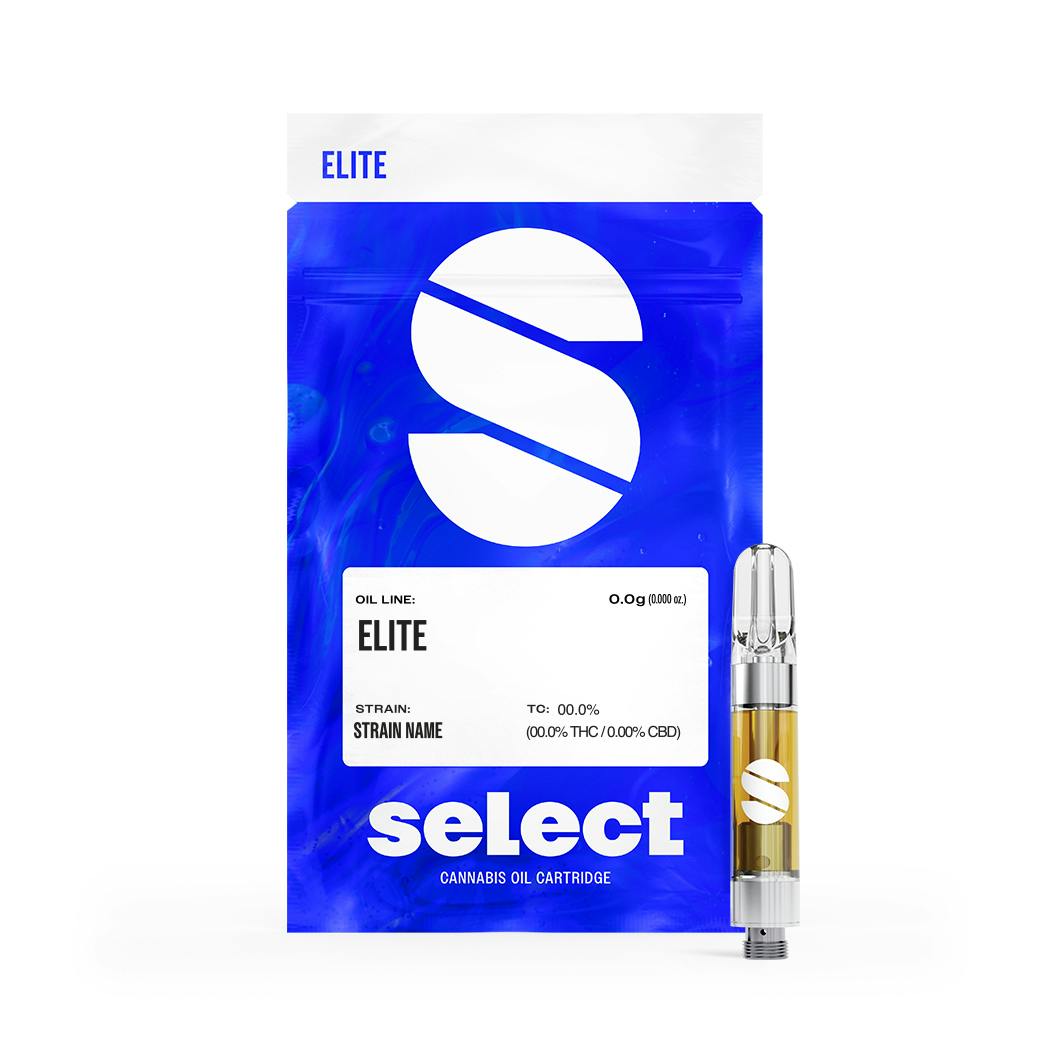
SelectElite Cartridge - Pineapple Skunk 1g · 1g
$25.22$50.44
$32after tax
On sale· 50% OFF
THC 83.88%Hybrid
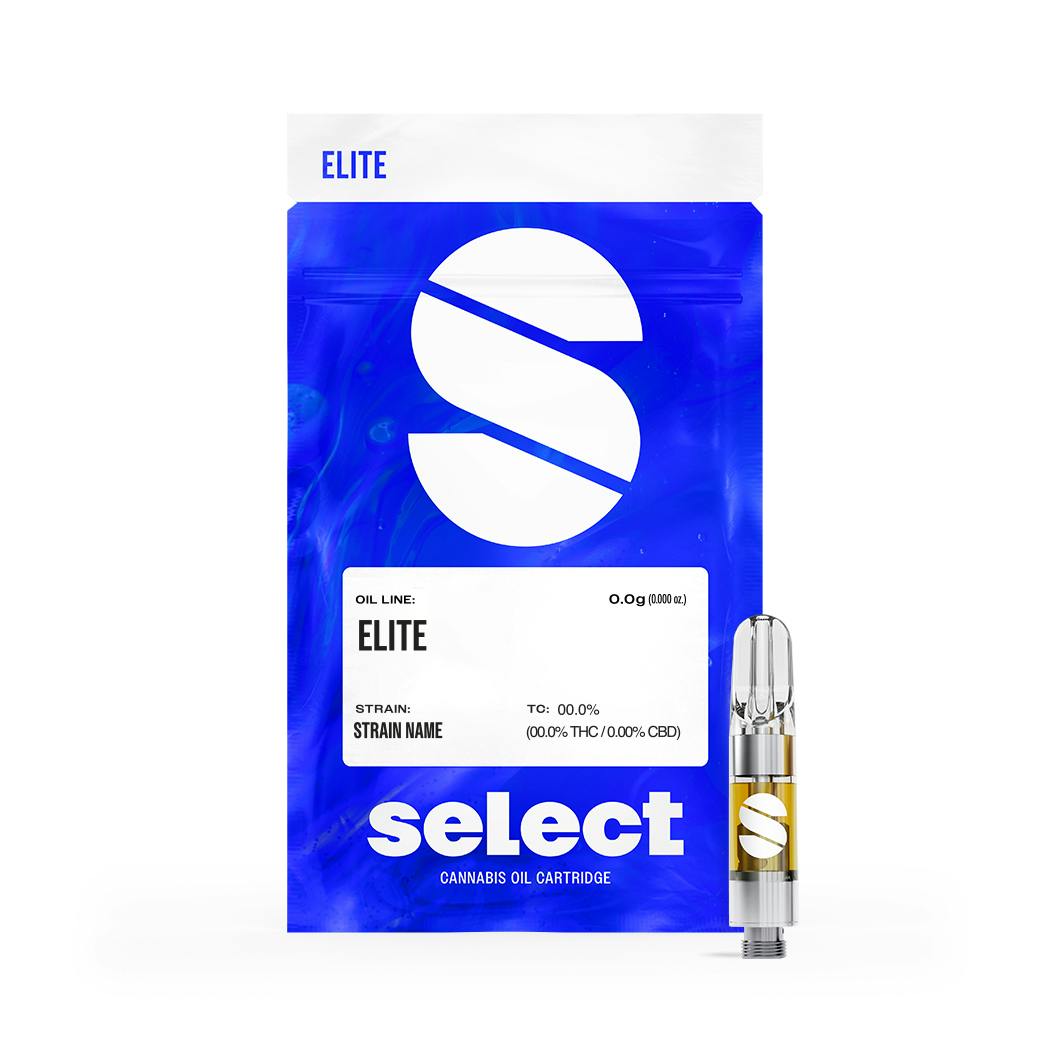
SelectElite Cartridge - Pineapple Skunk 0.5g · .5g
$15.00$30.00
$19after tax
About Pineapple Skunk
Everything to know about Pineapple Skunk.
Lineage & origin
Pineapple Skunk is generally understood to be a cross of Pineapple and Skunk No. 1, two strains with deep roots in the modern cannabis canon. Skunk No. 1 — developed in the United States and refined through the 1970s and early 1980s by the pioneering breeding collective known as Sacred Seeds, before being popularized commercially through Sensi Seeds in the Netherlands — became one of the most consequential stabilizing genetics in contemporary cultivation. Its combination of Afghani, Acapulco Gold, and Colombian Gold gave it reliable potency, vigorous structure, and that signature pungency that would eventually lend its name to an entire aromatic category. The Pineapple parent's own lineage is less formally documented and is considered somewhat debated in the wider community, though it is broadly accepted as descending from Ed Rosenthal Super Bud or similarly tropical, fruit-forward hybrids, carrying pronounced sweet and citrus terpene expressions derived from its landrace Southeast Asian ancestry. When crossed with Skunk No. 1, the result amplifies the fruit-forward sweetness while grounding it in the dense, resinous architecture Skunk genetics are known for. Pineapple Skunk has been offered by several seed companies including Subcool's TGA Genetics, which helped bring wider visibility to the cultivar. Phenotypic variation is notable across different seed runs, with some expressions leaning more decisively tropical and others pulling toward the earthier, fuel-tinged Skunk backbone. It is widely considered a sibling in spirit to strains like Island Sweet Skunk and Pineapple Express.
Effects
The onset of Pineapple Skunk is characteristically quick for a hybrid of its profile, typically arriving within five to ten minutes of inhalation. The initial wave is predominantly cerebral — a brightening of focus and a gentle uplift in mood that feels sociable rather than electric. Users frequently describe a sense of creative looseness in the early phase, a quality likely attributable to its moderate-to-prominent limonene and terpinolene content, both of which are associated in emerging research with energizing, mood-elevating properties. As the experience deepens toward its peak, a body component arrives with measured deliberateness. This is where the Skunk No. 1 heritage asserts itself: a relaxing physical ease spreads without the sedative weight of a heavy indica. The dual-character of the high — mentally engaged, physically at ease — makes the mid-phase particularly well suited to unhurried conversation or ambient creative activity. Myrcene, common in Skunk-derived genetics, likely contributes to this calming somatic quality. The duration tends to run in the one-and-a-half to two-and-a-half hour range for most users, with a gentle comedown that rarely tips into heaviness or disorientation for those at comfortable doses. The transition back to baseline is gradual and smooth. As with all cannabis, individual response varies significantly; those newer to cannabis or with lower tolerance are encouraged to approach slowly and allow full onset before reassessing.
Aroma, flavor & terpenes
Pineapple Skunk's aromatic profile is one of its most immediately compelling attributes. The nose opens with a bright, tropical sweetness that recalls ripe pineapple and mango — an expression largely driven by terpinolene and myrcene, the former lending a fresh, fruity, almost floral lift and the latter contributing a warm, musky depth that keeps the sweetness from reading as one-dimensional. Beneath these top notes, a sharp, skunky undercurrent — the unmistakable signature of Skunk No. 1's caryophyllene and humulene — grounds the whole composition in something dank and organic. On closer inspection, secondary notes of citrus peel and faint pine emerge, likely attributable to the presence of limonene and alpha-pinene respectively. Limonene sharpens the tropical brightness, giving the bouquet a zesty, almost juicy quality, while pinene contributes a subtle resinous edge that hints at the strain's dense trichome coverage. Humulene, a terpene shared with hops, adds a dry, earthy, slightly herbal note that balances what might otherwise be an overly sweet profile. Smoked or vaporized at moderate temperatures, Pineapple Skunk delivers a smooth, full-bodied vapor. The inhale carries the sweet tropical fruit character prominently, transitioning on the exhale to a distinctly skunky, slightly spiced finish with a lingering citrus-resin aftertaste. The smoke is rarely harsh when properly cured, and the flavor retention in vaporized form is notably faithful to the raw flower's aromatic complexity.
Appearance
Pineapple Skunk produces buds that sit in the medium-to-dense range structurally — compact without the rock-hard compression of a pure indica, but far from the airy, spindly formation of a sativa-dominant cultivar. Calyxes are well-formed and generously stacked, giving the flowers a layered, almost architectural quality when well-grown. The color palette is a study in contrasts: a base of deep forest green, occasionally punctuated by olive or chartreuse tones, set against vivid amber-to-rust pistils that curl and twist across the surface in characteristic Skunk fashion. Trichome density is a genuine strong point. When grown under dialed-in conditions, Pineapple Skunk develops a thorough frosting of milky-to-golden stalked glandular trichomes that give the flower a luminous, almost crystalline appearance in good light. This resin production is a direct inheritance from the Skunk No. 1 side of the family and speaks to the strain's reliable extract potential. At harvest, well-cured specimens carry a slight stickiness to the touch that confirms trichome integrity and careful post-harvest handling.
Growing notes
Pineapple Skunk presents as a moderately approachable cultivar for those with some baseline growing experience, though its Skunk No. 1 genetics give it a forgiving constitution that beginners tend to appreciate. It performs well both indoors under controlled lighting and outdoors in warm, Mediterranean-style climates with long, dry summers — a profile broadly consistent with much of Southern Europe, coastal California, and, in favorable years, sheltered outdoor spaces in the American Northeast. Indoor flowering typically concludes in the eight-to-nine-week range, a timeline consistent with most Skunk-lineage hybrids. Indoor yields are reported as moderate-to-generous, rewarding cultivators who invest in canopy management techniques such as topping or low-stress training to open up light penetration across the dense bud sites. Outdoor plants tend toward vigorous, medium height with lateral branching that benefits from light pruning. The strain's primary cultivation consideration is its pronounced aromatic output during late flower — the Skunk heritage is assertive, and adequate ventilation or carbon filtration is a practical necessity in any enclosed grow environment. Humidity control during the final weeks of flower is advisable to protect the dense calyx structure from moisture-related issues. Overall, it is a reliable, resin-forward cultivar with a strong genetic backbone.
When it's best enjoyed
Pineapple Skunk occupies the sweet spot on the hybrid spectrum that makes it well-suited to late-afternoon and early-evening social contexts — the transitional hours when the day's obligations have eased but the night has not yet fully settled in. Its cerebral lift sustains conversation and creative engagement while the body component ensures that physical ease is never far behind. It functions particularly well as a companion to small, unhurried gatherings: a rooftop dinner, a gallery opening, an evening walk through a neighborhood that rewards observation. For the solo consumer, its terpene profile — particularly the terpinolene and limonene — suggests a natural affinity with creative pursuits that benefit from a loosened, associative mindset without full cerebral override. Writing, sketching, curating a playlist, or exploring a new neighborhood all feel congruent with its character. In terms of pairing, the tropical fruit and citrus notes in Pineapple Skunk find a natural counterpart in dishes that echo those frequencies: a ceviche with fresh mango, grilled seafood with citrus-herb preparations, or a composed fruit and cheese board. Musically, the strain's balance of uplift and ease pairs naturally with something warm and rhythmically confident — West African highlife, early Brazilian tropicália, or a well-sequenced bossa nova record.
If you like Pineapple Skunk, also explore
Island Sweet Skunk
A fellow Skunk-lineage hybrid with its own pronounced tropical and citrus fruit character, offering a similarly sociable, energizing profile that fans of Pineapple Skunk's bright, resinous balance tend to find immediately familiar.
Pineapple Express
Sharing the same tropical fruit-forward aromatic signature and a comparable hybrid effect arc, Pineapple Express delivers the sweet, uplifting experience that draws consumers to Pineapple Skunk, with a slightly softer body component.
Lemon Skunk
For those drawn specifically to the Skunk No. 1 backbone and its sharp, pungent resin quality, Lemon Skunk offers a citrus-dominant variation on the same heritage with a similarly bright, mood-elevating hybrid effect.
Tangie
Tangie's pronounced terpinolene-driven citrus and tropical brightness makes it a natural next step for consumers who favor the energetic, fruit-forward aspects of Pineapple Skunk's terpene profile.
Super Silver Haze
Rooted in Skunk No. 1 and Northern Lights genetics, Super Silver Haze shares the resinous density and sociable cerebral lift of Pineapple Skunk while offering a longer, more sativa-leaning arc for those seeking extended engagement.
Common questions
Is Pineapple Skunk indica or sativa?+
Pineapple Skunk is classified as a hybrid, drawing from both the tropical, cerebral lineage of its Pineapple parent and the balanced, resinous architecture of Skunk No. 1. In practice, it leans slightly toward the sativa side of the hybrid spectrum during its early onset — mood-elevating and mentally engaging — before a measured body ease characteristic of its indica-influenced Skunk heritage settles in through the mid-to-late phase.
What does Pineapple Skunk taste like?+
Pineapple Skunk leads with a sweet, tropical fruit character — ripe pineapple and mango are the most commonly cited notes — that transitions on the exhale to a distinctly skunky, slightly spiced, and citrus-resin finish. Secondary flavors of citrus peel and faint pine add complexity without competing with the dominant sweetness. Properly cured flower delivers a smooth, full-bodied smoke or vapor with a lingering tropical-dank aftertaste.
What are the typical effects of Pineapple Skunk?+
Pineapple Skunk typically produces an initial cerebral uplift that feels sociable and gently focused, arriving within five to ten minutes of inhalation. As the experience develops, a calming physical ease characteristic of its Skunk No. 1 lineage moves in alongside the mental engagement without producing heaviness. The overall arc is described by most users as balanced, approachable, and well-suited to social or creative contexts. Duration runs roughly one and a half to two and a half hours.
What strains are similar to Pineapple Skunk?+
Consumers drawn to Pineapple Skunk's tropical fruit aroma and balanced hybrid effects tend to find similar satisfaction in Island Sweet Skunk, Pineapple Express, and Tangie for their shared fruit-forward, uplifting qualities. Those more specifically interested in the Skunk No. 1 resinous backbone and sharp pungency may find Lemon Skunk or Super Silver Haze to be natural companions, both rooted in the same influential Skunk genetic heritage.
Is Pineapple Skunk good for beginners?+
Pineapple Skunk can be a reasonable choice for newer adult consumers given its hybrid balance and generally smooth onset, but no strain is without individual variability. The skunky, resinous genetics contribute meaningful potency that newer users should respect. The standard guidance applies: start with a small amount, allow a full ten to fifteen minutes for onset before reassessing, and consume in a comfortable, familiar setting. Adult use only; must be 21 or older to purchase in New York State.
What are the dominant terpenes in Pineapple Skunk?+
Pineapple Skunk's terpene profile is typically led by myrcene, terpinolene, and limonene, which together account for its warm tropical-fruit sweetness, fresh floral lift, and citrus brightness. Caryophyllene and humulene arrive from the Skunk No. 1 side, contributing the characteristic dank, earthy, and faintly spiced depth. Alpha-pinene rounds out the profile with a subtle resinous, forest-floor quality that adds structural complexity to what might otherwise read as a one-note fruit expression.
When is the best time of day to consume Pineapple Skunk?+
Pineapple Skunk's balanced hybrid profile — cerebral uplift tempered by physical ease — places it most naturally in the late afternoon to early evening window. It is generally considered too mentally engaging for those seeking a sedative night-cap experience, yet its body component makes it less suited to high-focus morning use than a more purely sativa-leaning cultivar. The transitional hours between daytime activity and evening leisure tend to suit its character particularly well.
How does Pineapple Skunk's Skunk No. 1 lineage influence the experience?+
Skunk No. 1 is one of the most stabilizing and widely distributed genetics in modern cannabis, and its influence on Pineapple Skunk is unmistakable. It contributes the dense, resin-coated bud structure, the reliable onset, the dank aromatic undercurrent beneath the tropical sweetness, and — most notably in the effects — the measured physical ease that prevents the Pineapple parent's more sativa-leaning tendencies from running unchecked. Skunk No. 1 is the grounding force that gives Pineapple Skunk its characteristic balance.
Related strains