
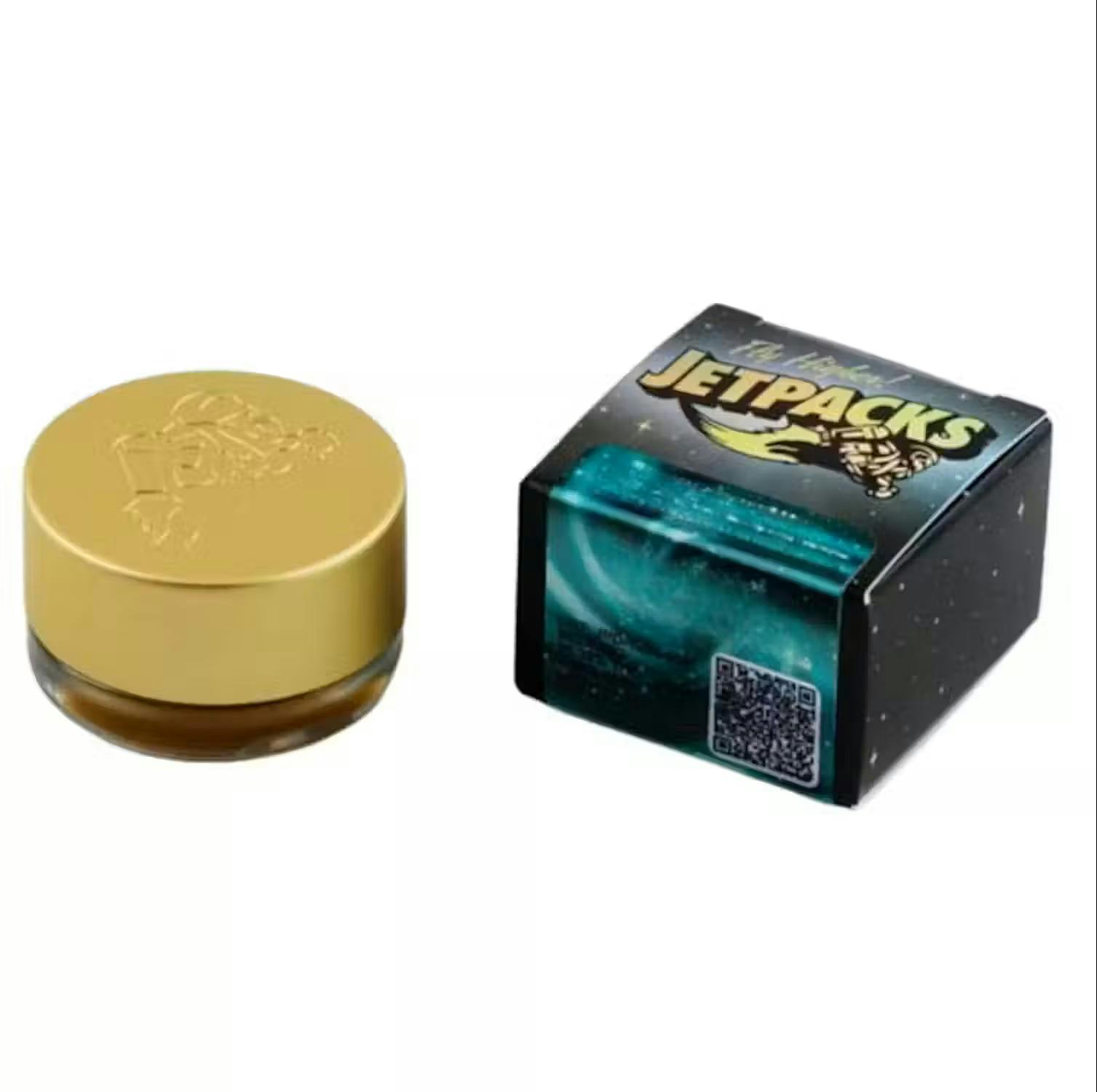
Sativa
All strains Panama Punch
1 live products in stock
Quick answer · What is the Panama Punch cannabis strain?
Panama Punch arrives like a dispatch from sun-drenched equatorial latitudes — a sativa-leaning cultivar that carries the clarifying energy of its landrace heritage into a modern, refined smoking experience. Citrus rind and green mango rise on the nose, while the effect settles into a clean, sustained cerebral lift that rewards the unhurried afternoon. For those who prize focus and a light, well-balanced euphoria, this is a strain that earns quiet admiration.
Shop Panama Punch · 1 of 1 live products
About Panama Punch
Everything to know about Panama Punch.
Lineage & origin
Panama Punch traces its genetic roots to Panama Red, the legendary Central American landrace sativa that defined the pre-prohibition cannabis scene of the 1960s and early 1970s. Panama Red was cultivated in the highland regions of Panama and prized for its long-flowering, equatorial character — a pure sativa that delivered a notably clear-headed, functional high uncommon among the indica-heavy hybrids that would later dominate the market. Panama Punch is understood to be a modernized cross that introduces Panama Red genetics alongside undisclosed hybrid parentage, though the specific secondary parent and formal breeder attribution have not been consistently confirmed in public-facing documentation; some sources suggest a fruity hybrid was introduced to temper Panama Red's extended flowering window and add commercial appeal to the terpene profile. The strain occupies a lineage category that cannabis historians find genuinely meaningful — landrace-derived sativas that preserve the functional, cerebral character of their ancestors while adapting to contemporary cultivation expectations. Genetic siblings in spirit, if not always in documented parentage, include Acapulco Gold and Durban Poison, both landrace-adjacent sativas that share Panama Punch's reputation for mental clarity. No single breeder has publicly claimed definitive credit for stabilizing this variety, which is worth acknowledging plainly. What is well-documented is that Panama Punch performs as a faithful expression of its equatorial heritage, delivering the long, luminous effect arc that sativa connoisseurs associate with landrace-influenced genetics.
Effects
The onset of Panama Punch is characteristically gradual by hybrid standards — most consumers report the first wave of cerebral warmth arriving within ten to fifteen minutes of inhalation, building steadily rather than arriving all at once. This measured onset is consistent with the sativa-dominant terpene and cannabinoid expression, where THC interacts with an uplifting terpene framework to produce a lift that feels earned rather than imposed. The initial character is unmistakably cerebral: thoughts sharpen, ambient mood brightens, and there is a quality of heightened sensory engagement that makes the immediate environment feel more textured and interesting. At peak, Panama Punch exhibits the kind of functional euphoria that distinguishes well-regarded sativas from their more sedating counterparts. The body remains largely at ease — there is little of the physical heaviness associated with indica-dominant cultivars — while the mind operates with a pleasant, sociable openness. Conversations tend to flow; creative associations feel more accessible. Terpenes such as limonene and terpinolene are understood to contribute to this uplifted, energetic character based on available research into their physiological interaction with cannabinoid receptors. Duration tends to run on the longer side relative to many contemporary hybrids, reflecting the strain's landrace lineage. A full experience may unfold over two to three hours, with a gentle, gradual comedown that rarely tips into heaviness or disorientation for consumers who approach the session with measured intention. The standard guidance applies: start low and build slowly, particularly for those newer to sativa-dominant cultivars.
Aroma, flavor & terpenes
The aromatic profile of Panama Punch is led by terpinolene, a terpene associated with fresh, floral, and lightly herbaceous top notes that set it apart from more citrus-forward or fuel-heavy cultivars. On first encounter, the nose reads as green and tropical — ripe mango skin, guava, and a subtle floral undertone that suggests hibiscus or passionflower without tipping into perfume. This is an aroma of the equatorial greenhouse rather than the citrus grove, and it announces the strain's landrace lineage with quiet confidence. Myrcene joins terpinolene as a key secondary player, contributing an earthy, almost musky base note beneath the tropical brightness — the olfactory equivalent of damp soil beneath a canopy of ripe fruit. Limonene rounds out the top register, adding a cleaner citrus dimension: think lime zest rather than orange peel, precise and slightly tart. Some phenotypes also carry a trace of ocimene, which adds a waxy, herbaceous nuance that experienced consumers may detect as a kind of green, almost basil-adjacent finish. On the palate, the smoke or vapor is notably smooth for a sativa of this profile. The initial draw delivers the tropical fruit and floral notes established on the nose, while the exhale opens toward a cleaner, slightly spiced finish — a mild warmth on the back of the throat that dissipates cleanly. There is no pronounced harshness or chemical edge, making Panama Punch a strain that rewards slow, deliberate consumption rather than hurried sessions.
Appearance
Panama Punch produces buds that reflect their sativa heritage in structure — elongated, somewhat airy calyxes that stack loosely rather than compressing into the dense, rounded nuggets typical of indica-dominant varieties. This open bud architecture is a functional trait of equatorial genetics, evolved to allow airflow and resist mold in humid tropical climates. The overall silhouette is tapered and light, with a feathery quality that feels distinct on the hand. The color palette leans toward the warmer end of the cannabis spectrum: a base of medium green punctuated by amber and orange pistils that wind through the flower with notable density. Trichome coverage is generous but fine-grained, giving the surface a frosted, almost translucent quality rather than the thick resin crust associated with some indica-dominant hybrids. Under direct light, the buds carry a golden luminescence that mirrors the strain's tropical origins and makes the cured flower genuinely appealing to examine before consumption.
Growing notes
Panama Punch presents a moderate cultivation challenge that reflects its landrace-influenced genetics. Like most sativa-dominant varieties with equatorial heritage, it tends toward longer flowering periods — growers and seed sources familiar with this lineage suggest a flowering window in the range of ten to twelve weeks indoors, a commitment that requires patience but is rewarded with aromatic fidelity to the strain's tropical terpene profile. Indoors, the plant benefits from vertical space given its characteristic sativa stretch during the transition to flower; techniques such as topping or low-stress training are commonly employed to manage canopy height and encourage lateral branching. Yield data is not universally documented for this cultivar, but sativa-dominant landrace crosses of this type tend to produce moderate indoor yields, with outdoor environments in warm, Mediterranean or subtropical climates offering greater expression of both size and aroma. Humidity management is worth noting — the open bud structure that makes this strain visually distinctive also requires attentive airflow to prevent moisture accumulation. For the cultivator-curious shopper, Panama Punch represents a rewarding project for those with some experience, rather than an ideal entry point for first-time home growers.
When it's best enjoyed
Panama Punch is calibrated for the active, engaged portion of the day — the hours between mid-morning and late afternoon when mental clarity is an asset rather than an interruption. It is well-suited to solo creative work: writing, illustration, or any practice that benefits from a sustained, flowing state of attention without the anxious edge that some high-potency sativas can introduce. The cerebral openness and social warmth at peak also make it a considered choice for an outdoor gathering — a rooftop afternoon or a slow walk through a neighborhood market where conversation and observation matter equally. In terms of pairing, the tropical terpene profile finds natural resonance with light, acidic foods: ceviche, green mango salad, or a sparkling water with lime carry the same citrus and herbaceous register as the strain's own flavor profile and tend to complement rather than compete with it. Musically, Panama Punch aligns well with extended, rhythmically fluid work — West African jazz, Brazilian tropicália, or the more ambient reaches of cumbia — genres that share the strain's unhurried momentum and equatorial warmth. This is, in the end, a strain for those who wish to be present and perceptive rather than simply relaxed.
If you like Panama Punch, also explore
Durban Poison
Another celebrated landrace-derived sativa with a clean, energizing cerebral profile and a similarly uplifting terpene framework dominated by terpinolene, making it a natural companion for fans of Panama Punch's clear-headed lift.
Panama Red
As the foundational parent strain, Panama Red shares the same equatorial heritage and long-arc functional euphoria, offering a more raw, unmodified expression of the character Panama Punch refines for the modern consumer.
Acapulco Gold
A fellow Central American landrace-adjacent cultivar prized for its warm, golden terpene profile and sustained, social sativa effects that closely mirror the experience arc of Panama Punch.
Super Silver Haze
For consumers drawn to Panama Punch's extended, luminous cerebral effect and tropical-citrus aromatic notes, Super Silver Haze delivers a comparable sativa-dominant experience with well-documented genetic prestige.
Strawberry Cough
Shares Panama Punch's smooth, fruity palatability and uplifting mood character, making it an approachable alternative for those who enjoy the tropical, sociable qualities of this cultivar.
Common questions
Is Panama Punch indica or sativa?+
Panama Punch is a sativa-dominant cultivar, drawing its primary character from Panama Red, a classic Central American landrace sativa. Its effect profile — cerebral, uplifting, and functional rather than sedating — is consistent with its sativa designation. Shoppers seeking an energizing, daytime-oriented experience rather than deep physical relaxation will find Panama Punch well-aligned with what a sativa classification implies in practical terms.
What does Panama Punch taste like?+
Panama Punch delivers a tropical, lightly floral flavor profile anchored by terpinolene and supported by myrcene and limonene. On the inhale, expect green mango, guava, and a soft floral note; the exhale shifts toward lime zest and a mild, clean herbal warmth. The smoke is notably smooth, without a harsh or chemical finish, making it a strain that rewards deliberate, unhurried consumption rather than quick, utilitarian sessions.
What are the typical effects of Panama Punch?+
The typical experience begins with a gradual cerebral onset within ten to fifteen minutes — a brightening of mood and a sharpening of attention that builds steadily. At peak, the effect is uplifting and sociable, with functional mental clarity and minimal physical heaviness. The duration tends to run longer than many hybrid cultivars, reflecting its landrace heritage. As with any cannabis product, starting low and building slowly is sound practice, particularly for newer consumers.
What strains are similar to Panama Punch?+
Consumers who enjoy Panama Punch often find common ground with Durban Poison, Panama Red, Acapulco Gold, Super Silver Haze, and Strawberry Cough. These cultivars share some combination of landrace-adjacent lineage, terpinolene-forward terpene profiles, and the kind of clean, energizing cerebral effects that define Panama Punch's appeal. Each offers its own distinct nuance, but all occupy the same broad region of the sativa experience.
Is Panama Punch good for beginners?+
Panama Punch can be approachable for beginners who are specifically drawn to sativa-dominant experiences, but the longer duration and sustained cerebral intensity of its landrace-influenced genetics merit some caution. Those new to cannabis are advised to start with a minimal amount and allow ample time before considering additional consumption. The smooth flavor and gradual onset are assets, but the extended effect arc requires a patient, measured approach to the session.
What are the dominant terpenes in Panama Punch?+
The dominant terpene in Panama Punch is terpinolene, which contributes its characteristic fresh, floral, and tropical aroma. Myrcene follows as a grounding secondary terpene, adding earthy depth beneath the fruit-forward top notes. Limonene provides a precise citrus brightness — closer to lime than orange — while trace amounts of ocimene may be present in some phenotypes, offering a waxy, herbaceous finish that adds complexity to the overall aromatic profile.
When is the best time of day to consume Panama Punch?+
Panama Punch is best suited to daytime and early afternoon consumption, when its energizing, cerebral character can be appreciated without conflicting with evening wind-down routines. Its functional clarity makes it a thoughtful companion for creative work, outdoor activity, or social engagement during active hours. Because the effect duration can extend into two to three hours, most consumers find mid-morning to mid-afternoon the ideal window for a full, unhurried experience.
Who bred Panama Punch and where does it come from?+
The formal breeder of Panama Punch has not been definitively confirmed in publicly available cannabis documentation, which is worth acknowledging plainly. The strain's lineage is rooted in Panama Red, a well-documented Central American landrace cultivated in highland Panama and celebrated during the 1960s and 1970s. The modern Panama Punch variety appears to incorporate additional hybrid genetics to improve commercial flowering times and terpene accessibility, though the specific cross remains undisclosed or contested across sources.
Related strains