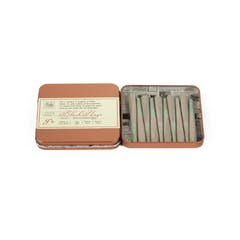
THC 36.54%Sativa
Ruby FarmsRuby Farms | Maui Waui | Hash Infused Doobies | 10pk 5g · 0.5g/10pk
$58.41
$66after tax

weeddispensarynearme.com
You must be 21 years or older to enter. By entering, you confirm you’re of legal age in your state to purchase cannabis.
For use only by adults 21+ • Keep out of reach of children
4 live products in stock
Quick answer · What is the Maui Waui cannabis strain?
Maui Wowie — also spelled Maui Waui — is a sativa landrace whose reputation was forged on the volcanic slopes of Hawaii decades before modern cannabis culture codified its vocabulary. Defined by a bright, tropical aromatic profile and an energizing, clear-headed lift, it remains a benchmark for what a classic sativa can offer: lightness without anxiety, elevation without sedation, and a flavor that carries genuine sun-drenched character to the very last exhale.
$66after tax
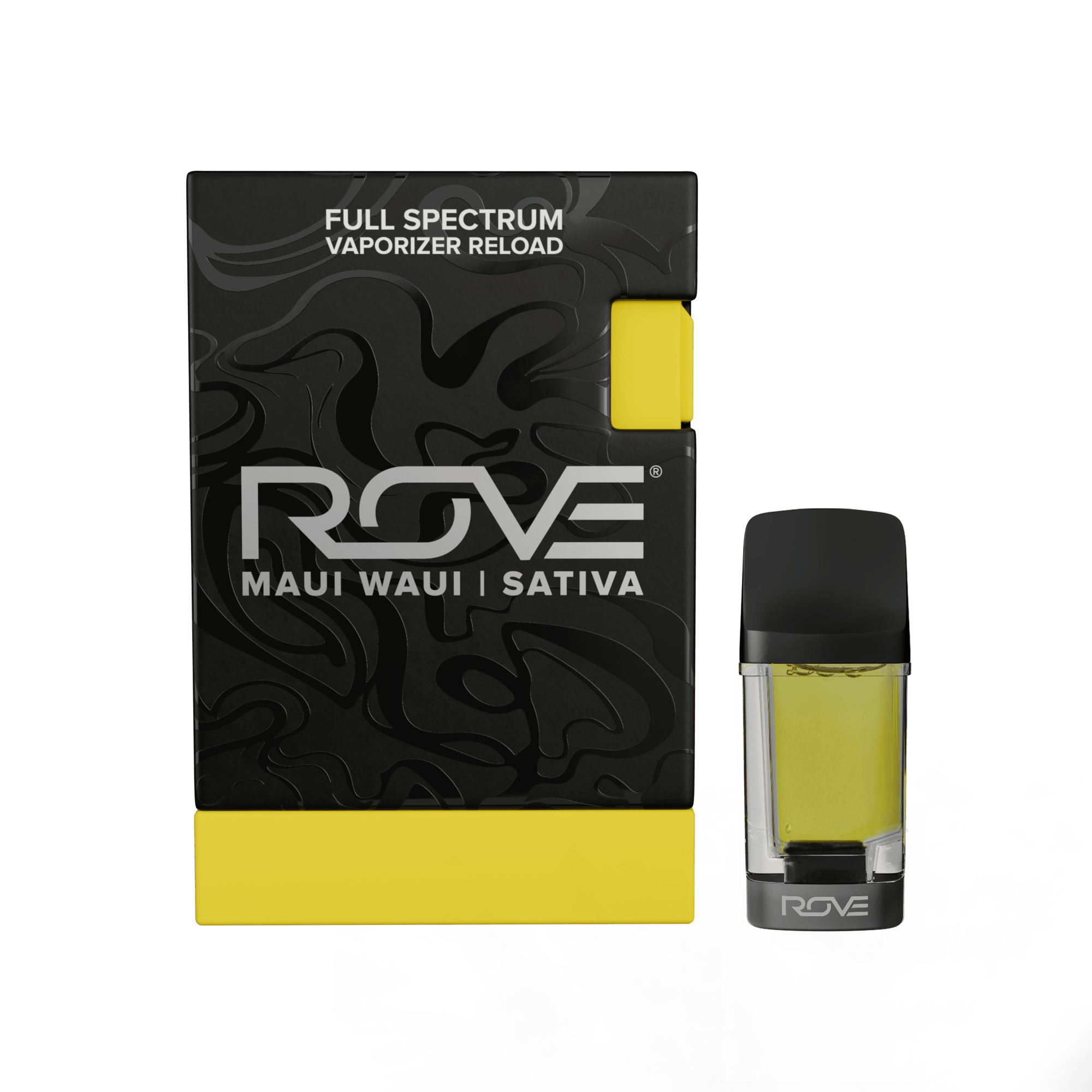
$66after tax
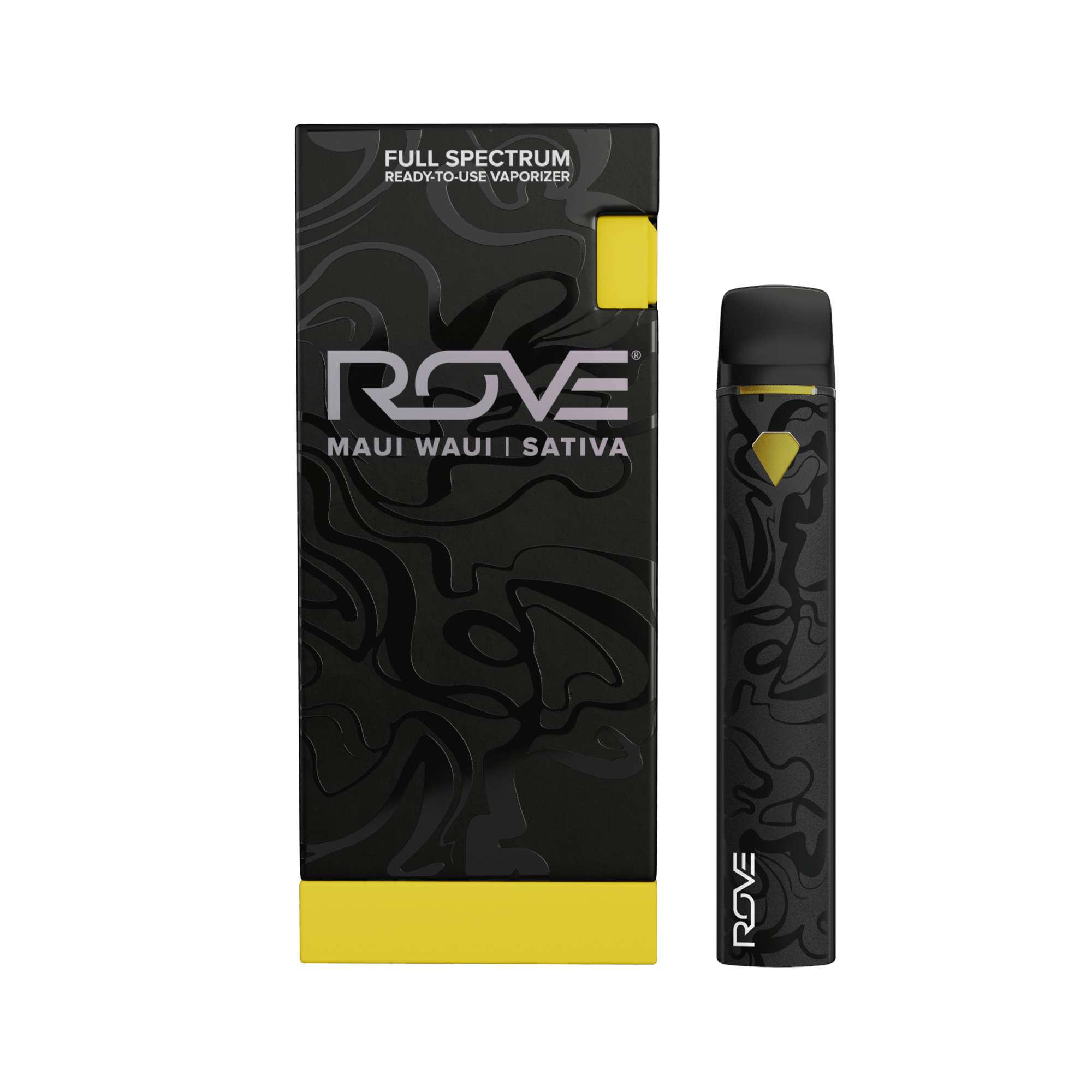
$71after tax
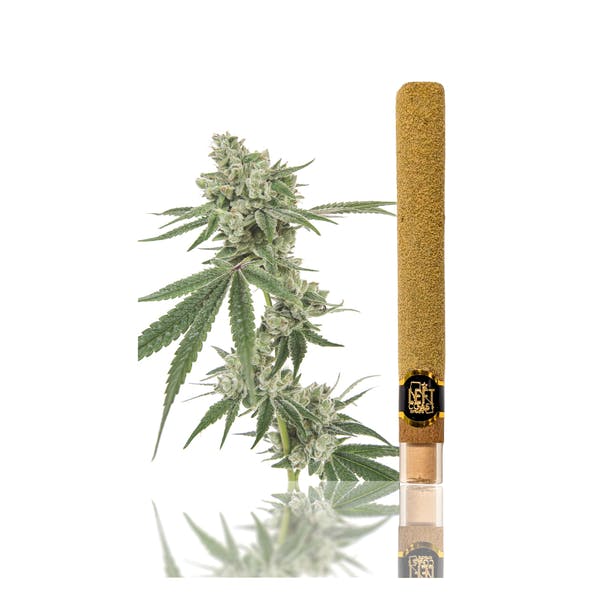
About Maui Waui
Maui Wowie is widely regarded as a Hawaiian landrace sativa, meaning it developed through generations of open pollination in the island environment of Maui rather than through deliberate breeder intervention. Its precise parentage is undocumented — no single breeder or seed company has ever formally claimed origination rights — and cannabis historians generally accept that it emerged organically within Hawaiian growing culture during the 1960s and early 1970s. The strain's development was shaped as much by the island's rich volcanic soil, consistent trade-wind climate, and abundant equatorial-adjacent sunlight as by any intentional selection pressure. By the mid-1970s, Maui Wowie had become one of the most sought-after imports on the mainland United States, traded at a premium alongside other celebrated landrace and regional varieties of the era. Its reputation for exceptional potency — which was relative to the cannabis available at the time — and distinctive pineapple-citrus aroma made it a cultural touchstone referenced in film, music, and literature. Genetically, Maui Wowie occupies an important position in the broader cannabis family tree. Though no closely verified hybrid children are formally attributed to it by reputable breeders, its influence on the aesthetic ideals of American sativa cultivation is well-documented. Some sources speculate that it contributed to early California sativa breeding programs, though this lineage is debated and should be treated as anecdotal. It remains most accurately described as a pure or near-pure sativa landrace of Hawaiian origin.
The onset of Maui Wowie typically arrives within five to fifteen minutes of inhalation, presenting first as a gentle brightening behind the eyes and a mild quickening of thought. Unlike some high-THC modern sativas, the experience rarely escalates into racing or disorganized thinking; instead, it settles into a steady, sociable uplift that many consumers describe as motivating without being forceful. The effect profile leans heavily cerebral, with relatively modest physical sensation — a lightness in the limbs rather than any notable relaxation or sedation. At peak, the experience is characterized by heightened sensory attentiveness and an easy, open-feeling mood. Terpenes play a meaningful supporting role here: myrcene, present in moderate quantities, softens any edge that might otherwise accompany a high-THC sativa, while limonene contributes the mood-brightening quality that many associate with the strain's well-documented uplifting character. Ocimene, another terpene frequently identified in Maui Wowie samples, adds a faint herbal buoyancy that rounds the experience without heaviness. Duration is generally moderate — two to three hours for most experienced consumers under typical circumstances — with a gentle, gradual comedown that rarely produces abrupt fatigue. For those unaccustomed to sativa-dominant varieties, the clear-headed nature of Maui Wowie can still carry sufficient potency to warrant a measured, start-low approach. The overall arc is one of the more graceful in the sativa category: purposeful at the peak, forgiving at the descent.
The aromatic identity of Maui Wowie is among the most immediately recognizable in classic cannabis culture. The dominant impression is tropical fruit — ripe pineapple specifically — layered over a clean, grassy base that signals its landrace character. This combination is largely attributable to terpinolene, a terpene that appears prominently in many Hawaiian-origin cultivars and contributes the lifted, fresh-fruit quality that defines the strain's top note. Myrcene provides the subtle, earthy undercarriage that keeps the aroma grounded rather than sharp. Secondary aromatic elements include citrus — closer to Meyer lemon or sweet mandarin than the bracing sharpness of limonene-forward strains — and a faint floral suggestion some describe as reminiscent of tropical blossoms. Ocimene contributes a light, almost green-mango sweetness that weaves through the mid-range of the scent profile without competing for dominance. Together, these terpenes produce an aroma that reads as authentically natural rather than artificially candy-sweet. On the palate, Maui Wowie delivers well against its olfactory promise. The inhale in flower form carries that pineapple-citrus brightness up front, with a mild herbal earthiness that becomes more apparent mid-draw. The exhale is smooth and clean, leaving a faint sweetness on the back of the palate. In vapor, the terpene expression is more precise, allowing the tropical fruit and floral notes to separate with greater clarity. The overall smoke character is notably light — one of the attributes that contributed to its enduring reputation long before terpene science provided a framework for understanding why.
Maui Wowie displays the archetypal structure of a sativa landrace: elongated, loosely formed buds with a slightly airy, open architecture that reflects both its genetic origins and the long-flowering, warm-climate conditions under which it was traditionally grown. The calyxes tend to be slender and tapered, stacking in a manner that produces buds with visible internal structure rather than the dense, compact form associated with indica-dominant varieties. The color palette skews toward lighter, sun-washed greens — lime and sage tones predominate — with vivid orange to amber pistils that weave generously through the flower. Trichome coverage is present and resinous, lending a frosted quality to the surface without the heavy crystalline density seen in many modern hybrid cultivars. Well-grown examples carry a clean, bright appearance that reflects the strain's landrace vitality. Overall, Maui Wowie's visual presentation is elegant in its simplicity: unfussy, naturally proportioned, and quietly assured.
Maui Wowie is a moderately challenging cultivar for home growers, primarily because its sativa-dominant genetics and Hawaiian landrace origins translate into a long flowering period — typically eleven to thirteen weeks indoors — that demands patience and adequate vertical space management. Outdoors in a warm, humid climate that approximates its native Hawaiian environment, it can thrive with relative ease, rewarding growers with generous yields and the full expression of its terpene profile. Harvest outdoors generally falls in late October to mid-November in the Northern Hemisphere. Indoors, cultivation requires deliberate attention to canopy training — techniques such as low-stress training or screen-of-green setups help manage the plant's natural tendency toward height and lanky branching. Yields indoors are considered moderate, while outdoor plants in favorable conditions can produce substantially more. Maui Wowie responds well to consistent warmth, good airflow, and ample light intensity. It is not considered particularly susceptible to mold relative to other long-flowering sativas, though as with all cannabis, humidity management remains important. For the cultivator-curious shopper, Maui Wowie offers a living study in landrace sativa character — rewarding in the glass as much as in the garden.
Maui Wowie is most at home in the hours between late morning and early afternoon — the window when the day holds genuine possibility but has not yet accumulated the weight of obligation. It suits the solo creative who needs a modest shift in perspective without losing access to focused thought: a painter returning to a stalled canvas, a writer looking to loosen a rigid outline, a photographer walking a neighborhood with fresh eyes. The strain's clear-headed, sociable quality also makes it a natural companion for unhurried outdoor activity — a coastal walk, a farmer's market morning, or an easy hike where conversation matters as much as the destination. For pairing, the tropical terpene profile — terpinolene-forward, with pineapple and citrus notes — finds natural resonance with light, bright foods: ceviche, yuzu-dressed salads, fresh mango, or a well-made coconut-based dish. Musically, the experience sits comfortably alongside sun-warmed acoustic recordings, early reggae, or the more melodic end of jazz — anything with forward momentum and warmth, without aggression. Maui Wowie is not a strain for late nights or winding down; it is an invitation to engage with the day on generous terms.
Durban Poison
Another celebrated sativa landrace with an energizing, clear-headed lift and a distinct, naturally expressive terpene profile — fans drawn to Maui Wowie's clean, uplifting character will recognize a kindred spirit in Durban Poison's focused, anise-tinged elevation.
Pineapple Express
Sharing the tropical, pineapple-forward aromatic register that defines Maui Wowie, Pineapple Express offers a somewhat warmer, hybrid-softened version of the same fruit-forward experience for those who prefer a touch more physical ease.
Green Crack
For consumers who value Maui Wowie's daytime energy and mental clarity above all else, Green Crack delivers a similarly motivating, sharply focused sativa experience with comparable brightness and momentum.
Tropicana Cookies
Those drawn to the citrus and tropical fruit dimension of Maui Wowie's aroma will find Tropicana Cookies an elegant modern counterpart — refined, terpene-rich, and expressive in ways that honor the same sensory tradition.
Island Sweet Skunk
A sativa with distinct tropical and sweet aromatic notes and a comparably sociable, upbeat effect profile, Island Sweet Skunk appeals naturally to the Maui Wowie enthusiast seeking something in a similar latitude of experience.
Maui Waui — more formally known as Maui Wowie — is a sativa landrace originating from the Hawaiian islands. It sits firmly in the sativa category, expressing the long-flowering structure, open bud architecture, and clear-headed, energizing effect profile characteristic of equatorial-origin sativa genetics. It is not a hybrid, nor is any meaningful indica influence documented in its lineage.
Maui Waui carries a bright, tropical palate dominated by ripe pineapple and light citrus, with a mild herbal earthiness that grounds the sweetness. The smoke is notably smooth and clean, with the fruit-forward quality most apparent on the inhale and a gentle, lingering sweetness on the exhale. In vapor, the individual terpene notes — particularly terpinolene and ocimene — express with greater separation and clarity.
The typical experience is energizing and cerebral, characterized by an elevated mood, heightened sensory awareness, and a clear-headed quality that supports creative or social engagement without significant physical sedation. Onset is generally prompt — within fifteen minutes of inhalation — and the overall arc is smooth, with a gradual, manageable comedown. It is widely regarded as a daytime-appropriate variety suited to active, engaged contexts.
Consumers who appreciate Maui Waui's tropical aroma and uplifting sativa experience often enjoy Durban Poison for its clean, landrace-derived energy; Pineapple Express for its shared fruit-forward profile with added warmth; Green Crack for comparable daytime focus and brightness; Tropicana Cookies for a refined modern take on citrus-tropical aromatic expression; and Island Sweet Skunk for a similarly sociable, sun-warmed character.
Maui Waui can be accessible for newcomers because its sativa character tends toward clarity rather than sedation or disorientation. That said, it carries genuine potency, and those new to cannabis should follow a start-low, go-slow approach regardless of strain reputation. Its clear-headed profile may be better tolerated than heavier indica varieties by some first-time consumers, though individual response always varies and caution remains appropriate.
Terpinolene is widely cited as the most prominent terpene in Maui Waui, contributing the signature fresh, tropical-fruit aroma. Myrcene appears as a secondary terpene, providing subtle earthiness and softening the experience slightly. Ocimene rounds the profile with a light, herbal-floral sweetness. Limonene is also noted in many samples, contributing citrus brightness and the mood-elevating quality associated with the strain's uplifting reputation.
Maui Waui originated in Hawaii — specifically associated with the island of Maui — where it developed as a landrace sativa through generations of cultivation in the island's volcanic-soil environment and trade-wind climate. It gained wide recognition on the mainland United States during the 1970s, becoming one of the most celebrated regional varieties of that era. No single breeder or seed company formally claims its origination.
Maui Waui is considered one of the more naturally daytime-oriented strains in the cannabis canon. Its energizing, clear-headed effect profile, absence of notable sedation, and motivating character make it well-suited to morning or early-afternoon consumption. It is generally not recommended for those seeking help winding down in the evening, as its sativa energy may work against restful intentions in that context.
Related strains
Pick your store
We'll show pricing, deals, and delivery zones for the store you pick. You can switch any time from the header.