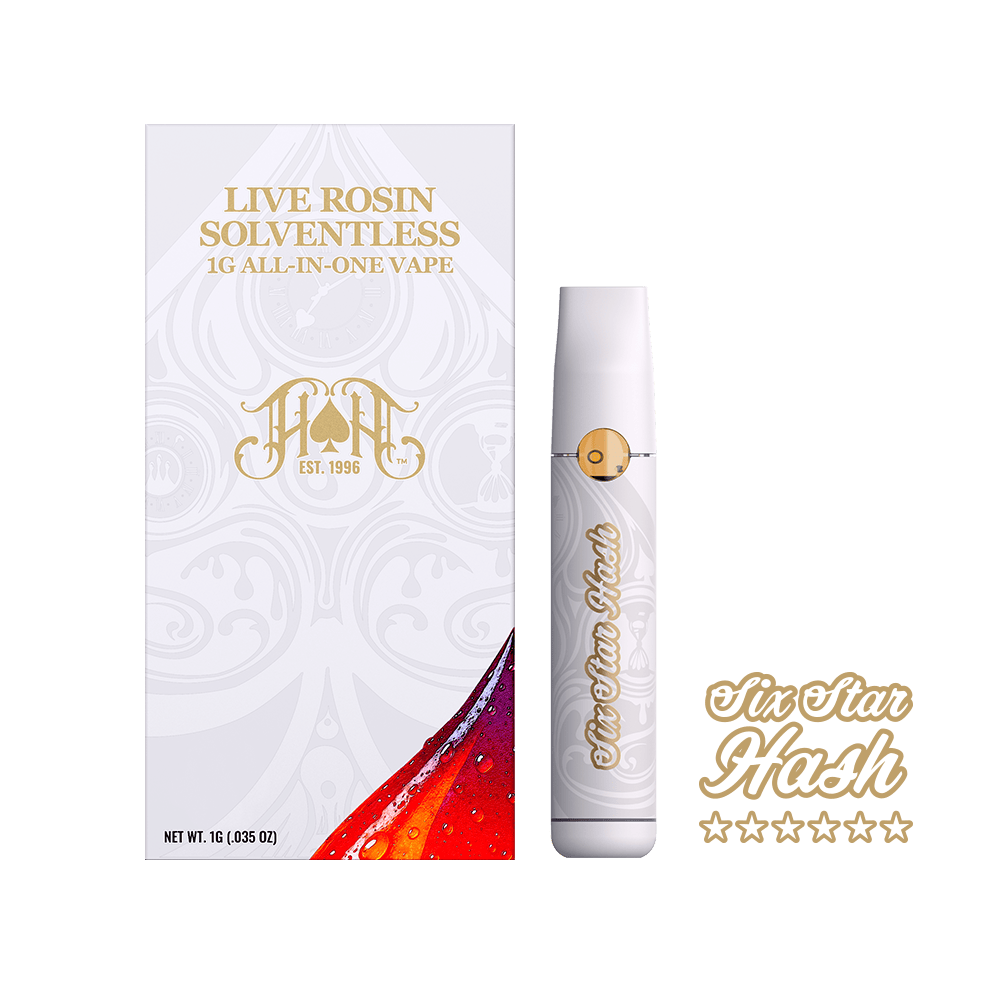
THC 72.91%·CBD 0.2%Hybrid
Heavy HittersMagnolia Rose Live Rosin All-In-One | 1g · 1g
$90.27
$102after tax

weeddispensarynearme.com
You must be 21 years or older to enter. By entering, you confirm you’re of legal age in your state to purchase cannabis.
For use only by adults 21+ • Keep out of reach of children
1 live products in stock
Quick answer · What is the Magnolia Rose cannabis strain?
Magnolia Rose is a refined hybrid whose name conjures the quiet elegance of a Southern garden in early spring — soft, floral, and unhurried. With a terpene profile that leans into sweet florals and subtle earthiness, this strain offers a balanced experience that neither overwhelms the senses nor leaves them wanting. It is the kind of cultivar that rewards a slow, attentive session, making it well suited to the discerning New York consumer who values nuance over novelty.
$102after tax
About Magnolia Rose
Magnolia Rose is a hybrid cultivar whose precise genetic lineage has not been fully disclosed by a single, widely recognized originating breeder, making definitive parentage documentation difficult to verify across major public databases such as Leafly or Wikileaf. The strain is generally understood to carry ancestry rooted in floral-forward genetics, with Rose strains and OG-adjacent lines frequently cited in community discussions, though the breeder has not publicly confirmed specific parent strains in any traceable publication. What is evident from phenotypic expression and terpene analysis is that Magnolia Rose draws from a lineage accustomed to producing dense, resinous flowers with a pronounced floral and earth character — hallmarks shared with strains that trace back to Afghani or Kush foundations crossed with more aromatic, terpene-rich sativa-leaning cultivars. This combination is consistent with the hybrid balancing act the strain delivers in practice. Given the relative obscurity of its documented origin, Magnolia Rose occupies a space similar to other boutique or craft-bred hybrids that emerged from small-batch cultivation communities in the Pacific Northwest or California during the mid-2010s craft cannabis renaissance. Consumers who appreciate genetic siblings in the floral hybrid category may recognize echoes of Lavender, Papaya, or Hawaiian lineage in its profile, though these connections remain speculative without breeder confirmation.
The onset of Magnolia Rose tends to arrive with a measured pace, typically within five to fifteen minutes of inhalation, which is characteristic of a balanced hybrid with a moderately expressive terpene profile. The initial sensation is often described as a gentle lift behind the eyes — a brightening of mood and a subtle loosening of mental chatter — without the sharp, caffeinated edge that purely sativa-dominant cultivars can produce. This cerebral opening is pleasant and sociable without tipping into restlessness. As the session progresses into its peak, the body begins to register a warmth that travels from the shoulders downward, softening tension without producing the heavy sedation associated with indica-dominant cultivars. This duality — a clear, engaged mind paired with a relaxed, comfortable body — defines Magnolia Rose's character at its apex. The experience is one of equilibrium, a state that many consumers find conducive to conversation, creative reflection, or simply being present in a moment. The duration of the peak is generally moderate, running approximately ninety minutes to two hours before transitioning into a gentle, unhurried comedown. Myrcene's sedating undercurrent may deepen slightly as effects wind down, nudging the experience toward ease and rest without abruptness. As with all cannabis, individual response varies considerably. Those new to cannabis or returning after a prolonged absence are well advised to follow a start-low, go-slow approach.
The aromatic profile of Magnolia Rose is among its most distinguished qualities, presenting a complex bouquet that unfolds in stages. On the initial encounter, the nose receives a wave of soft florals — reminiscent of rose petals and white blossoms — anchored by a sweet, green earthiness that prevents the fragrance from reading as perfumed or artificial. This primary floral character is consistent with the presence of linalool, a terpene well documented for its delicate lavender and rose-adjacent notes, and ocimene, which contributes a lighter, almost herbaceous sweetness with faint woody undertones. Deeper into the aroma, secondary layers of citrus zest emerge, suggesting a meaningful contribution from limonene, which brightens the profile and adds a polished, clean quality to what might otherwise sit as purely floral. Myrcene, typically present in the terpene foundation of many hybrid cultivars, lends a soft muskiness and rounds out the sharper edges of the citrus and floral notes into something cohesive and warm. A trace of caryophyllene can occasionally be detected as a faint, dry spiciness in the background — more a structural element than a dominant voice. On the palate, Magnolia Rose translates its aromatic promise into a smooth, creamy smoke or vapor. Floral sweetness leads the inhale, with light herbal and citrus notes threading through the mid-palate. The exhale is clean and lingering, leaving a subtly sweet, slightly earthy finish. Those consuming via dry-herb vaporizer at lower temperatures tend to find the floral and citrus notes most pronounced, as higher combustion temperatures can mute some of the more delicate ocimene and linalool expressions.
Magnolia Rose presents with buds that reflect the attention of careful cultivation — moderately dense in structure with a slight give under gentle pressure, suggesting a moisture content that has been properly managed through cure. The calyxes are well-formed and stack closely, contributing to a compact but not rock-hard profile that is characteristic of hybrid genetics with balanced indica and sativa architectural influence. The color palette is one of the strain's more striking visual qualities. A deep, forest-green base is punctuated by warm amber to pale-rose pistils that curl generously across the surface, lending the bud an almost painterly appearance that echoes the floral associations of its name. Trichome coverage is generous and evenly distributed, giving the flower a frosted, pearlescent quality in direct light. Under magnification, trichome heads appear full and milky with amber tinges at proper harvest maturity, indicating a resin profile that is developed and ready for full expression.
Magnolia Rose is considered a moderately demanding cultivar that rewards attentive growers with a refined final product. It performs well in both indoor and outdoor environments, though indoor cultivation under controlled conditions — where humidity, temperature, and light cycles can be dialed with precision — tends to produce the most consistent expression of its floral terpene profile. Indoor flowering time is generally estimated at eight to nine weeks, placing it within a typical hybrid range. Yield potential indoors is moderate, reflecting the strain's prioritization of terpene density and resin production over sheer volume — a trade-off familiar to cultivators working with boutique hybrid lines. Outdoors, Magnolia Rose prefers a temperate to warm climate with low humidity during the late flowering stage to protect the dense bud structure from moisture-related issues. It is not considered a beginner cultivar due to its sensitivity to environmental fluctuations and its preference for precise nutrient management, particularly during the mid-to-late flower phase when its aromatic compounds are developing most actively. For the cultivator-curious consumer, it represents the kind of craft grow that benefits from experience and patience.
Magnolia Rose occupies a particular niche in the daily rhythm: it is most at home in the hours between the demands of the afternoon and the full surrender of the evening — what the French might call the early apéritif hour, when the quality of light softens and the pace of the day begins to yield. It is a strain that suits a solo creative session as readily as it suits a small, unhurried gathering with people whose company you genuinely enjoy. The balanced effects invite conversation and reflection without demanding either. For food pairing, Magnolia Rose's floral and citrus terpene profile finds a natural counterpart in dishes that share that same delicate brightness — a well-composed cheese board featuring aged chèvre, honeycomb, and thinly sliced pear, or a light citrus-dressed salad with fresh herbs. On the musical side, the strain's equilibrium lends itself to ambient or lightly textured jazz — something in the register of Bill Evans or early Norah Jones — where melody and space coexist without competition. For the reader or the sketcher, it is equally well suited: present enough to engage the mind, relaxed enough to let the work move without friction.
Lavender
Fans of Lavender's signature floral terpene profile and balanced, body-easing hybrid effects will find Magnolia Rose occupies a very similar aromatic and experiential register.
Do-Si-Dos
Do-Si-Dos shares the dense, resinous bud structure and the smooth, sweet-yet-earthy palate character that defines Magnolia Rose's sensory profile.
Papaya
Papaya's tropical-floral sweetness and calm, full-body hybrid effects offer a comparable mood and pacing to the Magnolia Rose experience.
Zkittlez
Zkittlez lovers who appreciate a sweet, terpene-forward flower with a composed, balanced effect will find Magnolia Rose a refined lateral move.
Mimosa
The citrus brightness and social, uplifted quality that Mimosa delivers resonates with Magnolia Rose's limonene-touched, mood-lifting character.
Magnolia Rose is classified as a hybrid, meaning it carries characteristics associated with both indica and sativa lineages. In practice, it tends to express a balanced experience — a clear, moderately elevated mental state paired with noticeable but not overwhelming body ease. It does not lean strongly toward either the sedating end of the spectrum or the purely stimulating end, making it a versatile option across different contexts and times of day.
Magnolia Rose delivers a smooth, floral-forward palate with layers of rose-like sweetness, light citrus zest, and a soft herbal earthiness on the exhale. The flavor is delicate rather than bold, with linalool and ocimene contributing the floral character and limonene providing a clean, bright citrus thread. The finish is mildly sweet and lingers pleasantly without heaviness, particularly when consumed via dry-herb vaporizer at controlled temperatures.
Magnolia Rose typically produces a balanced hybrid experience: a mood-brightening, mentally clear onset that settles into a warm, relaxed body state without heavy sedation. The arc moves from a gentle cerebral lift in the first fifteen minutes through a comfortable, present-minded peak, then transitions into ease as effects wind down. It is generally considered approachable in its intensity, though individual experience varies. A start-low, go-slow approach is always recommended.
Consumers who enjoy Magnolia Rose often find kinship with other floral, terpene-forward hybrids such as Lavender, Papaya, and Zkittlez. Do-Si-Dos shares a comparable bud density and palate character, while Mimosa echoes the citrus brightness and sociable quality of the experience. The connecting thread across these strains is a refined aromatic profile paired with balanced, non-extreme effects — the hallmarks of the boutique hybrid category.
Magnolia Rose can be approachable for newer consumers given its balanced hybrid character, which avoids the extremes of deeply sedating indica or sharply energizing sativa effects. That said, no strain is universally suitable for all beginners, as individual sensitivity to cannabinoids and terpenes varies considerably. Those new to cannabis or returning after a long break are encouraged to start with a very modest amount, wait to assess the full onset before consuming more, and choose a comfortable, familiar setting.
The dominant terpenes in Magnolia Rose are understood to include linalool, which contributes the strain's characteristic floral, rose-adjacent aroma; ocimene, which adds a lighter herbal sweetness; limonene, responsible for the citrus brightness; and myrcene, which provides earthy depth and rounds the profile with a soft muskiness. A background presence of caryophyllene is occasionally noted as a faint, dry spice. Together these terpenes create a layered, elegant aromatic signature.
Magnolia Rose is most naturally suited to the late afternoon or early evening — after the obligations of the day have eased but before the full wind-down of the night. Its balanced hybrid effects support both social and solo contexts: a quiet hour of reading or creative work, a relaxed dinner gathering, or simply a moment of unhurried presence. Its relatively measured intensity makes it less ideal as an early-morning productivity strain but well positioned for the transitional hours.
In the jar or on the hand, Magnolia Rose opens with a soft, sweet floral scent reminiscent of rose petals and light blossoms, undercut by green earth and a faint citrus brightness. The aroma is refined rather than pungent — it reads as elegant and complex without being overwhelming. Breaking the flower apart intensifies the earthier, muskier base notes while releasing more of the citrus and herbal elements, giving a fuller preview of the flavor profile that follows.
Related strains
Pick your store
We'll show pricing, deals, and delivery zones for the store you pick. You can switch any time from the header.