On sale· 30% OFF
THC 75.4%·CBD 0.15%Hybrid
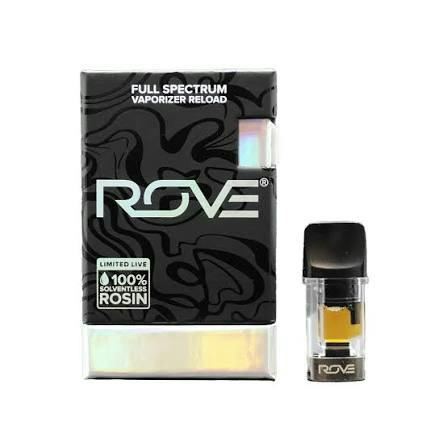
RoveRove | Premier Solventless Ice Hash Live Rosin Reload | Orange Kush - Indica · .5g
$31.59$45.13
$37after tax

weeddispensarynearme.com
You must be 21 years or older to enter. By entering, you confirm you’re of legal age in your state to purchase cannabis.
For use only by adults 21+ • Keep out of reach of children
3 live products in stock
Quick answer · What is the Kush cannabis strain?
Kush is the archetype against which all indica-leaning cultivars are measured — a lineage born in the Hindu Kush mountain range and refined across decades of American and European breeding. Its dense, resinous buds carry an earthen gravity that settles the body with unhurried intention. Whether encountered as a landrace or a polished modern expression, Kush speaks a language of deep relaxation, spice, and pine that remains utterly singular in the cannabis canon.
$37after tax

$42after tax

About Kush
The Kush name traces directly to the Hindu Kush mountain range, a roughly 800-kilometre corridor spanning present-day Afghanistan and Pakistan. The landrace varieties native to this region — collectively referred to as Afghani or Hindu Kush landraces — evolved under harsh, arid conditions, producing thick resin coats as protection against ultraviolet radiation and temperature swings. These plants are among the oldest documented cannabis cultivars in the world, cultivated for centuries for both hashish production and textile fibre. The strain entered Western cannabis culture in the 1970s when travellers along the so-called Hippie Trail brought seeds back to the United States and the Netherlands. Cultivators in California, particularly in the Emerald Triangle region, began selecting phenotypes that would eventually produce the stable line known as OG Kush — though the precise origin of OG Kush remains one of the most debated topics in cannabis genetics. One widely cited account credits a Florida grower named Matt 'Bubba' Berger with crossing a Hindu Kush-derived plant with Chemdawg in the early 1990s, with the resulting cut later popularised in California by Josh D. From this foundational stock, a vast family of Kush descendants emerged: Bubba Kush, Master Kush, Purple Kush, Skywalker OG, and countless others. Dutch Passion and other Amsterdam seedbanks were instrumental in stabilising Afghani Kush genetics for wide distribution. Each branch of the family tree shares core indica traits — compact structure, heavy trichome production, and a pronounced body effect — while expressing unique aromatic and flavour nuances depending on regional selection.
The Kush experience is defined by a measured, progressive onset rather than an abrupt shift. Depending on individual tolerance and consumption method, the initial sensations typically begin to register within five to fifteen minutes of inhalation — a gentle pressure behind the eyes and a softening of muscular tension across the shoulders and neck. There is rarely the sharp cerebral acceleration associated with sativa-dominant cultivars; instead, the mind settles into a comfortable, contemplative stillness. At peak, the body component dominates. A characteristic warmth radiates through the limbs, and what cannabis consumers often describe as a 'couch-lock' quality can emerge in higher-quantity sessions. This is broadly attributed to the high myrcene content common across Kush varieties, as myrcene is the terpene most closely associated with sedative, muscle-relaxing character. Caryophyllene contributes a grounding, stress-dampening quality by interacting with the endocannabinoid system's CB2 receptors. The overall mood tends toward calm contentment rather than euphoric elevation. Duration is typically two to three hours for most consumers, with a comedown that tapers gently rather than dropping abruptly. As the peak subsides, drowsiness often follows — a quality that makes Kush most appropriate for evening and late-night occasions. Newcomers to cannabis should approach any Kush-lineage cultivar with particular care, as the indica-forward cannabinoid and terpene profile can amplify sensitivity. Starting with a modest quantity and allowing ample time to assess the effect before re-dosing is always advisable.
The aromatic signature of Kush is one of the most recognisable in cannabis — a layered composition of earth, hash, pine, and subtle sweetness that carries an almost geological weight. Myrcene, the single most abundant terpene across the majority of Kush phenotypes, anchors the profile with its characteristic musky, herbal, and faintly tropical quality. It is the compound most responsible for the damp-earth, old-wood character that distinguishes Kush from fruitier or more floral cultivars. Caryophyllene introduces a spiced, peppery dimension — the same compound present in black pepper and cloves — which gives the aroma a dry, resinous bite on the mid-note. This is frequently described as a hashish-like quality, a nod to the landrace's long history of charas and hand-rubbed resin production in its native region. Pinene, particularly alpha-pinene, lifts the overall profile with a clean, forest-floor note that prevents the earthiness from becoming oppressive and may contribute a mild mental clarity at the onset of the experience. On the palate — whether consumed via dry-herb vaporiser or traditional flower — Kush delivers an expansive, full-bodied smoke with a satisfying density. The inhale often presents pine and sandalwood, while the exhale reveals the deeper earthy and hash-spice character that lingers on the tongue. Secondary notes of grape, citrus peel, or floral sweetness may appear depending on the specific phenotype, with linalool and traces of ocimene occasionally responsible for these softer top-note variations in select cultivars.
Kush flowers are immediately recognisable for their compact, almost sculptural architecture. The buds are typically dense and chunky — broad rather than elongated — with tightly packed calyxes that reflect the plant's mountain landrace origins, where energy is concentrated into small, efficient structures rather than sprawling formations. This density makes the flowers feel notably heavy for their size. The colour palette skews toward deep olive and forest green, occasionally punctuated by notes of purple in phenotypes that have been exposed to cooler temperatures during the final weeks of flowering — a trait linked to anthocyanin pigmentation rather than genetic manipulation. Pistils (the hair-like structures) tend toward a warm rust or amber hue, which deepens as the plant reaches full maturity. Trichome coverage is abundant across the entire surface, lending the buds a frosted, almost silver-grey luminosity. The resin glands are typically large and visually prominent, a reminder of the cultivar's ancestral role as a hashish-production plant across centuries of traditional mountain agriculture.
Kush genetics are considered a solid choice for cultivators with some foundational experience, though many stabilised Kush varieties are approachable enough for dedicated beginners willing to research the fundamentals. The plants are naturally compact — typically reaching between 60 and 120 centimetres indoors — which makes them well-suited to controlled indoor environments where vertical space is limited. Flowering time generally falls in the eight-to-nine week range, with some phenotypes finishing closer to ten weeks for maximum trichome development. Indoors, Kush performs well under both high-pressure sodium and full-spectrum LED lighting, and responds positively to low-stress training techniques that open the canopy and improve light penetration into the dense bud sites. Yields are moderate rather than prolific by modern standards, with indoor harvests typically described as rewarding for their quality and resin content rather than sheer volume. Outdoors, Kush thrives in dry, Mediterranean-like climates that mirror its native environment — high humidity is the primary adversarial condition, as the tight bud structure creates interior pockets susceptible to botrytis (bud rot) if moisture is not managed carefully. In the northeastern United States, outdoor cultivation requires attentive monitoring through the humid late-summer period.
Kush is an evening cultivar by temperament. Its effects are calibrated for deceleration — for the deliberate transition from the demands of the day into something quieter and more interior. It suits the solo ritual of a late-night listening session, the kind of deliberate, headphones-on engagement with music that the pace of the day rarely permits. Tonally, it pairs well with records that reward close attention: jazz with unhurried phrasing, ambient electronic, or the more atmospheric corners of soul and R&B. From a culinary pairing perspective, Kush's dominant earthiness and spice harmonise naturally with foods that share its aromatic register — slow-braised dishes, aged cheeses with nutty, complex crusts, or dark chocolate with high cacao content. The pine and pepper notes in the terpene profile also complement herbal Mediterranean cuisine, particularly dishes built around rosemary, thyme, or roasted root vegetables. For those who prefer company, Kush is best suited to small, unhurried gatherings rather than high-energy social environments — intimate conversation, a considered dinner, or a shared film with friends who appreciate a contemplative rather than animated atmosphere.
OG Kush
As perhaps the most celebrated descendant of Hindu Kush genetics, OG Kush shares the same earthy, pine-forward terpene profile with an added citrus and fuel complexity that fans of classic Kush will find familiar and compelling.
Bubba Kush
Bubba Kush carries the same heavy body character and hash-spice aroma as its Kush parentage, with an added coffee and chocolate sweetness that deepens the overall sensory experience for indica enthusiasts.
Master Kush
A direct cross of two Hindu Kush landraces stabilised by Dutch breeders, Master Kush preserves the earthen, incense-like aroma and deeply relaxing body effect that define the broader Kush family.
Purple Kush
For those drawn to Kush's indica-dominant effects and earthy base but who also appreciate a sweeter, grape-tinged aromatic layer, Purple Kush — a cross of Hindu Kush and Purple Afghani — is a natural complement.
Afghani
As the foundational landrace from which most Kush genetics descend, Afghani offers a similarly resinous, hash-forward experience with a pure, unadulterated expression of the terpene character that defines the broader lineage.
Kush is firmly indica in character, tracing its origins to the Hindu Kush mountain range of Afghanistan and Pakistan — a region renowned for producing some of the world's most archetypal indica landraces. The plant's compact structure, dense bud formation, shorter flowering time, and deeply relaxing body-dominant effects all reflect classic indica traits. Whether encountered as a landrace or a modern stabilised cultivar, Kush consistently presents the hallmarks of indica-leaning cannabis.
Kush delivers a rich, full-bodied flavour profile built around earth, pine, and hash-spice. On the inhale, pine and sandalwood tend to dominate, while the exhale reveals deeper notes of damp earth, pepper, and a resinous hash-like sweetness. Depending on the specific phenotype, secondary flavours of grape, citrus peel, or subtle floral notes may also emerge. The overall palate impression is dense and lingering — more mountain forest and ancient resin than fruit or candy.
Kush produces a measured, body-forward experience characterised by progressive muscular relaxation, a quieting of mental activity, and a warm physical heaviness that deepens as the session continues. The onset is gradual rather than sharp, typically registering within five to fifteen minutes of inhalation. At peak, a couch-lock quality can emerge, particularly for those newer to cannabis or consuming in larger quantities. The comedown is gentle, often leading into drowsiness, making Kush most appropriate for evening and late-night use.
Consumers who enjoy Kush often find common ground with OG Kush, which adds citrus and fuel complexity to the familiar earthy base; Bubba Kush, which deepens the profile with coffee and chocolate sweetness; Master Kush, a direct two-landrace cross that preserves the purest expression of the Kush character; Purple Kush, which introduces grape-tinged sweetness alongside the classic body effect; and Afghani, the foundational landrace from which most Kush genetics ultimately descend.
Kush can be a satisfying choice for new adult-use consumers, but its potent body effect and potential for pronounced sedation warrant a cautious approach. The indica-dominant terpene and cannabinoid profile — particularly the high myrcene content — can intensify sensitivity in those with low tolerance. The standard guidance applies: start with a modest quantity, wait a sufficient amount of time to assess the full effect before considering additional consumption, and choose an environment where comfort and relaxation are the priority.
Across most Kush phenotypes, myrcene is the dominant terpene, responsible for the signature musky, earthy, and mildly tropical aroma and broadly associated with the cultivar's sedative, muscle-relaxing character. Caryophyllene is consistently prominent as well, contributing the peppery, hash-like spice note and a grounding quality tied to its interaction with CB2 receptors. Alpha-pinene rounds out the primary profile with a clean pine and forest-floor dimension, while linalool and ocimene appear as secondary contributors in select phenotypes.
Kush is most naturally aligned with the evening and late-night hours. Its body-dominant, progressively sedating effect profile makes daytime use impractical for most consumers who need to remain focused or active. The cultivar is best appreciated when the day's obligations have concluded and the intention is deliberate deceleration — a quiet night at home, a slow dinner, or a contemplative listening session where physical ease and mental stillness are the desired state.
The name derives directly from the Hindu Kush mountain range, a vast corridor spanning present-day Afghanistan and northern Pakistan. Cannabis plants native to this region evolved over centuries in harsh, high-altitude conditions, developing the dense resin production and compact structure that define the Kush phenotype. The name entered Western cannabis vocabulary in the 1970s as travellers returned from Central Asia with seeds, and it has since become one of the most influential and widely referenced lineages in modern cannabis breeding.
Related strains
Pick your store
We'll show pricing, deals, and delivery zones for the store you pick. You can switch any time from the header.