
Indica
All strains Kosher Kush
4 live products in stock
Quick answer · What is the Kosher Kush cannabis strain?
Kosher Kush carries the quiet authority of a strain that has earned its reputation over many years without resorting to novelty. Dense, resinous, and deeply earthy, it arrives with an unhurried gravity that settles through the body like a long exhale at the end of a considered day. For those who appreciate indica expression at its most deliberate and well-composed, this is a strain that rewards patience and attentiveness in equal measure.
Shop Kosher Kush · 4 of 4 live products
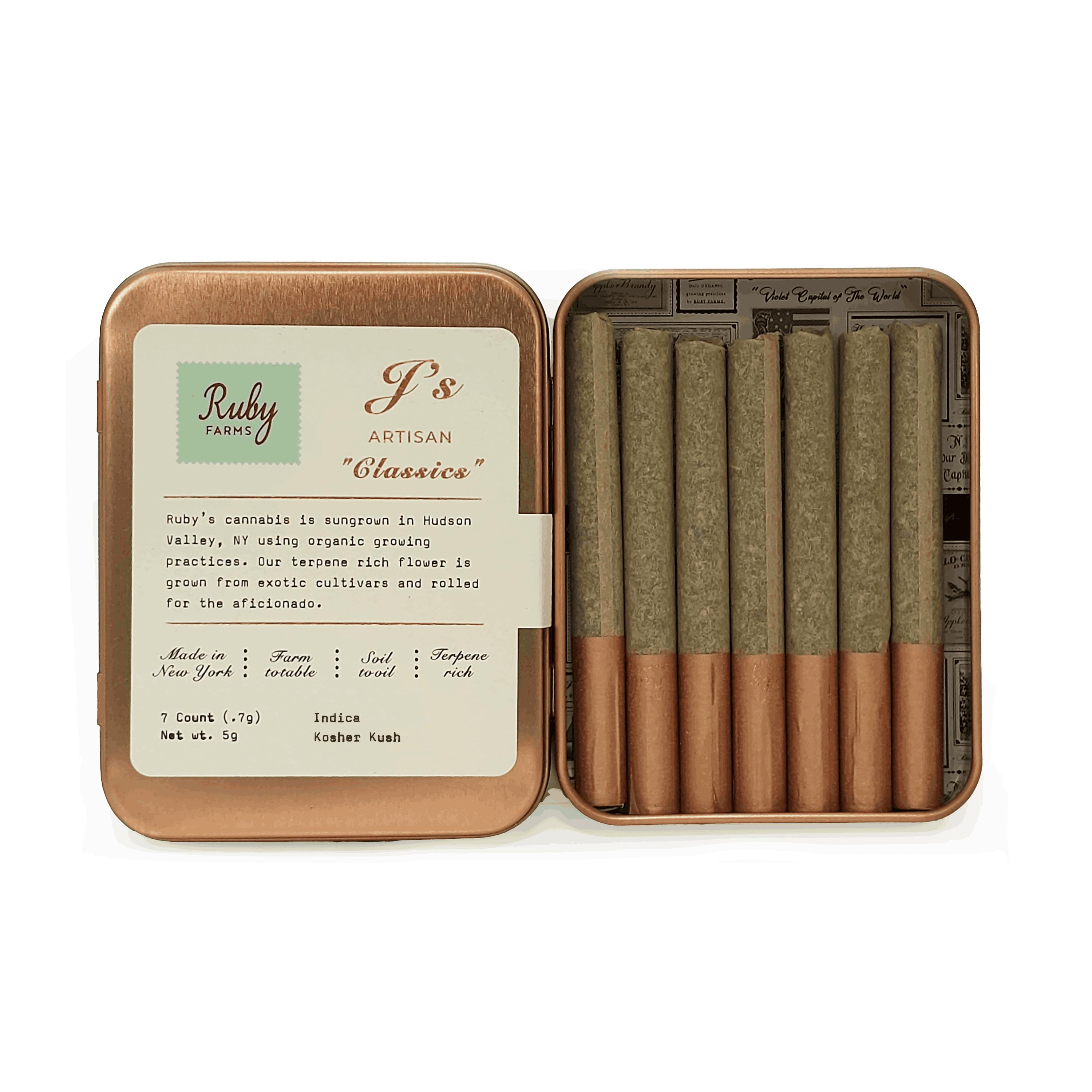
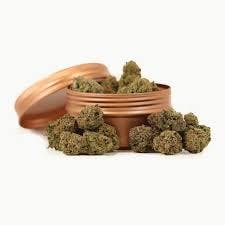
THC 45.62%Indica

Ruby FarmsRuby Farms | Kosher Kush | Rose Petals | Infused Pre-roll · 1.5g
$30.00
$34after tax
About Kosher Kush
Everything to know about Kosher Kush.
Lineage & origin
Kosher Kush was developed by DNA Genetics, the Amsterdam-based seed company co-founded by Don Morris and Aaron Yarkoni that has long operated at the intersection of American genetics and European cultivation culture. The strain was originally bred in Los Angeles before DNA Genetics refined and commercialized it, and it first gained widespread attention around 2010 when it won the High Times Cannabis Cup in the indica category — a distinction it repeated in subsequent years, cementing its place in the modern indica canon. The precise parentage of Kosher Kush is a point of some discussion. DNA Genetics has described the strain as originating from an OG Kush-related cut sourced from the Jewish community in Los Angeles, and the name reflects that cultural provenance. Beyond OG Kush influence, the full genetic background has not been exhaustively documented in public breeder records, and some sources suggest additional Afghani landrace influence consistent with its heavily sedative character. Genetically adjacent strains include Kosher Tangie, a cross DNA Genetics produced by pairing Kosher Kush with Tangie, and various phenotype selections that breeders have used as a resin-heavy backbone for further crosses. Its legacy is one of consistent, high-trichome production and reliable indica expression that made it a favored parent in the creation of subsequent high-potency hybrids throughout the 2010s.
Effects
The onset of Kosher Kush is measured but unmistakable. Within the first ten to fifteen minutes, most experienced consumers notice a warmth that begins at the temples and spreads gradually downward, shifting from a mild mental ease into a more pervasive physical relaxation. It does not announce itself with a sharp cerebral rush; rather, the transition is smooth and enveloping, characteristic of a well-grown indica with a terpene profile weighted toward myrcene. At its peak, the experience is predominantly body-forward. Muscles that carry habitual tension tend to release with notable thoroughness, and the mind settles into a calm, unfocused receptivity rather than alert engagement. Conversations remain possible and can take on an unhurried warmth, but this is not a strain that sharpens creative output or accelerates thought. The dominant cannabinoid profile leans toward higher THC expression alongside the sedative terpene contribution of myrcene, which research has associated with muscle-relaxant and calming properties. Duration tends toward the generous side for an indica — most users report a sustained plateau of two to three hours before a slow, comfortable descent into restfulness. The comedown is gentle rather than abrupt, and many find the final stage conducive to sleep. New consumers are well advised to start low and go slowly; the depth of the physical effect can be underestimated on first acquaintance.
Aroma, flavor & terpenes
The aromatic signature of Kosher Kush is one of its most distinctively composed qualities. The dominant terpene is myrcene, which expresses here as a deep, damp earthiness — reminiscent of forest floor after rain, or the interior of an aged wooden cabinet. Beneath that foundation, caryophyllene introduces a subtle, dry spiciness that adds structural complexity without sharpness; caryophyllene is also the terpene most commonly associated with a peppery, almost herbal note and has been studied for its interaction with CB2 receptors, suggesting a contribution to the strain's physical depth. Secondary terpenes include limonene, which lifts the overall profile with a faint citrus undercurrent — think preserved lemon rather than fresh-squeezed — and linalool, which contributes a delicate floral softness that rounds the edges of the earthier base notes. Some phenotypes also show measurable humulene, a terpene shared with hops that adds a woody, slightly bitter herbaceousness. On the palate, Kosher Kush is rich and full-bodied whether consumed as flower or vapor. Smoke tends to carry the earth and spice notes prominently on the inhale, with the citrus and floral tones becoming more apparent on the exhale. Vapor renders the terpene complexity with greater precision, allowing the linalool and limonene contributions to present themselves more clearly. The finish is long, resinous, and gently warming, with very little harshness when the flower is well-cured.
Appearance
Kosher Kush produces buds that are immediately recognizable as the work of an indica with serious resin credentials. The structure is dense and compact, with tightly packed calyxes that form chunky, almost bulbous formations rather than the elongated, airy architecture associated with sativa-leaning genetics. The weight of each nugget relative to its visual size is consistently notable. The color palette tends toward deep forest and olive greens, often accented with muted purple undertones that emerge in phenotypes exposed to cooler temperatures during the final weeks of flowering. Pistils are a warm amber to burnt orange, weaving visibly through the dense green mass. What sets the visual presentation apart most dramatically, however, is the trichome coverage: a thick, continuous layer of milky-white to pale amber resin glands coats virtually every surface, giving well-grown examples an almost frosted, silver-white luminosity that speaks directly to the strain's reputation as a hash and extract staple.
Growing notes
Kosher Kush is considered a moderately demanding cultivar — accessible to intermediate growers but not ideally suited as a first-time project. It performs well both indoors and in warm, dry outdoor climates that approximate the Mediterranean or Southern California conditions where it was originally refined. Indoors, flowering typically concludes within eight to nine weeks, and the plant rewards low-stress training and careful canopy management given its tendency toward bushy, compact growth. Yields indoors are generally described as moderate to above average, with the value of the harvest weighted heavily toward resin quality rather than raw volume. Outdoor cultivation in a suitable climate can produce larger individual plants, with harvest typically falling in mid to late October in the Northern Hemisphere. Humidity control during the final weeks of flowering is advisable, as the density of the buds can make them susceptible to moisture-related issues if airflow is insufficient. For the cultivator-curious shopper, Kosher Kush represents the kind of grow that rewards attention to environmental detail and post-harvest curing — both of which make a tangible difference in the final expression of its terpene profile.
When it's best enjoyed
Kosher Kush is most at home in the evening hours, when the obligations of the day have concluded and there is genuine space to be unhurried. It is not a social strain in the energetic sense, but it holds its own in small, comfortable gatherings where the shared intention is to slow down rather than animate — a quiet dinner among close friends, or a long conversation that doesn't require arriving anywhere in particular. Solo, it pairs thoughtfully with music that has textural density and a patient tempo: late-period jazz, ambient electronic work, or the kind of classical chamber music where the silences carry as much weight as the notes. At the table, its earthy, spiced terpene profile finds resonance with slow-cooked dishes that share that same low, rich register — a braised lamb, a mushroom risotto, or an aged cheese board with honeycomb and dark bread. For those who enjoy a considered film or an absorbing long-form read before sleep, Kosher Kush provides exactly the quality of settled attention that makes those activities feel genuinely restorative. The standard guidance applies: begin with a modest amount, allow the full onset window to pass before reassessing, and plan accordingly for the evening.
If you like Kosher Kush, also explore
OG Kush
As one of the foundational influences in Kosher Kush's lineage, OG Kush shares the same deep earth-and-fuel terpene architecture and delivers a comparably body-forward experience with slightly more cerebral lift.
Bubba Kush
Bubba Kush mirrors Kosher Kush's dense structure, heavy myrcene earthiness, and profoundly physical indica character, making it a natural recommendation for those who respond well to this sedative profile.
Granddaddy Purple
Sharing the same late-evening temperament and muscle-relaxing depth, Granddaddy Purple appeals to Kosher Kush fans who appreciate a fuller berry and grape aromatic dimension layered over a similarly grounding body effect.
Death Star
A cross of Sensi Star and Sour Diesel, Death Star delivers the same unhurried, enveloping sedation with a slightly more complex terpene interplay that will resonate with those who appreciate Kosher Kush's aromatic depth.
Kosher Tangie
A direct genetic descendant bred by DNA Genetics, Kosher Tangie preserves the Kosher Kush foundation while introducing a bright citrus energy from Tangie — an ideal next step for those curious about the parent's lineage in a livelier context.
Common questions
Is Kosher Kush indica or sativa?+
Kosher Kush is a pure or near-pure indica, developed by DNA Genetics with roots in OG Kush and likely Afghani landrace genetics. Its growth structure, terpene profile, and effects are all characteristic of the indica classification — compact, resinous, and oriented toward physical relaxation rather than cerebral stimulation. It is one of the more consistent indica expressions available in the current New York adult-use market.
What does Kosher Kush taste like?+
The flavor of Kosher Kush is anchored in deep, damp earth and dry spice, with myrcene and caryophyllene as the primary contributors. On the exhale, subtle citrus and floral notes emerge from limonene and linalool, adding quiet complexity to what is otherwise a grounded, resinous palate. The finish is long and slightly warming, with a richness that is particularly well-expressed in well-cured flower or a low-temperature vapor session.
What are the typical effects of Kosher Kush?+
Kosher Kush delivers a gradual, body-forward experience characterized by deep physical relaxation and a calm, unfocused mental ease. Onset typically takes ten to fifteen minutes, building into a sustained plateau that most consumers describe as profoundly settled and restful. It is not a strain associated with energetic or creative output. The effect duration tends to be generous, and the comedown transitions naturally toward sleep for many users.
What strains are similar to Kosher Kush?+
Consumers who appreciate Kosher Kush typically also enjoy OG Kush for its shared lineage and earthy depth, Bubba Kush for its comparable physical sedation and terpene profile, and Granddaddy Purple for a similarly grounding effect with a berry aromatic dimension. Death Star and Kosher Tangie — the latter a direct DNA Genetics cross — round out the natural points of comparison for this strain's admirers.
Is Kosher Kush good for beginners?+
Kosher Kush is best approached with some prior experience. Its physical effect is pronounced and can be disorienting for those unfamiliar with potent indica expression. The standard guidance — start with a small amount, wait through the full onset window before considering more, and plan for a stationary, low-demand evening — is particularly relevant here. New adult-use consumers in New York are encouraged to consult with a ZenZest floor associate before selecting this strain.
What are the dominant terpenes in Kosher Kush?+
The dominant terpenes in Kosher Kush are myrcene, caryophyllene, and limonene, with secondary contributions from linalool and, in some phenotypes, humulene. Myrcene drives the earthy, sedative character; caryophyllene adds dry spice and depth; limonene contributes a faint citrus brightness; and linalool rounds the profile with a soft floral note. Together they produce the strain's signature aroma of damp earth, pepper, and restrained citrus.
Why is it called Kosher Kush?+
The name reflects the strain's origin story as recounted by DNA Genetics, who have described sourcing the original cut from within the Jewish community in Los Angeles. The 'Kush' designation situates it within the broad OG Kush family and the wider Kush lineage associated with Afghani genetics. The name has also occasionally been rendered as 'Jew Gold' in legacy market contexts, though DNA Genetics' commercial release standardized the Kosher Kush designation.
Has Kosher Kush won any awards?+
Yes. Kosher Kush is notable for winning the High Times Cannabis Cup in the indica category in 2010 and again in 2011, consecutive victories that were rare at the time and contributed significantly to the strain's reputation beyond the Los Angeles market where it originated. Those accolades helped establish DNA Genetics as a leading seed company and positioned Kosher Kush as a benchmark indica against which subsequent strains in the category have frequently been measured.
Related strains