
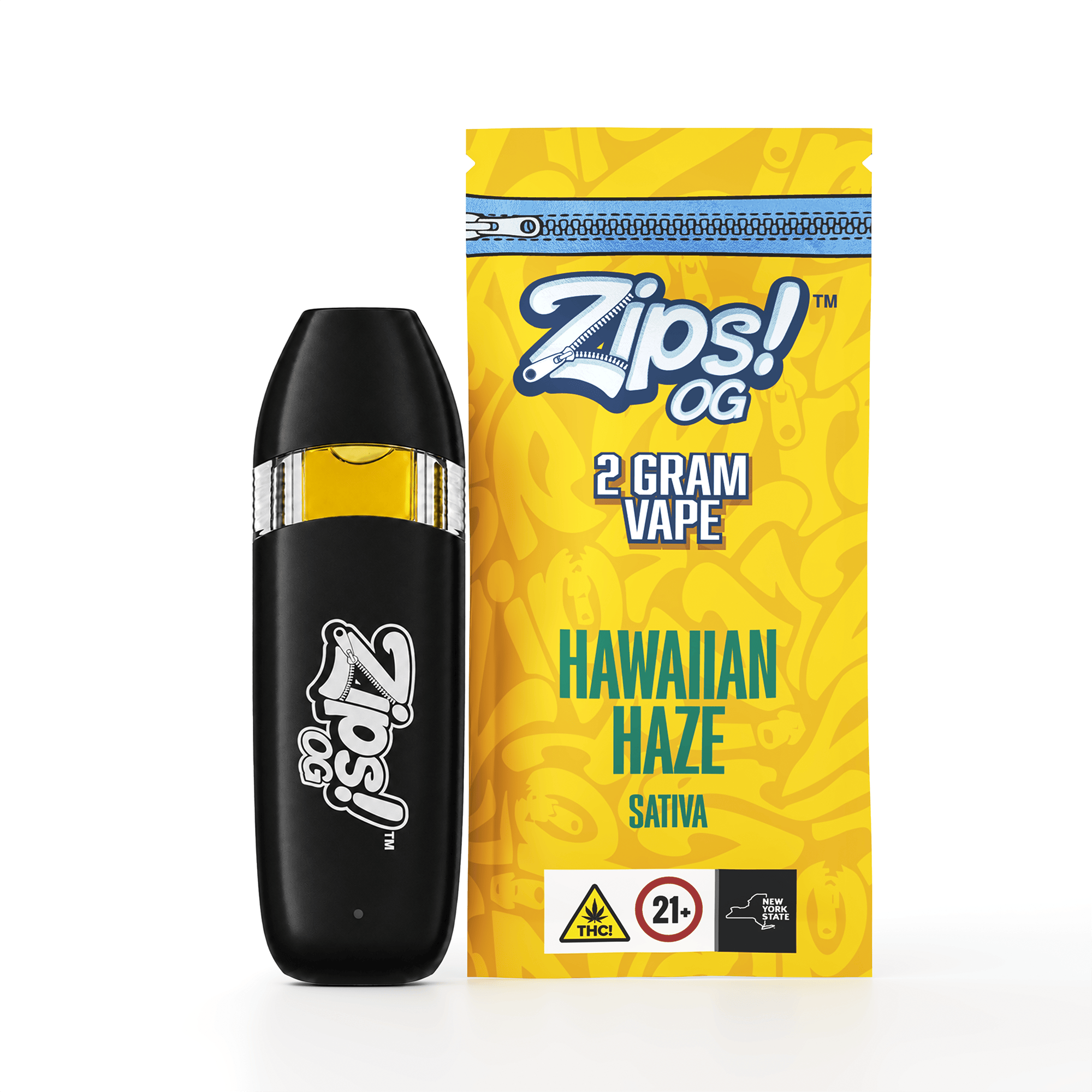
Sativa
All strains Hawaiian Haze
2 live products in stock
Quick answer · What is the Hawaiian Haze cannabis strain?
Hawaiian Haze arrives like a long exhale on a sun-warmed lanai — its bright, tropical aromatics and unhurried cerebral lift speak to a lineage rooted in some of cannabis's most celebrated equatorial genetics. A high-CBD, hemp-derived sativa-leaning cultivar that has earned its place in the modern craft market, Hawaiian Haze rewards the patient consumer with a layered sensory experience that feels as deliberate and refined as the islands that inspired its name.
Shop Hawaiian Haze · 2 of 2 live products

THC 25.73%Sativa
Revert CannabisRevert | Hawaiian Haze | Infused Pre Ground Flower · 14g
$60.18
$68after tax
About Hawaiian Haze
Everything to know about Hawaiian Haze.
Lineage & origin
Hawaiian Haze is a CBD-dominant cultivar developed within the post-2018 Farm Bill hemp breeding scene in the United States, where breeders raced to produce high-CBD, low-THC plants with compelling terpene profiles. The strain is generally understood to be a cross of Hawaiian, a classic sativa landrace prized for its uplifting, fruit-forward character, and DC Haze, itself a phenotype within the storied Haze family — the legendary California-bred line traced back to the Original Haze of the 1960s and 1970s, whose own parentage draws from Colombian, Mexican, Thai, and South Asian landraces. The specific breeder of Hawaiian Haze has not been publicly and universally credited in the way traditional THC-market cultivars often are, which is common among hemp genetics developed during the rapid expansion following federal hemp legalization. Several seed companies and hemp nurseries have offered versions of Hawaiian Haze, making phenotype variation a real consideration when sourcing the flower. Its genetic siblings within the Haze family — strains such as Super Silver Haze, Amnesia Haze, and Lemon Haze — share that characteristic soaring, cerebral quality, though Hawaiian Haze distinguishes itself through a more pronounced tropical and floral aromatic signature and its expression as a CBD-forward cultivar rather than a high-THC variety. That positioning made it one of the early flagship strains of the premium hemp flower market.
Effects
Hawaiian Haze is characterized by a gentle, clear-headed onset that tends to arrive within minutes of inhalation, presenting first as a mild brightening of mood and a quiet sharpening of sensory awareness. Because it is a CBD-dominant cultivar, the experience lacks the intensity of high-THC sativas, making the arc feel more like a gradual, considered elevation than an abrupt shift in consciousness. Consumers frequently describe an early sense of mental spaciousness — thoughts feel more fluid, ambient sounds more present, and the minor frictions of the day somewhat receded. At its peak, the experience leans decidedly cerebral rather than physically sedative. The body remains largely unencumbered, which aligns with the sativa-forward genetic expression; there is little of the heaviness associated with indica-dominant CBD strains. This makes Hawaiian Haze well-suited for daytime use, where maintaining engagement with tasks or conversation is a priority. The duration of the experience is typically moderate — a few hours for most people — with a comedown that is gradual and soft rather than abrupt. CBD's interaction with the endocannabinoid system, particularly its non-intoxicating modulation of CB1 receptors alongside terpene-driven entourage effects from myrcene, ocimene, and terpinolene, is thought to contribute to this smooth, even character. As always, individual response varies; those new to CBD hemp flower are encouraged to start with a small amount and allow time before reassessing.
Aroma, flavor & terpenes
The aromatic profile of Hawaiian Haze is one of its most compelling attributes, and it begins making its presence known the moment the jar is opened. The dominant terpene in most well-grown Hawaiian Haze phenotypes is terpinolene, which accounts for the strain's distinctive bright, almost painterly quality — simultaneously floral, piney, and faintly herbaceous, with an edge that some describe as reminiscent of fresh mango skin or guava. Terpinolene is less common as a dominant terpene than myrcene or caryophyllene, which gives Hawaiian Haze a character that stands apart from the broader hemp flower market. Myrcene is typically present as a secondary terpene, lending a soft earthiness and a subtle musk that anchors the brighter notes and adds depth to what could otherwise be an overly sharp aromatic profile. Ocimene, another secondary terpene found in many tropical cultivars, contributes sweet, slightly waxy floral notes reminiscent of tropical blossoms — it is the terpene most responsible for the genuine "Hawaiian" quality that the name promises. On the palate, whether consumed via dry herb vaporizer or rolled, Hawaiian Haze opens with a sweet, fruit-forward impression — pineapple and papaya are frequently cited by experienced consumers — that transitions on the exhale to a cooler, more herbal finish with faint pine resin. The smoke is relatively smooth for a sativa-leaning cultivar, and the vapor particularly rewards slower, lower-temperature draws that preserve the more volatile floral top notes.
Appearance
Well-cultivated Hawaiian Haze displays the open, elongated bud structure typical of sativa and sativa-influenced genetics — calyxes tend to stack loosely rather than compressing into the dense, rounded formations associated with indica-heavy varieties. The overall architecture is airy and light-catching, with long sugar leaves that, when properly trimmed, reveal the underlying flower structure clearly. The color palette leans toward bright, yellow-tinged greens with occasional sage or olive undertones in the inner leaves, and pistils typically present in warm amber and orange tones that deepen as the plant approaches the end of its flowering cycle. Trichome coverage on premium harvests is generous for a CBD cultivar, coating both the calyxes and the proximal sugar leaves in a fine, glassy resin that refracts light softly — less the thick, almost crystalline blanket of a high-THC OG phenotype, but present enough to signal careful cultivation and late-harvest timing.
Growing notes
Hawaiian Haze reflects its tropical landrace heritage in its cultivation preferences, thriving in warm, humid environments with abundant light. Outdoors, it performs best in climates that approximate the conditions of its namesake — long, warm growing seasons with good airflow to manage the humidity sensitivity common to sativa-leaning genetics. Indoor cultivation is entirely feasible, though the plant's natural inclination toward vertical growth means cultivators typically employ low-stress training or light topping to manage canopy height and improve light penetration. Flowering time runs approximately nine to eleven weeks, which is on the longer end for hemp cultivars and reflects the Haze-family influence in the genetics. Yields can be generous when the plant is given adequate space and light intensity, with indoor harvests rewarding those who invest in environmental control. For the cultivator-curious consumer, Hawaiian Haze is considered a moderately demanding grow — it is not the most forgiving strain for first-time growers given its sensitivity to humidity and its longer flowering window, but it rewards attentive care with aromatic, terpene-rich flower that captures the full character of the cultivar.
When it's best enjoyed
Hawaiian Haze is, at its core, a daytime companion — its clear-headed, mood-brightening character makes it poorly suited for the wind-down hours before sleep but genuinely pleasurable during the hours when curiosity and social ease are welcome. It sits most naturally in a morning or early afternoon context: the kind of unhurried weekend morning where a few hours of creative reading, writing, or open-ended conversation stretch pleasantly ahead. For pairing, the strain's tropical terpene signature — terpinolene, ocimene, and a touch of myrcene — finds a natural counterpart in light, fruit-forward foods. A chilled coconut water alongside fresh pineapple or a citrus-dressed ceviche would honor the strain's aromatic lineage without overwhelming the palate. Musically, the experience maps well to the more meditative end of Hawaiian slack-key guitar — artists like Ledward Kaapana offer a tempo and texture that mirrors the strain's unhurried brightness — or to ambient electronic music with organic, tropical elements. Solo creative work, a slow walk through a botanical garden, or a relaxed gallery visit are all settings where Hawaiian Haze's gentle lift finds its fullest expression.
If you like Hawaiian Haze, also explore
Sour Space Candy
A fellow CBD-dominant hemp cultivar with a similarly bright, fruit-forward terpene profile, Sour Space Candy appeals to Hawaiian Haze fans who enjoy the sativa-leaning clarity without the intensity of high-THC options.
Elektra
Sharing tropical and floral aromatic notes alongside a CBD-forward, mood-brightening effect profile, Elektra offers a comparable daytime sensibility with slightly more earthy depth in its finish.
Super Silver Haze
For consumers seeking the classic Haze family character in a THC-market cultivar, Super Silver Haze delivers the same cerebral, energetic quality that Hawaiian Haze channels through its Haze parentage.
Pineapple Haze
Pineapple Haze shares the tropical fruit aromatics and sativa-dominant, uplifting effect profile that define Hawaiian Haze, making it a natural next step for fans drawn to the fruity, bright end of the Haze lineage.
Lifter
Another well-regarded CBD hemp flower with a citrusy, slightly floral profile and clear-headed daytime lift, Lifter is a logical companion for those who appreciate Hawaiian Haze's approachable, mood-elevating character.
Common questions
Is Hawaiian Haze indica or sativa?+
Hawaiian Haze is a sativa-dominant cultivar, reflecting its landrace Hawaiian and Haze-family parentage. Its effect profile — clear-headed, uplifting, and relatively low in physical sedation — aligns with what most consumers associate with sativa-leaning genetics. It is primarily known as a CBD-dominant hemp strain rather than a high-THC variety, which moderates the intensity of its sativa character while preserving the directional quality.
What does Hawaiian Haze taste like?+
Hawaiian Haze offers a tropical, fruit-forward palate anchored by its dominant terpinolene content. Most consumers note pineapple, mango, and guava impressions on the inhale, with a cooler, faintly piney and herbal finish on the exhale. Floral notes from ocimene add a soft sweetness that distinguishes it from earthier hemp cultivars. The smoke or vapor is generally smooth and pleasant, particularly at lower vaporization temperatures.
What are the typical effects of Hawaiian Haze?+
Hawaiian Haze tends to produce a gentle, clear-headed lift that arrives relatively quickly and settles into a mood-brightening, socially easy state. As a CBD-dominant cultivar, it lacks the intensity of high-THC sativas, making the experience approachable and manageable for most consumers. The body remains unencumbered and alert, and the overall arc is smooth — a gradual rise, a sustained and pleasant plateau, and a soft, undramatic comedown over several hours.
What strains are similar to Hawaiian Haze?+
Consumers who enjoy Hawaiian Haze often appreciate other CBD-forward hemp cultivars with tropical or Haze-influenced profiles, including Sour Space Candy, Elektra, and Lifter. For those interested in THC-market equivalents that share the same Haze family lineage and sativa energy, Super Silver Haze and Pineapple Haze are frequently cited as close parallels in character and aromatic direction.
Is Hawaiian Haze good for beginners?+
Hawaiian Haze is generally considered approachable for those new to cannabis or hemp flower, largely because its CBD-dominant profile means the likelihood of an overwhelming psychoactive experience is low. That said, individual responses vary, and the standard guidance applies: start with a small amount, allow adequate time to assess the experience, and increase gradually as comfort builds. The smooth aromatic profile also makes it a welcoming first encounter for the sensory-curious newcomer.
What are the dominant terpenes in Hawaiian Haze?+
The terpene profile of Hawaiian Haze is led by terpinolene, a relatively uncommon dominant terpene that imparts bright, floral, and faintly fruity qualities. Secondary terpenes typically include myrcene, which adds soft earthiness and depth, and ocimene, which contributes the sweet, tropical floral notes most associated with the strain's Hawaiian character. Together, these three terpenes form the distinctive aromatic signature that sets Hawaiian Haze apart from earthier or more resinous hemp cultivars.
Is Hawaiian Haze a high-CBD or high-THC strain?+
Hawaiian Haze is primarily known as a high-CBD, hemp-derived cultivar, meaning it was bred and selected within the post-2018 Farm Bill hemp market to express elevated CBD content alongside a THC level that complies with federal and state hemp regulations. It is distinct from recreational high-THC sativa strains, though it shares genetic lineage with some of those varieties through its Haze family heritage. Its effect profile reflects that CBD-dominant character.
When is the best time of day to enjoy Hawaiian Haze?+
Hawaiian Haze is well-suited to daytime and early afternoon use. Its clear-headed, mood-brightening effect profile supports engagement with creative work, social settings, and active leisure rather than rest or sleep. Most consumers find it less appropriate as an evening wind-down option, as the sativa-leaning energy and relative lack of sedative terpenes do not naturally encourage relaxation toward sleep. Morning and midday occasions are where the strain's character tends to shine most consistently.
Related strains