
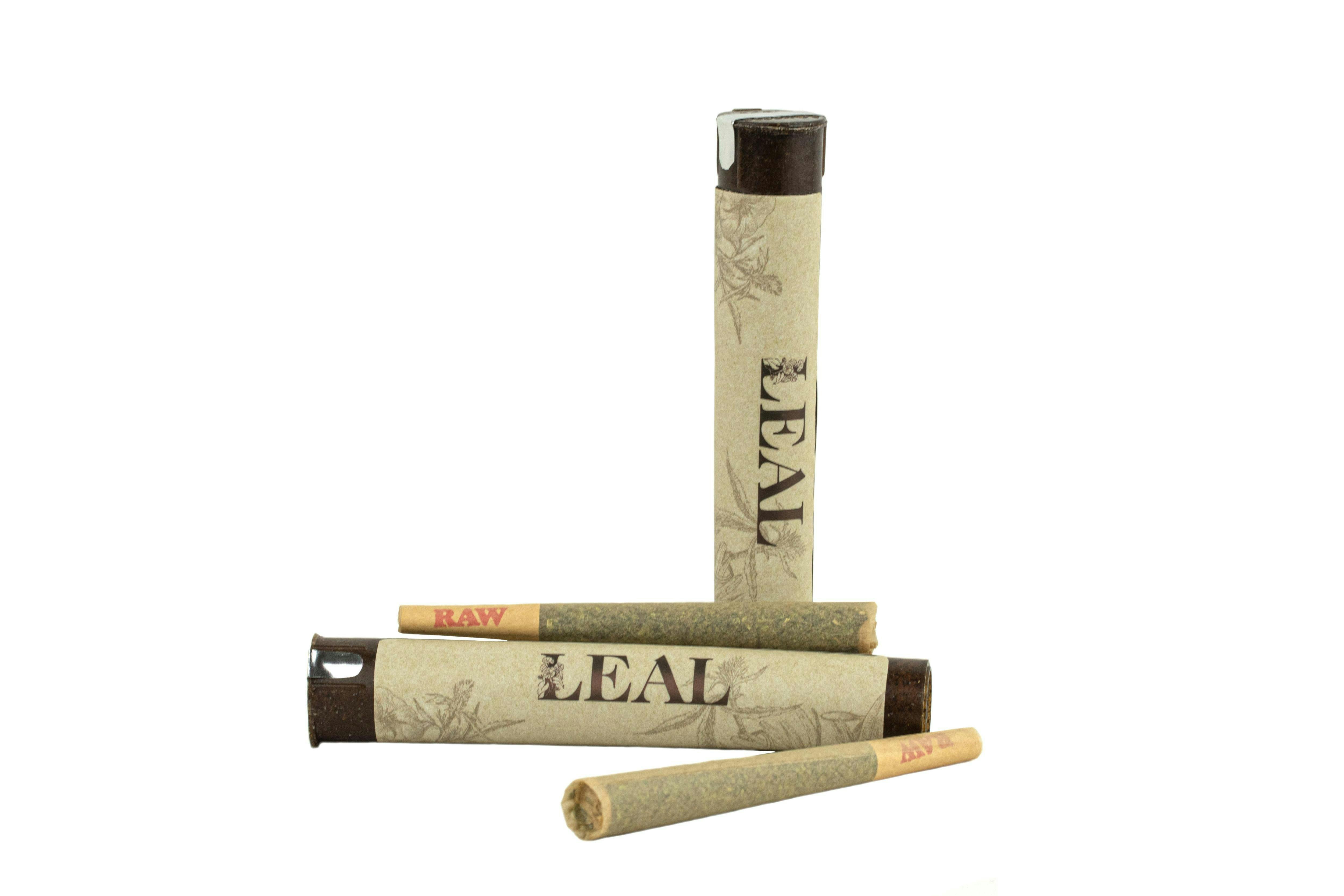
Indica-Hybrid
All strains Death Star OG
1 live products in stock
Quick answer · What is the Death Star OG cannabis strain?
Death Star OG arrives with a gravitational pull that is difficult to ignore — a dense, fuel-laden indica-leaning hybrid that draws from two of Ohio's most celebrated cultivars. Its resinous architecture and slow, enveloping onset have made it a fixture in serious cannabis collections. For the shopper who prizes depth over novelty, this strain offers a study in deliberate relaxation, its skunky-sweet character settling into the room long before the first draw is taken.
Shop Death Star OG · 1 of 1 live products
About Death Star OG
Everything to know about Death Star OG.
Lineage & origin
Death Star OG traces its parentage to Sour Diesel and Sensi Star, a pairing that has been consistently documented across Leafly, Wikileaf, and multiple breeder forums. The union of these two archetypal cultivars — one a legendary sativa-dominant powerhouse from the East Coast underground of the early 1990s, the other a multiple Cannabis Cup-winning indica from Paradise Seeds first released in the mid-1990s — produced an offspring that leans decidedly toward the body-focused end of the spectrum while retaining just enough Diesel sharpness to keep the experience intellectually engaging. The strain is widely attributed to Ohio-based cultivators, and its regional roots in the Midwest gave it an early cult following before broader national distribution brought it to coastal markets. Its name, a playful reference to the Star Wars franchise, speaks to the outsized, gravitational character of its effects. Death Star is sometimes confused with Death Star OG, though many in the trade use the two names interchangeably; the OG designation typically signals a cut with more pronounced fuel and earth tones and slightly denser structure, possibly influenced by OG Kush genetics introduced during later phenotype selection, though this has not been publicly confirmed by any named breeder. Genetic siblings and related phenotypes are numerous within the Sour Diesel family tree. Among its closest relatives in spirit, if not always in documented lineage, are Stardawg and East Coast Sour Diesel — strains that share the pungent, petroleum-inflected character that defines this genetic corridor.
Effects
The onset of Death Star OG tends to unfold gradually — rarely arriving as an abrupt jolt. Most consumers report noticing the first signs of the experience within five to fifteen minutes of inhalation: a gentle pressure behind the eyes, a softening of peripheral muscle tension, and a quiet settling of mental chatter. This measured entrance is characteristic of its Sensi Star heritage, which consistently produces effects that build rather than spike. At peak, the experience is predominantly physical. A warm, diffuse heaviness moves from the shoulders downward, encouraging stillness rather than activity. Myrcene, the dominant terpene in most well-documented Death Star OG samples, is the primary driver of this sedative body character — myrcene has been studied for its potential to enhance the permeability of the blood-brain barrier and to potentiate cannabinoid activity. The Sour Diesel lineage contributes a residual cerebral quality: a mild uplift and a loosening of ruminative thought that prevents the experience from feeling purely soporific, particularly in the first hour. Duration tends to run on the longer side — two to three hours for the substantive body phase, with a tapering comedown that is gentle rather than abrupt. The transition out of peak effects typically feels like a slow exhale: the body remains relaxed, the mind drifts toward quiet contentment, and for many consumers the natural end point is restful sleep. Those with lower tolerance should approach this cultivar with patience and restraint, as its cumulative weight is best appreciated in measured sessions.
Aroma, flavor & terpenes
The aromatic profile of Death Star OG is one of its most immediately distinguishing features. On the nose, it leads with a pungent, diesel-forward opening — a direct inheritance from its Sour Diesel parent — underscored by layers of damp earth and skunk that speak to the Sensi Star lineage. This is not a subtle cultivar; its presence in a room is assertive and unmistakable. Myrcene dominates the terpene architecture, contributing the musky, herbal earthiness that forms the base of the profile. Caryophyllene arrives as a secondary force, adding a spiced, faintly peppery warmth that gives the aroma dimension and is one of the reasons this strain tends to feel so grounding — caryophyllene is the only known terpene to interact directly with CB2 receptors, lending a physical tension-softening quality that complements the myrcene-driven sedation. Pinene appears in supporting quantities, threading a resinous, almost piney brightness through the heavier petroleum tones and contributing a degree of clarity to the early experience. On the palate, Death Star OG is rich and full. Combustion or low-temperature vaporization reveals a sweet, almost candy-like quality beneath the fuel — reminiscent of diesel mixed with overripe fruit — that many consumers find surprisingly approachable given how forward the aroma reads cold. The exhale is smooth relative to its intensity, leaving a lingering earthiness on the back of the throat that dissipates slowly. At optimal cure, a faint floral note attributed to trace linalool softens the finish.
Appearance
Death Star OG produces buds that are immediately recognizable to those familiar with indica-dominant architecture. The structure is dense and compact — tightly wound calyxes that resist easy separation, a hallmark of its Sensi Star heritage, which is known for producing particularly resinous and structurally firm flowers. Individual nugs tend toward a rounded, almost spherical form rather than the more elongated sativa silhouette. The color palette reads as deep forest green, often with pronounced olive undertones that darken further toward the interior of well-grown specimens. Phenotypes expressing stronger Sensi Star traits can develop subtle purple hues along the leaf margins when exposed to cooler nighttime temperatures during the final weeks of flowering. Pistils are rust-orange to deep amber, threading through the dense flower mass in tight, curled formations. Trichome coverage is abundant and consistent across the surface, lending a frosted, silver-white appearance that belies the dark coloring beneath — a visual contrast that has made this cultivar a favorite among those who judge quality by eye.
Growing notes
Death Star OG is considered a moderately challenging cultivar for the home grower, demanding attention to environmental consistency rather than any single specialized technique. It performs reliably indoors under controlled conditions, where its tendency toward dense, moisture-retentive bud structure can be managed with adequate airflow and humidity regulation — particularly in the final four to six weeks of flowering, when mold risk in tightly packed calyxes increases. Flowering time indoors typically runs between nine and ten weeks, which places it on the longer end of the indica spectrum but rewards patient cultivators with substantial resin development. Indoor yields are described across grower forums as moderate — generous for the quality but not exceptional by volume. Outdoors, Death Star OG prefers a warm, temperate climate with low ambient humidity; it is generally ready for harvest in mid-October in the Northern Hemisphere. The plant maintains a manageable height indoors, typically in the medium range, making it suitable for grow spaces with vertical limitations. Training techniques such as low-stress training or selective defoliation can improve light penetration into the dense canopy and support more even bud development throughout the plant.
When it's best enjoyed
Death Star OG is best understood as an evening cultivar — one that rewards the transition from the demands of the day into a more deliberate, unhurried state of being. It is well suited to solo sessions in environments that already carry a quality of quietude: a dim living room after a long week, a slow Sunday afternoon with no obligations pending, or the hour after a physically taxing outdoor pursuit when the body is ready to release accumulated tension. The strain's terpene profile, anchored by myrcene and caryophyllene, creates a sensory environment that pairs naturally with rich, warm musical textures — slow jazz, ambient drone, or the kind of low-tempo soul that asks nothing of the listener except presence. On the table, it finds an affinity with foods that share its complexity: aged cheeses, dark chocolate with high cacao content, or a well-developed red wine reduction. These pairings are not arbitrary; the earthy, spiced character of the terpene profile creates a continuity of sensation with similarly layered culinary experiences. For those who share this strain in company, the setting is best kept small and familiar — two or three people who are comfortable with unhurried conversation and long, comfortable silences. It is not a strain that animates a room so much as it deepens one.
If you like Death Star OG, also explore
Sensi Star
As a direct parent of Death Star OG, Sensi Star shares the dense bud structure, pronounced body sedation, and earthy-sweet aromatic foundation that define the Death Star OG experience.
Sour Diesel
The other parent in the lineage, Sour Diesel offers the same pungent petroleum-forward aroma with a more cerebral and energetic character for those curious about the sativa side of Death Star OG's genetic story.
OG Kush
OG Kush shares the fuel-and-earth terpene signature and the slow-building, full-body weight that Death Star OG consumers tend to seek, making it a natural companion in any collection.
Skywalker OG
Another indica-leaning OG derivative with a similarly evocative name and comparable myrcene-dominant sedation, Skywalker OG appeals to the same consumer who prizes depth of physical relaxation with mild cerebral warmth.
Bubba Kush
Bubba Kush offers the same dense, resinous structure and evening-oriented body effect, with a slightly sweeter, chocolate-coffee aromatic profile that will appeal to Death Star OG fans who enjoy the relaxation arc but prefer less diesel on the nose.
Common questions
Is Death Star OG indica or sativa?+
Death Star OG is an indica-leaning hybrid, drawing from Sour Diesel on the sativa side and Sensi Star — a heavily indica-dominant cultivar — on the other. The overall balance tilts firmly toward the indica end of the spectrum in its effects, favoring body relaxation and a quieting of mental activity, though a residual cerebral quality from the Diesel lineage keeps the experience from being purely sedative, particularly in the first hour.
What does Death Star OG taste like?+
Death Star OG carries a complex, layered palate that opens with pronounced diesel and skunk notes — an unmistakable inheritance from Sour Diesel — before revealing a sweetness reminiscent of overripe stone fruit beneath the fuel. The exhale is smoother than the cold aroma suggests, with a lingering earthiness on the palate. At optimal cure, a faint floral note surfaces on the finish, adding a degree of refinement to what is otherwise a robustly pungent cultivar.
What are the typical effects of Death Star OG?+
Most consumers describe a gradual onset of physical relaxation that builds steadily over the first fifteen to thirty minutes, eventually settling into a warm, diffuse heaviness centered in the shoulders and limbs. A mild cerebral uplift accompanies the early phase, easing ruminative thought without producing pronounced stimulation. The peak is predominantly physical in character, and the session often concludes with a drift toward restful sleep. Duration typically spans two to three hours for the substantive phase.
What strains are similar to Death Star OG?+
Consumers who appreciate Death Star OG typically also enjoy Sensi Star for its shared indica depth, OG Kush for its comparable fuel-and-earth terpene profile, Skywalker OG for its similarly gravitational body effect, and Bubba Kush for its evening-oriented relaxation with a sweeter aromatic angle. Sour Diesel, as a direct parent, offers a window into the more cerebral, sativa-forward side of the Death Star OG lineage.
Is Death Star OG good for beginners?+
Death Star OG is best approached with some prior experience. Its effects build gradually, which can lead newer consumers to underestimate its cumulative weight before the full experience has developed. The general principle of starting with a small amount and allowing ample time before considering additional inhalation applies here with particular relevance. Those newer to cannabis who are curious about indica-leaning cultivars may find a gentler entry point elsewhere before graduating to this one.
What are the dominant terpenes in Death Star OG?+
Myrcene is the dominant terpene in most well-documented Death Star OG samples, contributing the musky, earthy base and the sedative body character the strain is known for. Caryophyllene follows as a prominent secondary terpene, adding spiced warmth and interacting directly with CB2 receptors in a way that complements the physical relaxation. Pinene appears in supporting quantities, lending a resinous brightness and a degree of mental clarity to the early phase of the experience.
Where does Death Star OG come from?+
Death Star OG is widely attributed to cultivators in Ohio, where it developed a regional following before reaching broader markets. Its lineage — Sour Diesel crossed with Sensi Star — combines East Coast cannabis culture with a multiple Cannabis Cup-winning European indica. The OG designation is used by many producers to describe phenotypes with more pronounced fuel and earth character, though whether this reflects documented OG Kush genetics or simply phenotypic variation has not been publicly confirmed by any named breeder.
When is the best time of day to enjoy Death Star OG?+
Death Star OG is an evening and late-night cultivar by temperament. Its myrcene-dominant, body-focused character is best appreciated when the day's obligations have concluded and a deliberate, unhurried state of relaxation is the goal. It is not well suited to mornings or situations requiring sustained focus, physical coordination, or social performance. The transition from activity to rest — after a meal, following physical exertion, or simply as the day winds down — is where this strain finds its most natural expression.
Related strains