Indica
All strains Blue Raspberry
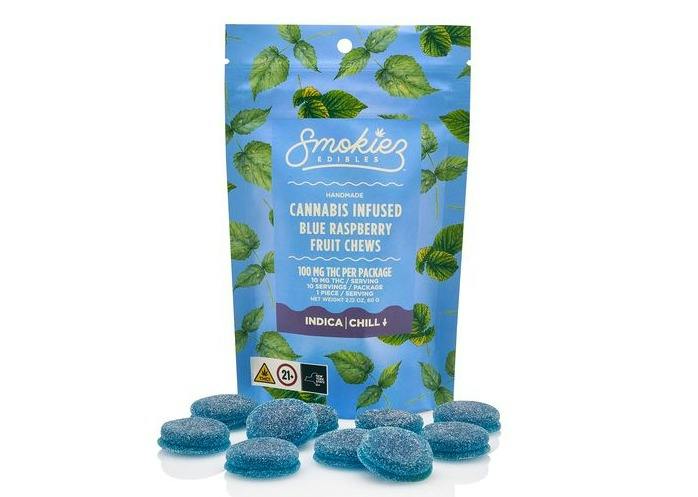
2 live products in stock
Quick answer · What is the Blue Raspberry cannabis strain?
Blue Raspberry arrives as a softly sedating indica with a terpene profile that channels the nostalgic sweetness of ripe summer berries undercut by a cooling, almost mentholated finish. Its dense, resin-rich buds carry a deep violet and forest-green palette, making it as visually striking as it is experientially inviting. For the discerning New York adult-use shopper seeking an evening companion that settles the body without fully quieting the mind, Blue Raspberry occupies a refined and distinctive space.
Shop Blue Raspberry · 2 of 2 live products

About Blue Raspberry
Everything to know about Blue Raspberry.
Lineage & origin
Blue Raspberry is a predominantly indica hybrid whose full genetic lineage has not been comprehensively documented in the public record by a single, widely credited breeder. Most community sources and seed banks trace its heritage to a cross within the broader Blue family of strains — most likely involving Blueberry, the legendary indica developed by DJ Short in the late 1970s and refined through the 1980s, crossed with a Raspberry Kush or a similarly berry-forward cultivar. DJ Short's Blueberry itself descends from Thai, Purple Thai, and Afghani landrace genetics, which accounts for the sedating body character and vivid pigmentation that Blue Raspberry tends to inherit. The Raspberry Kush side of the equation contributes a sharper, more tart aromatic note alongside the classic OG-adjacent body weight, though the specific source of the raspberry-leaning parent strain varies across phenotypes and seed runs available in the market. Some growers report phenotypic expressions that lean more toward the Blueberry ancestry, while others exhibit a more pronounced kush density and earthiness consistent with an Afghani-dominant backbone. Because the formal breeder attribution remains contested or unpublished across major cannabis databases — including Leafly and Wikileaf — it is accurate to say that Blue Raspberry exists as a category of closely related phenotypes sharing a berry-dominant terpene signature and indica structure, rather than as a single, rigorously defined genetic line. Shoppers should expect variability between producers.
Effects
Blue Raspberry tends to open with a gentle cerebral lift — a mild clarifying warmth that surfaces within ten to twenty minutes of inhalation and briefly sharpens sensory awareness before beginning a gradual descent into physical ease. This onset phase is characteristically mellow rather than abrupt, which distinguishes it from higher-energy sativas and makes the transition into relaxation feel natural and unhurried. As the session progresses into its peak window — typically between thirty and ninety minutes — the indica character asserts itself more fully. Muscle tension tends to soften, and many consumers report a pleasant heaviness in the limbs accompanied by a quiet, contemplative mental state. The experience rarely tilts into anxious territory, a quality often attributed to the presence of myrcene and linalool, both of which are associated in cannabis research with calming and sedative-adjacent properties. Caryophyllene may contribute an additional layer of physical ease through its interaction with CB2 receptors, though the science on cannabis terpene effects in whole-flower form remains an active area of study. The comedown is gradual and soft. Most consumers describe a slow tapering of the peak effects into a drowsy, ready-for-rest state rather than an abrupt drop, making Blue Raspberry particularly well-suited to late evening hours. Duration of effects varies by individual tolerance and consumption method, but a session of two to three hours is a reasonable general expectation.
Aroma, flavor & terpenes
The aromatic profile of Blue Raspberry is its most immediately communicative quality. On the nose, the dominant impression is of ripe, slightly overripe blueberries layered with a secondary tartness that evokes raspberry candy — sweet but with enough acidity to keep the overall character from reading as cloying. This dual-berry expression is driven primarily by myrcene, the most prevalent terpene across the Blue family lineage, which is responsible for the musky-sweet, slightly tropical undertone that underpins the fruit notes. Linalool introduces a subtle floral quality — think dried lavender rather than a fresh bloom — that weaves through the berry profile and contributes to the strain's reputation for calm. Caryophyllene adds a faint spiced, almost peppery dry-finish note that becomes more perceptible on the exhale and prevents the terpene profile from sitting entirely in sweet territory. Some phenotypes also express hints of ocimene, a lighter, herbaceous terpene that can read as a clean, slightly green brightness behind the riper fruit notes. On the palate, Blue Raspberry delivers an experience broadly consistent with its aroma. Vaporized at lower temperatures, the flavor is berry-forward and remarkably clean, with the linalool's floral softness most apparent mid-draw. Combusted flower produces a slightly denser, earthier smoke with the caryophyllene's spice more prominent on the finish. Either format rewards slow, deliberate consumption.
Appearance
Well-cultivated Blue Raspberry flower is visually distinctive, presenting with the compact, densely packed bud structure typical of indica-dominant genetics. Calyxes are tightly nested, creating a nugget-like form that holds its shape well after cure. The color palette draws from the Blueberry lineage's tendency toward deep pigmentation: shades of forest green and muted sage form the base, while cooler temperatures during the late flowering phase bring out lavender, violet, and occasionally deep indigo tones in the leaves and sugar trim surrounding the calyxes. Pistils — the small hair-like structures running across the bud surface — are typically a warm amber-orange at harvest, offering a pleasing contrast against the cooler purple and green background. Trichome coverage is generous, giving well-grown specimens a frosted, almost powdery visual texture that signals resin production consistent with its aromatic intensity. Under magnification, trichome heads appear milky to amber, indicating the maturity stage most associated with the strain's sedating profile.
Growing notes
Blue Raspberry is considered a moderately approachable cultivar for experienced home growers, though its indica heritage means it responds well to training techniques such as low-stress training or light defoliation to encourage canopy evenness and light penetration into the lower bud sites. It performs reliably both indoors under controlled climate conditions and outdoors in temperate environments, though indoor cultivation allows growers to push overnight temperatures lower during late flowering — a technique that draws out the violet and purple pigmentation the strain is known for. Flowering time typically falls in the eight-to-nine-week range indoors, placing it in the mid-cycle category for indica hybrids. Indoor yields are generally characterized as moderate to above-average when the canopy is well-managed, while outdoor plants can reach a respectable harvest size given sufficient root space and a full sun environment. The strain prefers a dry, Mediterranean-style climate and can be sensitive to excess humidity during the late flowering phase, which may invite mold pressure in wetter conditions. Cultivator-curious shoppers should understand that phenotypic expression varies across different seed runs and cuts.
When it's best enjoyed
Blue Raspberry is an evening strain in the clearest sense — its arc of effects, terpene-driven calm, and gradual physical sedation make it a natural companion to the final hours of a day well spent rather than a catalyst for productive daytime activity. It suits the solo winding-down ritual: a quiet apartment, a record on the turntable, the particular satisfaction of having earned your rest. Its berry-forward aromatic character pairs thoughtfully with dark chocolate or a ripe aged cheese, both of which echo and amplify the fruit-and-earth interplay in the terpene profile. For music pairings, the strain's unhurried, contemplative quality aligns particularly well with slow-tempo soul, low-key jazz, or ambient electronic — genres that reward patient attention without demanding it. Blue Raspberry also works well as a shared experience among a small, familiar group looking to settle into a relaxed conversation rather than a high-energy social event. The key is context: quiet, comfortable, and without agenda. In that setting, its soft, measured character feels less like a product and more like a well-chosen close to the evening.
If you like Blue Raspberry, also explore
Blueberry
As a likely genetic ancestor of Blue Raspberry, DJ Short's Blueberry offers the same berry-sweet terpene signature and indica-dominant sedating arc, making it the natural reference point for fans of the profile.
Granddaddy Purple
Sharing the deep purple aesthetics, sweet-grape-meets-berry aromatic character, and pronounced body relaxation, GDP appeals to the same consumer seeking a visually striking, evening-oriented indica.
Grape Ape
Grape Ape's Mendocino Purps and Skunk No. 1 lineage produces a similarly dense, fruit-forward indica with lavender and grape notes that appeal to anyone drawn to Blue Raspberry's berry complexity.
Blue Cheese
Combining Blueberry genetics with a UK Cheese cut, Blue Cheese shares the berry-forward backbone of Blue Raspberry while adding a savory, aged-dairy counterpoint that appeals to consumers who enjoy terpene depth.
Purple Punch
With its Larry OG and Granddaddy Purple parentage, Purple Punch delivers a similarly candy-sweet, grape-and-berry flavor profile alongside a physically settling, after-dinner indica experience.
Common questions
Is Blue Raspberry indica or sativa?+
Blue Raspberry is classified as a predominantly indica hybrid. Its effects follow a classic indica arc — a gentle initial mental lift that transitions steadily into physical relaxation and a calm, sedative-leaning finish. The indica character of its likely parent strains, including Blueberry and Raspberry Kush-adjacent genetics, is well-represented in both its effect profile and its compact, dense bud structure.
What does Blue Raspberry taste like?+
Blue Raspberry tastes primarily of sweet ripe blueberries with a secondary tart note reminiscent of raspberry candy. On the exhale, a faint spiced pepper quality — attributed to caryophyllene — and a soft floral warmth from linalool add depth to what might otherwise be a purely sweet profile. Vaporized at moderate temperatures, the berry character is at its clearest and most expressive.
What are the typical effects of Blue Raspberry?+
Consumers typically describe a mild, clarifying onset followed by a steady progression into physical ease and mental quiet. Muscle tension tends to soften, and the experience generally settles into a comfortable, drowsy calm over one to three hours. The effect profile is consistent with its terpene composition — myrcene and linalool are both associated with calming qualities — and it is broadly considered an evening-use strain.
What strains are similar to Blue Raspberry?+
Strains that share Blue Raspberry's berry-forward terpene character and indica-dominant relaxation include Blueberry, Granddaddy Purple, Grape Ape, Blue Cheese, and Purple Punch. Each offers a variation on the sweet-fruit, physically settling theme, with differences in secondary flavor notes — grape, cheese, candy — that allow a shopper to find the closest match to their personal preference.
Is Blue Raspberry good for beginners?+
Blue Raspberry's relatively gradual onset and lack of pronounced racy or anxious qualities make it a reasonable choice for newer adult-use consumers, though as with any cannabis product, starting with a small amount and allowing ample time before considering more is always advisable. Its indica-dominant sedation can be more pronounced than expected for those unaccustomed to the category, so a comfortable, unhurried setting is recommended for a first experience.
What are the dominant terpenes in Blue Raspberry?+
Blue Raspberry's terpene profile is led by myrcene, which provides the characteristic musky-sweet berry foundation. Linalool contributes a soft floral note and is associated with calming properties, while caryophyllene adds a subtle spiced finish and interacts with the body's CB2 receptors. Some phenotypes also express ocimene, a lighter herbaceous terpene that brightens the overall aromatic profile.
When is the best time of day to enjoy Blue Raspberry?+
Blue Raspberry is well-suited to evening and nighttime use. Its sedating indica arc and calming terpene composition make it less appropriate for active or productivity-oriented daytime contexts. Most consumers find it best enjoyed in the final two to three hours of the day — after responsibilities are complete and the setting is relaxed, comfortable, and without time pressure.
Is the lineage of Blue Raspberry well-documented?+
The lineage of Blue Raspberry is not comprehensively documented by a single credited breeder in major public cannabis databases. Most sources point to Blueberry — DJ Short's foundational indica — as a likely parent, with a Raspberry Kush or similar berry-forward cultivar on the other side. However, formal genetic verification is not publicly available, and the strain exists across multiple phenotypes and seed runs with some variability in expression.
Related strains