THC 32.38%Hybrid
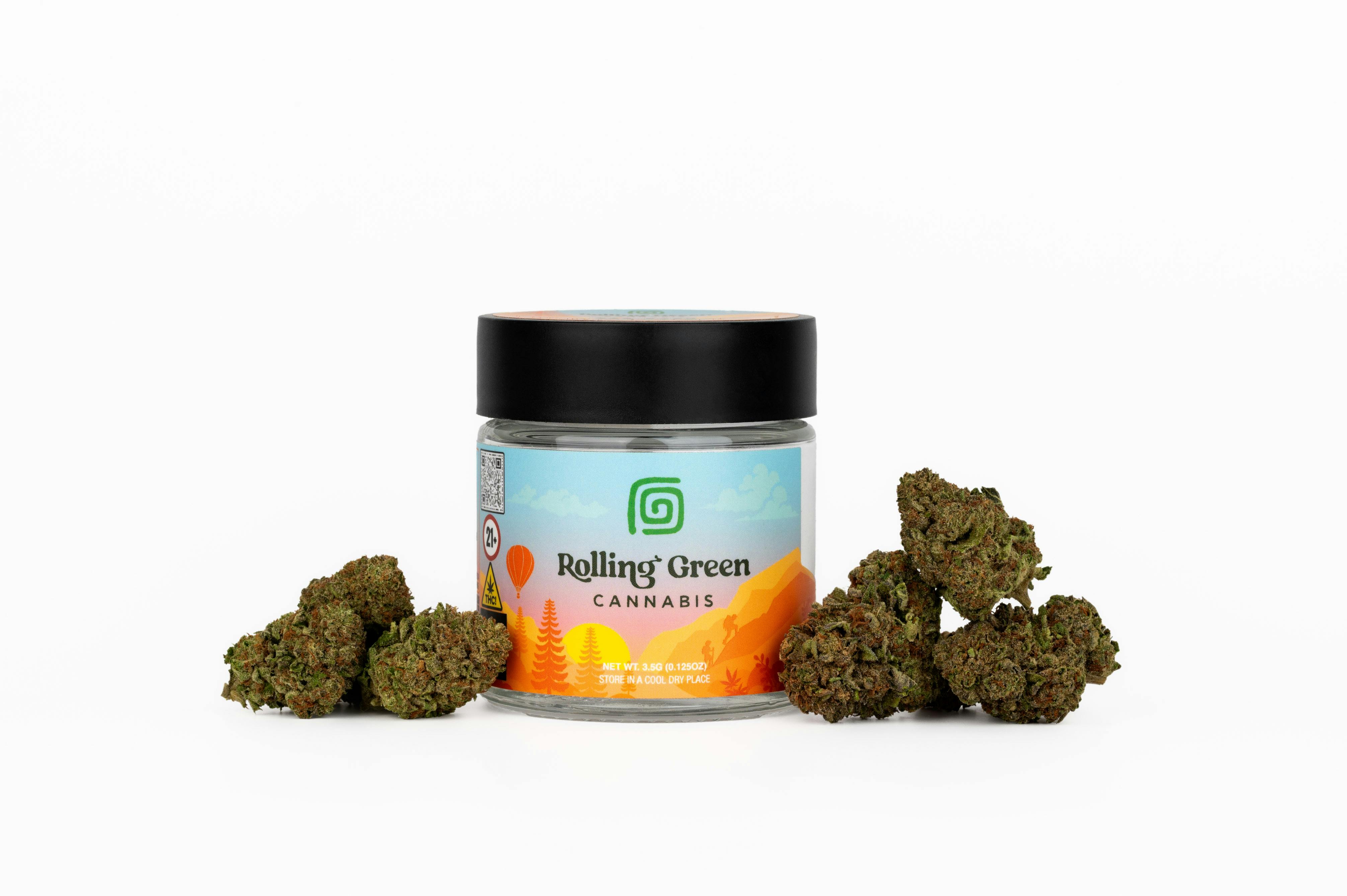
Rolling Green CannabisRolling Green | Sherb Cream Pie | Flower · 3.5g
$44.25
$50after tax

weeddispensarynearme.com
You must be 21 years or older to enter. By entering, you confirm you’re of legal age in your state to purchase cannabis.
For use only by adults 21+ • Keep out of reach of children
1 live products in stock
Quick answer · What is the Sherb Cream Pie cannabis strain?
Sherb Cream Pie arrives at the intersection of indulgence and balance, carrying the unmistakable dessert lineage of its parents into a hybrid experience that is at once grounding and gently euphoric. Its creamy, fruit-forward aroma reads like a patisserie case in the best possible way — layered, nuanced, and impossible to rush. For the New York cannabis connoisseur seeking a strain that rewards slow appreciation, this is a considered choice.
$50after tax
About Sherb Cream Pie
Sherb Cream Pie is generally understood to be a cross of Sunset Sherbet and Girl Scout Cookies — two of the most influential California-born hybrids of the 2010s — with a third genetic contributor, Pie Face OG, introduced to round the profile toward a richer, more dessert-forward expression. Sunset Sherbet itself descends from Girl Scout Cookies and Pink Panties, lending the characteristic sweet-and-fruity terpene base, while Girl Scout Cookies — the joint legacy of OG Kush and Durban Poison — contributes structural resin production and a balanced cerebral-body arc. Pie Face OG, a cross of Face Off OG and Pie genetics, deepens the earthy, doughy undertone that distinguishes Sherb Cream Pie from its siblings. The precise breeder of record for Sherb Cream Pie is not universally agreed upon in public cannabis literature; the name appears across multiple seed banks and cultivator menus with varying parent attributions, suggesting the strain has been independently developed by several operators working within the same flavor-forward dessert-hybrid corridor that dominated West Coast breeding in the mid-to-late 2010s. Genetic siblings in this lineage space include Sunset Sherbet phenotypes such as Sherblato and Sherb Crasher, strains that similarly balance the sweet-funk tension of the Sherbet line against heavier, OG-influenced bodies. Sherb Cream Pie sits comfortably within that family but distinguishes itself through the added pastry-like depth that the Pie Face influence provides.
The onset of Sherb Cream Pie tends to arrive within five to ten minutes when smoked or vaporized, beginning as a mild lift behind the eyes and a quiet brightening of mood that many consumers describe as sociable without being stimulating. This initial cerebral quality — traceable in part to the Durban Poison heritage filtering through the Girl Scout Cookies parentage — gives way within twenty to thirty minutes to a more encompassing body warmth that is characteristic of myrcene-forward hybrids. The experience sits firmly in hybrid territory: neither purely cerebral nor sedating, but a measured interplay of the two. At peak, the body component becomes more pronounced, carrying a relaxed, weighted quality through the limbs while the mind retains enough clarity to hold a conversation or engage with creative work at a comfortable pace. The caryophyllene presence is thought to contribute to the gentle physical ease without tipping into full sedation. Duration is typically moderate, running two to three hours for most consumers before a gradual, unhurried comedown that tends to leave a residual sense of calm rather than fatigue. As with any high-THC hybrid of this genetic lineage, the start-low, go-slow principle applies — particularly for consumers newer to dessert-tier hybrids, which can carry a more immediate body response than their pleasant aroma might initially suggest.
The terpene architecture of Sherb Cream Pie is led by myrcene, which establishes the warm, slightly musky foundation common across its OG and Sherbet heritage. Over that base, limonene introduces a citrus brightness — think candied orange peel rather than fresh-squeezed — that lifts the overall aromatic impression and contributes to the strain's characteristic mood-elevating character. Caryophyllene adds a subtle, peppery spice in the background, a note that becomes more apparent when the flower is broken apart and the structure is disrupted. Secondary terpenes include linalool, which contributes a faint floral softness reminiscent of light lavender, and humulene, whose earthy, slightly hoppy quality reinforces the doughy, baked-goods impression that the Pie Face genetics introduce to the profile. Together, these terpenes create an aroma that is layered and warm — simultaneously fruity, spiced, and pastry-like — which accounts for the strain's name and the genuine anticipation it generates before the first draw. On the palate, smoked flower tends to deliver a sweet, creamy inhale with distinct berry and citrus notes mid-breath, followed by an exhale that leans toward baked dough and mild earth. Vapor at moderate temperatures preserves the limonene brightness and linalool softness more faithfully, making a vaporizer the preferred delivery method for those wishing to experience the strain's full terpene complexity without combustion interference.
Sherb Cream Pie typically presents as compact, moderately dense buds that reflect the structural influence of its OG and Cookies lineage — neither the airy spear of a sativa-dominant plant nor the tightly compressed nuggets of a pure indica. The calyx structure is rounded and well-defined, with prominent, often tightly packed layers of trichomes that give well-cured flower a frosted, almost luminous quality under direct light. The color palette leans toward deep forest and sage greens, frequently punctuated by streaks of muted purple that develop during colder late-flowering temperatures — an expression of anthocyanin pigmentation inherited from the Sunset Sherbet side of the family. Rust-orange pistils weave through the surface in moderate density, providing visual contrast against the cooler greens and purples. Trichome coverage is generous and tends toward a milky-amber graduation in fully mature harvests, signaling the resinous richness that the nose confirms on first encounter.
Sherb Cream Pie is generally considered an intermediate-level cultivation project, appropriate for growers who have moved past their first one or two successful harvests and are comfortable managing the structural characteristics of Cookies-family plants. Indoors, the strain responds well to training techniques such as low-stress training or screen-of-green setups, which help manage its tendency toward moderate lateral spread and encourage more uniform canopy light exposure. Flowering time typically falls in the eight-to-nine-week range under standard 12/12 light schedules, with indoor yields that are considered moderate — a reflection of the quality-over-quantity tendency common in Cookies-adjacent genetics. Outdoors, the strain prefers a warm, dry climate with low humidity during the final weeks of flowering, conditions that protect the dense trichome production from mold pressure. In New York's variable climate, outdoor cultivation would ideally conclude before early October. The purple coloration that distinguishes well-grown specimens is best coaxed by introducing mild temperature differentials — cooler nights in the final two weeks of flower — rather than through any nutrient manipulation.
Sherb Cream Pie is well-suited to the transitional hours of the day — that particular window between the close of a demanding afternoon and the beginning of a relaxed evening — when a hybrid that neither overstimulates nor fully sedates is precisely what the moment calls for. Its balanced effect profile and dessert-forward aroma make it a natural companion for unhurried social settings: a small dinner gathering, a leisurely walk through one of the city's quieter neighborhoods, or an evening spent exploring a new record or film without the pressure of productivity. From a food pairing perspective, the strain's limonene and linalool notes align naturally with citrus-forward desserts — a lemon tart, a bergamot-infused panna cotta — or with aged cheeses whose savory depth contrasts the sweetness of the terpene profile in an appealing way. Musically, the warm, layered quality of the experience pairs well with artists who occupy a similarly textured space: late-period soul, ambient jazz, or carefully produced contemporary R&B where arrangement and atmosphere take precedence over tempo. The common thread is deliberateness — Sherb Cream Pie rewards occasions designed to be savored rather than rushed.
Sunset Sherbet
As a direct parent strain, Sunset Sherbet shares the sweet, fruity terpene base and balanced hybrid arc that define Sherb Cream Pie, making it the most natural point of comparison for consumers exploring the lineage.
Girl Scout Cookies
Fans of the earthy-sweet, OG-influenced depth in Sherb Cream Pie will recognize the same genetic backbone in Girl Scout Cookies, which provides a similar cerebral-body balance with a slightly more pronounced earthiness.
Gelato
Gelato shares the Sunset Sherbet parentage and the same dessert-leaning terpene sensibility, offering a comparable creamy sweetness with a slightly more indica-leaning body quality at peak.
Sherblato
A direct Sherbet-Gelato cross, Sherblato occupies the same flavor corridor as Sherb Cream Pie — sweet, fruity, and resinous — with a profile that will feel immediately familiar to Sherb Cream Pie enthusiasts.
Wedding Cake
Wedding Cake's Triangle Kush and Animal Mints lineage produces a similar doughy, vanilla-and-earth flavor profile and a comparably balanced hybrid effect that appeals to the same consumer palate.
Sherb Cream Pie is classified as a hybrid, reflecting the balanced genetics of its Sunset Sherbet, Girl Scout Cookies, and Pie Face OG lineage. In practice, its effect profile leans slightly toward the relaxed end of the hybrid spectrum — offering an initial cerebral lift that gradually gives way to a more grounded body quality — without committing fully to either a sativa-dominant or indica-dominant experience.
The flavor is layered and dessert-forward: a sweet, creamy inhale with distinct notes of candied citrus and berry, followed by an exhale that leans toward baked dough and mild earth. The Pie Face OG genetics contribute a pastry-like quality that distinguishes the strain from other Sherbet-adjacent varieties. Vapor tends to preserve the brighter citrus and floral notes more faithfully than combustion.
Consumers generally report a mood-brightening onset that arrives within five to ten minutes, followed by a progressive body relaxation that peaks around the thirty-minute mark. The overall experience is balanced — sociable and gently euphoric early, then warm and physically at ease through the middle phase — with a gradual, unhurried comedown. Duration typically runs two to three hours for most consumers.
Consumers drawn to Sherb Cream Pie's dessert-forward profile and balanced hybrid arc often enjoy Sunset Sherbet, Gelato, Girl Scout Cookies, Sherblato, and Wedding Cake. Each shares elements of the sweet, resinous, OG-influenced terpene base that defines this genetic corridor, though each expresses slightly different emphases in terms of flavor and effect.
Sherb Cream Pie's pleasant aroma and balanced hybrid reputation make it appealing to newer consumers, but the resinous potency of its Cookies-and-Sherbet lineage warrants caution. The standard start-low, go-slow approach applies — beginning with a small amount and allowing sufficient time to assess the full effect before continuing is the most considered approach for those newer to this genetic family.
The dominant terpenes are typically myrcene, limonene, and caryophyllene. Myrcene provides the warm, slightly musky base; limonene contributes the candied citrus brightness and is associated with mood elevation; caryophyllene adds a subtle spice and is thought to contribute to the strain's physical ease. Secondary terpenes including linalool and humulene round the profile toward its characteristic floral, doughy character.
Sherb Cream Pie builds directly on the Sunset Sherbet foundation but introduces greater depth and body weight through the Pie Face OG influence. Where Sunset Sherbet tends to be lighter and more fruit-forward, Sherb Cream Pie carries a more complex, layered flavor — that baked, doughy quality — and a slightly more grounded physical effect at peak, making it a natural progression for consumers who enjoy Sherbet and are seeking additional complexity.
Vaporization at moderate temperatures is generally considered the most effective method for preserving Sherb Cream Pie's terpene complexity. Lower temperature settings — typically in the 170–185°C range — tend to highlight the limonene and linalool brightness, while slightly higher temperatures bring forward the myrcene and caryophyllene depth. Consumers who prefer flower can expect a pleasant, sweet smoke, though some of the more delicate floral notes may be less distinct through combustion.
Related strains
Pick your store
We'll show pricing, deals, and delivery zones for the store you pick. You can switch any time from the header.