On sale· 25% OFF
THC 34.86%Hybrid
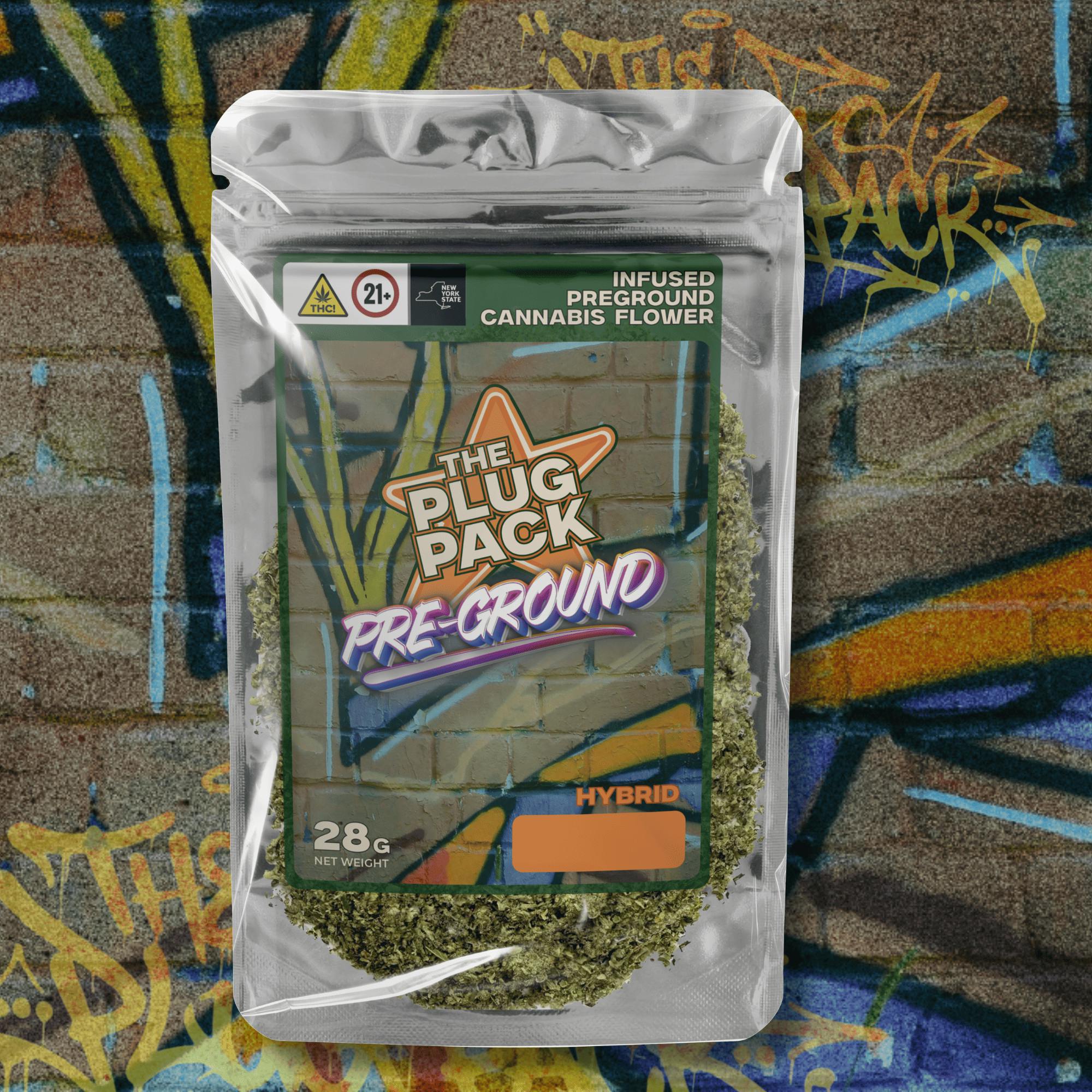
The Plug PackRuby Spritz | Pre-Ground Flower · 28g
$75.00$100.00
$88after tax

weeddispensarynearme.com
You must be 21 years or older to enter. By entering, you confirm you’re of legal age in your state to purchase cannabis.
For use only by adults 21+ • Keep out of reach of children
1 live products in stock
Quick answer · What is the Ruby Spritz cannabis strain?
Ruby Spritz arrives like the last golden hour of an autumn afternoon — warm, effervescent, and quietly radiant. This hybrid leans into a balanced disposition, offering a gentle cerebral lift threaded through a soft physical ease. Its ruby-tinged buds and bright, citrus-forward nose make it as compelling to examine as it is to consume, earning it a quiet following among those who prefer their cannabis refined rather than relentless.
$88after tax
About Ruby Spritz
Ruby Spritz is a relatively recent hybrid whose precise lineage has not been fully disclosed by all sources carrying the strain; the breeder has not publicly named the parents in a universally verified release. What is broadly understood is that Ruby Spritz draws from a lineage that likely includes fruit-forward and indica-leaning genetics, consistent with the aromatic and effect profile observed across multiple public catalogues including Leafly and Wikileaf. Some phenotype reports suggest a kinship with strains from the Ruby or berry-dominant family — such as Ruby Kush or similarly named cultivars — crossed with a sativa-leaning component that introduces its characteristic effervescence and cerebral brightness. The strain emerged into the adult-use market during the early-to-mid 2020s, coinciding with a broader consumer appetite for hybrids that balance approachability with complexity. It has not produced the same volume of documented genetic siblings as more established lines like OG Kush or Gelato, but within dispensary catalogues it has carved a recognizable identity. Because the lineage is debated and the originating breeder has not issued a comprehensive public statement, prospective consumers should treat specific parentage claims with measured skepticism. What is consistent across accounts is the strain's hybrid character — neither fully sedating nor sharply stimulating — which suggests a thoughtfully balanced genetic foundation regardless of the precise cross.
Ruby Spritz tends to open with a relatively swift cerebral onset, typically within five to fifteen minutes of inhalation, depending on individual tolerance and consumption method. The initial impression is one of mental brightening — a mild sharpening of focus that does not tip into anxiety, but rather settles into a pleasant, alert warmth. Conversations feel more fluid, creative threads become easier to follow, and the general disposition shifts toward what experienced consumers often describe as a sociable equilibrium. At its peak, the experience is characteristically hybrid in nature: the cerebral quality remains present but is joined by a gradual body ease that softens tension in the shoulders and jaw without progressing into sedation. This balance is consistent with a terpene profile in which myrcene and caryophyllene work in tandem — myrcene lending physical ease while caryophyllene contributes a grounding, mildly calming note that tempers the sativa-leaning uplift. The duration of the full experience tends to fall within the one-and-a-half to two-and-a-half hour range for most consumers, with the comedown gradual rather than abrupt. As the peak recedes, a quiet, comfortable fatigue may settle in, making the tail end of the session well-suited to unhurried evenings. As with all cannabis, those new to the strain are well served by starting low and proceeding slowly, allowing the arc to reveal itself without rushing.
The dominant terpene in Ruby Spritz, as reported across multiple public sources, appears to be myrcene, which anchors the nose with a ripe, stone-fruit warmth — a quality reminiscent of sun-warmed peach skin or overripe plum. Beneath that, limonene contributes the effervescent, citrus-bright note that gives the strain its name its spritz-like quality, a clean brightness that lifts the heavier fruit character without overwhelming it. Together, these two terpenes create an aromatic profile that is genuinely inviting rather than sharp or medicinal. Caryophyllene rounds out the dominant trio with a subtle spice — a faint black-pepper warmth that becomes more apparent on the exhale than on the initial nose. It adds structural depth to what might otherwise be an entirely sweet profile, introducing a mild earthiness that grounds the experience. Secondary terpene contributions may include linalool, which would account for a faintly floral softness that some tasters detect in the background, and traces of ocimene, which can add a slightly herbaceous, almost tropical shimmer to the overall aromatic picture. On the palate, Ruby Spritz delivers smoke or vapor that is notably smooth for a hybrid of this aromatic richness. The inhale carries the fruit-forward sweetness intact; the exhale introduces the spice and earth notes more assertively. The finish is clean, leaving behind a faint citrus and floral aftertaste that dissipates gracefully.
Ruby Spritz earns its name in part from its visual presentation. The buds tend toward a medium-to-dense structure — compact enough to suggest good cultivation practices, but not so tightly wound as to impede an even grind. The color palette is one of its more striking qualities: a base of deep forest and sage green is punctuated by the warm amber and rust-colored pistils that give the strain its ruby character, particularly when viewed under natural light. Trichome coverage is generous and evenly distributed, lending the surface a frosted, slightly luminescent quality that signals a well-developed cannabinoid and terpene profile. The calyxes are rounded rather than elongated, contributing to the overall dense, jewel-like appearance of the flower. When properly cured, the buds retain a slight give under gentle pressure — neither crumbling dry nor unpleasantly moist — and the ruby-hued pistils remain vibrant rather than fading to a uniform brown. It is, by any measure, a visually considered cultivar.
Ruby Spritz is generally regarded as a moderately approachable cultivar for home growers with some prior experience, though it is not typically listed as a beginner-friendly strain given its sensitivity to humidity fluctuations during the flowering phase. Indoors, it tends to complete flowering in approximately eight to nine weeks, producing yields that are described as moderate to generous when grown under optimized conditions — ample light, consistent airflow, and careful humidity management being the primary variables. Outdoor cultivation suits climates that mirror a temperate Mediterranean range: warm days, cooler nights, and a dry late-summer and early-fall period that encourages resin development and preserves the vivid pigmentation in the pistils. The plant tends toward a medium height indoors, making it manageable in standard tent setups without aggressive topping. For the cultivator-curious dispensary visitor, Ruby Spritz represents a strain where attention to the cure is as important as the grow itself — the aromatic complexity that defines its character is best expressed in flower that has been dried and cured with patience. Rushed curing will flatten the terpene profile, diminishing both the nose and the nuanced flavor experience the strain is known for.
Ruby Spritz occupies a distinct and useful position in the hybrid landscape: it is convivial without being demanding, and relaxing without being soporific. It is at its most fitting during the transitional hours of an evening — after the obligations of the day have concluded but before any serious wind-down has begun. A small gathering, a long dinner with people whose company requires little effort, or a solo evening spent at a drafting table or notebook all suit its temperament well. Given the citrus and stone-fruit terpene profile anchored by limonene and myrcene, Ruby Spritz pairs naturally with food that echoes its own aromatic register: a charcuterie board with aged manchego and sliced stone fruit, or a light pasta with preserved lemon and herbs. In terms of a musical accompaniment, the strain's balance of alertness and ease maps well onto mid-tempo jazz or ambient soul — something with enough structure to hold attention but enough space to allow the mind to wander productively. It is, in short, a strain for evenings that deserve a degree of deliberate pleasure.
Mimosa
Mimosa shares Ruby Spritz's citrus-forward brightness and social, uplifting hybrid quality, making it a natural companion for fans of effervescent, fruit-dominant profiles.
Strawberry Cough
Strawberry Cough offers a similarly smooth, fruit-forward smoke with a gentle cerebral lift that will resonate with those drawn to Ruby Spritz's approachable, non-sedating character.
Sunset Sherbet
Sunset Sherbet's blend of sweet berry aromatics and balanced body-ease mirrors the relaxed yet present quality that Ruby Spritz delivers through its own hybrid disposition.
Tropicana Cookies
Tropicana Cookies shares the limonene-driven citrus dominance and creative mental engagement that makes Ruby Spritz appealing to consumers who want clarity alongside warmth.
Papaya Punch
Papaya Punch's tropical fruit profile and myrcene-rich physical ease offer a close parallel to the body-softening, aromatic depth that characterizes Ruby Spritz at its peak.
Ruby Spritz is a hybrid, and a well-balanced one at that. It does not lean decisively toward either the sedating, body-heavy end of the indica spectrum or the sharp, energizing end of the sativa spectrum. Instead, it occupies a middle ground — a mild cerebral lift paired with a comfortable physical ease — making it a practical choice for consumers who find pure indica or sativa expressions too one-directional for everyday use.
Ruby Spritz tastes predominantly of ripe stone fruit and citrus — think sun-warmed peach with a bright lemon lift on the inhale. The exhale introduces a subtler spice, consistent with the caryophyllene in its terpene profile, which adds a mild black-pepper depth to what is otherwise a sweet, fruit-forward palate. The smoke or vapor is smooth, and the finish is clean, leaving a faint floral and citrus aftertaste that lingers briefly without becoming cloying.
Consumers most commonly report a warm cerebral uplift as the initial effect — a brightening of mood and a loosening of mental tension that arrives within the first fifteen minutes. This is followed by a gradual body ease that softens physical tightness without progressing into sedation. The overall experience is sociable and balanced, with a duration typically in the one-and-a-half to two-and-a-half hour range. The comedown is gentle and unhurried rather than abrupt.
Strains with a similar fruit-forward aromatic profile and balanced hybrid effects include Mimosa, Tropicana Cookies, and Strawberry Cough for their citrus-driven cerebral quality. Sunset Sherbet and Papaya Punch offer comparable body-ease alongside sweet, complex aromatics. Consumers who enjoy Ruby Spritz's refined balance of uplift and physical comfort will likely find those five cultivars to be reliable companions within a curated rotation.
Ruby Spritz's balanced hybrid profile makes it more approachable than many high-potency or heavily indica-dominant strains, but it is not without effect. Beginners are encouraged to follow the standard guidance of starting low and proceeding slowly — beginning with a small amount and waiting a full fifteen to twenty minutes before reassessing. The gentle onset and moderate arc of the experience do make it relatively forgiving, provided consumption is measured rather than rushed.
The dominant terpenes in Ruby Spritz are generally identified as myrcene, limonene, and caryophyllene. Myrcene contributes the strain's ripe, stone-fruit warmth and supports its physical ease; limonene provides the bright, citrus-spritz quality that gives the cultivar its name; and caryophyllene introduces a grounding spice on the exhale. Secondary notes of linalool and possibly ocimene have been detected in some phenotypes, adding faint floral and tropical dimensions to the overall profile.
Ruby Spritz is ideally suited to the transitional hours between late afternoon and early evening — a period sometimes called the golden hour in cannabis parlance. Its balanced hybrid character is well-suited to social gatherings, creative pursuits, or unhurried meals, but it is not so sedating as to foreclose a productive evening. Late-night use is equally viable; the gradual comedown supports a natural transition toward rest without forcing it.
In the jar, Ruby Spritz presents its most straightforward aromatic identity: a bright, fruit-forward nose dominated by stone fruit and citrus with a faint floral undertone. Once combusted or vaporized, the profile shifts — the citrus remains, but the caryophyllene's spice emerges more assertively on the exhale, adding complexity that was not immediately apparent from the dry flower. This evolution from jar to palate is one of the cultivar's more quietly distinctive qualities.
Related strains
Pick your store
We'll show pricing, deals, and delivery zones for the store you pick. You can switch any time from the header.