On sale· 25% OFF
THC 89.76%·CBD 0.26%Sativa
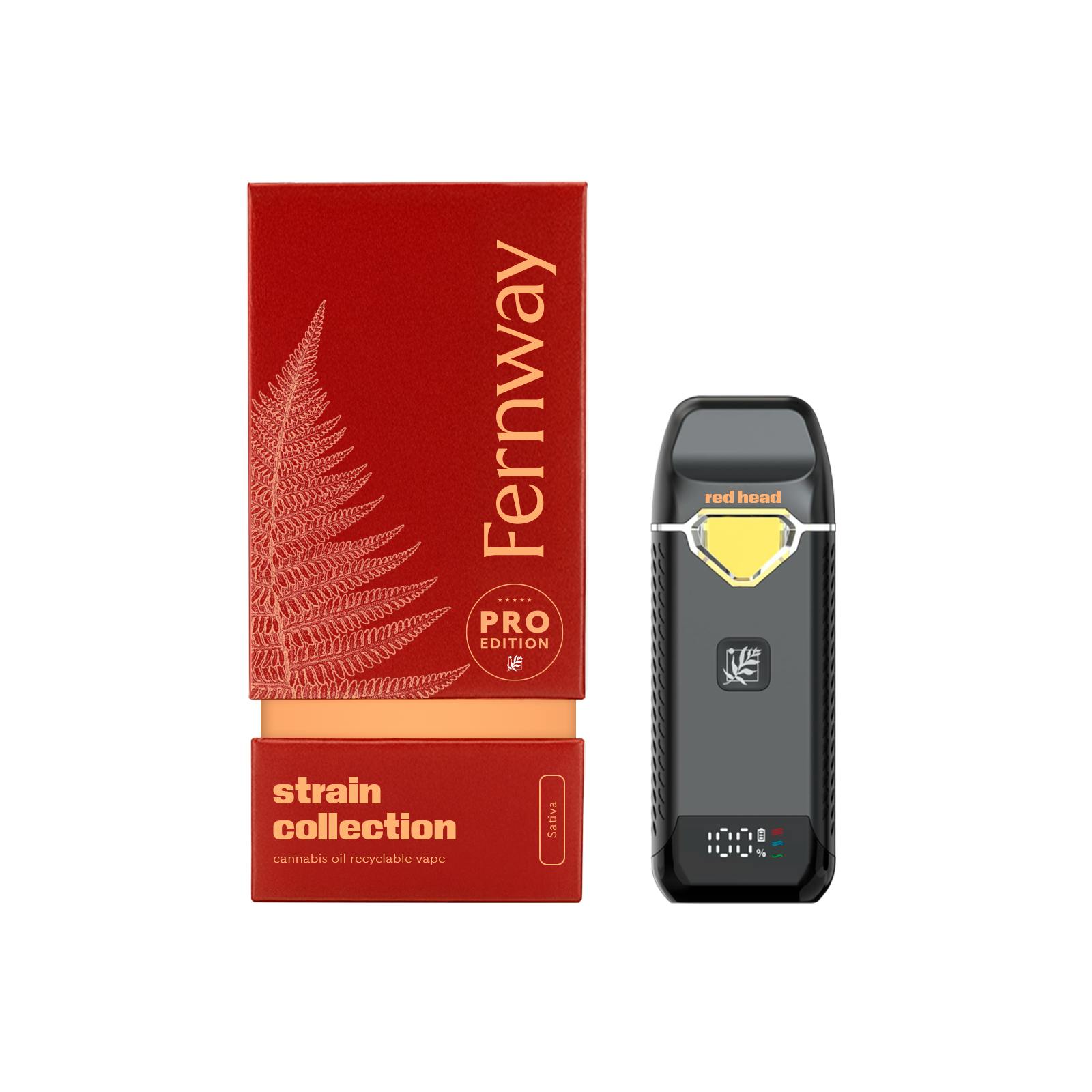
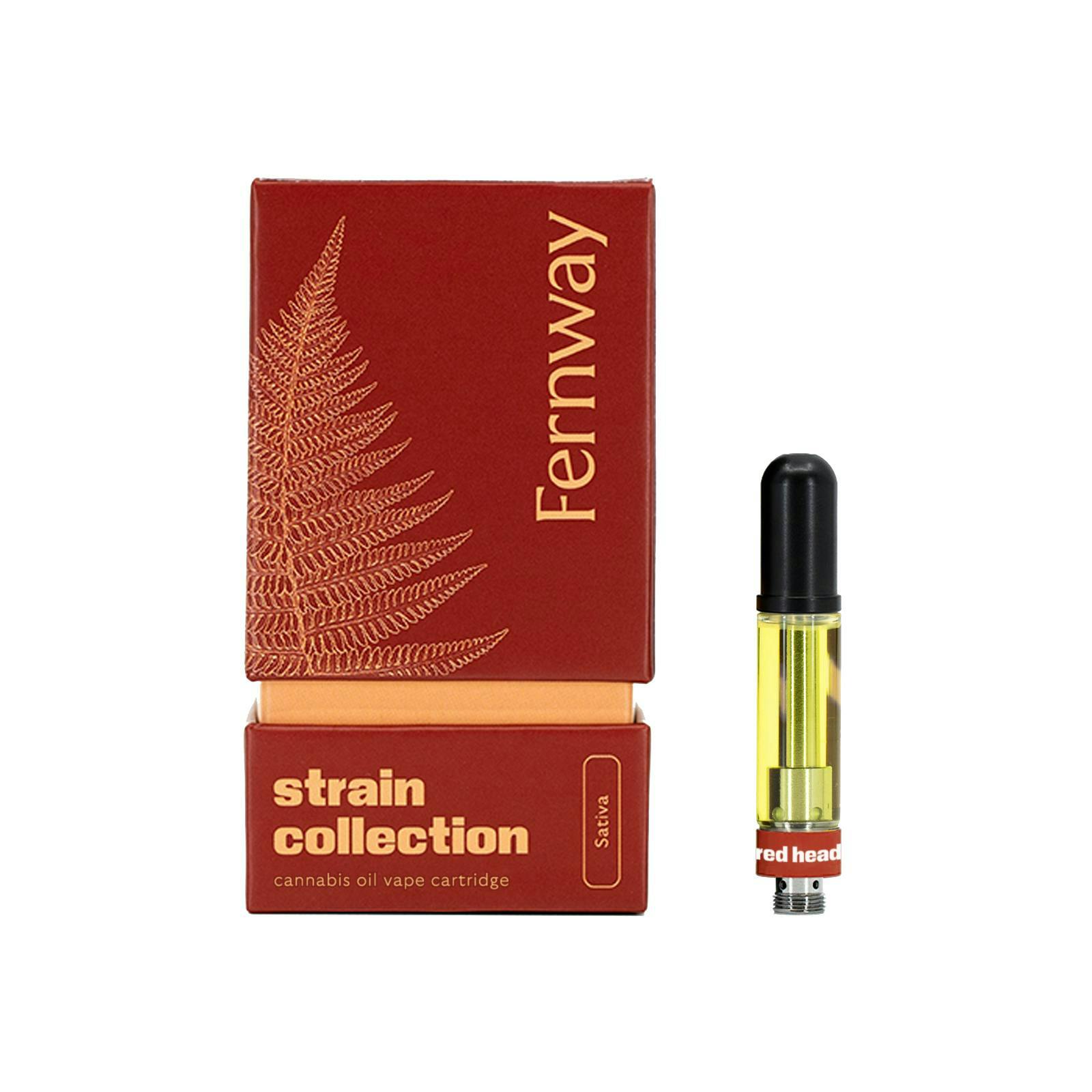
FernwayFernway Red Headed Stranger Traveler Pro Vape - Sativa · 2g
$62.39$83.19
$73after tax

weeddispensarynearme.com
You must be 21 years or older to enter. By entering, you confirm you’re of legal age in your state to purchase cannabis.
For use only by adults 21+ • Keep out of reach of children
3 live products in stock
Quick answer · What is the Red Headed Stranger cannabis strain?
Red Headed Stranger arrives with the unhurried confidence of its namesake outlaw country ballad — a sun-drenched sativa whose bright citrus and pine character gives way to a long, clear-headed elevation that rewards the curious and the creative alike. Cultivated for those who prefer their afternoons lit with intention rather than sedation, this strain carries a distinct Texan lineage and a reputation for keeping the mind sharp and the mood quietly radiant.
$73after tax

$22after tax
$44after tax
About Red Headed Stranger
Red Headed Stranger is a sativa-dominant hybrid bred by William's Wonder Seeds, though the strain is perhaps most widely associated with Austin, Texas cultivator and legacy cannabis figure Willie Nelson — whose name graces the strain in spirit if not always in documentation. The genetic foundation rests on a cross of William's Wonder and a Mexican sativa landrace, a pairing that grounds the strain's euphoric, open-sky character in old-world equatorial genetics while lending it the structural reliability of a more domesticated parent. William's Wonder itself is a classic indica-leaning variety documented in the Neville's Seed Bank catalog dating to the late 1980s, celebrated for its resin production and compact calyx structure. The Mexican sativa contribution is where Red Headed Stranger draws its signature elongated internodal spacing, narrow leaflet profile, and the kind of soaring, sustained cerebral quality that distinguishes landrace-adjacent sativas from their more hybridized contemporaries. A handful of phenotypic variations circulate within the craft cannabis community — some leaning harder toward the piney, resinous notes of the William's Wonder parent, others expressing the floral-citrus brightness of the Mexican genetics — though no formally documented sub-phenotypes have been commercially released. The strain gained broader cultural visibility through its association with the Willie Nelson Cannabis brand launched in partnership with Select Co-Op, which further cemented its identity as a premium, artisanal sativa with deep American roots.
The onset of Red Headed Stranger is characteristically gradual by sativa standards, with most consumers noting the first perceptible shift in mood and mental clarity arriving within five to fifteen minutes of inhalation. Rather than an abrupt cerebral jolt, the experience builds in measured waves — a brightening of focus, a gentle lift in sociability, and a widening of associative thinking that makes it well-suited to conversation and creative work. At peak, the effect sits firmly in the cerebral register: thoughts move quickly but not erratically, and there is a warmth in the body that prevents the experience from tipping into the anxious, untethered territory sometimes associated with high-THC sativas. Terpene composition plays a meaningful role here. The presence of myrcene, while secondary to the dominant terpenes, contributes a mild physical ease that tempers the otherwise energizing profile, while limonene is widely associated in the literature with mood elevation and stress modulation. Duration tends to run on the longer end for a sativa — typically two to three hours at full effect, with a gentle, unhurried comedown that leaves most consumers clearheaded rather than fatigued. Those newer to cannabis or sensitive to sativa-dominant cultivars are well-advised to start with a conservative amount, as the strain's THC expression can be substantial and its effects, though not anxiety-prone by reputation, are potent enough to warrant a measured approach.
The terpene profile of Red Headed Stranger is dominated by terpinolene, a compound whose aromatic signature is at once floral, piney, and faintly herbal — a combination that gives the dried flower an immediate freshness on the nose that distinguishes it from more myrcene-heavy cultivars. Beneath the terpinolene, ocimene contributes a sweet, slightly tropical brightness with herbal undertones that become more apparent as the flower is broken apart, releasing volatile aromatics that linger pleasantly on the fingertips. Secondary terpenes include myrcene, which grounds the profile with an earthy warmth, and pinene, whose contribution reinforces the clean, resinous pine character evident in the aroma of freshly cured buds. On the palate, Red Headed Stranger is notably smooth for a sativa — the smoke is light and dry rather than thick or expansive, carrying the citrus and pine notes from nose to exhale without significant harshness. The flavor profile shifts slightly on the back end, where a faint spice note, likely attributable to trace caryophyllene, adds a quiet complexity to what might otherwise read as a straightforwardly bright, clean smoke. In vapor, the aromatic character opens considerably, with the floral and tropical elements of terpinolene and ocimene becoming more expressive at lower temperatures and the earthy, resinous base notes emerging more clearly as heat increases. The overall impression is of an elegant, well-integrated profile — neither aggressively pungent nor understated.
Red Headed Stranger's sativa heritage is written plainly in its structure: buds are elongated and loosely assembled, with the airy, open calyx formation typical of landrace-influenced genetics rather than the dense, compact architecture associated with heavily indica-bred varieties. The color palette leans toward the warmer end of the cannabis spectrum — a foundation of medium to light green is threaded throughout with amber and rust-toned pistils that give the flower its characteristic ruddy, flame-kissed appearance and, one presumes, its name. Trichome coverage is generous for a sativa, forming a fine, even frost across both the calyxes and sugar leaves that catches light with a soft, luminous quality. Under close examination, the resin glands appear predominantly capitate-stalked, an indicator of maturity and careful cultivation timing. The overall aesthetic is of something grown with patience — less manicured than many contemporary hybrids, with a wild, expressive quality that feels consistent with its outlaw country heritage.
Red Headed Stranger reflects its sativa and landrace genetics in the cultivation environment, requiring a longer flowering window than most contemporary hybrids — typically nine to eleven weeks indoors, with some phenotypes pushing toward the outer edge of that range depending on environmental conditions. Outdoor cultivation in warm, Mediterranean-like climates allows the plant to express its full genetic potential, with harvest typically falling in mid-to-late October in the Northern Hemisphere. Indoor growers will want to account for the plant's tendency toward vertical stretch during the early flowering period, making height management techniques such as low-stress training or screen-of-green methods particularly relevant. Yield is moderate by commercial standards, consistent with the trade-off inherent in cultivating landrace-adjacent genetics that prioritize quality of effect and terpene expression over sheer biomass. The difficulty level is best described as intermediate — the plant is not especially fragile, but it rewards attentive environmental dialing and benefits from growers with some familiarity with sativa growth patterns. Humidity control in the final weeks of flowering is important given the loose bud structure, which, while aesthetically distinctive, can be more susceptible to moisture-related issues than denser cultivars.
Red Headed Stranger is most at home in the unhurried middle hours of the day — a late morning or early afternoon session before a project that benefits from open, unencumbered thinking. It is the kind of strain that pairs naturally with solitary creative work: writing, sketching, or any practice where the goal is sustained, directed attention rather than the diffuse reverie associated with more sedating varieties. The terpinolene-forward profile aligns particularly well with acoustic music — the kind of sparse, melodic Americana that the strain's name explicitly conjures — and the citrus-pine character of the smoke is a pleasant complement to foods with clean, bright flavors: fresh fruit, a well-made grain salad, or a slowly sipped pour of cold-brew. For social occasions, Red Headed Stranger is well-suited to intimate gatherings where conversation is the primary activity — a small dinner among close friends, a late Sunday breakfast where the agenda is deliberately light. Its mood-elevating character encourages openness and verbal fluency without the scattered, easily distracted quality that some high-terpinolene sativas can produce in sensitive consumers. As with any potent sativa, setting matters: a calm, familiar environment allows the strain's more nuanced qualities to surface without distraction.
Jack Herer
Fans of Red Headed Stranger's clear-headed cerebral elevation and pine-forward terpene profile will find Jack Herer covers similar expressive, sativa-dominant territory with its own Haze-influenced brightness.
Durban Poison
The terpinolene dominance and energizing, focused character shared by both strains make Durban Poison a natural companion for consumers who appreciate Red Headed Stranger's landrace-adjacent quality.
Ghost Train Haze
Those drawn to Red Headed Stranger's potent, sustained cerebral arc and loose sativa structure will recognize a kindred intensity in Ghost Train Haze, which offers a similarly long-duration, thought-accelerating experience.
Strawberry Cough
The smooth smoke, mood-lifting clarity, and moderate body ease of Strawberry Cough appeal to the same consumer who values Red Headed Stranger's balance of mental openness and physical comfort.
Amnesia Haze
Amnesia Haze's citrus-and-earth terpene profile and extended, euphoric sativa effect profile resonate with what Red Headed Stranger delivers for consumers who prefer their cannabis experience to be expansive and unhurried.
Red Headed Stranger is a sativa-dominant hybrid. Its lineage — a cross of William's Wonder and a Mexican sativa landrace — skews its character firmly toward the cerebral, energizing end of the cannabis spectrum. While a minor indica influence from the William's Wonder parent contributes mild physical ease, the overall experience is consistent with a classic sativa: uplifting, clear-headed, and oriented toward mental engagement rather than sedation.
Red Headed Stranger has a clean, fresh flavor profile centered on pine, citrus, and faint floral notes — a direct expression of its terpinolene and ocimene dominance. The smoke is light and dry on the inhale, with a mild spice note on the exhale contributed by trace caryophyllene. In vapor, the tropical and herbal nuances of the terpene profile become more pronounced. It is not a heavy or dank-tasting strain; the overall impression is bright and well-integrated.
Consumers typically describe a gradual, building onset that settles into a sustained state of mental clarity, mood elevation, and creative openness. The experience leans strongly cerebral, with a gentle physical warmth that prevents it from feeling ungrounded. Duration is relatively long for a sativa — two to three hours at full effect is common. The comedown is smooth and clearheaded. Those sensitive to potent sativas should approach with measured portions, as the effect can be substantial.
Consumers who enjoy Red Headed Stranger often find similar satisfaction in Jack Herer, Durban Poison, and Amnesia Haze — all sativa-dominant cultivars with terpinolene-influenced profiles and cerebral, mood-lifting character. Ghost Train Haze offers comparable potency and duration for more experienced consumers, while Strawberry Cough provides a gentler, equally smooth alternative for those who want the uplift without the intensity.
Red Headed Stranger is best approached with some prior cannabis experience. Its sativa-dominant character and potentially substantial THC expression mean that novice consumers may find the experience more intense than anticipated. That said, it is not considered an especially anxiety-prone cultivar by reputation. New consumers who choose to try it are advised to start with a small amount, allow adequate time for onset before considering more, and consume in a calm, familiar setting.
Terpinolene is the leading terpene in Red Headed Stranger, contributing its characteristic floral, piney, and herbal aromatic signature. Ocimene follows as a notable secondary terpene, adding a sweet, faintly tropical brightness. Myrcene provides earthy grounding and mild physical ease, pinene reinforces the clean resinous quality, and trace caryophyllene introduces a subtle spice note on the exhale. Together, these compounds produce a profile that is fresh, complex, and distinctly sativa in character.
Red Headed Stranger was bred by William's Wonder Seeds and is genetically a cross of William's Wonder and a Mexican sativa landrace. The strain carries strong cultural associations with Austin, Texas, and gained additional visibility through its connection to the Willie Nelson Cannabis brand. William's Wonder as a parent variety dates to the Neville's Seed Bank era of the late 1980s, lending the strain a documented lineage with genuine depth in American cannabis breeding history.
Red Headed Stranger is well-suited to daytime and early afternoon consumption given its energizing, clarity-oriented effect profile. Most consumers find it counterproductive in the evening, as its sativa character may interfere with winding down or preparing for sleep. Late morning sessions before creative work or social activities tend to align most naturally with what the strain delivers — sustained mental engagement, mood elevation, and a sense of purposeful, unhurried focus.
Related strains
Pick your store
We'll show pricing, deals, and delivery zones for the store you pick. You can switch any time from the header.