
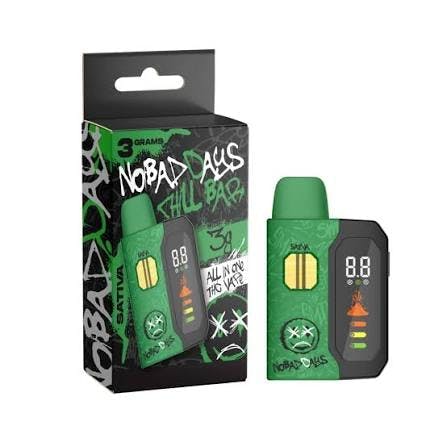
Sativa
All strains Pineapple Durban
1 live products in stock
Quick answer · What is the Pineapple Durban cannabis strain?
Pineapple Durban arrives like a coastal morning — bright, unhurried, and faintly tropical. A sativa-leaning cross that marries the legendary landrace energy of Durban Poison with the sunlit sweetness of Pineapple, this strain has earned a devoted following among those who prize clarity and creative momentum alongside genuinely pleasurable aromatics. It is the kind of cultivar that rewards the curious palate and the restless mind in equal measure.
Shop Pineapple Durban · 1 of 1 live products
About Pineapple Durban
Everything to know about Pineapple Durban.
Lineage & origin
Pineapple Durban is generally understood to be a cross between Pineapple — itself a phenotype or derivative of Ed Rosenthal Super Bud with fruity expression — and Durban Poison, the celebrated South African landrace that has served as genetic backbone for some of the most energizing cultivars in the modern canon. Durban Poison's journey from the port city of Durban to Amsterdam seed banks in the late 1970s and early 1980s, largely attributed to activist and breeder Ed Rosenthal and later refined by Sam the Skunkman, gave the wider market access to a pure sativa of exceptional vigor and focus-forward character. The specific breeder of Pineapple Durban as a named, stabilized cultivar has not been uniformly credited in public sources; different seed companies and clone-only cuts circulate under the name, making provenance somewhat variable. Aficionados on Leafly and Wikileaf typically classify it as a sativa-dominant hybrid with effects profile consistent with Durban Poison's stimulating myrcene-and-terpinolene heritage tempered by the softer, fruit-forward terpene signature of the Pineapple parent. Genetic siblings in the broader Durban Poison family include Gorilla Glue's distant relatives and, most famously, Girl Scout Cookies — a reminder of how profoundly the Durban lineage has shaped contemporary American cannabis culture. Pineapple Durban occupies a distinct niche within that family: leaning into the tropical rather than the earthy, it reads as a brighter, more approachable expression of its South African ancestor.
Effects
The onset of Pineapple Durban is characteristically prompt for a sativa-leaning cultivar, with initial sensations often reported within five to ten minutes of inhalation. The experience opens cerebrally — a gentle lift behind the eyes and temples that sharpens into focused, exploratory thinking without the anxious edge that pure, high-terpinolene sativas can occasionally produce. The mood elevation is genuine and present-tense: conversations become more interesting, creative tangents more worth pursuing. At its peak, Pineapple Durban leans decisively toward the head rather than the body. Physical relaxation exists as a soft undercurrent — the shoulders settle, the breath slows slightly — but this is not a strain that tethers you to the couch. The dominant terpinolene and myrcene interaction is thought to contribute to this balance: terpinolene supports the uplifting, alert quality while myrcene introduces just enough warmth to keep the experience grounded and convivial rather than wired. Duration is moderate, typically spanning ninety minutes to two and a half hours depending on individual tolerance and consumption method. The comedown is notably gentle — a gradual return to baseline rather than an abrupt shift, which many consumers appreciate for daytime or late-afternoon use. As with any high-terpene sativa, those newer to cannabis are well-served by a start-low, go-slow approach, allowing the full arc to unfold before reassessing.
Aroma, flavor & terpenes
The aroma of Pineapple Durban is among its most immediately distinguishing qualities. On the nose, dominant terpinolene delivers the characteristic brightness associated with Durban Poison — a light, almost floral-citrus lift that has been compared to fresh mango rind and white tea. Layered beneath it, myrcene contributes a ripe, tropical warmth that evokes stone fruit and, predictably, pineapple flesh at peak ripeness. The combination is simultaneously vivid and refined. Secondary notes come courtesy of ocimene, which introduces a delicate, herbaceous sweetness — think fresh basil or tarragon alongside orchard fruit — and caryophyllene, which grounds the aromatic profile with a subtle spice that prevents the tropical sweetness from tipping into cloying territory. Traces of limonene, reported in several phenotype analyses, add a clean citrus brightness that sharpens the overall bouquet and aligns with the strain's mood-elevating effects profile, as limonene has been associated in preliminary research with uplifted affect. On the palate, the smoke or vapor experience mirrors the aromatic promise well. The inhale is smooth and fruit-forward — pineapple and citrus peel dominate — while the exhale reveals the spice and mild earthiness contributed by caryophyllene and the residual myrcene warmth. There is a clean finish, without the heavy resin-coating that some indica-leaning cultivars leave behind, which makes Pineapple Durban particularly well-suited to vaporization at moderate temperatures where the more volatile terpenes can express themselves fully.
Appearance
Pineapple Durban buds typically reflect their sativa lineage in structure: longer, slightly airier calyxes that stack loosely rather than compressing into the dense, rounded formations associated with indica-dominant cultivars. The overall form is elongated, with good internal bud density when grown under optimal conditions, though the open architecture allows for thorough trichome development across the surface. The color palette skews toward bright, medium greens — lime and sage tones that catch the light — accented by vivid amber-to-rust pistils that weave through the bud in generous quantity, a visual cue to the Durban Poison ancestry. Trichome coverage is generous for a sativa: the heads appear glassy and resinous under magnification, giving finished flower a subtle luminous quality. Under certain phenotype expressions, pale lavender undertones can appear near the base of the calyxes, though this is variable and dependent on the cultivation environment's temperature fluctuations during late flower.
Growing notes
Pineapple Durban reflects its Durban Poison parentage in the garden: it tends to stretch substantially during the vegetative and early flowering phases, which makes vertical space management a priority for indoor cultivators. Growers working indoors typically allow eight to ten weeks of flowering time, with the longer end of that range more common in phenotypes that express dominant sativa characteristics. Training techniques such as LST (low-stress training) or a SCROG setup are commonly employed to manage height and encourage lateral bud development. Outdoor cultivators in climates that resemble Durban Poison's South African origins — warm, moderately humid, with long summers — can expect vigorous growth and generous yields. In the northeastern United States, outdoor cultivation is possible but requires a microclimate that stays warm and dry into October. Difficulty is generally rated as intermediate: the plant is resilient and relatively mold-resistant given its landrace sativa foundation, but its vigor demands attentive canopy management. Indoor yields are moderate to good; outdoor plants, when given sufficient space and season length, can produce substantially.
When it's best enjoyed
Pineapple Durban is calibrated for the hours when the day still holds possibility. Its alert, mood-forward character makes it a natural companion for late-morning creative work — the kind of session where a blank page or an unresolved design problem benefits from a fresh perspective unencumbered by heaviness. Solo studio time, a long walk through a neighborhood encountered for the first time, or the unhurried preparation of a meal that deserves full attention all represent ideal contexts. For social occasions, Pineapple Durban performs well in small gatherings where conversation is the intended entertainment — it opens the mind without overwhelming it, and its tropical aromatic profile feels at home alongside warm-weather food and drink. A pairing worth considering: the strain's pineapple and citrus terpene character harmonizes naturally with ceviche, citrus-dressed salads, or Thai cuisine that balances sweetness and spice. For a musical backdrop, the rhythm and melodic openness of Afrobeat — an elegant nod to the Durban lineage — or Brazilian bossa nova provide a tonal match that feels both considered and genuinely pleasurable.
If you like Pineapple Durban, also explore
Durban Poison
As the foundational parent, Durban Poison shares Pineapple Durban's terpinolene-driven alertness and focused energy, making it the most direct point of comparison for anyone drawn to the sativa clarity of this cultivar.
Pineapple Express
Sharing the tropical fruit aromatic profile and a similarly approachable sativa lean, Pineapple Express will feel familiar to Pineapple Durban fans who prize the citrus-pineapple terpene character above all else.
Super Lemon Haze
A terpinolene-rich sativa that prioritizes bright citrus aromatics and uplifting cerebral effects, Super Lemon Haze appeals to the same shopper who values clarity, energy, and a vivid flavor profile.
Tangie
Tangie's dominant citrus terpene expression and mood-elevating, socially engaging effects make it a natural alternative for those who love Pineapple Durban's aromatic brightness and functional daytime character.
Green Crack
For consumers who gravitate toward Pineapple Durban's focused, stimulating onset and prefer a sativa that stays clear-headed rather than sedating, Green Crack offers a comparably driven, mango-tinged experience.
Common questions
Is Pineapple Durban indica or sativa?+
Pineapple Durban is classified as a sativa-dominant hybrid. Its Durban Poison parent is a pure South African sativa landrace, and that heritage drives the cultivar's characteristic uplifting, cerebral effect profile. The Pineapple parent introduces a modest softening influence, but the overall experience remains firmly oriented toward energy, clarity, and mental engagement rather than physical sedation.
What does Pineapple Durban taste like?+
Pineapple Durban offers a fruit-forward palate led by ripe pineapple and citrus peel, with secondary notes of tropical stone fruit and a light herbal sweetness. On the exhale, a subtle spice and mild earthiness emerge from caryophyllene and myrcene, providing balance and preventing the flavor from reading as one-dimensional. Vaporization at moderate temperatures tends to highlight the more delicate aromatic compounds most effectively.
What are the typical effects of Pineapple Durban?+
Consumers typically report a prompt, cerebral onset characterized by lifted mood, sharpened focus, and a sense of engaged curiosity. Physical effects are present but secondary — a gentle relaxation rather than sedation. The experience arc is generally moderate in duration, with a graceful comedown. The dominant terpene combination of terpinolene and myrcene is associated with this balance of alertness and ease.
What strains are similar to Pineapple Durban?+
Durban Poison is the most direct relative, sharing the focused sativa energy and terpinolene-rich profile. Tangie and Super Lemon Haze offer comparable citrus brightness and uplifting character. Pineapple Express parallels the tropical aromatic identity. Green Crack appeals to those who prize Pineapple Durban's daytime clarity and stimulating onset above its fruit-forward flavor profile.
Is Pineapple Durban good for beginners?+
Pineapple Durban can be enjoyable for newer consumers who appreciate sativa-style effects, but its potency warrants a measured approach. The stimulating, cerebral onset can feel intense if one consumes more than intended. A start-low, go-slow philosophy is sensible: allow the full effect to develop — typically ten to fifteen minutes with inhalation — before reassessing. Those sensitive to anxiety from high-THC sativas should exercise particular care.
What are the dominant terpenes in Pineapple Durban?+
Terpinolene is widely cited as the primary terpene in Pineapple Durban, contributing the bright, floral-citrus top note and the alert, uplifting effect signature inherited from Durban Poison. Myrcene follows as a grounding secondary terpene, adding tropical warmth. Ocimene brings a light herbal sweetness, and caryophyllene provides spice and depth, rounding out a terpene profile that is complex without being heavy.
When is the best time of day to consume Pineapple Durban?+
Given its sativa-dominant, focus-enhancing character, Pineapple Durban is generally best suited to morning through mid-afternoon consumption. Its energizing arc makes evening use less intuitive for most consumers, as the cerebral stimulation may interfere with winding down. Late-afternoon occasions — a creative project, a social gathering, an outdoor activity — also align well with its effect profile and moderate duration.
Who bred Pineapple Durban and what is its lineage?+
Pineapple Durban is a cross of Pineapple and Durban Poison, the latter a revered South African sativa landrace introduced to Western markets in the late 1970s and early 1980s. The specific originating breeder of Pineapple Durban as a stabilized cultivar has not been uniformly credited in publicly available sources, and multiple seed companies and clone-only cuts circulate under the name, making definitive attribution difficult.
Related strains